Constipation, What Should I Do? The Doctor Teaches You Three Tricks To Handle It At Home
Oct 16, 2023
As the weather gets colder, there are fewer outdoor activities and less intake of other fruits, vegetables, vegetables, etc., coupled with the dry weather. There are more and more people with constipation, and those who already have constipation are getting more and more serious.

If we rule out some organic constipation, such as constipation caused by intestinal obstruction, chronic inflammation of the colon, or tumors. We consider it functional constipation.
Increase dietary fiber and improve constipation
Functional constipation is usually caused by insufficient exercise, insufficient drinking water, or insufficient dietary fiber intake. Therefore, it is fundamental to consider the adjustment of a nutritious diet. Generally speaking, increasing dietary fiber is the focus. Even for some constipation patients with underlying diseases such as hypothyroidism, diabetic neuropathy, or Parkinson's disease, dietary adjustments should be considered.
Dietary fiber is also a large type of carbohydrate, but it does not refer to starch or glucose carbohydrates. It is a non-starch sugar that cannot be digested and absorbed by the human body. Divided into soluble dietary fiber and insoluble dietary fiber. What we need for constipation is more insoluble dietary fiber, mainly cellulose, hemicellulose, and lignin.
These insoluble dietary fibers can increase bile secretion and absorb bile acids. It can also increase the volume of stool by increasing water capacity, and can also promote intestinal peristalsis and excretion by allowing food to pass through the intestines quickly.
Which foods containing dietary fiber are most effective in treating constipation?
Per 100g, wheat bran has the most dietary fiber and insoluble dietary fiber, 40g and 30g respectively, followed by kidney beans, whole wheat flour, mung beans, cornmeal, and oatmeal, with 10g of dietary fiber or 5g of insoluble dietary fiber. or above.
The recommended daily intake of dietary fiber is 20-30g, of which insoluble dietary fiber accounts for 70%. If you want to meet the requirements, according to the raw weight, the daily intake of whole grains should be about 100g or close to 50% of the daily staple food. The vegetables are 500g, the fruits are 400g, the beans are 50-100g, and the konjac is 20g. Of course, considering the taste and some people's discomfort, such as flatulence, etc., the intake can be gradually increased.

Treat constipation with appropriate amounts of protein, edible oil, drinking water, exercise, etc.
Except for dietary fiber, for functional constipation. It is necessary to consume protein with sufficient nutritional guarantee so as not to cause nutritional imbalance. For example, fish, shrimp, eggs, tofu, and lean meat are all good sources of protein. Because the daily protein intake is about 1.0g per kilogram of body weight, and those with digestive dysfunction or some elderly people may need to increase their protein intake appropriately, to 1.2-1.5g per kilogram of body weight. Daily consumption is 2-3 taels of lean meat, 1 egg, and 200-300ml of milk.
Appropriately increasing edible oils such as sunflower seed oil, sesame oil, peanut oil, corn oil, etc., with an intake of 35-40g, is beneficial to increasing intestinal lubrication and improving constipation. In addition, some foods, such as honey and yogurt, may be beneficial to some people with constipation, so you can try them.
In addition, in addition to diet, appropriately increasing exercise may help enhance intestinal peristalsis. It also includes increasing drinking water to about 2000ml, and some abdominal massage may be helpful to some people.

However, a reminder is that you cannot go to extremes without doing the opposite. It is often encountered that some people with constipation consume too many coarse grains, which may cause increased abdominal discomfort, abdominal distension, and pain, and also affect defecation. Adjusting your eating habits step by step is the only way to improve constipation.
Natural Herbal Medicine For Relieving Constipation-Cistanche
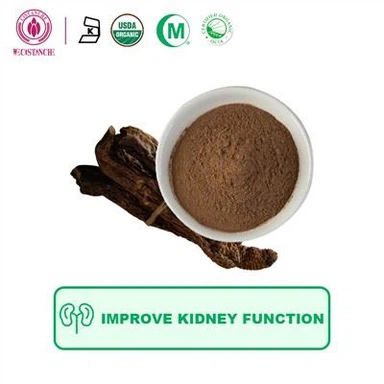
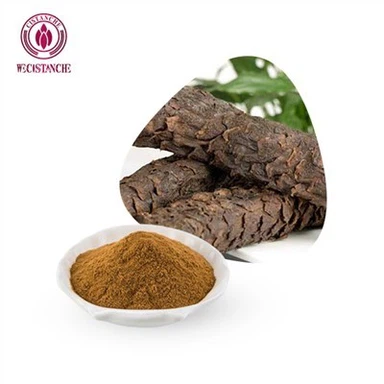
Cistanche is a genus of parasitic plants that belongs to the family Orobanchaceae. These plants are known for their medicinal properties and have been used in Traditional Chinese Medicine (TCM) for centuries. Cistanche species are predominantly found in arid and desert regions of China, Mongolia, and other parts of Central Asia. Cistanche plants are characterized by their fleshy, yellowish stems and are highly valued for their potential health benefits. In TCM, Cistanche is believed to have tonic properties and is commonly used to nourish the kidney, enhance vitality, and support sexual function. It is also used to address issues related to aging, fatigue, and overall well-being. While Cistanche has a long history of use in traditional medicine, scientific research on its efficacy and safety is ongoing and limited. However, it is known to contain various bioactive compounds such as phenylethanoid glycosides, iridoids, lignans, and polysaccharides, which may contribute to its medicinal effects.

Wecistanche's cistanche powder, cistanche tablets, cistanche capsules, and other products are developed using desert cistanche as raw materials, all of which have a good effect on relieving constipation. The specific mechanism is as follows: Cistanche is believed to have potential benefits for relieving constipation based on its traditional use and certain compounds it contains. While scientific research specifically on Cistanche's effect on constipation is limited, it is thought to have multiple mechanisms that may contribute to its potential to relieve constipation. Laxative Effect: Cistanche has long been used in Traditional Chinese Medicine as a remedy for constipation. It is believed to have a mild laxative effect, which can help promote bowel movements and induce constipation. This effect may be attributed to various compounds found in Cistanche, such as phenylethanoid glycosides and polysaccharides. Moistening the Intestines: Based on traditional use, Cistanche is considered to have moisturizing properties, specifically targeting the Intestines. Promoting hydration and lubrication of the Intestines, it may help soften tools and facilitate easier passage, thereby relieving constipation. Anti-inflammatory Effect: Constipation can sometimes be associated with inflammation in the digestive tract. Cistanche contains certain compounds, including phenylethanoid glycosides and lignans, that are believed to have anti-inflammatory properties. By reducing inflammation in the intestines, it may help improve bowel movement regularity and relieve constipation.