How To Scientifically Relieve Constipation?
Oct 13, 2023
Constipation is a problem that troubles many people. Postpartum mothers and the elderly are high-risk groups for constipation. Constipation occurs more often among women. So how is constipation defined?
Constipation is a symptom characterized by difficulty in defecation and/or reduced defecation frequency and dry and hard stools. Defecation difficulties include straining to defecate, difficulty in defecation, the feeling of incomplete defecation, the feeling of anorectal blockage, time-consuming defecation, and the need for assisted defecation. Decreased bowel movement refers to having fewer than three bowel movements per week. The duration of chronic constipation is at least 6 months.

Click to constipation remedies
What should I do if constipation occurs?
• Lifestyle changes:
Changing eating habits, increasing dietary fiber, and increasing water intake can improve constipation, but it should be noted that for some patients with constipation, increasing dietary fiber may aggravate abdominal distension, abdominal pain, bowel sounds, and other discomforts. This is due to increased dietary fiber causing intestinal gas. Increased dietary fiber intake should be appropriate.
Regular physical activity: Physical activity can shorten intestinal transit time and facilitate defecation. You can do more aerobic exercises such as walking, cycling, etc.
• Change bowel movements:
During defecation, the anal-rectal angle increases from about 92° to about 130°. However, when squatting to defecate, the anal angle becomes larger than when sitting, which is more conducive to the passage of feces. At this time, people feel more relaxed and smooth about defecation, and the time it takes to go to the toilet will also be shorter.
If there is a toilet at home, then you need to use a practical gadget - a footrest. Putting a footstool under your feet simulates a posture similar to squatting on the toilet. In this way, the anal angle becomes larger and defecation becomes smoother.
• Regular abdominal massage
When massaging the abdomen, use your right hand from the right side of the abdomen from bottom to top, sideways from right to left, and then the left side from top to bottom, and so on. If it is a cesarean section, you can gently press the wound with one hand and do the massage with the other hand. Abdominal massage can be done while standing, sitting, lying down, or walking.
• Biofeedback therapy
It is a behavioral conditioning therapy. When the patient simulates defecation, the abdominal wall electrodes and anorectal baroreceptors can sense and display to the patient the exertion status of the abdominal wall, rectum, and anal canal muscles. The patient can use this to self-regulate and correct uncoordinated defecation exertion. The patient is trained to coordinate the abdominal and pelvic floor muscles to restore normal bowel movements. In the past 10 years, many domestic and foreign constipation guidelines or consensus have recommended biofeedback as the preferred treatment method for patients with functional defecation disorders.

• Sacral nerve stimulation
Sacral nerve stimulation is a painless, non-invasive and non-invasive neuromodulation technology. It is guided by the principle of Faraday electromagnetic induction and controls the coil to generate a magnetic field through the adjustment of the switch in the energized coil. When diseased tissue is placed in a magnetic field, it will generate an induced current, which then stimulates the body to change the cell membrane potential difference, causing tissue excitement or corresponding physiological changes. The pudendal nerve controls urination and defecation functions of the human body and is easily affected by local muscle and bone structures. The use of sacral nerve magnetic stimulation mode can effectively regulate local functions and change the excitability of muscle nerves, thereby achieving the purpose of relieving constipation and other diseases.

If you are also troubled by constipation, you must correct your bad living habits in time, see a doctor promptly to confirm the cause of constipation, and then choose the appropriate treatment method according to the cause. Solve it early and relax!
Natural Herbal Medicine For Relieving Constipation-Cistanche
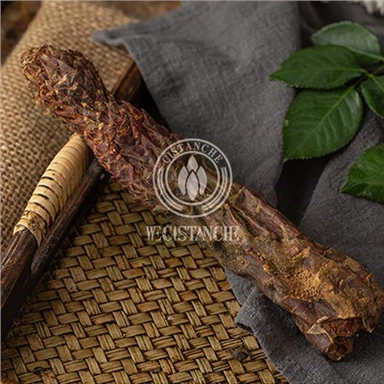
Cistanche is a genus of parasitic plants that belongs to the family Orobanchaceae. These plants are known for their medicinal properties and have been used in Traditional Chinese Medicine (TCM) for centuries. Cistanche species are predominantly found in arid and desert regions of China, Mongolia, and other parts of Central Asia. Cistanche plants are characterized by their fleshy, yellowish stems and are highly valued for their potential health benefits. In TCM, Cistanche is believed to have tonic properties and is commonly used to nourish the kidney, enhance vitality, and support sexual function. It is also used to address issues related to aging, fatigue, and overall well-being. While Cistanche has a long history of use in traditional medicine, scientific research on its efficacy and safety is ongoing and limited. However, it is known to contain various bioactive compounds such as phenylethanoid glycosides, iridoids, lignans, and polysaccharides, which may contribute to its medicinal effects.

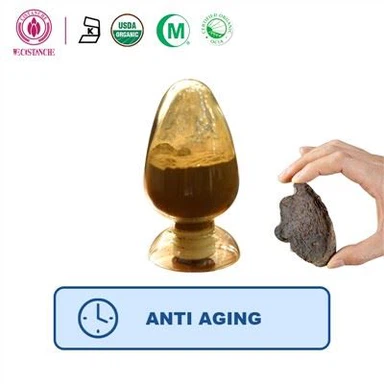
Wecistanche's cistanche powder, cistanche tablets, cistanche capsules, and other products are developed using desert cistanche as raw materials, all of which have a good effect on relieving constipation. The specific mechanism is as follows: Cistanche is believed to have potential benefits for relieving constipation based on its traditional use and certain compounds it contains. While scientific research specifically on Cistanche's effect on constipation is limited, it is thought to have multiple mechanisms that may contribute to its potential to relieve constipation. Laxative Effect: Cistanche has long been used in Traditional Chinese Medicine as a remedy for constipation. It is believed to have a mild laxative effect, which can help promote bowel movements and induce constipation. This effect may be attributed to various compounds found in Cistanche, such as phenylethanoid glycosides and polysaccharides. Moistening the Intestines: Based on traditional use, Cistanche is considered to have moisturizing properties, specifically targeting the Intestines. Promoting hydration and lubrication of the Intestines, it may help soften tools and facilitate easier passage, thereby relieving constipation. Anti-inflammatory Effect: Constipation can sometimes be associated with inflammation in the digestive tract. Cistanche contains certain compounds, including phenylethanoid glycosides and lignans, that are believed to have anti-inflammatory properties. By reducing inflammation in the intestines, it may help improve bowel movement regularity and relieve constipation.