What Should I Do If I Am Always Constipated? Try These Methods
Oct 16, 2023
According to statistics, the prevalence rate of chronic constipation in my country is 3.0%-17.6%, and the incidence rate of chronic constipation in adults is 4%-6%. The older the age, the higher the prevalence rate. The prevalence rate among people over 60 years old can be as high as 22%. %, more women than men.

Click to constipation treatment
Constipation seriously affects patients' quality of life and physical and mental health, consumes a large amount of medical resources, and is an important public health issue. Today I want to talk to you about constipation.
01 What is constipation
Constipation is a symptom or group of symptoms that manifests as difficulty in defecation, reduced defecation frequency, and dry and hard feces.
Defecation difficulties include labored defecation, difficulty in defecation, a feeling of incomplete defecation, anorectal blockage, time-consuming defecation, and the need for assisted defecation.
Reduced bowel movements refer to <3 bowel movements per week and the duration of chronic constipation is at least 6 months.
02 What are the dangers of constipation?
Long-term straining to defecate can cause rectal and anal diseases, such as hemorrhoids, anal fissures, intestinal cancer, anal prolapse, etc.
Struggling to defecate can easily induce cardiovascular and cerebrovascular diseases such as stroke, myocardial infarction, angina, etc., especially in the elderly.

For patients with liver failure, constipation will also prevent harmful substances from being excreted in time, and toxins will be absorbed into the blood, making hepatic encephalopathy prone to occur.
Long-term constipation causes toxins in the body that cannot be removed in time, resulting in abnormal function of the body's endocrine system and imbalance of hormone metabolism, resulting in abnormal facial pigmentation, chloasma, and acne, which will not only affect the quality of life but also cause mental and physical problems. Psychological burden.
03 How to correctly improve constipation?
1. Drink enough water and eat more fibrous fruits and vegetables
Don't wait until you are thirsty to drink water. When you feel thirsty, your body is already dehydrated, and severe dehydration can aggravate constipation. Drinking water on an empty stomach early in the morning can help promote gastrointestinal motility and improve constipation. Guidelines recommend a water intake of 1.5-2.0L/day. Increase the intake of dietary fiber. Fiber can increase the water content of feces and improve constipation symptoms by increasing the volume of feces.
2. Develop good bowel habits
Go to the toilet in the morning and two hours after meals. At this time, the colon's propulsive action is more active and it is easier to defecate. You can insist on trying to defecate to a certain point to form feedback of the biological clock of defecation. You should concentrate on defecation and give up the habit of reading, reading, and playing with mobile phones while defecating. In addition, squatting defecation can shorten defecation time and improve defecation effort, so it is recommended for patients with constipation to adopt a squatting defecation posture.
3. Insist on proper exercise
Regular exercise can strengthen the intestinal muscles and enhance intestinal motility. Office workers who sit for a long time should also consciously stand up and move around more. Doing levator exercises is also a good choice. The exercise method for the elderly is light and moderate. You can choose walking, Tai Chi, exercises, etc.
4. Don’t rely on laxatives
Long-term use of stimulant laxatives will not only cause dependence but also stimulate pigmentation in the large intestine to form melanosis coli, which becomes a risk factor for colorectal cancer. If long-term constipation has affected your life, you should go to the hospital in time.
5. Traditional Chinese Medicine Treatment
According to traditional Chinese medicine, patients with habitual constipation are often caused by deficiency of yin and blood, loss of intestinal moisture, and other reasons. To treat this type of constipation, laxative medications cannot be used alone.

Although laxative drugs can be effective in a short period, they cannot fundamentally treat the disease and can easily damage body fluids and consume fluid. Long-term use may cause other intestinal diseases.
Many studies have shown that traditional Chinese medicine can effectively relieve the symptoms of chronic constipation. Traditional Chinese medicine such as Ophiopogon japonicus, Scrophulariaceae, and Rehmannia glutinosa can nourish yin and promote fluid production, nourish yin and lungs, and moisturize the intestines and relieve constipation.
In addition, acupuncture can effectively treat chronic constipation, increase the frequency of defecation, improve accompanying symptoms, relieve anxiety and depression, and improve the quality of life;
Massaging acupoints on the large intestine meridian and spleen and stomach meridian can promote gastrointestinal peristalsis, stimulate the vagus nerve, promote local blood circulation, etc., and help improve constipation symptoms.
Natural Herbal Medicine For Relieving Constipation-Cistanche
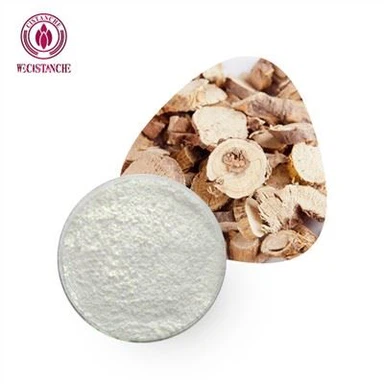
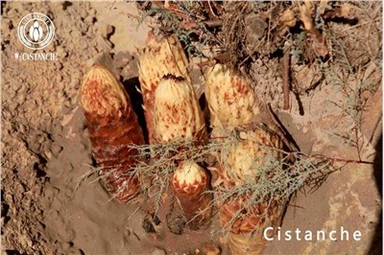
Cistanche is a genus of parasitic plants that belongs to the family Orobanchaceae. These plants are known for their medicinal properties and have been used in Traditional Chinese Medicine (TCM) for centuries. Cistanche species are predominantly found in arid and desert regions of China, Mongolia, and other parts of Central Asia. Cistanche plants are characterized by their fleshy, yellowish stems and are highly valued for their potential health benefits. In TCM, Cistanche is believed to have tonic properties and is commonly used to nourish the kidney, enhance vitality, and support sexual function. It is also used to address issues related to aging, fatigue, and overall well-being. While Cistanche has a long history of use in traditional medicine, scientific research on its efficacy and safety is ongoing and limited. However, it is known to contain various bioactive compounds such as phenylethanoid glycosides, iridoids, lignans, and polysaccharides, which may contribute to its medicinal effects.

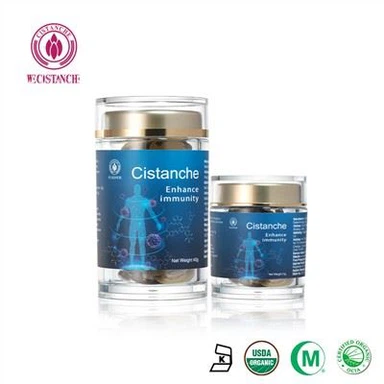
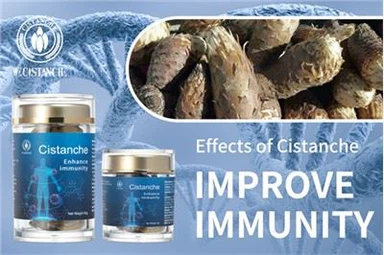
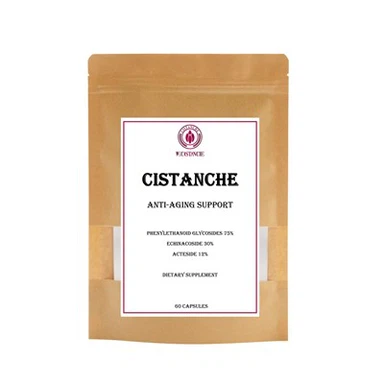
Wecistanche's cistanche powder, cistanche tablets, cistanche capsules, and other products are developed using desert cistanche as raw materials, all of which have a good effect on relieving constipation. The specific mechanism is as follows: Cistanche is believed to have potential benefits for relieving constipation based on its traditional use and certain compounds it contains. While scientific research on Cistanche's effect on constipation is limited, it is thought to have multiple mechanisms that may contribute to its potential to relieve constipation. Laxative Effect: Cistanche has long been used in Traditional Chinese Medicine as a remedy for constipation. It is believed to have a mild laxative effect, which can help promote bowel movements and induce constipation. This effect may be attributed to various compounds found in Cistanche, such as phenylethanoid glycosides and polysaccharides. Moistening the Intestines: Based on traditional use, Cistanche is considered to have moisturizing properties, specifically targeting the Intestines. Promoting hydration and lubrication of the Intestines, may help soften tools and facilitate easier passage, thereby relieving constipation. Anti-inflammatory Effect: Constipation can sometimes be associated with inflammation in the digestive tract. Cistanche contains certain compounds, including phenylethanoid glycosides and lignans, that are believed to have anti-inflammatory properties. By reducing inflammation in the intestines, it may help improve bowel movement regularity and relieve constipation.