Don’t Fill This Pit Of Constipation Casually
Dec 11, 2023
As a disease with a relatively high incidence rate, constipation often troubles people's lives. Although it is not that terrible, it is particularly annoying. It can put you in a bad mood all day, make you want to run to the toilet several times, and sometimes make you lose control of your mood and your temper. Especially for pregnant women and the elderly, there are still many risks, which are miserable. Here we will briefly talk about constipation, understand and overcome it.

Click to best laxative for constipation
Constipation refers to a decrease in the frequency of bowel movements, usually less than 3 times a week, accompanied by difficulty in defecation and dry and hard stools.
After food is digested and absorbed in the digestive tract, the remaining chyme residue is transported from the small intestine to the colon, where most of the water and electrolytes are absorbed to form a fecal mass, and finally transported to the sigmoid colon and rectum, where feces are excreted through a series of defecation activities. in vitro.
Constipation can occur in all aspects from the formation of fecal mass to the urge to defecate and the movement of defecation, due to abnormal nervous system activity, intestinal smooth muscle lesions, and anal sphincter dysfunction or lesions.
Common causes of constipation include functional constipation and organic constipation.
(1) The cause of functional constipation is currently unclear, but it may be related to the following factors.
1. Bad defecation habits: such as inhibiting the urge to defecate, taking too long to go to the toilet, lack of concentration during defecation, etc.;
2. Bad eating habits: such as eating less, eating food lacking fiber, or not having enough water;
3. Bad exercise habits: such as sitting or lying in bed for long periods;
4. Bad living habits: Abusing laxatives can lead to drug dependence and constipation.
(2) Organic constipation refers to constipation caused by organic lesions of organs and the use of related drugs.
1. Colon and anal diseases: intestinal lumen stenosis caused by congenital megacolon, inflammatory bowel disease, trauma, or tumors; outlet obstruction caused by rectal folding; hemorrhoids, anal fissures, perianal abscesses, and ulcers, etc.
2. Systemic diseases cause intestinal muscle relaxation and inability to defecate: such as uremia, diabetes, thyroid dysfunction, cerebrovascular accident, paraplegia, multiple sclerosis, dermatomyositis, depression, anorexia, etc.
3. Use drugs that can easily cause constipation: anticholinergics, antidepressants, calcium channel blockers, sedatives, antacids containing calcium or aluminum, etc. In addition, increasing age and psychological stress are also high-risk factors for constipation.

Clinical manifestations of constipation:
Patients with acute constipation often have abdominal pain, bloating, and even nausea and vomiting, which are often caused by intestinal obstruction of various causes; chronic constipation often has no special symptoms, and some patients complain of bitter taste, loss of appetite, abdominal distension, lower abdominal discomfort, or dizziness, headache, fatigue, etc. Neurological symptoms, but generally not severe.
The excreted feces is as hard as sheep feces, and there may be spasmodic pain and falling sensation in the left abdomen or lower abdomen during defecation. People with severe defecation difficulties may have bloody stools or bloody stools due to worsening hemorrhoids and anal fissures. Patients may also become nervous and anxious as a result.
In addition to the above symptoms, children with constipation may also experience changes in behavior. For example, they may hold their buttocks tightly to inhibit defecation due to fear of painful defecation, or they may have diarrhea-like stools.

What are the related tests for constipation?
1. Physical examination: vital signs, abdominal examination, digital rectal examination.
2. Imaging examination: gastrointestinal X-ray.
3. Laboratory tests: Hematology tests mainly include blood routine, thyroid function, blood calcium levels, etc., and stool tests.
4. Pathological examination: Take a biopsy through colonoscopy to determine benign and malignant lesions.
5. Special examinations: colon transit test, endoscopy, defecography, anorectal pressure measurement, balloon expulsion test, etc.
The treatment of constipation aims to relieve symptoms and restore normal intestinal motility and defecation function. Generally, individualized comprehensive treatment is carried out according to the patient's physical condition.
These include lifestyle modifications, medications, biofeedback, colon hydrotherapy, and surgery.

Lifestyle adjustments include eating a reasonable diet and supplementing dietary fiber.
Eat more high-fiber fruits, vegetables, whole grains, etc.; drink more water, at least 1.5-2L per day; exercise moderately; establish good defecation habits and maintain a happy mood.
Drug treatments include laxatives, prokinetic drugs, secretagogues, microecological preparations, enemas, suppositories, etc.
Biofeedback treatment uses medical equipment to allow patients to intuitively perceive the functional status of the pelvic floor muscles during defecation, and experience how to relax the pelvic floor muscles during defecation, which can improve constipation caused by disordered pelvic floor muscles.
Colon hydrotherapy injects warm water and medicinal liquid into the colon under computer control. The liquid moves regularly in the colon to simulate physiological movement, constantly stimulating the colon wall, restoring colon peristalsis function, and treating and preventing constipation.
When the above treatments are ineffective and the patient's symptoms seriously affect work and life, surgical treatment may be considered.
Natural Herbal Medicine For Relieving Constipation-Cistanche
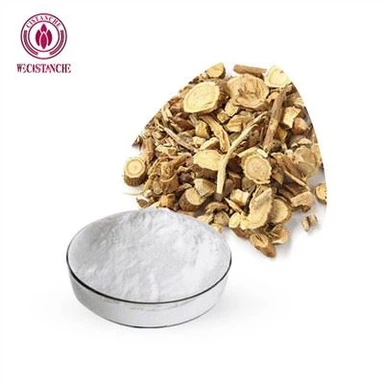
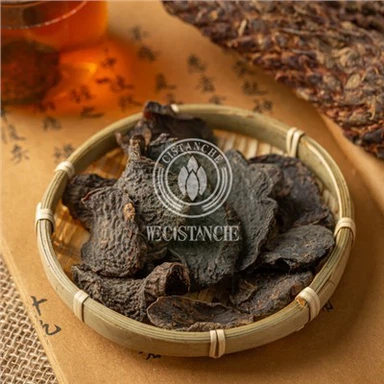
Cistanche is a genus of parasitic plants that belongs to the family Orobanchaceae. These plants are known for their medicinal properties and have been used in Traditional Chinese Medicine (TCM) for centuries. Cistanche species are predominantly found in arid and desert regions of China, Mongolia, and other parts of Central Asia. Cistanche plants are characterized by their fleshy, yellowish stems and are highly valued for their potential health benefits. In TCM, Cistanche is believed to have tonic properties and is commonly used to nourish the kidney, enhance vitality, and support sexual function. It is also used to address issues related to aging, fatigue, and overall well-being. While Cistanche has a long history of use in traditional medicine, scientific research on its efficacy and safety is ongoing and limited. However, it is known to contain various bioactive compounds such as phenylethanoid glycosides, iridoids, lignans, and polysaccharides, which may contribute to its medicinal effects.
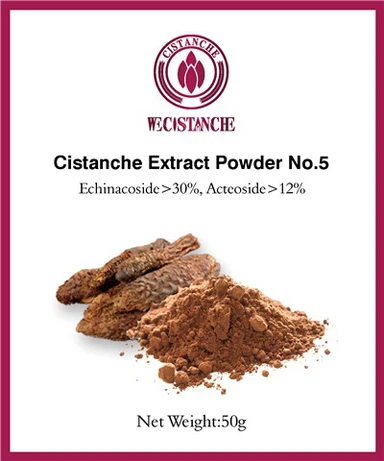
Wecistanche's cistanche powder, cistanche tablets, cistanche capsules, and other products are developed using desert cistanche as raw materials, all of which have a good effect on relieving constipation. The specific mechanism is as follows: Cistanche is believed to have potential benefits for relieving constipation based on its traditional use and certain compounds it contains. While scientific research specifically on Cistanche's effect on constipation is limited, it is thought to have multiple mechanisms that may contribute to its potential to relieve constipation. Laxative Effect: Cistanche has long been used in Traditional Chinese Medicine as a remedy for constipation. It is believed to have a mild laxative effect, which can help promote bowel movements and induce constipation. This effect may be attributed to various compounds found in Cistanche, such as phenylethanoid glycosides and polysaccharides. Moistening the Intestines: Based on traditional use, Cistanche is considered to have moisturizing properties, specifically targeting the Intestines. Promoting hydration and lubrication of the Intestines may help soften tools and facilitate easier passage, thereby relieving constipation. Anti-inflammatory Effect: Constipation can sometimes be associated with inflammation in the digestive tract. Cistanche contains certain compounds, including phenylethanoid glycosides and lignans, that are believed to have anti-inflammatory properties. By reducing inflammation in the intestines, it may help improve bowel movement regularity and relieve constipation.