Early Prevention And Early Treatment Can Keep You Away From Chronic Kidney Disease
Sep 13, 2024
As an important detoxification organ in our body, the kidney plays a vital role in maintaining the normal physiological function of the human body. However, due to various factors such as bad living habits, environmental pollution and aging, the incidence of chronic kidney disease (CKD) is increasing year by year.

Click to Cistanche for kidney diseae
Early signs of chronic kidney disease Changes in urine volume: decreased or increased urine volume, especially increased urine volume at night. Abnormal urine: foam, darker color, odor, etc. in the urine may be proteinuria or hematuria. Edema: Edema in the eyelids, face, lower limbs and other parts may be related to the decline of kidney drainage function. High blood pressure: Long-term high blood pressure will not only damage the cardiovascular and cerebrovascular system, but also increase the burden on the kidneys and lead to kidney disease. Anemia: manifested as pale complexion, fatigue, palpitations, etc. Loss of appetite: Kidney disease may lead to the accumulation of toxins in the body.
Prevention and treatment measures for chronic kidney disease
Regular physical examination: Regularly perform renal function tests to understand the health of the kidneys and promptly detect early signs of kidney disease. Control primary disease: For primary kidney disease, actively treat the primary disease and reduce the burden on the kidneys. Control risk factors: Actively control risk factors such as hypertension and diabetes to reduce the incidence of kidney disease. Rational use of drugs: Avoid drug abuse, especially drugs with kidney toxicity, to reduce the burden on the kidneys. Healthy lifestyle: Maintain a healthy lifestyle, such as a reasonable diet, moderate exercise, quitting smoking and limiting alcohol consumption. Early intervention: Once the early signs of chronic kidney disease are found, seek medical attention and receive professional treatment in a timely manner. Dialysis and kidney transplantation: For patients with more serious conditions, dialysis treatment or kidney transplantation may be required.

How Does Cistanche Treat Kidney Disease?
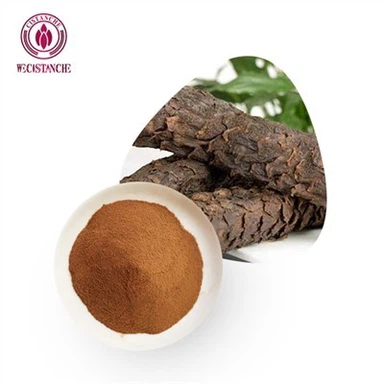
Cistanche is a traditional Chinese herbal medicine used for centuries to treat various health conditions, including kidney disease. It is derived from the dried stems of Cistanche deserticola, a plant native to the deserts of China and Mongolia. The main active components of cistanche are phenylethanoid glycosides, echinacoside, and acteoside, which have been found to have beneficial effects on kidney health.
Kidney disease, also known as renal disease, refers to a condition in which the kidneys are not functioning properly. This can result in a buildup of waste products and toxins in the body, leading to various symptoms and complications. Cistanche may help treat kidney disease ase through several mechanisms.

Firstly, cistanche has been found to have diuretic properties, meaning it can increase urine production and help eliminate waste products from the body. This can help relieve the burden on the kidneys and prevent the buildup of toxins. By promoting diuresis, cistanche may also help Reduce high blood pressure, a common complication of kidney disease.
Moreover, cistanche has been shown to have antioxidant effects. Oxidative stress, caused by an imbalance between the production of free radicals and the body's antioxidant defenses, plays a key role in the progression of kidney disease. ies help neutralize free radicals and reduce Oxidative stress, thereby protecting the kidneys from damage. The phenylethanoid glycosides found in cistanche have been particularly effective in scavenging free radicals and inhibiting lipid peroxidation.
Additionally, cistanche has been found to have anti-inflammatory effects. Inflammation is another key factor in the development and progression of kidney disease. Cistanche's anti-inflammatory properties help reduce the production of pro-inflammatory cytokines and inhibit the activation of inflammation mandatory pathways, thus alleviating inflammation in the kidneys.
Furthermore, cistanche has been shown to have immunomodulatory effects. In kidney disease, the immune system can be dysregulated, leading to excessive inflammation and tissue damage. Cistanche helps regulate the immune response by modulating the production and activity of immune cells, such as T cells and macrophages. This immune regulation helps reduce inflammation and prevent further damage to the kidneys.
Moreover, cistanche has been found to improve renal function by promoting the regeneration of renal tubes with cells. Renal tubular epithelial cells play a crucial role in the filtration and reabsorption of waste products and electrolytes. In kidney disease, these cells can be damaged, leading to damaged renal function. Cistanche's ability to promote the regeneration of these cells helps restore proper renal function and improve overall kidney health.

In addition to these direct effects on the kidneys, cistanche has been found to have beneficial effects on other organs and systems in the body. This holistic approach to health is particularly important in kidney disease, as the condition often affects multiple organs and systems. che has been shown to have protective effects on the liver, heart, and blood vessels, which are commonly affected by kidney disease. By promoting the health of these organs, cistanche helps improve overall kidney function and prevent further complications.
In conclusion, cistanche is a traditional Chinese herbal medicine used for centuries to treat kidney disease. Its active components have diuretic, antioxidant, anti-inflammatory, immunomodulatory, and regenerative effects, which help improve renal function and protect the kidneys from further damage. , cistanche has beneficial effects on other organs and systems, making it a holistic approach to treating kidney disease.