PART Ⅰ: Effect Of Cistanche Tubulosa Extracts On Male Reproductive Function in Streptozotocin-Nicotinamide-Induced Diabetic Rats
Mar 04, 2022
Contact: Audrey Hu Whatsapp/hp: 0086 13880143964 Email: audrey.hu@wecistanche.com
Zwe-Ling Kong ® Athira Johnson® Fan-Chi Ko, Jia-Ling He and Shu-Chun Cheng
Abstract: Diabetes is a chronic disorder characterized by hyperglycemia due to decreased levels of insulin or the inefficiency of the tissue to use it effectively. Infertility is known as a major outcome of diabetes and affects the male reproductive system by causing sperm impairment and gonadal dysfunction. Cistanche tubulosa is a parasitic plant that has the capacity to improve memory, immunity, and sexual ability, reduce impotence, and minimize constipation. This study was focused on the investigation of the anti-inflammatory and protective effects of echinacoside (ECH) in Cistanche tubulosa extract (CTE) on the male reproductive system of diabetic rats. The antioxidant, anti-inflammatory, and protective effects of CTE were evaluated by both in vitro and in vivo methods. The in vitro results show that the ECH inhibited reactive oxygen species (ROS) production and improved StAR, CYP11A1, CYP17A1, and HSD17p3 protein expression. The in vivo analysis was carried out with three doses of echinacoside (ECH) (80, 160, and 320 mg/kg) in CTE. In total, 0.571 mg/kg of rosiglitazone (RSG) was administered as a positive control. Diabetes was induced by streptozotocin (STZ) (65 mg/kg) and nicotinamide (230 mg/kg) in combination with a high-fat diet (45%). The in vivo studies confirmed that the ECH improved blood sugar levels, insulin resistance, leptin resistance, and lipid peroxidation. It can restore kisspeptin 1 (KiSS1), G protein-coupled receptor GPR 54, suppressor of cytokine signaling 3 (SOCS-3), and sirtuin 1 (SIRT1) messenger ribonucleic acid (mRNA) expression in the hypothalamus and recover sex hormone level. Thus, this study confirmed the antioxidant, anti-inflammatory, and steroidogenesis effects of CTE.
Keywords: diabetes; infertility; Cistanche tubulosa extract (CTE); echinacoside (ECH); anti-inflammatory activity; antioxidant activity; steroidogenesis effects
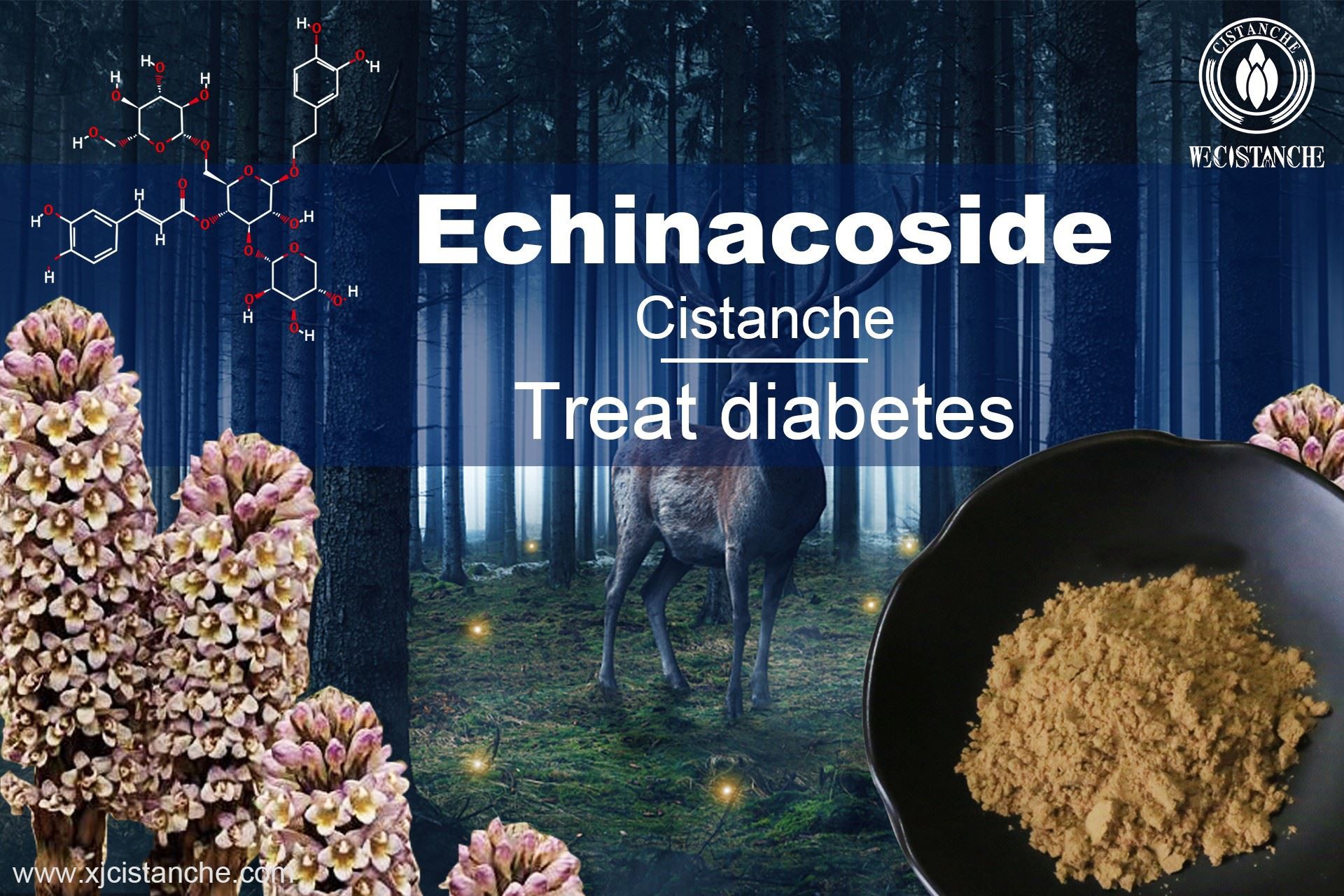
Treatment for diabetes: Cistanche tubulosa extract (CTE)
1. Introduction
Diabetes mellitus (DM) is a condition in which there are increased glucose levels in the blood due to the inefficiency of the pancreas in producing enough insulin, or the inability of the body to use it effectively. According to the WHO, the number of people with diabetes rose from 108 million in 1980 to 422 million in 2014 [1]. There are four main categories: pre-diabetes (a stage prior to diabetes), type 1 (where the pancreas fails to produce insulin), type 2 (the body fails to use insulin), and gestational diabetes (which occurs during pregnancy). Oxidative stress occurs due to the imbalance between the production of reactive oxygen species (ROS) and antioxidants [2] finally leading to the diabetic condition. The complications of diabetes include failure of the kidney, nerve damage, blindness, stroke, heart attack, fetal death, and infertility. [1]. Studies show that sperm nuclei, deoxyribonucleic acid (DNA), and mitochondria were significantly damaged in male diabetic patients [3]. Oxidative stress during the transportation of sperm will alter the process of the male reproductive system [4,5].
The process of spermatogenesis is controlled by hypothalamus-pituitary-gonadal (HPG) axis. The gonadotropin-releasing hormone (GnRH) produced by the hypothalamus stimulates the production of luteinizing hormone (LH) and follicle-stimulating hormone (FSH). Leydig cells are found adjacent to the seminiferous tubule and produce testosterone under the control of LH. FSH triggers the production of antigen-binding protein (ABP) that helps to pass the male hormone. Thus, infertility and other problems mainly arise due to the disturbances that occur in the HPG axis. Administration of the combination of streptozotocin-nicotinamide induces diabetes in experimental rats. Streptozotocin is a chemical compound toxic to insulin-producing p cells in the pancreas and nicotinamide is a water-soluble vitamin that protects the p cells from complete damage [6].
Cistanche tubulosa is a desert plant species also known as “Rou Cong-Rong" [7]. It is a non-chlorophyllic parasitic plant that grows mainly on the root of the Calotropis Procera tree and is widely distributed in the arid land of Gansu, Qinghai, Xinjiang, Mongolia, Iran, and India. The common name of Cistanche tubulosa is “Desert Hyacinth". It is widely accepted in Chinese traditional medicine and has been given the name “Ginseng of the Desert". It is widely used in the medicinal field to treat morbid leucorrhea, profuse metrorrhagia, chronic renal diseases, constipation, impotence, and infertility. Chemical constituents of Cistanche tubulosa consist of non-volatile phenylethanoid glycosides (PHGs), iridoids, lignans, volatile oils, alditols, oligosaccharides, and polysaccharides [8]. Studies show that echinacoside from this herb protects the damaged fibroblast by regulating ROS levels [9]. This compound produces antioxidant, vasorelaxation, and anti-inflammatory activities together with neuroprotection and osteoporosis prevention [10,11].
This study was aimed to investigate the effect of Cistanche tubulosa extract containing ECH on the reproductive dysfunction of the streptozotocin-nicotinamide-induced diabetic rat.

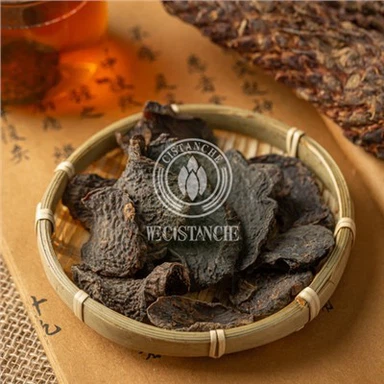
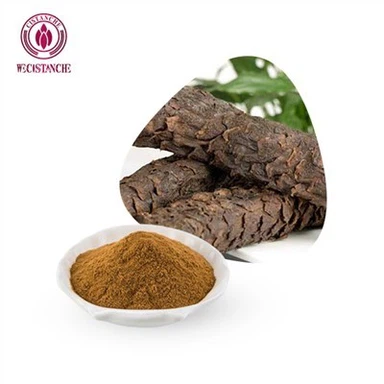
Cistanche tubulosa
2. Materials and Methods
2.1.Materials
ECH and CTE were purchased from Sinopharm Pharmaceutical Co., Ltd (Yilan, Taiwan). Advanced glycation endproducts (AGEs) were purchased from Biovision (San Francisco, CA, USA). LC-540 and TM3 cell lines were purchased from the Food Industry Research and Development Institute (Hsinchu, Taiwan). Five-week-old Sprague-Dawley (SD) male rats were purchased from the National Laboratory Animal Center (Taipei, Taiwan). Feed Lab Diet® was purchased from PMI Nutrition International, Inc. (Taipei, Taiwan). 2,2-diphenyl-1-picrylhydrazyl (DPPH) was obtained from Sigma (St. Louis, MO, USA). Methanol and 4-(2-hydroxyethyl)-1-piperazineethanesulfonic acid (HEPES) were also purchased from Sigma. Dulbecco's modified Eagle medium/F12 and trypsin-EDTA were obtained from GIBCO (New York, NY, USA). 3-(4, 5-dimethylthiazol-2-yl)-2, 5-diphenyltetrazolium bromide (MTT), dichloro-dihydro-fluorescein diacetate (DCFH-DA), dimethyl sulfoxide (DMSO), and nitroblue tetrazolium (NBT) were purchased from Sigma. Glucose enzymatic kits were obtained from Kyokutoseiyaku, Tokyo, Japan. Insulin ELISA kits were purchased from Mercodia AB Inc., Sylveniusgatan 8A (Uppsala, Sweden). T-PER Tissue Protein Extraction Reagent was acquired from Thermo Scientific (Chicago, IL, USA). Anti-Human/Mouse/Rat nuclear factor-kappa B NF-kB polyclonal antibodies were purchased from Santa Cruz Biotechnology, Santa Cruz, CA, USA. Anti-Mouse/Rat receptor for advanced glycation endproducts (RAGE) polyclonal antibodies, anti-Human/Mouse/Rat StAR polyclonal antibodies, and anti-Human/Mouse/Rat Cytochrome P450 17A1 monoclonal antibodies were purchased from Gene Tex (Irvine, CA, USA). Anti-Human/Mouse/Rat CYP11A1 polyclonal antibodies were obtained from Cell Signaling Technology (Beverly, PA, USA). The easy-Blue reagent was purchased from Invitrogen, Thermo Fisher Scientific (Carlsbad, CA, USA). Agarose and DNA marker 100 bp were obtained from Promega, Corporation (Madison, WI, USA). RNeasy Lipid Tissue Mini Kit was purchased from QIAGEN, Hilden, Germany.
2.2.Methods
2.2.1. In Vitro Analysis
LC-540 and TM3 Cell Culture: The LC-540 cell lines were cultured at 37 OC in Earle's Balanced Salt Solution (EBSS) medium supplemented with sodium bicarbonate (1.5 g/L), L-glutamine (2 mM), non-essential amino acids (0.1 mM), sodium pyruvate (1.0 mM), and fetal bovine serum (FBS) (10%) in a 5% CO2 incubator (CO2 incubator, Napco 5410, Taiwan). The TM3 cell line was cultured in Dulbecco/s modified Eagle medium (DMEM) supplemented with glucose (4.5 g/L), sodium pyruvate (0.5 mM), L-glutamine (2.5 mM), sodium bicarbonate (1.2 g/L), 4-(2-hydroxyethyl)-1-piperazineethanesulfonic acid (HEPES, 15 mM), and fetal calf serum (FCS, 10%) or horse serum (5%) at 37 OC in a 5% CO2 incubator.
Determination of the Cell Viability of Echinacoside (ECH): 3-(4, 5-dimethylthiazol-2-yl)-2,5- diphenyltetrazolium bromide (MTT) reagent was used for cell viability assay. The cell concentration was adjusted to 2 x 10⁵ cells / mL in a 96-well plate. Then, 20 卩L of ECH (diluted in 2% of medium) was added and incubated for 24 h at 37 OC in a 5% CO2 incubator. Later, 100 卩L of MTT reagent was added and incubated for 4hat37 OC under dark conditions. The absorbance was measured at 570 nm (ELISA reader, Dynatech MR5000, Kloten, Switzerland).
Restive CeH viabiHiy (%) = [(Asample at 570 nm — Ablank at 570 nm)]/[(Acontrol at 570 — Ablank at 570)] x 100.
Nitroblue Tetrazolium (NBT) Reduction Assay and 2,2-diphenyl-1-picrylhydrazyl (DPPH) Assay: The number of cells was adjusted to 1x 10⁶ cells/mL. Then, 50 mg/mL of ECH, resveratrol (RES), and advanced glycation end-products (AGEs) (control) were added and co-cultured for 18 h at 37OC. Then, 0.3 mL ofNBT solution (0.1 mg/mL NBT, 5% FBS, and 3% dimethyl sulfoxide (DMSO) dissolved in 10 mL DMEM) was added and incubated at 37 OC in 5% CO2 for 1 h. After centrifugation (at 800 x g for 3 min) the supernatant was removed and 200 卩L DMSO was added and shaken for 5 min in an ultrasonic oscillator (Delta Ultrasonic Cleaner D 200, Keelung, Taiwan). The absorbance was measured at 630 nm. For DPPH radical assay, Trolox (in 95% alcohol) was taken as the standard. Then, 75 卩L of 0.5 mM DPPH solution was mixed with 25 卩L of samples and allowed to react at room temperature in a dark place for 30 min. The mixture was shaken and the absorbance was measured at 517 nm.
Reactive Oxygen Species (ROS) Content Analysis: The cell number was adjusted to 2 x 10⁵ cells/mL in a 12-well plate containing 2% FBS. Then, 50 卩L/mL of ECH, RES, and AGEs were added to the plate and incubated at 37 OC for 24 h. After 24 h, 2Z,7Z-dichlorofluorescein-diacetate (DCFH-DA) was added and incubated at 37 OC for 30 min. After centrifugation (400x g, 5 min), the supernatant was removed and the cells washed twice with phosphate-buffered saline (PBS). After cells were suspended in 1 mL of PBS and the levels of ROS were determined by using a flow cytometer (Flow Cytometer, Becton Dickinson, CA, USA).
Identification and Quantitative Analysis of Protein: Proteins were extracted by using protein extraction reagent (T-PER). The cell density was adjusted to 2 x 10⁵ cells/ml in a 12-well plate and 50 卩L/mL of ECH, RES, and a receptor for the advanced glycation endproduct (RAGE) antagonist, and AGEs were added and incubated at 37 OC in a 5% CO2 incubator for 24 h. After, 400 卩L of T-PER were added, scraped off the cells, and centrifuged at 125,000x g for 20 min (4 OC). The supernatant was collected and stored at -80 OC (-80 OC freezer, Nuaire, Plymouth, MN, USA) for further analysis. Bicinchoninic acid (BCA) kit was used for protein quantification. Then, 10 卩L of standard cell solution and 200 RL of BCA reagent were added to 8-well plates and incubated at 37 O Cin a 5% CO2 incubator for 30 min. The absorbance was measured at 562 nm. Protein identification analysis was performed by sodium dodecyl sulfate (SDS)-polyacrylamide gel (SDS-PAGE) electrophoresis. Samples were prepared by adding protein lysate to protein loading buffer and western blot analysis was performed to detect the specific proteins.
2.2.2.In Vivo Analysis
Animal Model Design: Sixty 4-week-old male Sprague-Dawley (SD) rats were purchased from the National Laboratory Animal Center (Taipei, Taiwan). Each rat was housed individually in disinfectant stainless steel cages under controlled temperature (23 土 1 °C) and humidity (40-60%) with a 12 h light/12 h dark cycle. Food and water were provided ad libitum. Each rat was domesticated in the first week and given laboratory rodent diet 5001 as the main diet. All procedures followed the standard of Institutional Animal Care and Use Committee (IACUC Approval No. 101026) of the National Taiwan Ocean University, Taiwan. After domestication, rats were divided into two groups: the control group (Con) that was fed with lab diet 5001, and the diabetic group that was fed with a high-fat diet (HFD, 40%) for the entire experiment. After being fed with the HFD for 4 weeks, the diabetic group rats were injected with streptozotocin (65 mg/kg) (STZ) to induce diabetes mellitus (DM). Within 15 min of injecting STZ, nicotinamide (230 mg/Kg Body Weight) was injected. A week after injection, an oral glucose tolerance test (OGTT) was conducted to determine the successful induction of diabetic Mellitus (DM). After that, the animals were divided into six groups: the control (fed with lab diet 5001); DM group (DM + 45% HFD); DMR group (DM + rosiglitazone: 0.571 mg/kg BW) + 45% HFD; DME1 group (DM + CTE: 80 mg/kg BW) + 45% HFD; DME2 group (DM + CTE: 160 mg/kg BW) + 45% HFD; and DME4 group (DM + CTE: 320 mg/kg BW) + 45% HFD. Rosiglitazone (RSG) was taken as the positive control. Three doses of CTE (80, 160, and 320 mg/kg) were used according to the recommendation of the Taiwan Food and Drug Administration (TFDA) health food functional evaluation guidelines. Treatments were given until the end of the experiment. All experimental rats were sacrificed after 6 weeks. The blood was collected from the rats was centrifuged at 3000 rpm for 15 min at 4 °C.
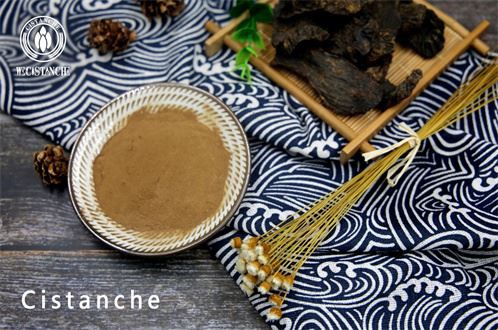
Mian effective ingredients of cistanche tubulosa
The supernatant was examined for the following analysis
Total Glucose, Triglyceride, and Cholesterol Determination: The glucose determination was carried out by glucose enzymatic kits. Then, 20 of blood plasma samples were added to the reagents and kept at 37 °C for 5 min. The total triglycerides and total cholesterol concentration were determined by using triglyceride and cholesterol enzymatic kits. Then, 10 ^L of blood plasma were added to the reagents and the experiment was conducted according to the manufacturer's instruction. The absorbance was measured at 510 nm.
Plasma total glucose/triglyceride/cholesterol (mg/dL)=(-ABlank)/(Astandard - ABlank) x 200.
A sample: Absorbance of blood samples, ABlank: Absorbance value of kits without a sample, A standard: Absorbance value of the standard reagent, 200: standard reagents at a concentration of 200 mg/dL.
Insulin, Leptin, and Homeostatic Model Assessment-Insulin Resistance (HOMA-IR) Determination: The insulin level was determined by insulin ELISA kits. Here, 25 of blood plasma were added to the reagents and the absorbance was measured at 450 nm. Total leptin content was determined by using a leptin enzyme immunometric assay kit. Then, 100 plasma were analyzed and the absorbance was measured at 450 nm using an ELISA reader. The whole experiment was conducted according to the manufacturer's instruction. The HOMA-IR value was determined from the homeostasis model assessment equation = Fasting plasma insulin concentration (mU/mL) x fasting plasma glucose concentrations (mmol/L)/22.5.
Plasma Lipid Peroxidation: Here, 0.5 mL of blood plasma were mixed with 1 mL of reagent (15%, w/v trichloroacetic acid in 0.25 N hydrochloric acids (HCl) and 0.375%, w/v thiobarbituric acid in 0.25 N HCl) and placed in a water bath (Water Bath, BUCHI461, Zurich, Switzerland) at 100 ° C for 15 min. After cooling, 1 mL of n-butanol was added, shaken vigorously, and centrifuged at 1500 x g for 10 min. The supernatant was collected and the absorbance was measured at 532 nm [12].
Malondialdehyde (MDA) concentration (nM/mL) = [(ASample at532 nm - Ablank at532 nm)/ (Astandard at 532 nm - Ablank at 532 nm)] x 5.
Determination of Plasma Testosterone and Luteinizing Hormone (LH) Levels: The testosterone ELISA kit was used to measure the level of testosterone in the blood plasma. RIA kit was used to determine the LH concentration. Then, 50 卩L of plasma was added and the calculations were based on the concentration of the hormone LH-RP-3 (standard). The further steps were conducted according to the manufacturer's instructions.
Determination of Tumor Necrosis Factor (TNF)-a and Interleukin-6 (IL-6) Concentration: The captured antibody was diluted 250 times in coating buffer, added to a 96-well plate (100 卩L/well), and kept at4 ° C for overnight. The supernatant was aspirated and washed five times with washing buffer (1 time PBS, 0.05% Tween 20). After incubation (1 h) with 200 ^g of assay diluent, the cells were washed 5 times with washing buffer and 100 ^L of TNF-a standard solution or test samples were added to each well and incubated for 2 h. After washing, 100 RL of IL-6 detected antibodies were added and incubated for 1hat room temperature. The supernatant was aspirated and washed 5 times. Then, 480 RL of enzyme avidin-horseradish peroxidase (HRP) were added and incubated for 30 min at room temperature. The supernatant was aspirated and washed five times with washing buffer. Then, 100 RL of substrate solution were added and incubated for 15 min at room temperature. Later, 50 RL of stop solution (1M phosphoric acid) were added to each well and the absorbance was measured at 450 nm.
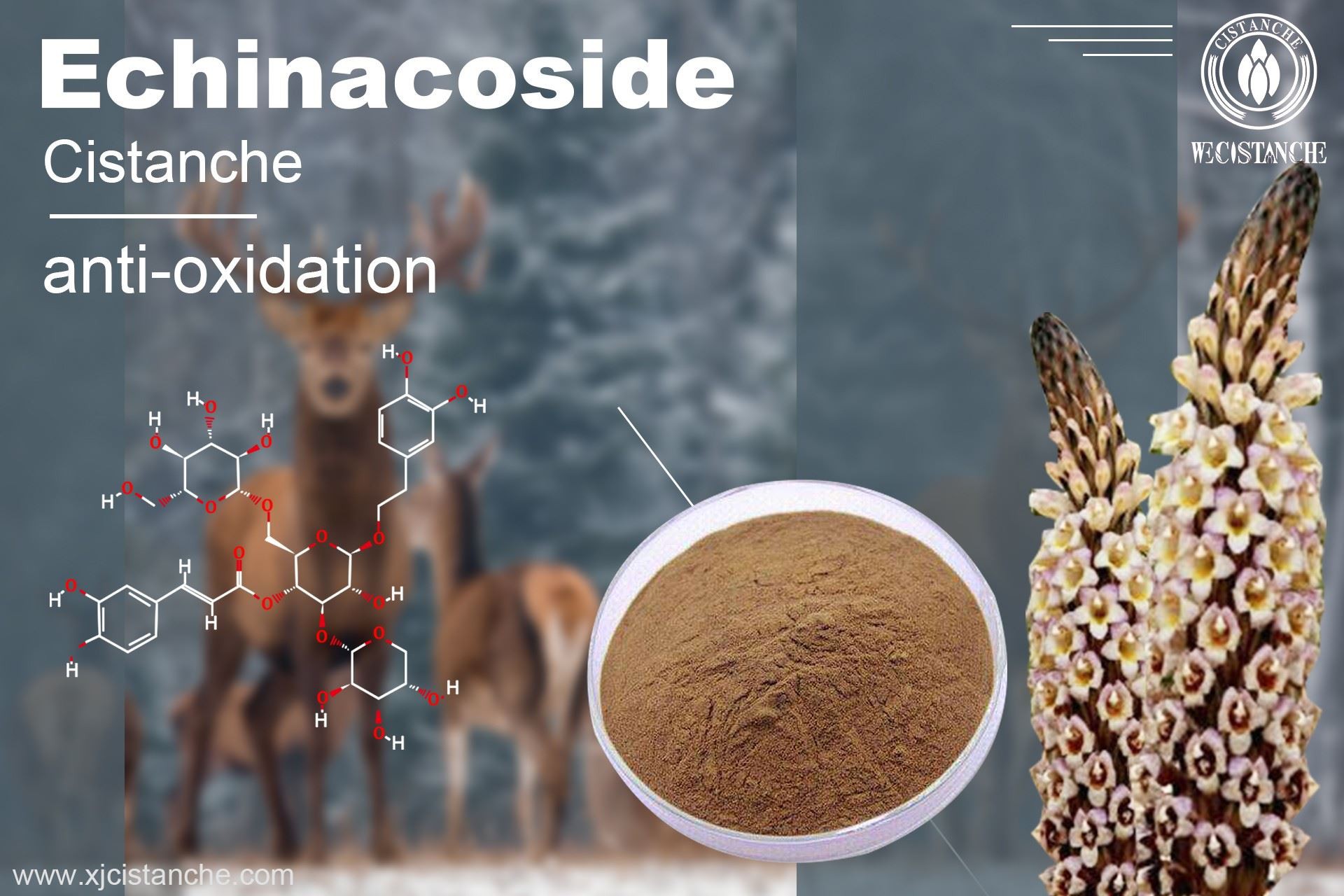
The benefit of Cistanche Echinacoside: Anti-oxidation
Analysis of Sperm and Testis Parameters
Sperm Sample Collection: The sperm sample collection was performed according to the method previously reported in [13]. The sperm were collected from the supernatant and used for further analysis.
The Number of Sperm, Sperm Motility, and Abnormal Sperm: The number of sperm was calculated using the hemocytometer and trypan blue solution. Then, 100 RL of sperm liquid were mixed with trypan blue solution, and the number of sperm, motility, and abnormal sperm were calculated using a hemocytometer and microscope [14].
Nitro blue Tetrazolium NBT Reduction and Lipid Peroxidation of Sperm and Testis: The lipid peroxidation and NBT reduction were analyzed according to the same procedure of plasma analysis.
Determination of Superoxide Dismutase (SOD) and Catalase Activity: Superoxide dismutase (SOD) activity was analyzed by using the RANSEL kit. Here, 0.05 mL of testicular homogenates were added to 1.7 mL of reaction solution (0.05 mM xanthine, 0.025 mM 2-(4-iodophenyl)- 3-(4-nitrophenol)-5-phenyltetrazolium chloride (INT)). After mixing, 0.25 ml xanthine oxidase (80 U/L) was added and reacted at room temperature for 30 s at room temperature. The absorbance was measured at 505 nm. The protein concentration of the testicular homogenate was determined by Bio-Rad DC protein assay kit and its specific activity (U/mg protein) was calculated. The catalase (CAT) activity was determined according to a previously reported method [15].
H&E (Hematoxylin and Eosin) Staining
The testis was soaked in 10% of formalin for 24 h and stored at 4 ° C. Sliced the tissues into the micro size and attached to the slide. After fixation (95% methanol + 5% acetic acid), the slides were immersed in hematoxylin for 3 min, washed with running water for 5 min, and then soaked them with 50%, 70%, and 90% alcohol for one minute. After that, the slides were stained with eosin for 10 s and soaked in 100% alcohol for one minute until it faded. Finally, the slide was soaked in xylene for one minute. Later, the slide was air-dried and sealed. The stained tube was placed in an inverted phase-contrast microscope (Inverted Phase Difference Microscope, Olympus CK-2, Tokyo, Japan) to observe the morphology.
Analysis of the Hypothalamus
The mouse KISS1, G-protein coupled receptor (GPR) 54, suppressor of cytokine signaling 3 (SOCS-3), and sirtuin 1(SIRT1) gene sequences were identified from the NCBI (National Center for Biotechnology Information) gene database and a specific primer was designed using Primer 5.0 PREMIER Biosoft, Palo Alto, CA, USA.). The primers used in the experiment are listed in Table 1.

Extraction of Ribonucleic acid (RNA) from the Hypothalamus. The extraction of RNA from the hypothalamus of the brain was carried out by using the RNeasy Lipid Tissue Mini Kit. The obtained mRNAs were quantitatively measured by reverse transcription (RT) and polymerase chain reaction (PCR). The compliment DNA obtained from RT analysis was stored at -20 °C for later use. The extracted DNA was subjected to polymerase chain reaction (PCR) analysis using Taq polymerase. Then, 5~10 ^L of the PCR product were taken and analyzed by electrophoresis on a 1.5% agar colloid. The image was taken in a UVP BioDoc-It imaging system. Reverse-transcribed complementary deoxyribonucleic acid (cDNA)was taken and PCR was performed using the IQ SYBR Green Supermix Kit. Later, it was analyzed with iQTM 5 Optical System Software. Proteins were extracted by using a protein extraction reagent (T-PER). Then, 20 mg of testicular homogenate were added to 400 ^L of T-PER and centrifuged (High Speed Centrifuge, Hettich CR-12, Tuttlingen, Germany) at 4 °C (125,000 x g) for 20 min. The following method was similar to" identification and quantification analysis of protein" in vitro analysis.
2.3.Statistical Analysis
The experimental results were expressed as the mean 土 standard deviation (Mean 土 SD) and the data were analyzed using Statistical Product & Service Solutions (SPSS) 11.0 software, IBM, Armonk, New York, NY, USA. The differences between the groups were analyzed by one-way analysis of variance (ANOVA). Multiple comparisons of different groups were analyzed by Duncan's test at the value of p < 0.05 as the significant level.