Elderly People Need To Be Careful! Constipation Is The Silent Killer ! Excessive Bowel Movements May Be Life-threatening!
Nov 14, 2023
Surveys show that the incidence of constipation in people over 65 years old is as high as 30% to 40%. It is more common in women than men and is four times more common in men. With this high incidence, preventing and alleviating constipation is particularly important. For the average person, constipation does not pose a fatal risk. But it becomes a potentially fatal risk factor for the elderly.

Click to best laxative for constipation
The impact of constipation on the elderly!
1. Cause anorectal diseases. Long-term dry stools and laborious defecation in the elderly can directly cause or aggravate anorectal diseases, such as anal fissures, hemorrhoids, perianal abscesses, rectal prolapse, etc. These diseases can lead to more difficult and painful defecation, and even serious consequences such as bleeding, infection, and necrosis.
2. Cause intestinal obstruction. The intestinal motility function of the elderly is relatively weak, which is also the main reason for the formation of constipation, which causes feces to accumulate in the intestines and form "bezoars" over time. Bezoars can block the intestines and cause symptoms such as abdominal distension, abdominal pain, and vomiting. In severe cases, they can cause intestinal necrosis or perforation, which is life-threatening.
3. Induce cardiovascular and cerebrovascular diseases. Elderly people often suffer from diseases such as hypertension, arteriosclerosis, and coronary heart disease. Excessive straining during defecation can lead to physiological changes such as increased blood pressure, accelerated heart rate, and increased myocardial oxygen consumption. These changes will increase the burden and risks of cardiovascular and cerebrovascular diseases and may induce dangerous events such as angina pectoris, myocardial infarction, cerebral hemorrhage, stroke, and sudden death.
4. Increase the risk of colon cancer. Long-term constipation will prolong the residence time of harmful substances (such as carcinogens) in the colon, increase the contact time with the colon mucosa, and stimulate the colon mucosa to undergo cancer. According to data, about 10% of people with severe constipation develop colon cancer.
5. Affect physical and mental health. Habitual constipation in the elderly, especially stubborn constipation, will bring many uncomfortable symptoms to the elderly, such as loss of appetite, fatigue, poor sleep severe insomnia, anxiety, depression, etc. These symptoms will affect the quality of life and mental state of the elderly, and reduce immunity and resistance.

Why do the elderly become constipated?
1. The physiological functions of the elderly gradually decline, organ functions undergo physiological decline, teeth loosen and fall off, intestinal peristalsis decreases, intestinal nerve sensitivity decreases, and the anal sphincter relaxes, which can easily lead to constipation.
2. The digestive function of the elderly also weakens, and they often have various chronic diseases, old age and physical weakness, insufficient food intake or reduced exercise, long-term bed rest, etc., which can cause weakened gastrointestinal motility, slow passage of intestinal contents, and loss of water in the feces. Excessive absorption can easily lead to dry stool.
3. Bad eating habits, such as the elderly who only eat easy-to-digest foods after losing their teeth, reducing the intake of foods rich in fiber, gastrointestinal dysfunction, intestinal flora imbalance, etc. can lead to constipation.
4. The elderly are prone to constipation due to declining physical functions and weak Qi and blood.
What is chronic constipation in the elderly
Constipation is a common disease in the elderly, usually characterized by reduced bowel movements, dry and hard stools, and/or difficulty in defecation. Decreased bowel movement refers to <3 bowel movements per week. Difficulties in defecation include difficulty in defecation, a sense of anorectal blockage, a feeling of incomplete defecation, time-consuming defecation, and the need for manual assisted defecation. Depending on the course or onset of the disease, it can be divided into acute and chronic constipation. It is generally considered that the disease duration is 6 months or more as chronic constipation. According to research statistics, the incidence of constipation among people over 60 years old in China is as high as 13%-37.3%.
How to Treat Chronic Constipation in the Elderly
Chronic constipation in the elderly is related to reduced dietary fiber and fluid intake. Many chronic constipation guidelines around the world regard lifestyle adjustments such as increasing dietary fiber, drinking water, and increasing exercise as basic treatment measures for chronic constipation. In addition, the morning rising reflex can also be used to promote colon movement and help produce bowel movements.
Director Pan introduced that drug treatment is also an effective way to relieve constipation. Among them, volumetric laxatives have a laxative effect by retaining water in the feces and increasing the water content and volume of the feces. Commonly used drugs include psyllium, calcium polycarbophil, and wheat bran. Stimulant laxatives can be used short-term and intermittently as a remedy for severe constipation. Microbial preparations can be used as one of the treatment options for patients with chronic constipation. Traditional Chinese medicine has a certain effect on improving the symptoms of chronic constipation.
How to prevent chronic constipation in the elderly
01 diet modification
The elderly should maintain a balanced diet and consume more fiber-rich foods, such as vegetables, fruits, whole-wheat bread, etc. At the same time, reduce the intake of high-calorie, high-fat, and high-sugar foods to reduce the risk of constipation.
02 increase exercise
The elderly should increase the amount of exercise, especially stretching and strength exercises, such as walking, Tai Chi, yoga, etc., which can help promote intestinal peristalsis and relieve constipation symptoms.

03 Regular bowel movements
Elderly people should develop the habit of regular bowel movements and defecate at the same time every day to form a conditioned reflex and help maintain intestinal health. At the same time, avoid squatting on the toilet for a long time to avoid aggravating constipation symptoms.
04 Hydration
The elderly should pay attention to replenishing enough water in time, especially those with high blood pressure and heart disease. Adequate water helps soften stool and prevent constipation.
05 Avoid drug abuse
The elderly should avoid abusing drugs, especially some painkillers and cold medicines that contain ingredients with serious side effects to avoid causing discomfort. If necessary, please take medication under the guidance of a doctor.
06 healthy lifestyle
Elderly people should pay attention to maintaining a healthy lifestyle, regular work and rest, and avoiding bad habits such as staying up late, smoking, drinking, etc. At the same time, maintain a good mentality and mood and avoid excessive anxiety and stress.
Natural Herbal Medicine For Relieving Constipation-Cistanche
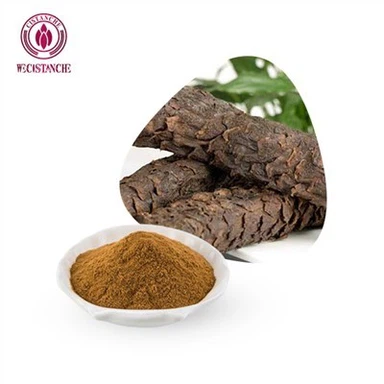
Cistanche is a genus of parasitic plants that belongs to the family Orobanchaceae. These plants are known for their medicinal properties and have been used in Traditional Chinese Medicine (TCM) for centuries. Cistanche species are predominantly found in arid and desert regions of China, Mongolia, and other parts of Central Asia. Cistanche plants are characterized by their fleshy, yellowish stems and are highly valued for their potential health benefits. In TCM, Cistanche is believed to have tonic properties and is commonly used to nourish the kidney, enhance vitality, and support sexual function. It is also used to address issues related to aging, fatigue, and overall well-being. While Cistanche has a long history of use in traditional medicine, scientific research on its efficacy and safety is ongoing and limited. However, it is known to contain various bioactive compounds such as phenylethanoid glycosides, iridoids, lignans, and polysaccharides, which may contribute to its medicinal effects.

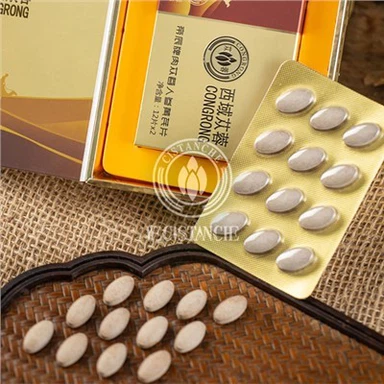
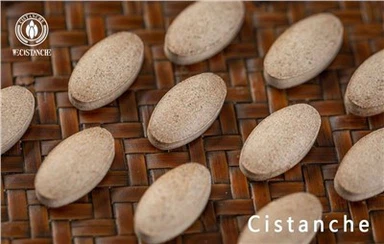
Wecistanche's cistanche powder, cistanche tablets, cistanche capsules, and other products are developed using desert cistanche as raw materials, all of which have a good effect on relieving constipation. The specific mechanism is as follows: Cistanche is believed to have potential benefits for relieving constipation based on its traditional use and certain compounds it contains. While scientific research specifically on Cistanche's effect on constipation is limited, it is thought to have multiple mechanisms that may contribute to its potential to relieve constipation. Laxative Effect: Cistanche has long been used in Traditional Chinese Medicine as a remedy for constipation. It is believed to have a mild laxative effect, which can help promote bowel movements and induce constipation. This effect may be attributed to various compounds found in Cistanche, such as phenylethanoid glycosides and polysaccharides. Moistening the Intestines: Based on traditional use, Cistanche is considered to have moisturizing properties, specifically targeting the Intestines. Promoting hydration and lubrication of the Intestines may help soften tools and facilitate easier passage, thereby relieving constipation. Anti-inflammatory Effect: Constipation can sometimes be associated with inflammation in the digestive tract. Cistanche contains certain compounds, including phenylethanoid glycosides and lignans, that are believed to have anti-inflammatory properties. By reducing inflammation in the intestines, it may help improve bowel movement regularity and relieve constipation.