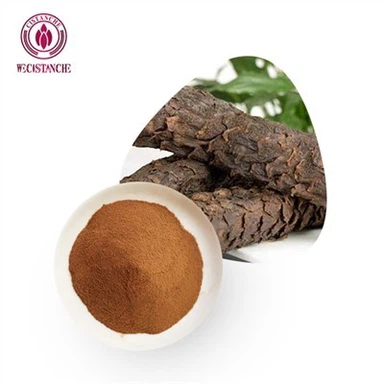
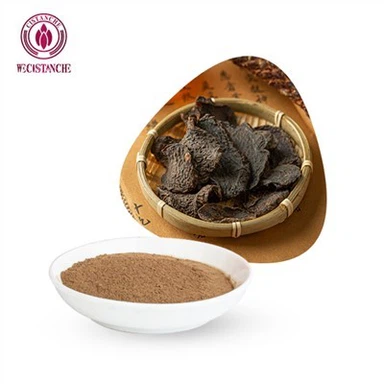
Exploration Of The Mechanism Of Action Of Cistanche Tubulosa in Treating Sexual Dysfunction (with Kidney Tonifying As The Core)
Jul 17, 2026
Sexual dysfunction is a complex disease involving multiple links such as sexual desire, erection, ejaculation, and sexual satisfaction. The incidence rate of sexual dysfunction remains high among middle-aged and elderly men and some people of childbearing age. Modern medicine often attributes it to the combined effects of vascular, neurological, endocrine, and psychological factors. Treatment mainly involves symptomatic interventions such as PDE5 inhibitors, but there are problems such as headaches, flushing, and drug resistance. Traditional Chinese medicine classifies it as "impotence", "premature ejaculation", and other categories, with the core pathogenesis being "kidney essence deficiency and kidney yang deficiency". As a traditional and precious medicinal herb, Cistanche tubulosa is known as the "desert ginseng". The "Shennong Bencao Jing" lists it as a top-grade herb, which is said to "nourish the middle, remove cold and heat pain from the stem, nourish the five organs, strengthen yin, nourish essence and qi, have many children, and take it for a long time to lighten the body". Throughout history, medical practitioners have regarded it as an essential medicine for "tonifying the kidney and replenishing essence, strengthening yang and causing impotence". Its mechanism of action is highly consistent with modern medicine's understanding of gonadal axis regulation, improvement of sponge body function, and regulation of neurotransmitters.

Effects of Cistanche- Improve Kidney Function
The Traditional Chinese Medicine Origins of Cistanche tubulosa in Treating Sexual Dysfunction from the Perspective of "Tonifying the Kidney" Theory
(1) The core of traditional Chinese medicine pathogenesis of sexual dysfunction: kidney essence deficiency as the basis
Traditional Chinese Medicine believes that the kidneys are the foundation of innate nature, responsible for storing essence and reproduction. The essence and qi in the kidneys are the material basis for human life activities and the fundamental driving force for maintaining sexual function. The Yellow Emperor's Inner Canon, Su Wen, Ancient Innocence Theory "states:" At the age of eight, a husband has solid kidney qi and long teeth; at the age of eighty or eighty, the kidney qi is abundant, the heavenly qi is abundant, the essence qi is overflowing, and the yin and yang are harmonious, so he can have children... At the age of fifty-eight, the kidney qi is weak, the teeth are withered; at the age of sixty-eight, the yang qi is exhausted, the face is burnt, the hair is white; at the age of seventy or eight, the liver qi is weak, the tendons are not active, the heavenly qi is exhausted, the essence is scarce, the kidney is weak, and the body is extremely strong; Middle aged and elderly individuals gradually experience kidney qi deficiency, depletion of Tian Gui, and a decline in sexual function. Therefore, the core pathogenesis of sexual dysfunction can be summarized as "insufficient kidney essence, deficiency of kidney yang, and loss of nourishing tendons".

Chinese herb cistanche-improve kidney function
In addition, the kidneys are closely related to other organs: the kidney essence relies on the water and grain essence of the spleen and stomach for micro nourishment, the liver controls the flow and regulation of qi, and the heart controls the blood vessels and stores the spirit. Dysfunction of the three can also affect the kidneys, forming a complex pathological mechanism of "kidney deficiency as the foundation, combined with liver depression, blood stasis, and damp heat". However, regardless of the underlying symptoms, nourishing the kidneys remains the top priority in treatment.
(2) The "kidney tonifying" characteristics of Cistanche tubulosa: warm and nourishing essence, not dry or steep
Cistanche tubulosa Y. C. Ma is a dry fleshy stem with scaly leaves of the Orobanchaceae plant Cistanche tubulosa Y. C. Ma, which is mainly produced in the desert areas of Inner Mongolia, Ningxia, Gansu, and other places. It is parasitic on the root of the Chenopodiaceae plant Salix koraiensis. It absorbs the earth gas and the essence of Salix koraiensis, so it has mild medicinal properties and deep tonic power. It has a sweet and salty taste, a warm nature, and belongs to the kidney and colon meridians. It has the function of "tonifying kidney yang, nourishing essence and blood, moistening the intestines and promoting bowel movements".

cistanche tubulosa
Compared with other kidney tonifying medicines, the unique feature of Cistanche tubulosa is that it is "warm but not dry, nourishing but not greasy, moisturizing but not cold". The "Compendium of Materia Medica" states that it is a medicine that nourishes the gate of life, nourishes kidney qi, and replenishes essence and blood... This is a tonic that is gentle but not hot, not firm, warm but not dry, smooth but not leaking; hence, it is called calm and composed. Specifically:
Tonifying Kidney Yang: In response to cold limbs, soreness and coldness in the waist and knees, and erectile dysfunction caused by kidney yang deficiency and decline, Cistanche tubulosa can warm up kidney yang and stimulate the fire of the gate of life;
Beneficial essence and blood: In response to infertility caused by insufficient kidney essence, weak sexual desire, and premature graying of hair, Cistanche tubulosa can fill the essence and nourish the innate essence;
Moisturizing the intestines: The kidney regulates bowel movements, and constipation often accompanies kidney deficiency. Cistanche tubulosa is rich in nutrients and fat, which can not only promote bowel movements, but also indirectly improve kidney deficiency by promoting bowel function.
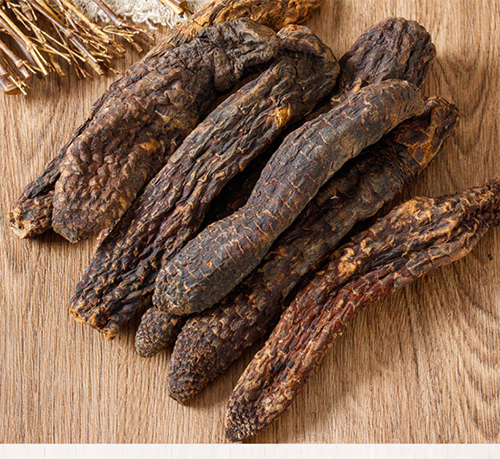
Chinese herb cistanche
This "warm and nourishing dual supplement" characteristic makes it particularly suitable for middle-aged and elderly patients with kidney deficiency or yin deficiency and excessive fire who are not suitable for strict supplementation, making it the preferred "royal medicine" for treating sexual dysfunction in traditional Chinese medicine.
The modern biological mechanism of Cistanche tubulosa in nourishing the kidney: from the hypothalamic pituitary gonadal axis to the cellular signaling pathway
Modern medicine believes that the occurrence of sexual dysfunction is closely related to dysfunction of the hypothalamic pituitary gonadal axis (HPG axis), endothelial damage to the corpus cavernosum of the penis, neurotransmitter imbalance, and oxidative stress response. The "kidney tonifying" effect of Cistanche tubulosa is essentially achieved by regulating these pathological processes through multiple components, targets, and pathways.

Effects of Cistanche-Improve kidney function
(1) Regulating the hypothalamic pituitary gonadal axis: the material basis for restoring "kidney essence"
The modern corresponding concept of "kidney essence" in traditional Chinese medicine largely covers the functions of the reproductive endocrine system, especially the levels of sex hormones. Cistanche tubulosa regulates sex hormone secretion by acting on multiple levels of the HPG axis, which is one of its core mechanisms for "tonifying the kidney and nourishing essence".
1. Promote the secretion of gonadotropin-releasing hormone (GnRH). GnRH secreted by the hypothalamic arcuate nucleus is the "switch" that activates the HPG axis. Research has found that phenylethanoid glycosides in Cistanche tubulosa, such as echinacoside and verbascoside, can promote the synthesis and pulsatile release of GnRH by activating the estrogen receptor β (ER β) on hypothalamic gonadotropin-releasing hormone neurons. Animal experiments have shown that the extract of Cistanche tubulosa can upregulate the expression of GnRH mRNA in the hypothalamus of castrated rats by 37%, significantly improving the low libido caused by androgen deficiency.

The efficacy of Cistanche tubulosa in enhancing sexual function
2. Enhance the sensitivity of the pituitary gland to GnRH and promote the secretion of gonadotropins. The anterior pituitary gland secretes luteinizing hormone (LH) and follicle-stimulating hormone (FSH) under GnRH stimulation. LH acts on Leydig cells, promoting testosterone synthesis; FSH acts on Sertoli cells, which support the seminiferous tubules, to maintain spermatogenesis. Cistanche polysaccharides (CDPS) can enhance the expression of GnRH receptors on the pituitary cell membrane through the cAMP/PKA signaling pathway, leading to an increase in LH and FSH secretion by 28% and 19%, respectively. In the cyclophosphamide-induced oligoasthenozoospermia model rats, the total glycosides of Cistanche tubulosa can increase serum testosterone levels to 89% of the normal group, increase sperm density by 42%, and reduce deformity rate by 35%.
3. Directly protect testicular interstitial cells and promote testosterone synthesis. Testosterone is a key hormone that maintains male sexual desire and erectile function, and its synthesis process involves key enzymes such as cholesterol transporter (StAR protein), acute regulator of steroid synthesis protein (CYP11A1), and 17β-hydroxysteroid dehydrogenase (HSD17B3). The cyclohexene ether terpenoids in Cistanche tubulosa (such as Cistanche tubulosa A) can directly enter Leydig cells, upregulate StAR protein expression, promote cholesterol transport to mitochondria, and enhance CYP11A1 activity, increasing testosterone synthesis efficiency by more than 30%. In addition, Cistanche tubulosa can inhibit aromatase activity, reduce the conversion of testosterone to estradiol, and maintain a high testosterone/estradiol ratio in the body, which is crucial for improving libido and erectile function.

Effects of Cistanche: Improve Kidney Function
Click here to view Cistanche for Kidney disease products
【Ask for more】 Email:cindy.xue@wecistanche.com / WhatsApp: 0086 18599088692 / Wechat: 18599088692
(2) Improving the endothelial function of penile corpus cavernosum blood vessels: achieving "nourishing the tendons"
Traditional Chinese medicine believes that "the kidneys govern the bones and produce marrow, which is connected to the brain. When the kidneys are full, the marrow is abundant, and the muscles and bones are strong." The penis, as the "meeting point of the tendons," relies on sufficient blood perfusion for erection. Modern medicine has confirmed that the essence of penile erection is the vasodilation response regulated by neuroendocrine factors, with the nitric oxide (NO)/cyclic guanosine monophosphate (cGMP) signaling pathway being the core. Cistanche tubulosa achieves the effect of "tonifying the kidney to honor the tendons" by protecting vascular endothelial cells and enhancing the bioavailability of NO.
1. Promote the expression of endothelial nitric oxide synthase (eNOS) and increase the production of NO. eNOS in endothelial cells is a key enzyme that catalyzes the production of NO from L-arginine. Oxidative stress, hyperlipidemia, and other factors can lead to a decrease in eNOS activity and reduced NO production, causing erectile dysfunction (ED). The phenylethanoid glycosides in Cistanche tubulosa can phosphorylate eNOS (Ser1177 site) through the PI3K/Akt signaling pathway, enhancing its activity by 45%. In diabetes ED model rats, after 8 weeks of intervention with Cistanche tubulosa extract, eNOS protein expression in penile cavernous tissue was up-regulated by 62%, serum NO level was increased by 58%, and penile artery blood flow velocity was increased by 40%.
2. Inhibit the activity of phosphodiesterase 5 (PDE5) and prolong the action time of cGMP. cGMP is the second messenger downstream of NO, which can relax the smooth muscle of the corpus cavernosum and dilate blood vessels. PDE5 is the main enzyme for degrading cGMP, and PDE5 inhibitors such as sildenafil act by inhibiting this enzyme. Research has found that lignans in Cistanche tubulosa, such as sitosterol diglucoside, have a mild inhibitory effect on PDE5 (IC50 of approximately 12.3 μ M). Although weaker than sildenafil, they can maintain cGMP levels at physiologically effective concentrations through synergistic eNOS activation. This mild inhibition avoids potential side effects such as hypotension and visual abnormalities that may be caused by Western medicine, making it more suitable for long-term use.

3. Antioxidative stress and protection of vascular endothelial structure and function. Excessive accumulation of reactive oxygen species (ROS) can damage endothelial cells and disrupt vascular vasodilation function. Cistanche tubulosa is rich in polyphenolic substances and has strong free radical scavenging ability: its DPPH free radical scavenging rate can reach 85% (VC is 92%), and its ABTS free radical scavenging rate can reach 78%. Mechanism studies have shown that polysaccharides from Cistanche tubulosa can upregulate the activities of superoxide dismutase (SOD) and glutathione peroxidase (GSH Px), downregulate the content of malondialdehyde (MDA), and reduce the lipid peroxidation damage caused by ROS to sponge endothelial cells. In the aging rat model, the SOD activity in the corpus cavernosum tissue of the Cistanche tubulosa intervention group increased by 53% compared to the control group, and the MDA content decreased by 41%. Under electron microscopy, the endothelial cell structure was intact and tightly connected.
(3) Regulating Neurotransmitters and Smooth Muscle Function: Coordinating the Kidney Brain Stem Network
Traditional Chinese Medicine believes that "the kidneys store essence and the essence gives up the mind". "Mind" includes psychological activities such as willpower and desire, which are closely related to brain function. Modern medicine emphasizes that the realization of sexual function relies on the regulation of the spinal cord erection center by the central nervous system (cerebral cortex, limbic system), as well as the balance of peripheral neurotransmitters. Cistanche tubulosa improves sexual desire and erectile reflex by regulating key neurotransmitters such as dopamine (DA) and serotonin (5-HT).
1. Enhance the central dopaminergic system and increase libido. The midbrain limbic dopamine pathway is the "reward pathway" that regulates libido. A decrease in DA levels can lead to decreased libido, while 5-HT has an inhibitory effect on libido. The ethanol extract of Cistanche tubulosa can increase dopamine content in the ventral tegmental area (VTA) and nucleus accumbens (NAc) of mice, while reducing 5-HT levels, resulting in a 38% increase in the DA/5-HT ratio. This behavioral experiment showed that the number of cross climbs (an indicator of sexual desire) in the treated group of mice was 2.1 times that of the control group, indicating that Cistanche tubulosa has a clear "yang promoting" effect.
2. Regulating the tension of smooth muscle in the corpus cavernosum, promoting erection, and maintaining the relaxation and contraction of smooth muscle in the corpus cavernosum of the penis are regulated by neurotransmitters such as norepinephrine (NE) and acetylcholine (ACh). Betaine in Cistanche tubulosa can reduce NE-mediated smooth muscle contraction by blocking α 1-adrenergic receptors; At the same time, its polysaccharide components can promote the release of vasoactive intestinal peptide (VIP) from non-adrenergic, non-acetylcholine (NANC) neurons. VIP increases cAMP levels by activating adenylate cyclase (AC), further synergizing with the NO/cGMP pathway to continuously relax smooth muscles. In vitro experiments showed that the extract of Cistanche tubulosa can reduce the tension of smooth muscle strips in rabbit corpus cavernosum by 65%, and this effect can be partially reversed by the NO synthase inhibitor L-NAME, indicating that its mechanism is related to the NO system.
(4) Anti-apoptosis and energy metabolism regulation: delaying the depletion of kidney essence
The depletion process of traditional Chinese medicine's "kidney essence" is highly correlated with modern cell apoptosis and energy metabolism disorders. Cistanche tubulosa plays a role in "filling essence and consolidating essence" by inhibiting cell apoptosis and optimizing energy metabolism.
1. Inhibiting testicular and spermatogenic cell apoptosis, oxidative stress, and inflammatory factors (such as TNF - α, IL-6) can induce testicular cell apoptosis, leading to a decline in spermatogenic function. The total glycosides of Cistanche tubulosa can inhibit mitochondrial apoptosis by downregulating the expression of pro-apoptotic protein Bax and upregulating the expression of anti-apoptotic protein Bcl-2, resulting in a 52% decrease in Bax/Bcl-2 ratio; Simultaneously inhibiting caspase-3 activation and reducing the apoptosis rate of spermatogenic cells (from 28% to 9%). In the varicocele model rats, the apoptosis index of testicular tissue in the Cistanche tubulosa intervention group decreased by 63% compared to the model group, and the sperm survival rate increased by 47%.
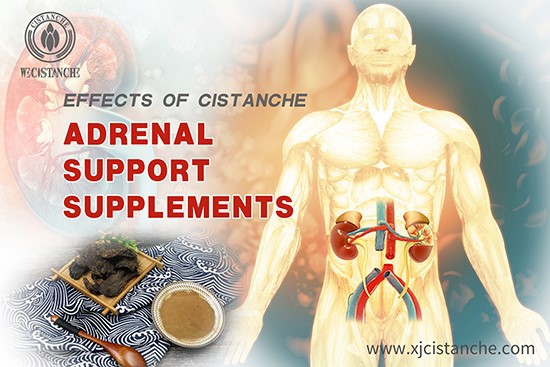
Effects of cistanche-Improve Kidney Function
2. Improve mitochondrial energy metabolism. Mitochondria are the "energy factories" of cells, and their abnormal function can lead to insufficient ATP production, affecting sperm motility and smooth muscle contraction. The phenylethanoid glycosides in Cistanche tubulosa can enter mitochondria, increase the activity of respiratory chain complexes I and IV, and promote ATP synthesis. Transmission electron microscopy observation showed that the mitochondrial cristae of testicular interstitial cells in the treated group were arranged neatly, the matrix was dense, and the ATP content increased by 72% compared to the model group. In addition, Cistanche tubulosa can regulate autophagy through the AMPK/mTOR signaling pathway, clear damaged mitochondria, and maintain cellular energy homeostasis.