Have You Chosen The Right Medicine To Treat Constipation?
Oct 31, 2023
Constipation is a common symptom that can have a variety of causes. According to statistics, the prevalence of constipation in adults in my country is 3-17%, and the prevalence of chronic constipation is 4-6%. In modern society, many people are troubled by constipation. So if you are constipated, how should you use laxatives?

Click to best laxative for constipation
According to the principle of drug action of laxatives, they can be roughly divided into the following categories:
1. Volumetric laxatives
Generally divided into soluble cellulose - such as pectin, oat bran, plantain; insoluble cellulose - plant fiber, lignin. Common drug varieties include psyllium, wheat bran, calcium polycarbophil, methylcellulose, etc. The latter two are well tolerated.
Clinical application: It has a slow onset of action and is used for patients with mild chronic constipation. It has good safety. It can be used as a first-choice drug for pregnant women with mild constipation as a backup preventive drug. It is also recommended for elderly patients, children, and diabetic patients.
2. Contact laxatives
Formerly known as "stimulant laxatives". A class of drugs that can affect intestinal activity and the absorption of water and electrolytes in the intestinal mucosa, causing diarrhea. Including anthraquinones and diphenylmethanes, botanical laxatives such as rhubarb, senna, and aloe vera contain anthraquinone glycosides. It mainly acts on the large intestine and does not affect the absorption function of the small intestine, so it can be used for acute and chronic constipation. Phenolic peptides are also contact laxatives.
1. After oral administration, phenolphthalein meets alkaline intestinal juice in the intestine to form soluble sodium salt, which can promote colon peristalsis. Soft stool will be excreted 6 to 8 hours after taking the medicine. It has a mild effect and is suitable for chronic constipation. Approximately 15% of phenolphthalein taken orally is absorbed. It is excreted in urine and appears red if the urine is alkaline. Part of it is excreted by bile, and enterohepatic circulation prolongs its action time, so the effect of one dose can last for 3 to 4 days. Bisacodyl, a similar drug, is used to clean the intestines before and after acute and chronic constipation, X-rays, endoscopy, or surgery.
2. Anthraquinones Plants such as rhubarb, senna, and aloe contain anthraquinone glycosides. After oral administration, they are decomposed into anthraquinones by bacteria in the large intestine, which can increase propulsive peristalsis of the colon. Defecation occurs 6 to 8 hours after taking the medicine and is often used for acute and chronic constipation.
3. Osmotic laxatives
Creates a hypertonic state in the intestine, retains water and softens stool, increases stool volume, and stimulates colon peristalsis, thereby relieving constipation. Includes salt preparations, indigestible sugars, and alcohols.

1. Salt laxatives: Salt laxatives containing Mg2+ or phosphate ions. Common magnesium hydroxide, magnesium sulfate, and magnesium phosphate. Magnesium ions can also stimulate small intestinal movement and secretion.
2. Indigestible sugars: including sorbitol, mannitol, and lactulose, of which the latter is the most widely used. Lactulose is decomposed into lactic acid and acetic acid in the colon, which reduces the intestinal pH value, promotes physiological bacterial growth, inhibits protein decomposition, ionizes ammonia, improves bacterial flora nitrogen metabolism, and can be used to prevent hepatic encephalopathy.
3. Alcohols that cannot be absorbed: representative examples include polyethylene glycol (long-chain PEG). PEG aqueous solution containing electrolytes has a strong cathartic effect and is currently the most commonly used drug for bowel preparation.
4. Enema and anal medication
It can remove solid residues from the terminal colon or rectum, such as bisacodyl suppositories, glycerin suppositories, and Kaiseilu, which can be applied locally in the anus to quickly soften feces and induce defecation reflexes. Clinically, it is only used for patients with dry stool and fecal impaction.
5. Other drugs
1. Lubricants and stool softeners
After oral administration or enema, it stimulates the intestinal wall through lubrication, softens stool, and makes stool easier to eliminate. Including liquid paraffin, glycerin, mineral oil, docusate sodium, etc. Clinically, it is only for temporary use in patients with dry feces and impaction and requires the combined use of oral laxatives.
2. Drugs that promote gastrointestinal motility
Acts on intestinal nerve endings and gastrointestinal smooth muscle to increase intestinal motility and propulsive movement. Clinically suitable for slow transit constipation and constipation-type IBS. Including prucalopride, and mosapride.
3. Probiotics and synbiotics
Replenish physiological flora, create microecological relief, and strengthen fermentation to increase the acidity in the intestines, regulate normal intestinal peristalsis, change stool properties, and facilitate excretion. It has a certain effect on relieving constipation and bloating. Commonly used preparations include Bifidobacterium, Lactobacillus acidophilus, Faecalibacterium, Bacillus licheniformis, Bacillus subtilis, etc.

Pharmacist reminder
1. Many patients take various laxatives on their own for a long time and continuously. After a single dose of laxatives completely empties the colon, it takes 3 to 4 days to refill it, so continuous use is inappropriate.
2. Generally, laxatives take effect 6 to 8 hours after being taken orally, so a reasonable time to take the medicine should be before going to bed. In this way, defecation the next morning or after breakfast is more in line with physiological laws.
3. To treat constipation, especially habitual constipation, you should first start by adjusting your diet and developing the habit of regular bowel movements. Eating more vegetables, fruits, etc. can often yield good results.
4. Different types of laxatives should be selected according to different situations. If you want to eliminate poisons, you should choose salt laxatives such as magnesium sulfate and sodium sulfate. For general constipation, contact laxatives are more commonly used. For the elderly, aneurysms, anal surgeries, etc., lubricating laxatives are better.
5. Patients with abdominal pain should not use laxatives if the diagnosis is unclear. Strong laxatives should not be used by the elderly, frail, pregnant, or menstruating women.
6. At present, it is generally believed that except for cellulose, all other laxatives cannot be used for a long time. It can only be used to relieve urgent needs. The fundamental solution lies in changes in life and eating habits, such as eating more foods rich in dietary fiber and exercising appropriately to increase gastrointestinal motility.
Natural Herbal Medicine For Relieving Constipation-Cistanche
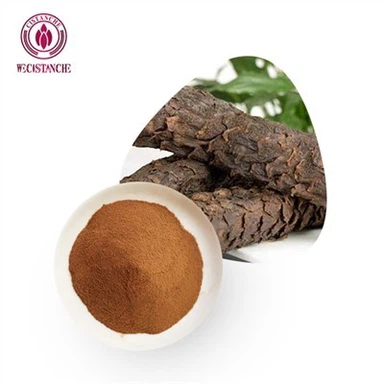
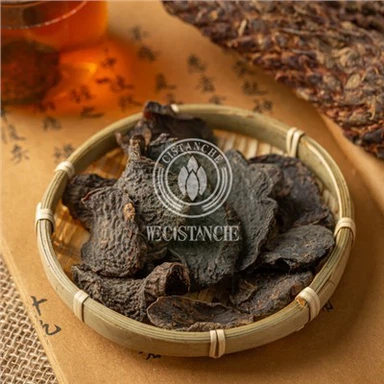
Cistanche is a genus of parasitic plants that belongs to the family Orobanchaceae. These plants are known for their medicinal properties and have been used in Traditional Chinese Medicine (TCM) for centuries. Cistanche species are predominantly found in arid and desert regions of China, Mongolia, and other parts of Central Asia. Cistanche plants are characterized by their fleshy, yellowish stems and are highly valued for their potential health benefits. In TCM, Cistanche is believed to have tonic properties and is commonly used to nourish the kidney, enhance vitality, and support sexual function. It is also used to address issues related to aging, fatigue, and overall well-being. While Cistanche has a long history of use in traditional medicine, scientific research on its efficacy and safety is ongoing and limited. However, it is known to contain various bioactive compounds such as phenylethanoid glycosides, iridoids, lignans, and polysaccharides, which may contribute to its medicinal effects.

Wecistanche's cistanche powder, cistanche tablets, cistanche capsules, and other products are developed using desert cistanche as raw materials, all of which have a good effect on relieving constipation. The specific mechanism is as follows: Cistanche is believed to have potential benefits for relieving constipation based on its traditional use and certain compounds it contains. While scientific research specifically on Cistanche's effect on constipation is limited, it is thought to have multiple mechanisms that may contribute to its potential to relieve constipation. Laxative Effect: Cistanche has long been used in Traditional Chinese Medicine as a remedy for constipation. It is believed to have a mild laxative effect, which can help promote bowel movements and induce constipation. This effect may be attributed to various compounds found in Cistanche, such as phenylethanoid glycosides and polysaccharides. Moistening the Intestines: Based on traditional use, Cistanche is considered to have moisturizing properties, specifically targeting the Intestines. Promoting hydration and lubrication of the Intestines may help soften tools and facilitate easier passage, thereby relieving constipation. Anti-inflammatory Effect: Constipation can sometimes be associated with inflammation in the digestive tract. Cistanche contains certain compounds, including phenylethanoid glycosides and lignans, that are believed to have anti-inflammatory properties. By reducing inflammation in the intestines, it may help improve bowel movement regularity and relieve constipation.