Health Education For Patients With Chronic Renal Failure
Nov 01, 2024
Chronic renal failure, referred to as chronic renal failure, refers to various primary or secondary renal disease progression caused by glomerular filtration rate decline and renal function impairment, metabolic product retention, water, electrolyte and acid-base balance disorders as the main manifestations of clinical syndromes. It has been gradually replaced by the concept of chronic kidney disease. Chronic kidney disease refers to chronic renal structural and functional abnormalities (kidney injury >3 months) caused by various causes, with or without decreased glomerular filtration rate, manifested by abnormal renal pathology or kidney injury (abnormal blood, urine composition or imaging); Or an unexplained decrease in glomerular filtration rate over 3 months.

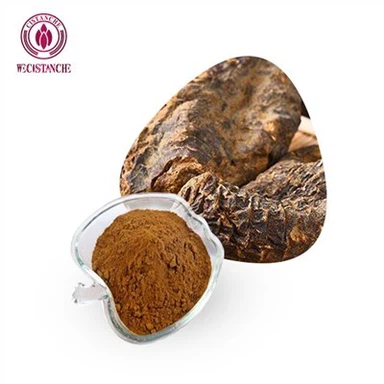
Click to Cistanche for kidney disease
Dietary guidance
1. Patients who do not undergo regular dialysis should choose a high-calorie, high-vitamin, high-quality low-protein diet with protein intake of about 0.6-0.8g/kg/ day, which can be increased to 1-1.2g/kg/ day for dialysis patients.
The situation of food protein is divided into two categories: one is the high-price protein, also known as high-quality protein, which can provide the most complete amount and proportion of the appropriate essential amino acid spectrum, and the synthesis of human protein has a high utilization rate and produces less metabolic waste. Such foods are eggs, milk, beef, poultry, pork, fish, and so on. The other is low-price protein, also known as non-high-quality protein, containing less essential amino acids, such as plant protein in rice, noodles, fruits and vegetables.
In the total daily protein supply of patients with chronic kidney disease, high-quality protein should account for more than 50%, usually 50%-60%.
The diet should minimize plant protein, which is mainly non-high-quality protein, and the metabolic waste of non-high-quality protein is relatively large, which can increase the burden on the kidney. Try to choose high-quality protein (animal protein), such as: eggs, milk, lean meat, fish, etc., and try to eat less non-high-quality protein (plant protein), such as peanuts, beans and their products.

2, try to avoid eating foods containing more sodium, and supplement vitamins. Avoid eating foods high in potassium, such as oranges, oranges, bananas, etc. Fasting star fruit. Low salt diet full day sodium 2g. Limit daily cooking salt to 2-3g or soy sauce to 10-15ml. Do not use all salty food, such as salted eggs, salted meat, salted fish, pickles, sausage and a variety of meat and vegetarian cans. Low-fat diet cooking methods as far as possible to use steaming, boiling, cold mix, less frying, frying, resolutely do not fry food. The fat content of common animal foods is ranked in order: skim milk < eggs < fish < skinless chicken < beef < lean pork. Limit sweets because too much sugar is stored as fat in the body.
3. Low phosphorus diet. Limit phosphorus intake to 800-1000mg/ day. Do not eat processed food and fast food, because the phosphorus in food additives can be almost completely absorbed. Boil the food, go to the soup and eat again, can reduce phosphorus, sodium, potassium, purine and other intake. Try to avoid foods high in phosphorus, such as dried beans, nut seeds, animal offal, whole wheat noodles, chocolate, stews, broths, etc.
Sports and life coaching
1, pay attention to rest, according to the illness and activity endurance of appropriate activities to enhance resistance, but need to avoid fatigue, do a good job of cold and warm, prevent colds, pay attention to indoor air clean, often open the window ventilation, but avoid the flow of wind. Avoid contact with people with respiratory infections, wear masks when going out, and try to avoid going to public places.
2. Pay attention to personal hygiene, keep the mouth, perineum and skin clean, change underwear every day, cut nails short, prevent scratching the skin, and prohibit soap and alcohol to clean the skin.
3. For patients who have not started hemodialysis treatment, please pay attention to protect the blood vessels of the left upper limb, avoid damage, and perform vascular puncture.
Iii. Condition monitoring and guidance
1. Regular outpatient visits, monitoring renal function, electrolyte and urine routine.
2. Daily monitoring and registration of weight, blood pressure, urine volume, sudden decrease in urine volume and other discomfort in time to the hospital.
3. Patients with maintenance hemodialysis shall not interrupt treatment without authorization. Come to the hospital regularly for regular hemodialysis, control water and salt intake, and control the weight during dialysis not to exceed 5% of the original body weight. Protect the internal arterio-venous fistula, do not squeeze the internal fistula side limb, do not wear tight sleeve clothes, the internal fistula side limb is prohibited to measure blood pressure, infusion, blood drawing, wearing jewelry, lifting heavy objects, holding children, etc., often touch the internal fistula if there is no tremor. For patients using a deep vein cannula as a hemodialysis access, care should be taken to keep the skin around the orifice clean and the dressing dry. Change the dressing regularly to prevent infection.

4. Patients undergoing regular peritoneal dialysis should keep the skin of the catheter and outlet clean, and strictly aseptic operation principle during operation.
5, if there is dyspnea, general fatigue, chest tightness, lethargy, continuous vomiting, hiccups and other conditions, should be rushed to the hospital.
How Does Cistanche Treat Kidney Disease?
Cistanche is a traditional Chinese herbal medicine used for centuries to treat various health conditions, including kidney disease. It is derived from the dried stems of Cistanche deserticola, a plant native to the deserts of China and Mongolia. The main active components of cistanche are phenylethanoid glycosides, echinacoside, and acteoside, which have been found to have beneficial effects on kidney health.
Kidney disease, also known as renal disease, refers to a condition in which the kidneys are not functioning properly. This can result in a buildup of waste products and toxins in the body, leading to various symptoms and complications. Cistanche may help treat kidney disease ase through several mechanisms.
Firstly, cistanche has been found to have diuretic properties, meaning it can increase urine production and help eliminate waste products from the body. This can help relieve the burden on the kidneys and prevent the buildup of toxins. By promoting diuresis, cistanche may also help Reduce high blood pressure, a common complication of kidney disease.
Moreover, cistanche has been shown to have antioxidant effects. Oxidative stress, caused by an imbalance between the production of free radicals and the body's antioxidant defenses, plays a key role in the progression of kidney disease. ies help neutralize free radicals and reduce Oxidative stress, thereby protecting the kidneys from damage. The phenylethanoid glycosides found in cistanche have been particularly effective in scavenging free radicals and inhibiting lipid peroxidation.
Additionally, cistanche has been found to have anti-inflammatory effects. Inflammation is another key factor in the development and progression of kidney disease. Cistanche's anti-inflammatory properties help reduce the production of pro-inflammatory cytokines and inhibit the activation of inflammation mandatory pathways, thus alleviating inflammation in the kidneys.
Furthermore, cistanche has been shown to have immunomodulatory effects. In kidney disease, the immune system can be dysregulated, leading to excessive inflammation and tissue damage. Cistanche helps regulate the immune response by modulating the production and activity of immune cells, such as T cells and macrophages. This immune regulation helps reduce inflammation and prevent further damage to the kidneys.

Moreover, cistanche has been found to improve renal function by promoting the regeneration of renal tubes with cells. Renal tubular epithelial cells play a crucial role in the filtration and reabsorption of waste products and electrolytes. In kidney disease, these cells can be damaged, leading to damaged renal function. Cistanche's ability to promote the regeneration of these cells helps restore proper renal function and improve overall kidney health.
In addition to these direct effects on the kidneys, cistanche has been found to have beneficial effects on other organs and systems in the body. This holistic approach to health is particularly important in kidney disease, as the condition often affects multiple organs and systems. che has been shown to have protective effects on the liver, heart, and blood vessels, which are commonly affected by kidney disease. By promoting the health of these organs, cistanche helps improve overall kidney function and prevent further complications.
In conclusion, cistanche is a traditional Chinese herbal medicine used for centuries to treat kidney disease. Its active components have diuretic, antioxidant, anti-inflammatory, immunomodulatory, and regenerative effects, which help improve renal function and protect the kidneys from further damage. , cistanche has beneficial effects on other organs and systems, making it a holistic approach to treating kidney disease.