Heart, Liver, Spleen, Lungs, Kidneys! The Most Nourishing Food List For The Five Internal Organs Must Be Kept For Family Members
Jul 11, 2024
The main organs in our body are the heart, liver, spleen, lungs, and kidneys. As long as we take good care of them, our bodies will be great. So what foods do we need to eat to nourish the five internal organs? Just look down and you'll know!
Heart nourishing food
1. Longan
It can be used to make tea with longan meat or to cook longan Congee for eating. It is beneficial to the heart and spleen, replenishes qi and blood, and calms the nerves, especially suitable for people with heart palpitations of insufficient blood.
2. Red dates
Red dates contain many essential nutrients for hematopoiesis - iron, and phosphorus, making them a natural blood tonic. It is most suitable for patients with various anemia, physical weakness, postpartum weakness, and palpitations caused by insufficient qi and blood after surgery. You can use red dates to fry in water or use red dates to cook Congee or chew on an empty stomach in the morning and evening.
3. Black fungus
Mild in nature and sweet in taste, it has the effects of nourishing yin, nourishing the stomach, promoting blood circulation, and moistening dryness. It can nourish qi and promote blood circulation. Black fungus is a natural anticoagulant that can prevent and treat arteriosclerosis, coronary heart disease, hypertension, and hyperlipidemia. For those with palpitations caused by cardiovascular disease, it is advisable to take it regularly, which is very beneficial.
Food that nourishes the liver
1. Cistanche deserticola

Effects of Cistanche-Total glycosides of Cistanche deserticola can inhibit liver cancer cells at the early stage of liver cancer
The medicinal ingredients of Cistanche deserticola
Cistanche deserticola contains various bioactive components, including polysaccharides, amino acids, alkaloids, vitamins, and minerals. These components work together and have a protective and repairing effect on the liver.
Hepatonourishing effect
1. Enhance liver detoxification ability: The polysaccharides in Cistanche deserticola can enhance the liver's detoxification function and help clear harmful substances from the body.
2. Promote liver cell regeneration: Cistanche deserticola contains amino acids and vitamins that help repair and regenerate liver cells, and has a certain repairing effect on liver damage.
Hepatoprotective effect
1. Anti-inflammatory effect: Cistanche deserticola has anti-inflammatory effects, which can reduce liver inflammation and protect liver cells from damage.
2. Antioxidant effect: Its antioxidant components help eliminate free radicals and reduce the damage of oxidative stress to the liver.

Benefits of cistanche tubulosa-Maintaining the liver
Hepatoprotective effect
1. Regulating immune function: Cistanche deserticola can regulate the body's immune function, enhance the body's resistance to viruses and bacteria, and reduce the risk of liver infection.
2. Improving liver microcirculation: Cistanche deserticola can improve blood supply, promote metabolism, and help maintain liver health.
usage method
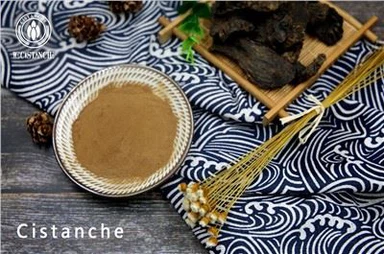
Cistanche deserticola is usually used in the form of decoctions, wine, or powder. In traditional Chinese medicine, Cistanche deserticola is often combined with other medicinal herbs to enhance its effects of nourishing, protecting, and protecting the liver.

Benefits of cistanche tubulosa
2. Soybeans
In addition to abundant estrogen, soybeans also contain abundant trace elements such as calcium, iron, and phosphorus, which greatly help promote liver regeneration and repair damaged liver cells.
3. Animal liver
From the perspective of supplementing shape with form, the animal liver itself can play a role in protecting the liver. This is because the liver itself is rich in nutrients, such as protein, folic acid, vitamin B12, iron, and other elements.
Food that nourishes the spleen
1. Glutinous rice
It is warm in nature and sweet in taste. It has the function of tonifying the spleen and supplementing qi. People with spleen deficiency should use it to cook Congee.
2. Sweet potatoes
Commonly known as sweet potato or yam. Mild in nature and sweet in taste, it has the effect of nourishing the spleen and blood, nourishing qi, and promoting bowel movements.
3. Coix seed
Commonly known as Yiren rice or Liugu rice, it has the effect of tonifying the spleen and strengthening the stomach. People with spleen deficiency should take Yiren rice and japonica rice Congee to complement each other.
Food that nourishes the lungs
1. Tremella fuciformis
Can be used for cooking dishes or stewing, such as making soup with lilies or cherries and rock sugar. Moisturizing the lungs, resolving phlegm, nourishing yin, and generating fluids can treat symptoms such as yin deficiency, lung dryness, dry throat, and thirst.
2. Carrots
Raw food can treat fever, thirst, lung heat, and cough; If consumed together with juice extracted from sugarcane, pear, lotus root, etc., the effect is even better. It has the effects of clearing heat and resolving phlegm, generating saliva relieving cough, and benefiting the stomach and digestion.
3. Persimmons
Fresh persimmons can improve coughing, phlegm accumulation, fatigue, and hemoptysis; Red and soft ripe persimmons can treat fever, thirst, dry mouth and rotten lips, and restlessness in the heart. Persimmons have the effects of moistening the lungs, relieving cough, clearing heat and generating fluids, resolving phlegm, and softening hardness, especially suitable for consumption in winter.
Kidney nourishing foods
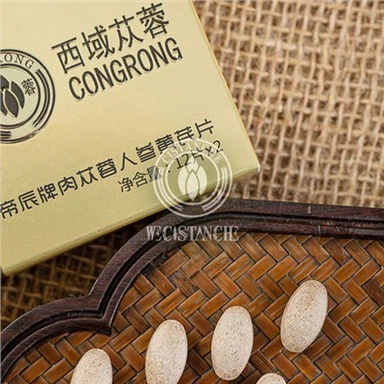
Cistanche deserticola Y.C.Ma, a traditional Chinese medicine for tonifying the kidney, is recorded in the 2015 edition of the Chinese Pharmacopoeia. It is a succulent stem of the genus Cistanche in the family Lewandaceae, mainly distributed in Inner Mongolia, Ningxia, Gansu, Qinghai, and Xinjiang. Cistanche deserticola and Tubular Cistanche deserticola have extremely high medicinal value. They enter the kidney and large intestine meridians. The Compendium of Materia Medica records that Cistanche deserticola "is a nourishing but not severe substance, so it is called Cistanche deserticola" and "it is warm but can moisten, replenish but not dry, smooth but not diarrhea".
It has the effects of tonifying kidney yang, benefiting essence and blood, moistening the intestines, and defecating. Traditionally, it is used for kidney yang deficiency, deficiency of essence and blood, impotence, infertility, soreness of the waist and knees, weakness of muscles and bones, and constipation due to intestinal dryness, It is the most frequently used tonifying kidney yang medicine in history. Modern pharmacological research shows that Cistanche deserticola has many effects such as improving sexual function, anti-aging, improving learning and memory ability, anti-Alzheimer's disease, defecation, etc. It is widely used in clinical prescriptions of Chinese medicine, traditional Chinese patent medicines, and simple preparations and health care products.

effects of cistanche-improve kidney function
Click here to view Cistanche for Kidney disease products
【Ask for more】 Email:cindy.xue@wecistanche.com / Whats App: 0086 18599088692 / Wechat: 18599088692
The main chemical components of Cistanche deserticola are phenylethanoid glycosides, iridoids, and their glycosides, lignans, and polysaccharides. Modern pharmacological studies have shown that phenylethanoid glycosides are the most important active substances in Cistanche deserticola, and have obvious anti-Alzheimer's disease, Parkinson's disease, myocardial ischemia, and other effects.
Modern pharmaceutical research has shown that the extract of Cistanche deserticola can significantly prolong the freezing time of animals with yang deficiency, increase the mating frequency and ejaculation rate of mice with sexual dysfunction caused by stress, and significantly increase the weight of the seminal vesicles and prostate in rats with testicles removed.
Experimental studies have shown that various components of Cistanche deserticola can effectively regulate and replenish the renal glands, with sufficient renal power that directly enhances the function of the body's energy factory mitochondria, continuously generating energy, keeping the body in an excited state, improving its cold tolerance, and reducing fatigue.
Experimental studies have shown that Cistanche deserticola extract can protect renal tubular cells, prevent renal interstitial lesions, slow down the rate of renal failure, and effectively prevent secondary bacterial infections in patients with chronic renal failure. It has therapeutic effects on both chronic and acute kidney disease.

effects of cistanche-improve kidney function
2. Yam
Sweet in taste, it is a top-grade medicine in traditional Chinese medicine. In addition to its functions of tonifying the lungs and strengthening the spleen, it can also benefit the kidneys and fill the essence. People with kidney deficiency should eat it regularly.
3. Black beans
Known as the Valley of the Kidney by ancient people, it has a sweet and smooth taste. It not only resembles the kidney in shape, but also has the effects of tonifying the kidney, strengthening the body, promoting blood circulation and diuresis, detoxifying, and moisturizing the skin. It is particularly suitable for patients with kidney deficiency.