A Traditional Chinese Medicine Composition For Treating Degenerative Bone Diseases, And Its Preparation Method And Applications
Nov 12, 2026
(57) Abstract
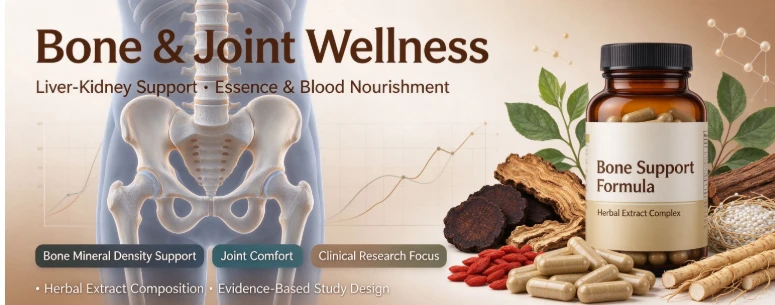
The present invention discloses a traditional Chinese medicine composition for treating degenerative bone diseases, together with its preparation method and applications. The composition is prepared from the following medicinal raw materials in parts by weight:
Prepared rehmannia root, 30–50 parts; deer antler gelatin, 15–30 parts; cistanche herb, 20–80 parts; morinda root, 15–50 parts; tortoise shell gelatin, 15–50 parts; goji berries, 30–80 parts; curculigo rhizome, 10–50 parts; eucommia bark, 15–50 parts; dodder seeds, 20–80 parts; Chinese yam rhizome, 30–50 parts; drynaria rhizome, 15–50 parts; Huai achyranthes root, 10–50 parts; taxillus herb, 20–50 parts; paper mulberry fruit, 15–30 parts; clematis root and rhizome, 15–50 parts; and acanthopanax root bark, 15–50 parts.
Through a formulation strategy of "co-regulating the liver and kidneys, replenishing both essence and blood, and combining supplementation with unblocking," together with a specific extraction process, the invention systematically regulates bone metabolic balance, achieves dual prevention and treatment of osteoporosis and osteophytosis, addresses both underlying causes and manifestations, and offers high safety during long-term use.
Claims
1. Composition
A traditional Chinese medicine composition, characterized in that it is prepared from the following medicinal raw materials in parts by weight:
Prepared rehmannia root, 30–50 parts; deer antler gelatin, 15–30 parts; cistanche herb, 20–80 parts; morinda root, 15–50 parts; tortoise shell gelatin, 15–50 parts; goji berries, 30–80 parts; curculigo rhizome, 10–50 parts; eucommia bark, 15–50 parts; dodder seeds, 20–80 parts; Chinese yam rhizome, 30–50 parts; drynaria rhizome, 15–50 parts; Huai achyranthes root, 10–50 parts; taxillus herb, 20–50 parts; paper mulberry fruit, 15–30 parts; clematis root and rhizome, 15–50 parts; and acanthopanax root bark, 15–50 parts.
2. Preferred Ingredient Proportions
The traditional Chinese medicine composition according to claim 1, characterized in that the medicinal raw materials are present in the following parts by weight:
Prepared rehmannia root, 35–45 parts; deer antler gelatin, 20–25 parts; cistanche herb, 40–60 parts; morinda root, 25–35 parts; tortoise shell gelatin, 25–35 parts; goji berries, 45–65 parts; curculigo rhizome, 20–40 parts; eucommia bark, 25–35 parts; dodder seeds, 40–60 parts; Chinese yam rhizome, 35–45 parts; drynaria rhizome, 25–35 parts; Huai achyranthes root, 20–40 parts; taxillus herb, 30–40 parts; paper mulberry fruit, 20–25 parts; clematis root and rhizome, 25–35 parts; and acanthopanax root bark, 25–35 parts.
3. Extract Form
The traditional Chinese medicine composition according to claim 1 or 2, characterized in that the composition is a traditional Chinese medicine extract.
4. Excipients
The traditional Chinese medicine composition according to claim 1 or 2, characterized in that the composition further comprises pharmaceutically acceptable excipients.
5. Dosage Forms
The traditional Chinese medicine composition according to claim 4, characterized in that its dosage form is an oral preparation.
Preferably, the oral preparation is selected from capsules, tablets, pills, granules, powders, or oral liquids.
6. Preparation Method
A method for preparing the traditional Chinese medicine composition according to claim 1 or 2, characterized in that it comprises the following steps:
Weigh all 16 medicinal raw materials according to the specified proportions and mix them.
Add water in an amount 6–12 times the total mass of the medicinal raw materials. Perform decoction extraction 1–3 times, for 1–3 hours each time. Combine the decoctions, filter, and concentrate and dry the filtrate to obtain the composition.
Alternatively, add a 30%–95% ethanol solution by volume in an amount 6–12 times the total mass of the medicinal raw materials. Perform reflux extraction 1–3 times, for 1–3 hours each time. Combine the extracts, recover the ethanol, and concentrate and dry the remaining liquid to obtain the composition.
7. Preferred Water-Extraction Method
The method according to claim 6, characterized in that step (2) comprises:
Adding water in an amount 8–10 times the total mass of the medicinal raw materials and performing decoction extraction twice, with the first extraction lasting 2 hours and the second extraction lasting 1.5 hours.
Combine the decoctions, filter, and concentrate the filtrate into a thick extract having a relative density of 1.20–1.30, or further dry it into a dried extract powder.
8. Application for Osteoporosis
Use of the traditional Chinese medicine composition according to any one of claims 1–6 in the manufacture of a medicament for treating and/or preventing osteoporosis.
9. Application for Pain Associated With Osteophytosis
Use of the traditional Chinese medicine composition according to any one of claims 1–6 in the manufacture of a medicament for treating and/or preventing pain caused by osteophytosis.
Translator's note: The references to "claims 1–6" in claims 8 and 9 are retained from the source, although claim 6 is a preparation-method claim.
A Traditional Chinese Medicine Composition for Treating Degenerative Bone Diseases, and Its Preparation Method and Applications
Technical Field
[0001] The present invention relates to the technical field of traditional Chinese medicine, specifically to a traditional Chinese medicine composition for treating degenerative bone diseases, and to its preparation method and applications.
Background Art
[0002] Degenerative bone diseases are a collective term for a class of chronic diseases primarily characterized by progressive degeneration of bones, joints, and surrounding soft tissues. Common clinical conditions mainly include osteoporosis and osteophytosis, commonly known as "bone spurs."
With the acceleration of global population aging, the incidence of degenerative bone diseases has increased year by year, making them a major public health issue that seriously threatens the health and quality of life of middle-aged and older adults.
Osteoporosis is a systemic skeletal disease characterized by low bone mass and deterioration of bone microarchitecture, resulting in increased bone fragility and susceptibility to fractures. Its pathogenesis is complex and mainly involves disruption of the dynamic balance between osteoblast-mediated bone formation and osteoclast-mediated bone resorption. When bone resorption persistently exceeds bone formation, a net loss of bone mass occurs.
Osteophytosis involves the formation of bony outgrowths at bone margins due to prolonged uneven loading, wear, or degeneration. It is often accompanied by local inflammation, compression of soft tissues, and persistent chronic pain.
These two conditions frequently coexist in clinical practice and affect one another, creating considerable difficulties for treatment.
[0003] Existing Western medical treatments, such as calcium preparations, bisphosphonates, and nonsteroidal anti-inflammatory drugs, primarily target individual pathological processes. Long-term use is associated with significant adverse effects, including gastrointestinal irritation, impaired liver and kidney function, and cardiovascular risks, while relief of chronic pain associated with osteophytosis remains limited.
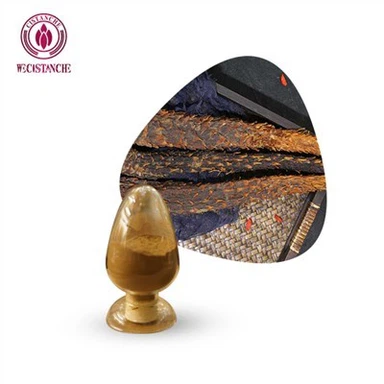
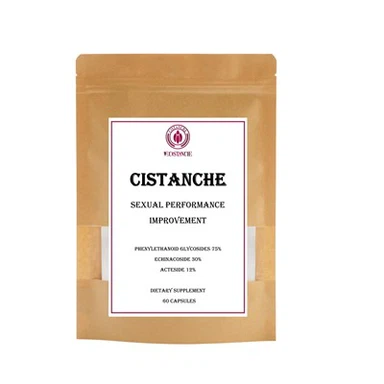
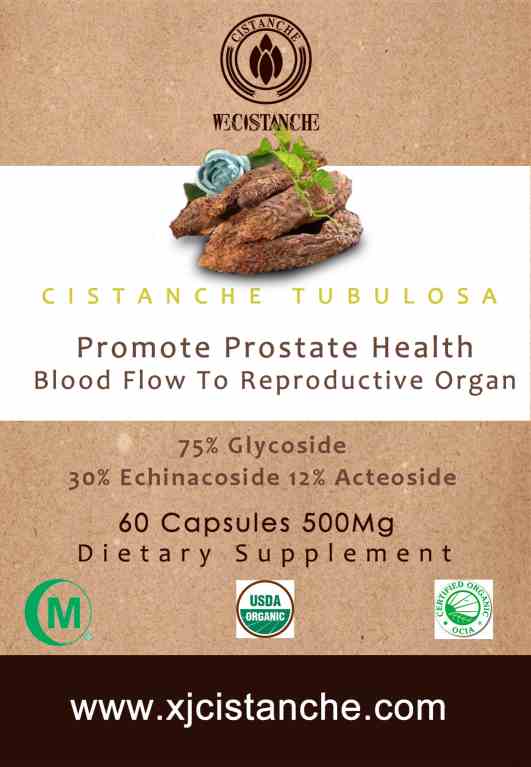
Cistanche extract, rich in acteoside and echinacoside-bioactive compounds benefits in osteoporosis.
Click To Visit The Listing Of 16% Acteoside Cistanche Extract

Although traditional Chinese medicine offers advantages in holistic regulation, existing formulations tend to follow a narrow formulation strategy. Most emphasize either kidney supplementation alone or blood activation and pain relief, without adequately addressing the core pathogenesis of "liver and kidney deficiency, insufficiency of essence and blood, and inadequate nourishment of the sinews and bones."
These formulations have the drawback of providing excessive supplementation but insufficient unblocking, resulting in incomplete regulation of bone metabolic balance, protection of cartilage tissue, and relief of chronic bone pain.
[0004] Accordingly, a traditional Chinese medicine composition for treating degenerative bone diseases, together with its preparation method and applications, is proposed to address the foregoing problems.
Summary of the Invention
[0005] The purpose of the present invention is to provide a traditional Chinese medicine composition for treating degenerative bone diseases, together with its preparation method and applications.
The invention is intended to address the shortcomings identified in the background art: existing Western medicines for osteophytosis have substantial adverse effects and limited therapeutic targets, while existing traditional Chinese medicines have restricted formulation strategies and fail to adequately combine "supplementing deficiency" with "unblocking."
Both approaches have difficulty effectively interrupting the core pathogenesis of "liver and kidney deficiency, insufficiency of essence and blood, and inadequate nourishment of the sinews and bones."
[0006] To achieve the foregoing purpose, the present invention provides the following technical solution: a traditional Chinese medicine composition prepared from the following medicinal raw materials in parts by weight:
Prepared rehmannia root, 30–50 parts; deer antler gelatin, 15–30 parts; cistanche herb, 20–80 parts; morinda root, 15–50 parts; tortoise shell gelatin, 15–50 parts; goji berries, 30–80 parts; curculigo rhizome, 10–50 parts; eucommia bark, 15–50 parts; dodder seeds, 20–80 parts; Chinese yam rhizome, 30–50 parts; drynaria rhizome, 15–50 parts; Huai achyranthes root, 10–50 parts; taxillus herb, 20–50 parts; paper mulberry fruit, 15–30 parts; clematis root and rhizome, 15–50 parts; and acanthopanax root bark, 15–50 parts.
[0007] Preferably, the medicinal raw materials are present in the following parts by weight:
Prepared rehmannia root, 35–45 parts; deer antler gelatin, 20–25 parts; cistanche herb, 40–60 parts; morinda root, 25–35 parts; tortoise shell gelatin, 25–35 parts; goji berries, 45–65 parts; curculigo rhizome, 20–40 parts; eucommia bark, 25–35 parts; dodder seeds, 40–60 parts; Chinese yam rhizome, 35–45 parts; drynaria rhizome, 25–35 parts; Huai achyranthes root, 20–40 parts; taxillus herb, 30–40 parts; paper mulberry fruit, 20–25 parts; clematis root and rhizome, 25–35 parts; and acanthopanax root bark, 25–35 parts.
[0008] Preferably, the traditional Chinese medicine composition is a traditional Chinese medicine extract.
[0009] Preferably, the traditional Chinese medicine composition further comprises pharmaceutically acceptable excipients.
[0010] Preferably, the dosage form of the traditional Chinese medicine composition is an oral preparation. Preferably, the oral preparation is selected from capsules, tablets, pills, granules, powders, or oral liquids.
[0011] The present invention further provides a method for preparing the traditional Chinese medicine composition, comprising the following steps:
Weigh all 16 medicinal raw materials according to the specified proportions and mix them.
Add water in an amount 6–12 times the total mass of the medicinal raw materials. Perform decoction extraction 1–3 times, for 1–3 hours each time. Combine the decoctions, filter, and concentrate and dry the filtrate to obtain the composition.
Alternatively, add a 30%–95% ethanol solution by volume in an amount 6–12 times the total mass of the medicinal raw materials. Perform reflux extraction 1–3 times, for 1–3 hours each time. Combine the extracts, recover the ethanol, and concentrate and dry the remaining liquid to obtain the composition.
[0012] Preferably, step (2) comprises:
Adding water in an amount 8–10 times the total mass of the medicinal raw materials and performing decoction extraction twice, with the first extraction lasting 2 hours and the second extraction lasting 1.5 hours.
Combine the decoctions, filter, and concentrate the filtrate into a thick extract having a relative density of 1.20–1.30, or further dry it into a dried extract powder.
[0013] The present invention further provides use of the traditional Chinese medicine composition in the manufacture of a medicament for treating and/or preventing osteoporosis.
[0014] The present invention further provides use of the traditional Chinese medicine composition in the manufacture of a medicament for treating and/or preventing pain caused by osteophytosis.
Beneficial Effects
[0015] Compared with the prior art, the present invention offers the following beneficial effects:
Through a formulation strategy of "co-regulating the liver and kidneys, replenishing both essence and blood, and combining supplementation with unblocking," together with a specific extraction process, the traditional Chinese medicine composition systematically regulates bone metabolic balance, achieves dual prevention and treatment of osteoporosis and osteophytosis, addresses both underlying causes and manifestations, and provides high safety during long-term use.
The specific benefits are described below.
First, the present invention addresses the limitations of existing Western medical treatments, including their narrow therapeutic targets and the gastrointestinal irritation, impaired liver and kidney function, and cardiovascular risks associated with long-term use.
It also addresses the drawback of existing traditional Chinese medicine formulations, which tend to focus on either supplementation alone or blood activation and pain relief, resulting in "excessive supplementation but insufficient unblocking."
The invention innovatively proposes a formulation strategy of "co-regulating the liver and kidneys, replenishing both essence and blood, and combining supplementation with unblocking."
The formula uses ingredients such as prepared rehmannia root, deer antler gelatin, tortoise shell gelatin, goji berries, and dodder seeds-combining animal-derived medicinals with agents traditionally used to supplement the kidneys and replenish essence-to strongly nourish the liver and kidneys and replenish essence and marrow, thereby addressing the underlying cause.
These are combined with cistanche herb, morinda root, curculigo rhizome, eucommia bark, Huai achyranthes root, and taxillus herb to warm yang, support the kidneys, and strengthen the sinews and bones, thereby reinforcing the treatment of manifestations.
Drynaria rhizome, clematis root and rhizome, and acanthopanax root bark are additionally used to dispel wind and dampness, unblock the channels, and relieve pain, thereby addressing urgent manifestations.
The overall formula supplements without causing stagnation and unblocks without impairing healthy qi. It closely corresponds to the complex pathogenesis of degenerative bone diseases, described as an underlying deficiency with excess manifestations involving "liver and kidney deficiency, insufficiency of essence and blood, and inadequate nourishment of the sinews and bones."
It thereby achieves holistic regulation of bone metabolic balance through multiple targets and pathways.
[0016] Second, specific processes such as water extraction or ethanol extraction can sufficiently extract key active constituents in the formula, including catalpol, gelatin-derived peptides and amino acids, naringin, and anemonin.
The composition of the present invention can systematically regulate bone metabolism in both directions, promoting bone formation and inhibiting bone resorption to increase bone mineral density and improve bone microarchitecture.
At the same time, it can inhibit cartilage matrix degradation, protect articular cartilage, and effectively relieve chronic inflammatory pain and limb contracture caused by osteophytosis by inhibiting inflammatory-factor release and improving local microcirculation.
Compared with the prior art, the present invention not only provides dual prevention and treatment of osteoporosis and osteophytosis, but also improves systemic symptoms such as soreness and weakness of the lower back and knees by addressing their underlying causes.
It thus treats both underlying causes and manifestations, offers high safety and few adverse effects during long-term use, and is particularly suitable for older patients with degenerative bone diseases who require long-term management.
Detailed Description of Embodiments
[0017] The technical solutions in the embodiments of the present invention are described clearly and completely below.
The described embodiments are only some, rather than all, of the embodiments of the present invention.
All other embodiments obtained by a person of ordinary skill in the art, based on the embodiments of the present invention and without inventive effort, fall within the scope of protection of the present invention.
Example 1
[0018] Raw-Material Weighing
Weigh the medicinal raw materials in the following parts by weight:
| Medicinal raw material | Chinese name / Pinyin | Parts by weight |
|---|---|---|
| Prepared rehmannia root | 熟地 / Shu Di | 40 |
| Deer antler gelatin | 鹿角胶 / Lu Jiao Jiao | 22 |
| Cistanche herb | 肉苁蓉 / Rou Cong Rong | 50 |
| Morinda root | 巴戟天 / Ba Ji Tian | 30 |
| Tortoise shell gelatin | 龟甲胶 / Gui Jia Jiao | 30 |
| Goji berries | 枸杞子 / Gou Qi Zi | 55 |
| Curculigo rhizome | 仙茅 / Xian Mao | 30 |
| Eucommia bark | 杜仲 / Du Zhong | 30 |
| Dodder seeds | 菟丝子 / Tu Si Zi | 50 |
| Chinese yam rhizome | 山药 / Shan Yao | 40 |
| Drynaria rhizome | 骨碎补 / Gu Sui Bu | 30 |
| Huai achyranthes root | 怀牛膝 / Huai Niu Xi | 30 |
| Taxillus herb | 桑寄生 / Sang Ji Sheng | 35 |
| Paper mulberry fruit | 楮实子 / Chu Shi Zi | 22 |
| Clematis root and rhizome | 威灵仙 / Wei Ling Xian | 30 |
| Acanthopanax root bark | 五加皮 / Wu Jia Pi | 30 |
The Pinyin identifiers are supplied for terminology clarity. They do not replace species identification or pharmacopoeial specifications for procurement.
[0019] Preparation Steps
Pulverize the above 16 medicinal raw materials, pass them through a 40-mesh sieve, and mix thoroughly to obtain a homogeneous mixed raw-material powder.
Add distilled water in an amount nine times the total mass of the mixed raw-material powder. Perform decoction extraction twice, with the first extraction lasting 2 hours and the second lasting 1.5 hours. Combine the two decoctions and filter through a 300-mesh filter cloth to remove the residue and obtain a clear decoction.
Place the clear decoction in a rotary evaporator and concentrate at 60°C and 0.08 MPa until a thick extract with a relative density of 1.25, measured hot at 60°C, is obtained. Subsequently place the thick extract in a vacuum drying oven and dry at 65°C and 0.09 MPa to constant weight. Pulverize and pass through an 80-mesh sieve to obtain a dried traditional Chinese medicine extract powder, which constitutes the composition of the present invention.
Example 2
[0020] Raw-Material Weighing
Weigh the medicinal raw materials in the following parts by weight:
| Medicinal raw material | Parts by weight |
|---|---|
| Prepared rehmannia root | 30 |
| Deer antler gelatin | 15 |
| Cistanche herb | 20 |
| Morinda root | 15 |
| Tortoise shell gelatin | 15 |
| Goji berries | 30 |
| Curculigo rhizome | 10 |
| Eucommia bark | 15 |
| Dodder seeds | 20 |
| Chinese yam rhizome | 30 |
| Drynaria rhizome | 15 |
| Huai achyranthes root | 10 |
| Taxillus herb | 20 |
| Paper mulberry fruit | 15 |
| Clematis root and rhizome | 15 |
| Acanthopanax root bark | 15 |
[0021] Preparation Steps
Pulverize the above 16 medicinal raw materials, pass them through a 40-mesh sieve, and mix thoroughly to obtain a homogeneous mixed raw-material powder.
Add a 70% ethanol solution by volume in an amount six times the total mass of the mixed raw-material powder. Place the mixture in a reflux extraction apparatus and perform extraction three times, for 1 hour each time. Combine the three extracts and filter through a 300-mesh filter cloth to remove the residue and obtain a clear extract.
Place the clear extract in a rotary evaporator and recover ethanol at 55°C and 0.07 MPa until no ethanol odor remains. Continue concentrating until a thick extract with a relative density of 1.20, measured hot at 60°C, is obtained. Vacuum-dry at 60°C and 0.09 MPa to constant weight. Pulverize and pass through an 80-mesh sieve to obtain a dried traditional Chinese medicine extract powder, which constitutes the composition of the present invention.
Translator's note: Pressure values are reproduced as written. The source does not specify whether they represent absolute pressure, gauge pressure, or a stated vacuum magnitude.
Example 3
[0022] Take 100 parts of the dried traditional Chinese medicine extract powder prepared in Example 1 and add pharmaceutically acceptable excipients, namely 20 parts starch and 2 parts magnesium stearate.
Mix thoroughly and use a capsule-filling machine to fill empty capsule shells. Each capsule contains 0.5 g of dried traditional Chinese medicine extract powder, thereby obtaining the capsule preparation of the composition of the present invention.
Animal Experiments
[0023] To verify the therapeutic effects and safety of the traditional Chinese medicine composition of the present invention for osteoporosis and pain caused by osteophytosis, the following small-animal experiments were conducted.
All experimental animals were specific-pathogen-free, or SPF, rats. Their housing environment complied with Laboratory Animal-Requirements of Environment and Housing Facilities, GB 14925-2023.
Experiment 1: Therapeutic Effects of the Composition in Rats With Osteoporosis
Experimental Materials
[0024] The following materials were used:
Sixty SPF female Sprague–Dawley rats, weighing 220 ± 20 g and aged 6–8 months.
The traditional Chinese medicine composition of the present invention: the dried extract powder prepared in Example 1, formulated into suspensions of different concentrations using physiological saline.
Positive control drug: alendronate sodium tablets, ground and formulated into a suspension using physiological saline.
Physiological saline.
A bone densitometer.
Serum bone-turnover marker assay kits for P1NP and CTX.
A micro-computed tomography, or micro-CT, scanner.
Model Establishment
[0025] An ovariectomy-induced rat model of osteoporosis was established using the following procedure:
Rats were anesthetized by intraperitoneal injection of 10% chloral hydrate at 3 mL/kg. A midline abdominal incision was made, both ovaries were exposed and removed, and the incision was closed in layers.
In the sham-operated group, the abdominal cavity was opened and the ovaries were exposed but not removed, after which the incision was closed.
The rats were maintained under routine husbandry conditions for 2 months after surgery. Lumbar bone mineral density was then measured to confirm successful model establishment. Bone mineral density in the model group was lower than in the sham-operated group, with P < 0.01.
Experimental Groups
[0026] Rats in which the model had been successfully established were randomly allocated to five groups, with 10 rats per group.
A sham-operated group of 10 rats and a normal control group of 10 rats, receiving no surgical intervention, were also included.
The groups were as follows:
| Group | Treatment |
|---|---|
| Normal control | Routine husbandry; physiological saline, 10 mL/kg daily by oral gavage |
| Sham-operated | Routine husbandry; physiological saline, 10 mL/kg daily by oral gavage |
| Model control | Routine husbandry; physiological saline, 10 mL/kg daily by oral gavage |
| Positive control | Routine husbandry; alendronate sodium suspension, 0.2 mg/kg daily by oral gavage |
| Low-dose composition | Routine husbandry; composition suspension, 1.0 g/kg daily by oral gavage, expressed as dried extract powder |
| Medium-dose composition | Routine husbandry; composition suspension, 2.0 g/kg daily by oral gavage, expressed as dried extract powder |
| High-dose composition | Routine husbandry; composition suspension, 4.0 g/kg daily by oral gavage, expressed as dried extract powder |
Translator's note: The source lists 60 rats in the materials section but describes seven groups of 10 rats, totaling 70. This inconsistency has been retained rather than silently corrected.
Administration
[0027] Treatment was administered once daily by oral gavage for 12 consecutive weeks.
During the administration period, all groups were maintained under identical husbandry conditions, with free access to drinking water and food.
Outcome Measures and Results
[0028] Bone Mineral Density
After 12 weeks of administration, the rats were anesthetized by intraperitoneal administration, and lumbar bone mineral density at L3–L5 was measured using a bone densitometer.
The results are shown in Table 1.
Table 1. Lumbar Bone Mineral Density in Each Rat Group
| Group | Bone mineral density, BMD | Comparison with model control |
|---|---|---|
| Normal control | 0.286 ± 0.015 | - |
| Sham-operated | 0.278 ± 0.013 | - |
| Model control | 0.201 ± 0.011 | - |
| Positive control | 0.245 ± 0.012 | P < 0.01 |
| Low-dose composition | 0.223 ± 0.010 | P < 0.05 |
| Medium-dose composition | 0.251 ± 0.014 | P < 0.01 |
| High-dose composition | 0.268 ± 0.013 | P < 0.01 |
The supplied table does not specify the BMD unit.
As shown in Table 1, bone mineral density in the model control group was lower than in the normal control and sham-operated groups, with P < 0.01, demonstrating successful establishment of the osteoporosis model.
Compared with the model control group, bone mineral density increased in all dose groups receiving the composition of the present invention. The difference was significant at P < 0.05 in the low-dose group and P < 0.01 in the medium- and high-dose groups.
Bone mineral density in the high-dose group approached that of the sham-operated group, and the effect was superior to that in the positive control group.
These results indicate that the composition can increase bone mineral density in rats with osteoporosis, improve bone metabolism, and provide favorable therapeutic effects against osteoporosis.
[0030] Serum Bone-Turnover Markers
After 12 weeks of administration, blood was collected from the rats by orbital sampling, and serum was separated by centrifugation.
Serum concentrations of the bone-formation marker P1NP, the N-terminal propeptide of type I procollagen, and the bone-resorption marker CTX, the C-terminal cross-linked telopeptide of type I collagen, were determined by ELISA.
The results are shown in Table 2.
Table 2. Serum Bone-Turnover Markers in Each Rat Group
| Group | P1NP, ng/mL | CTX, ng/mL |
|---|---|---|
| Normal control | 185.62 ± 12.35 | 35.26 ± 4.12 |
| Sham-operated | 178.95 ± 11.87 | 36.78 ± 3.95 |
| Model control | 102.38 ± 9.65 | 68.95 ± 5.78 |
| Positive control | 146.72 ± 10.53 | 48.32 ± 4.56 |
| Low-dose composition | 125.46 ± 10.12 | 56.78 ± 5.13 |
| Medium-dose composition | 152.89 ± 11.36 | 45.62 ± 4.38 |
| High-dose composition | 170.53 ± 12.08 | 38.95 ± 4.02 |
As shown in Table 2, serum P1NP decreased and CTX increased in the model control group, with P < 0.01, indicating reduced bone formation, increased bone resorption, and an imbalance in bone metabolism.
Compared with the model control group, serum P1NP increased and CTX decreased in all dose groups receiving the composition, with P < 0.05 or P < 0.01.
The high-dose group showed no difference from the sham-operated group.
These findings indicate that the composition can regulate bone metabolism in both directions by promoting bone formation and inhibiting bone resorption, thereby addressing the underlying osteoporotic condition.
This is consistent with the formulation strategy of "co-regulating the liver and kidneys and replenishing both essence and blood," and can effectively repair damage to bone microarchitecture.
[0032] Bone Microarchitecture
After 12 weeks of administration, the L4 vertebral body was collected and scanned by micro-CT using the following parameters:
Voltage: 80 kV.
Current: 500 μA.
Resolution: 13 μm.
Trabecular thickness, Tb.Th; trabecular number, Tb.N; and trabecular separation, Tb.Sp, were analyzed.
The results are shown in Table 3.
Table 3. Bone Microarchitecture Parameters in Each Rat Group
| Group | Trabecular thickness, Tb.Th, μm | Trabecular number, Tb.N, 1/mm | Trabecular separation, Tb.Sp, μm |
|---|---|---|---|
| Normal control | 58.62 ± 4.35 | 3.25 ± 0.28 | 185.36 ± 12.45 |
| Sham-operated | 56.89 ± 4.12 | 3.12 ± 0.25 | 192.58 ± 13.12 |
| Model control | 32.15 ± 3.87 | 1.86 ± 0.21 | 305.62 ± 15.78 |
| Positive control | 45.78 ± 4.05 | 2.68 ± 0.24 | 238.45 ± 14.36 |
| Low-dose composition | 38.95 ± 3.92 | 2.25 ± 0.22 | 276.89 ± 15.13 |
| Medium-dose composition | 48.62 ± 4.21 | 2.85 ± 0.26 | 225.78 ± 14.05 |
| High-dose composition | 54.35 ± 4.32 | 3.02 ± 0.27 | 201.25 ± 13.56 |
As shown in Table 3, the model control group exhibited reduced trabecular thickness and number and increased trabecular separation, with P < 0.01, indicating severe deterioration of bone microarchitecture.
Compared with the model control group, all dose groups receiving the composition showed increased trabecular thickness and number and reduced trabecular separation, with P < 0.05 or P < 0.01.
The bone microarchitecture parameters in the high-dose group approached those of the sham-operated group.
These results indicate that the composition can effectively improve bone microarchitecture in rats with osteoporosis, enhance bone strength, and reduce fracture risk.
Experiment 2: Therapeutic Effects of the Composition in Rats With Pain Associated With Osteophytosis
Experimental Materials
[0034] The following materials were used:
Sixty SPF Sprague–Dawley rats, with equal numbers of males and females, weighing 200 ± 20 g and aged 6–8 months.
The composition of the present invention: the dried extract powder prepared in Example 1, formulated into suspensions of different concentrations using physiological saline.
Positive control drug: ibuprofen suspension.
Physiological saline.
Von Frey filaments for pain-threshold testing.
ELISA kits for IL-6 and TNF-α.
A Safranin O–Fast Green staining kit.
A light microscope.
Model Establishment
[0035] A rat model of osteophytosis, or osteoarthritis, was established using the medial meniscal tear, or MMT, method.
The procedure was as follows:
Rats were anesthetized by intraperitoneal injection of 10% chloral hydrate at 3 mL/kg. The area around the right knee was depilated and disinfected, and a medial incision was made to expose the knee joint.
The medial collateral ligament was transected, the medial meniscus was torn, and the incision was closed in layers.
In the sham-operated group, the knee joint was opened and the medial collateral ligament and meniscus were exposed without injury, after which the incision was closed.
The rats were maintained under routine husbandry conditions for 4 weeks after surgery.
Successful model establishment was confirmed by measuring the right hindlimb pain threshold using von Frey filaments and by knee-joint radiography. The model group showed a reduced pain threshold, osteophyte formation, and joint-space narrowing, with P < 0.01.
Experimental Groups
[0036] Rats in which the model had been successfully established were randomly allocated to five groups, with 10 rats per group.
A sham-operated group of 10 rats and a normal control group of 10 rats, receiving no intervention, were also included.
The groups were as follows:
| Group | Treatment |
|---|---|
| Normal control | Routine husbandry; physiological saline, 10 mL/kg daily by oral gavage |
| Sham-operated | Routine husbandry; physiological saline, 10 mL/kg daily by oral gavage |
| Model control | Routine husbandry; physiological saline, 10 mL/kg daily by oral gavage |
| Positive control | Routine husbandry; ibuprofen suspension, 20 mg/kg daily by oral gavage |
| Low-dose composition | Routine husbandry; composition suspension, 1.0 g/kg daily by oral gavage, expressed as dried extract powder |
| Medium-dose composition | Routine husbandry; composition suspension, 2.0 g/kg daily by oral gavage, expressed as dried extract powder |
| High-dose composition | Routine husbandry; composition suspension, 4.0 g/kg daily by oral gavage, expressed as dried extract powder |
Translator's note: As in Experiment 1, the materials section lists 60 rats, whereas the stated allocation requires 70.
Administration
[0037] Treatment was administered once daily by oral gavage for 8 consecutive weeks.
During the administration period, all groups were maintained under identical husbandry conditions, with free access to drinking water and food.
Outcome Measures and Results
[0038] Pain Threshold
Before administration and after 4 and 8 weeks of administration, the mechanical pain threshold of the right hindlimb was measured using von Frey filaments.
The minimum pressure value that elicited a paw-withdrawal response was recorded as the pain threshold.
The results are shown in Table 4.
Table 4. Hindlimb Mechanical Pain Threshold in Each Rat Group
| Group | Before administration | After 4 weeks | After 8 weeks |
|---|---|---|---|
| Normal control | 18.62 ± 2.35 | 19.15 ± 2.42 | 19.38 ± 2.51 |
| Sham-operated | 17.89 ± 2.28 | 18.56 ± 2.37 | 18.89 ± 2.45 |
| Model control | 6.25 ± 1.87 | 6.58 ± 1.92 | 6.72 ± 1.95 |
| Positive control | 6.32 ± 1.85 | 11.89 ± 2.15 | 14.56 ± 2.28 |
| Low-dose composition | 6.28 ± 1.89 | 9.65 ± 2.08 | 12.38 ± 2.21 |
| Medium-dose composition | 6.35 ± 1.86 | 12.58 ± 2.12 | 15.62 ± 2.35 |
| High-dose composition | 6.29 ± 1.88 | 14.25 ± 2.21 | 17.89 ± 2.42 |
The supplied table does not specify the unit of the mechanical-threshold values.
As shown in Table 4, before administration, pain thresholds did not differ among the groups of model rats, with P > 0.05, and were lower than those of the normal control and sham-operated groups, with P < 0.01.
After administration, pain thresholds in all dose groups receiving the composition increased progressively with treatment duration.
After 8 weeks, pain thresholds in all dose groups were higher than in the model control group, with P < 0.01.
The pain threshold in the high-dose group approached that of the sham-operated group and was superior to that of the positive control group.
These findings indicate that the composition can effectively relieve pain caused by osteophytosis and provide a sustained and stable effect.
This is consistent with the traditional functions of ingredients such as clematis root and rhizome, acanthopanax root bark, and drynaria rhizome in dispelling wind and dampness, unblocking the channels, and relieving pain.
[0040] Serum Inflammatory Factors
After 8 weeks of administration, blood was collected by orbital sampling and serum was separated by centrifugation.
Serum concentrations of the inflammatory factors IL-6, interleukin-6, and TNF-α, tumor necrosis factor-alpha, were determined by ELISA.
The results are shown in Table 5.
Table 5. Serum Inflammatory Factors in Each Rat Group
Mean ± standard deviation; n = 10; pg/mL.
| Group | IL-6 | TNF-α |
|---|---|---|
| Normal control | 35.62 ± 4.35 | 28.95 ± 3.87 |
| Sham-operated | 37.89 ± 4.52 | 30.12 ± 3.95 |
| Model control | 125.38 ± 10.65 | 108.62 ± 9.78 |
| Positive control | 78.45 ± 8.72 | 65.38 ± 7.65 |
| Low-dose composition | 95.62 ± 9.15 | 82.56 ± 8.32 |
| Medium-dose composition | 72.38 ± 8.56 | 60.15 ± 7.48 |
| High-dose composition | 48.95 ± 5.21 | 38.62 ± 4.56 |
As shown in Table 5, serum IL-6 and TNF-α concentrations increased in the model control group, with P < 0.01, indicating a marked chronic inflammatory response in the rats with osteophytosis.
Compared with the model control group, serum IL-6 and TNF-α concentrations decreased in all dose groups receiving the composition, with P < 0.05 or P < 0.01.
Inflammatory-factor levels in the high-dose group approached those of the sham-operated group.
These findings indicate that the composition can effectively inhibit inflammatory-factor release, reduce joint inflammation, and thereby relieve pain.
This is consistent with the proposed mechanism involving improvement of local microcirculation and inhibition of inflammatory responses.
[0042] Articular Cartilage Histology
After 8 weeks of administration, the rats were euthanized and the right knee joints were collected, decalcified, embedded in paraffin, and sectioned.
Safranin O–Fast Green staining was performed, and articular cartilage morphology was examined under a light microscope.
Cartilage damage was evaluated using a modified Mankin score ranging from 0 to 14, with higher scores indicating more severe cartilage damage.
The results are shown in Table 6.
[0043] Table 6. Modified Mankin Scores for Knee Articular Cartilage in Each Rat Group
Mean ± standard deviation; n = 10; points.
| Group | Mankin score | Comparison with model control |
|---|---|---|
| Normal control | 1.25 ± 0.42 | - |
| Sham-operated | 1.58 ± 0.51 | - |
| Model control | 9.86 ± 1.25 | - |
| Positive control | 5.62 ± 0.98 | P < 0.01 |
| Low-dose composition | 7.89 ± 1.12 | P < 0.05 |
| Medium-dose composition | 5.25 ± 0.95 | P < 0.01 |
| High-dose composition | 2.89 ± 0.65 | P < 0.01 |
As shown in Table 6, knee-joint cartilage Mankin scores increased in the model control group, with P < 0.01.
Staining showed damage to the cartilage surface, loss of chondrocytes, and substantial proteoglycan depletion, reflected in reduced Safranin O staining.
Compared with the model control group, Mankin scores decreased in all dose groups receiving the composition, with P < 0.05 or P < 0.01.
The score in the high-dose group approached that of the sham-operated group. Staining showed a tendency toward an intact cartilage surface, more orderly chondrocyte arrangement, and reduced proteoglycan loss.
These findings indicate that the composition can inhibit cartilage matrix degradation, protect articular cartilage, delay the progression of osteophytosis, and address both underlying causes and manifestations.
Experiment 3: Long-Term Safety of the Composition
Experimental Materials
[0044] The following materials were used:
Forty SPF Sprague–Dawley rats, with equal numbers of males and females, weighing 200 ± 20 g and aged 6–8 months.
The composition of the present invention: the dried extract powder prepared in Example 1, formulated into a suspension using physiological saline.
Physiological saline.
An automated biochemical analyzer.
Complete blood count assay reagents.
Experimental Groups
[0045] The rats were randomly allocated to four groups, with 10 rats per group:
| Group | Treatment |
|---|---|
| Normal control | Physiological saline, 10 mL/kg daily by oral gavage |
| Low-dose composition | Composition suspension, 2.0 g/kg daily by oral gavage, expressed as dried extract powder |
| Medium-dose composition | Composition suspension, 4.0 g/kg daily by oral gavage, expressed as dried extract powder |
| High-dose composition | Composition suspension, 8.0 g/kg daily by oral gavage, expressed as dried extract powder; stated to be 10 times the proposed clinical dose |
Administration
[0046] Treatment was administered once daily by oral gavage for 24 consecutive weeks.
During administration, the rats' general condition was observed, including food intake, water intake, activity, body weight, and coat condition. Any deaths were recorded.
Outcome Measures and Results
[0047] General Condition
During administration, food intake, water intake, and activity were normal in all groups.
Body weight increased progressively over time, coats remained smooth, no abnormal behavior was observed, and no rats died.
These observations indicate that the composition caused no apparent acute or long-term toxicity in rats.
[0048] Complete Blood Count and Liver and Kidney Function
After 24 weeks of administration, blood was collected by orbital sampling and serum was separated by centrifugation.
An automated biochemical analyzer was used to determine complete blood count parameters and liver and kidney function indices, including:
White blood cell count, WBC.
Red blood cell count, RBC.
Hemoglobin, Hb.
Platelet count, PLT.
Alanine aminotransferase, ALT.
Aspartate aminotransferase, AST.
Serum creatinine, Cr.
Blood urea nitrogen, BUN.
The results showed that complete blood count and liver and kidney function parameters were within normal ranges in all groups and did not differ from those of the normal control group, with P > 0.05.
These findings indicate that long-term administration of the composition does not damage liver function, kidney function, or the hematological system in rats, and that the composition offers high safety and is suitable for long-term use.
Translator's note: The source groups complete blood count testing together with serum biochemical analysis. In practice, a complete blood count requires an appropriate whole-blood sample and hematology testing; it cannot be performed on separated serum.
Concluding Statement
[0049] Although the present invention has been described in detail with reference to the foregoing embodiments, a person skilled in the art may still modify the technical solutions described in those embodiments or make equivalent substitutions for certain technical features.
Any modifications, equivalent substitutions, or improvements made within the spirit and principles of the present invention shall fall within the scope of protection of the present invention.
Before Commercialization: What Should a Development Team Verify?
The supplied specification provides a useful technical starting point, but several questions should be resolved before licensing, scale-up, clinical development, or marketing.
1. Verify the Patent and Underlying Study Records
Request:
The patent publication and application numbers.
Applicant and inventor details.
Filing, publication, and grant dates.
Current legal status in each intended market.
The complete original document and any subsequent amendments.
Full animal-study reports, individual-animal data, and ethics approvals.
A patent document is not a regulatory approval, and patent claims do not independently verify experimental findings. Commercial use may also require a separate freedom-to-operate assessment.
2. Resolve the Animal-Number Inconsistency
Both efficacy experiments state that 60 rats were used, but each describes seven groups of 10 rats.
Before relying on the results, reconcile:
The number of animals purchased.
The number undergoing each procedure.
Model-establishment failures.
Exclusions and deaths.
The final number analyzed in each group.
This discrepancy does not, by itself, establish that the findings are invalid. It does mean that the reported study population needs verification.
The stated age and body-weight combinations should also be checked against the original animal records.
3. Obtain the Statistical Analysis
The specification reports P values but does not describe the statistical methods in sufficient detail.
A credible development package should identify:
Primary and secondary endpoints.
Sample-size justification.
Randomization and blinding methods.
Statistical tests and model assumptions.
Multiple-comparison procedures.
Handling of repeated measurements in the pain study.
Effect sizes and confidence intervals.
Sex-specific analyses where relevant.
A numerically better mean is not the same as demonstrated statistical superiority. The tables do not provide direct statistical comparisons establishing superiority to alendronate or ibuprofen.
Similarly, P > 0.05 does not establish equivalence or prove absence of harm.
4. Separate Measured Outcomes From Proposed Mechanisms
The supplied studies report BMD, serum markers, micro-CT parameters, pain-related behavior, inflammatory markers, and cartilage scores.
They do not directly establish every mechanism claimed in the narrative.
For example:
Improved local microcirculation was not directly measured.
Clinical fracture reduction was not tested.
No bone-strength testing is described.
Osteophyte regression was not quantified.
Changes in serum markers alone do not establish a specific molecular mechanism.
The presence and concentration of the named active constituents were not demonstrated through analytical results.
The most accurate wording is therefore "consistent with", "suggests", or "supports further investigation," rather than "proves the mechanism."
The MMT model should also be described primarily as an osteoarthritis model, rather than treated as interchangeable with every condition commonly called "bone hyperplasia."
5. Establish Raw-Material Identity and Manufacturing Controls
Before procurement, specify the accepted species, medicinal part, processing method, and applicable pharmacopoeial standard for every ingredient.
For animal-derived materials, verify species identity, traceability, legal sourcing, and destination-market import requirements.
For the extract and finished product, establish:
| Development area | Information needed |
|---|---|
| Raw-material quality | Identity, authenticity, processing status, supplier qualification, and contaminant controls |
| Extraction | Solvent quantities per extraction, extraction yield, process reproducibility, and constituent recovery |
| Gelatin-containing ingredients | Recovery and distribution during water and ethanol processing |
| Chemical consistency | Chromatographic fingerprints and justified quantitative marker assays |
| Drying | Defined pressure convention, drying endpoint, moisture, and process stability |
| Residual solvents | Validated analytical testing rather than absence of ethanol odor |
| Finished capsules | Fill-weight control, extract-content uniformity, disintegration or dissolution as appropriate |
| Shelf life | Stability data in the proposed packaging |
The importance of identity, chemical and biological standardization, toxicology, interaction assessment, and clinical research is also discussed in Development of Safe and Effective Botanical Dietary Supplements.
6. Do Not Treat Water and Ethanol Extracts as Interchangeable
The animal experiments used Example 1's water extract.
The much broader claimed ethanol range-30% to 95%-could produce materially different constituent profiles. This is particularly relevant to a formula containing gelatin-derived components.
A commercial ethanol-extracted version would need comparative characterization and an appropriate evidence-bridging strategy. The patent's inclusion of both methods does not demonstrate their equivalence.
7. Build a Human Safety and Dose-Development Strategy
The 24-week study reports general observations and selected laboratory findings, but it does not provide numerical safety tables, detailed organ pathology, exposure measurements, or a validated human-dose rationale.
The statement that 8.0 g/kg represents "10 times the proposed clinical dose" cannot be verified from the supplied information.
Animal doses should not be converted into a consumer dosage by simple body-weight multiplication. Dose selection requires a qualified assessment of extract composition, exposure, toxicology, and the intended population.
Likewise, 0.5 g of extract per capsule is a formulation detail-not an established clinical dosing recommendation.
Frequently Asked Questions
Is this a clinically proven natural treatment for osteoporosis?
No. The supplied material reports animal experiments. It does not provide human clinical trial results establishing osteoporosis treatment efficacy, fracture reduction, or long-term human safety.
Is the formulation entirely plant-based?
No. It contains deer antler gelatin and tortoise shell gelatin.
Removing or replacing those ingredients would create a modified formulation. The original animal results should not automatically be attributed to the modified product.
What is the most commercially useful aspect of the document?
Its value lies in combining a defined formulation, a described preparation process, and multiple reported preclinical endpoints.
This can help a development team decide what to reproduce, standardize, and test next.
Does the reported 33.3% higher BMD mean a similar benefit in humans?
No. The figure is calculated from the high-dose and untreated model-control means in a 12-week rat experiment.
It is not a human result, not a within-subject improvement from baseline, and not a predicted clinical effect.
Can the formula be sold as a supplement that treats osteoporosis?
The patent does not establish that right.
Ingredient eligibility, product classification, claims, and market authorization must be assessed for each jurisdiction. In the United States, osteoporosis-treatment claims generally implicate drug regulation; supplement marketing should not assume that such claims are permissible.
What should a prospective buyer request first?
Start with three packages:
Intellectual property: patent identifiers, ownership, legal status, and licensing scope.
Evidence: complete study reports, raw data, statistical analyses, and safety documentation.
Manufacturing: ingredient specifications, extract yield, batch analyses, stability data, and process controls.
Conclusion: A Research Lead, Not Yet a Validated Commercial Therapy
This 16-ingredient TCM composition offers a defined starting point for natural-origin bone health research. Its reported animal data cover bone density, turnover markers, microarchitecture, pain-related behavior, inflammation, and cartilage histology.
For a serious development team, the next step is not to amplify the claims. It is to verify the study records, reproduce the findings, standardize the tested extract, and determine the appropriate regulatory and clinical-development pathway.
That is how a formulation concept becomes a credible product-development opportunity.