How Does Dialysis Nephropathy Patient Itch? It's Important To Do These Four Things Well
Oct 25, 2024
Uremic pruritus (UP), also known as itching associated with chronic kidney disease (CKD), is a common symptom in patients with advanced or end-stage renal disease. UP is persistent pruritus in a non-cutaneous mode without primary skin damage, and pruritus affects both non-dialysis CKD patients and dialysis renal failure patients.
For patients, UP is not only suffering, but sometimes it is mistaken for a common skin disease and delayed diagnosis and treatment, which seriously affects their quality of life. In the face of such "annoying" UP, it is more necessary to strengthen the understanding of its current situation and pathogenic factors, pay attention to the diagnosis and treatment of different degrees of itching, in order to more effectively help uremia patients relieve itching.

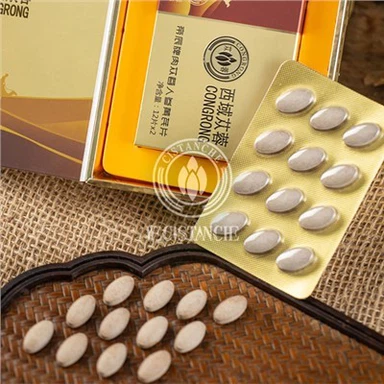
Click to Cistanche for kidney disease
Hemodialysis medical staff guide dialysis friends and family members to correctly understand the following 4 points are very important to learn together.
Point 1: Timely evaluation and diagnosis
The etiology of uremic itching is complex and difficult to cure. The itching of uremic patients has not received much attention in China, and the evaluation of itching has not formed routine. Itching is a subjective experience of the patient, so it needs to be evaluated from the patient's perspective. There are many kinds of itching assessment tools used in clinical practice, and the latest systematic review results recommend using the Adult Itch Assessment Scale (ISS) to assess the severity of itching in patients.
Timely identification, diagnosis and treatment are of great clinical significance to the management of urticaria pruritus.
The clinical characteristics of UP are mainly itching itself, which may be local skin itching at the beginning, and some patients will show systemic itching. If uremia becomes more severe, such as entering dialysis, the degree of itching will be worse. Uremia patients itching is more common on the back, in addition to the arms, head, abdomen and even the whole body. In terms of the duration of itching, the initial duration is short, a few minutes to dozens of minutes, and in the later stage, it will evolve into persistent itching, very itchy all day long. Patients will also leave a lot of scratches on the skin, more serious skin damage, bleeding, resulting in simple moss, nodular pruritus, keratinized papules and hair follicle hyperkeratosis, some patients can appear dry disease, such as severe skin desquamation and epidermal cracking.

In general, as long as the skin itching occurs in uremia patients, it is necessary to associate with UP, and it is not necessarily diagnosed as UP, and other causes of itching need to be ruled out. For example, diagnosis should rule out diseases of the skin itself: xerosis, eczematous dermatitis, urticaria, parasitic or fungal infections; Skin manifestations of systemic diseases should also be excluded: systemic lupus erythematosus, cirrhosis, biliary cirrhosis, diabetes, malignant tumors and neuropsychiatric pruritus. This requires a history, physical examination and some necessary tests.
Point 2: Strengthen dialysis management
Studies have shown that calcium, phosphate and parathyroid hormone have certain effects on the degree of pruritus. Compared with dialysis patients without pruritus, dialysis patients with pruritus have higher laboratory indexes of parathyroid hormone, phosphate and calcium.
In clinical practice, it is recommended that patients with uremic pruritus be adequately dialysis, calcium, phosphate, and parathyroid hormone are controlled at acceptable levels, and regular testing is performed. For example, in the treatment of refractory skin pruritus with hemoperfusion combined with hemodialysis, hemoperfusion can be performed every 1 week or every 2 weeks for patients with severe pruritus. Then there is high-throughput hemodialysis, which has a role in reducing the occurrence and degree of itching.
V anholder R et al have shown that different dialysis modes have different effects on toxin removal and improvement of pruritus symptoms. Hemofiltration (HDF) is better than hemodialysis (HD). Hemoperfusion (HP) was superior to HD and HDF, and hemodialysis combined with hemoperfusion (HD +HP) was superior to hemodialysis combined with hemoperfusion (HDF +HD) in improving pruritus.
The interaction between dialysis membranes and blood components may trigger inflammatory reactions and lead to a variety of long-term clinical sequelae. A dialysis membrane with good biocompatibility usually refers to a dialysis membrane that can make the patient's inflammatory response very mild.
The United States has recommended that all hemodialysis patients use biocompatible dialysis membranes to reduce patients' itching.
Point 3: Drug therapy and complementary alternative therapy to improve itching
PART.01
Emollients and coolants can relieve itching to some extent, but if not, topical anesthetics can be applied to the patient's local itching area as prescribed by the doctor (e.g. 1% promocaine cream, 2.5% lidocaine, 2.5% propylcaine hypoeutectic mixture cream, chloroethane spray, etc.) to relieve prurgability, but improper use of surface anesthetic may lead to systemic absorption and toxicity. In clinical practice, patients using this drug should be fully explained and the reaction after medication should be observed.
Antihistamines relieve itching through their sedative properties and ability to stabilize hyperactive cell membranes. Note: Studies have shown that some patients experience excessive sedation during daytime use, so patients are advised to use less sedative drugs (e.g., loratadine) during daytime use. Adverse neurological reactions such as dizziness and drowsiness should be closely monitored after gabapentin or pregabalin.
PART.02
In addition to conventional drug therapy, patients with conditions can use other complementary alternative therapies to relieve itching.
As follows:
For massage aromatherapy, essential oils such as peppermint, almond, Jojoba, peppermint, sunflower, lavender and tea tree oils can be used.
Acupressure, acupuncture or percutaneous electrical stimulation of Quchi points can help relieve itching, the frequency is 2-3 times a week.
The patient's physical condition should be assessed before the start of Chinese medicine bath therapy. Extremely weak patients are not suitable for this treatment. The water temperature during the bath should be controlled at 37 ~ 40℃, 2 ~ 3 times a week.
Music therapy recommends the use of soothing, soft music to help patients relax.
Adjuvant alternative therapy can relieve pruritus to a certain extent, with high safety and fewer adverse reactions compared with drugs, light therapy and other treatments. However, the evidence quality of its original studies is low. In clinical application, the feasibility and contraindication of different therapies should be fully considered to help patients choose appropriate adjuvant alternative therapy.
PART.03
Intractable pruritus is considered if the patient has been on adequate dialysis, has good metabolic control, and has been using topical emollients and analgesics for about 4 weeks, but the symptoms persist.
Other alternative treatments, especially surgery, can also be used.

Parathyroidectomy: Pruritus due to secondary hyperparathyroidism may be performed with parathyroidectomy. In maintenance dialysis patients with pruritus caused by hyperthyroidism, the effect of dialysis and drug therapy to improve pruritus symptoms is not ideal, so this method should be considered.
Physical therapy, such as light therapy, is more suitable for the improvement of skin circulation and some patients with skin ulcers, which can be applied in the early stage of itching or in the case of poor drug treatment. UVB light therapy should not be used in patients with intractable pruritus who have systemic lupus erythematosus or are receiving immunosuppressive therapy. For patients with intractable pruritus treated with UVB light therapy, healthcare professionals should discuss its potential carcinogenicity with patients and fully explain the adverse effects of the treatment (such as skin burning, blistering, etc.).
Kidney transplant surgery: The most fundamental means or kidney transplant surgery, there is a clear therapeutic effect, through a series of treatments can not solve the itch, can consider this method. Kidney transplantation can completely replace kidney function, and the treatment effect is better than dialysis, and the problem of itching can be solved naturally.
Point 4: Empower self-health management
Studies have shown that exposure to hot and dry environment can increase the frequency of pruritus or aggravate the degree of pruritus, and the incidence of dryness of skin is higher in patients with uremic pruritus. The medical staff should inform the patient or his family to pay attention to the temperature and humidity of the patient's environment. If the local skin is dry or itchy, topical emollients and cooling agents are recommended. If necessary, the local itchy skin is closed to ensure skin integrity and reduce the chance of infection. Materials that cause itching and irritation, such as close-fitting clothing or chemical fiber underwear, are not made of wool.
Stress and other mental factors may induce or aggravate chronic pruritus, so clinical nurses should establish a good nurse-patient relationship with patients, and give certain psychological support and encouragement to help patients establish confidence in treatment.
It is necessary to carry out health empowerment for uremic pruritus patients, including the management of daily contact items, emotional regulation, precautions, etc.
How Does Cistanche Treat Kidney Disease?
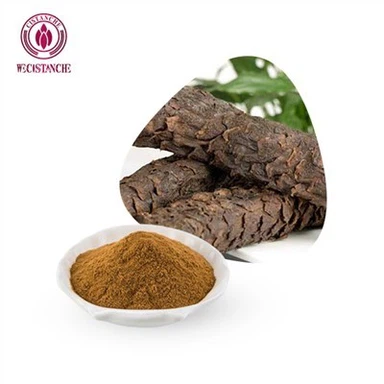
Cistanche is a traditional Chinese herbal medicine used for centuries to treat various health conditions, including kidney disease. It is derived from the dried stems of Cistanche deserticola, a plant native to the deserts of China and Mongolia. The main active components of cistanche are phenylethanoid glycosides, echinacoside, and acteoside, which have been found to have beneficial effects on kidney health.
Kidney disease, also known as renal disease, refers to a condition in which the kidneys are not functioning properly. This can result in a buildup of waste products and toxins in the body, leading to various symptoms and complications. Cistanche may help treat kidney disease ase through several mechanisms.
Firstly, cistanche has been found to have diuretic properties, meaning it can increase urine production and help eliminate waste products from the body. This can help relieve the burden on the kidneys and prevent the buildup of toxins. By promoting diuresis, cistanche may also help Reduce high blood pressure, a common complication of kidney disease.
Moreover, cistanche has been shown to have antioxidant effects. Oxidative stress, caused by an imbalance between the production of free radicals and the body's antioxidant defenses, plays a key role in the progression of kidney disease. ies help neutralize free radicals and reduce Oxidative stress, thereby protecting the kidneys from damage. The phenylethanoid glycosides found in cistanche have been particularly effective in scavenging free radicals and inhibiting lipid peroxidation.
Additionally, cistanche has been found to have anti-inflammatory effects. Inflammation is another key factor in the development and progression of kidney disease. Cistanche's anti-inflammatory properties help reduce the production of pro-inflammatory cytokines and inhibit the activation of inflammation mandatory pathways, thus alleviating inflammation in the kidneys.

Furthermore, cistanche has been shown to have immunomodulatory effects. In kidney disease, the immune system can be dysregulated, leading to excessive inflammation and tissue damage. Cistanche helps regulate the immune response by modulating the production and activity of immune cells, such as T cells and macrophages. This immune regulation helps reduce inflammation and prevent further damage to the kidneys.
Moreover, cistanche has been found to improve renal function by promoting the regeneration of renal tubes with cells. Renal tubular epithelial cells play a crucial role in the filtration and reabsorption of waste products and electrolytes. In kidney disease, these cells can be damaged, leading to damaged renal function. Cistanche's ability to promote the regeneration of these cells helps restore proper renal function and improve overall kidney health.
In addition to these direct effects on the kidneys, cistanche has been found to have beneficial effects on other organs and systems in the body. This holistic approach to health is particularly important in kidney disease, as the condition often affects multiple organs and systems. che has been shown to have protective effects on the liver, heart, and blood vessels, which are commonly affected by kidney disease. By promoting the health of these organs, cistanche helps improve overall kidney function and prevent further complications.
In conclusion, cistanche is a traditional Chinese herbal medicine used for centuries to treat kidney disease. Its active components have diuretic, antioxidant, anti-inflammatory, immunomodulatory, and regenerative effects, which help improve renal function and protect the kidneys from further damage. , cistanche has beneficial effects on other organs and systems, making it a holistic approach to treating kidney disease.