How To Treat Hyperphosphatemia in Hemodialysis Patients?
Jul 25, 2024
The incidence of chronic kidney disease is increasing year by year. About one in every 11-15 people has a chronic kidney disease patient. Chronic kidney disease has become a global "epidemic". Chronic kidney disease is often associated with multiple systemic complications, which bring great pain and economic burden to patients.

Click to Cistanche for kidney disease
Hyperphosphatemia is one of the common complications of patients with chronic kidney disease. What is hyperphosphatemia? What are the hazards of hyperphosphatemia? How do patients with chronic renal failure, especially those on maintenance hemodialysis, deal with hyperphosphatemia?
1. What is hyperphosphatemia?
Phosphorus is a macronutrient necessary for the human body. There are about 400~800g of phosphorus in the normal human body, of which 85% exists in bones and teeth, only 1% exists in extracellular fluid, and some are aggregated with proteins, which are distributed in muscle tissue, skin, nerve tissue, and organs. 20%~30% of phosphorus ingested through diet is excreted through the gastrointestinal tract, and 70~80% is excreted from the kidneys.
Normal human blood phosphorus concentration is 0.81-1.45mmol/l. When the serum phosphorus concentration exceeds 1.45mmol/l, it is diagnosed as hyperphosphatemia.
Hyperphosphatemia is a type of phosphorus metabolism disorder, which is an increase in phosphate intake, a decrease in excretion, or a disorder in redistribution. Acute and chronic renal insufficiency are the most common causes of hyperphosphatemia. Hyperphosphatemia is a common complication in patients with chronic renal failure.
2. Hazards of hyperphosphatemia
1) Cause or aggravate secondary hyperparathyroidism and aggravate calcium-phosphorus imbalance in the human body
Increased blood phosphorus stimulates the synthesis and secretion of parathyroid hormone. Based on the "theory of imbalance", excessive secretion of parathyroid hormone leads to "osteolysis" and further aggravates calcium-phosphorus metabolism disorder.
2) Causes skin itching
Calcium-phosphorus metabolism disorder leads to secondary hyperparathyroidism and phosphate deposition in the skin, which may cause skin itching. The higher the blood calcium, magnesium and phosphorus, the more abnormal calcium, magnesium and phosphorus deposition in the skin, the more severe the symptoms of skin itching will be, and the higher the frequency of occurrence will be.
3) Cause soft tissue or joint calcification
Long-term hyperphosphatemia in CKD patients is the initiating factor for metastatic calcification of soft tissue or joints.
4) Bone fragility, leading to bone pain and fractures
As CKD progresses, blood phosphorus levels gradually increase, followed by hyperparathyroidism, and enhanced osteolysis, directly or indirectly leading to increased bone fragility.
5) Cause vascular calcification
Hyperphosphatemia can lead to vascular calcification, especially cardiovascular calcification, promote cardiovascular disease and increase the risk of death.
3. Prevention and treatment of hyperphosphatemia
The "3D" principle of hyperphosphatemia treatment - Dialysis (adequate dialysis), Diet (diet control), Drugs (drug treatment).

1) Adequate dialysis
The effect of hemodialysis in removing phosphorus depends on the dialysis time, dialysis efficiency (determined by blood flow, dialysate flow and dialyzer area) and dialysis frequency. There is no significant difference in the effect of high-flux dialysis and low-flux dialysis in removing phosphorus.
Each 4-hour hemodialysis removes about 800-1000 mg of phosphorus. When conventional dialysis (3 times a week, 4 hours each time) is difficult to effectively control hyperphosphatemia, daily dialysis or long-term dialysis at night or combined with hemofiltration or hemoperfusion therapy can increase phosphorus removal.
2) Dietary control
For patients with chronic kidney disease stages 3-5 and those entering maintenance hemodialysis, dietary phosphorus intake should be limited to (800-1000 mg/d), or combined with other phosphorus-reducing measures.
Phosphorus is divided into organic phosphorus and inorganic phosphorus: organic phosphorus is mainly found in natural high-protein foods, such as animal protein (meat, eggs, milk, etc.), plant protein (beans, cereals, nuts, etc.), and the human body absorbs 40% to 60% of organic phosphorus in food. Inorganic phosphorus mainly comes from phosphorus-containing additives and exists in processed foods, with an absorption rate of about 90%.

It can be seen that in daily life, the intake of inorganic phosphorus foods should be avoided or reduced.
The core of dietary "phosphorus control" is to target processed foods and beverages, rather than nutritious high-protein foods such as meat, eggs, and soy products. Don't blindly fast for "phosphorus control", which will cause malnutrition.
How Does Cistanche Treat Kidney Disease?
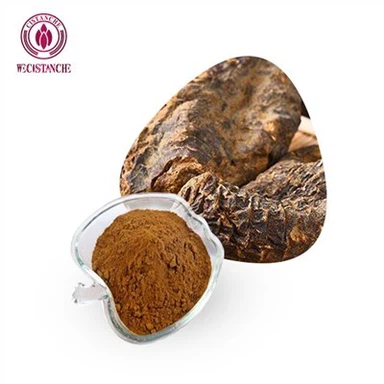
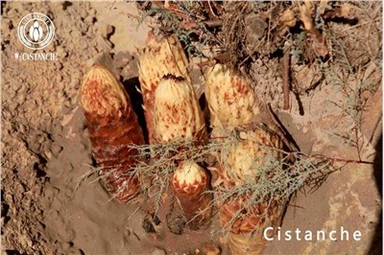
Cistanche is a traditional Chinese herbal medicine used for centuries to treat various health conditions, including kidney disease. It is derived from the dried stems of Cistanche deserticola, a plant native to the deserts of China and Mongolia. The main active components of cistanche are phenylethanoid glycosides, echinacoside, and acteoside, which have been found to have beneficial effects on kidney health.
Kidney disease, also known as renal disease, refers to a condition in which the kidneys are not functioning properly. This can result in a buildup of waste products and toxins in the body, leading to various symptoms and complications. Cistanche may help treat kidney disease ase through several mechanisms.
Firstly, cistanche has been found to have diuretic properties, meaning it can increase urine production and help eliminate waste products from the body. This can help relieve the burden on the kidneys and prevent the buildup of toxins. By promoting diuresis, cistanche may also help Reduce high blood pressure, a common complication of kidney disease.
Moreover, cistanche has been shown to have antioxidant effects. Oxidative stress, caused by an imbalance between the production of free radicals and the body's antioxidant defenses, plays a key role in the progression of kidney disease. ies help neutralize free radicals and reduce Oxidative stress, thereby protecting the kidneys from damage. The phenylethanoid glycosides found in cistanche have been particularly effective in scavenging free radicals and inhibiting lipid peroxidation.
Additionally, cistanche has been found to have anti-inflammatory effects. Inflammation is another key factor in the development and progression of kidney disease. Cistanche's anti-inflammatory properties help reduce the production of pro-inflammatory cytokines and inhibit the activation of inflammation mandatory pathways, thus alleviating inflammation in the kidneys.
Furthermore, cistanche has been shown to have immunomodulatory effects. In kidney disease, the immune system can be dysregulated, leading to excessive inflammation and tissue damage. Cistanche helps regulate the immune response by modulating the production and activity of immune cells, such as T cells and macrophages. This immune regulation helps reduce inflammation and prevent further damage to the kidneys.

Moreover, cistanche has been found to improve renal function by promoting the regeneration of renal tubes with cells. Renal tubular epithelial cells play a crucial role in the filtration and reabsorption of waste products and electrolytes. In kidney disease, these cells can be damaged, leading to damaged renal function. Cistanche's ability to promote the regeneration of these cells helps restore proper renal function and improve overall kidney health.
In addition to these direct effects on the kidneys, cistanche has been found to have beneficial effects on other organs and systems in the body. This holistic approach to health is particularly important in kidney disease, as the condition often affects multiple organs and systems. che has been shown to have protective effects on the liver, heart, and blood vessels, which are commonly affected by kidney disease. By promoting the health of these organs, cistanche helps improve overall kidney function and prevent further complications.
In conclusion, cistanche is a traditional Chinese herbal medicine used for centuries to treat kidney disease. Its active components have diuretic, antioxidant, anti-inflammatory, immunomodulatory, and regenerative effects, which help improve renal function and protect the kidneys from further damage. , cistanche has beneficial effects on other organs and systems, making it a holistic approach to treating kidney disease.