If Kidney Disease Is Well Controlled By These Two Points, It Will Basically Not End Up With Uremia!
May 06, 2024
After suffering from kidney disease, the question that patients with kidney disease are most concerned about is "Will I really become toxic? When will I become toxic?"
Because everyone's condition is different, their living and eating habits are different, and their kidney function progresses at different rates, so eventually becoming uremic is not the only outcome for kidney disease patients.

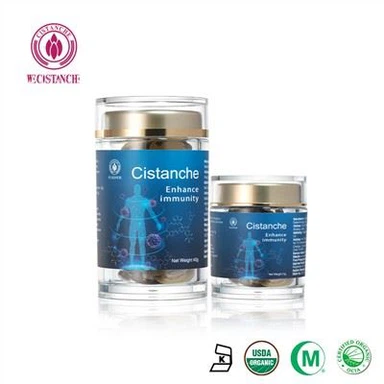
Click to Cistanche for kidney disease
For patients with kidney disease, the two prerequisites for maintaining uremia are blood pressure and urinary protein. The blood pressure should be controlled below 130/80mmHg. Of course, the lower the blood pressure, the better. The 24-hour urine protein quantity should be below 0.5 grams. A large number of studies have shown that urinary protein and high blood pressure are two major risk factors affecting the progression of kidney disease. Therefore, controlling urinary protein and blood pressure is an important strategy to delay the progression of kidney disease.
So, how can patients with kidney disease reduce urinary protein and control blood pressure to reach the target?
Let's first explore how to reduce urinary protein. Generally speaking, a 24-hour urine protein quantification of less than 150 mg is within the normal range. The 24-hour urine protein quantification of patients with kidney disease should be controlled below 500mg.
First, control sodium intake. It is appropriate to control 24-hour urinary sodium within the range of 50-90mmol.
Clinically, drug regimens for lowering urinary protein can be roughly divided into two categories: non-immune regimens and immunization regimens:
Non-immune medication regimen:
① RAS blockers (primer drugs and sartan drugs) can not only lower blood pressure, but also reduce intraglomerular pressure, reduce urinary protein, and delay the progression of renal function;
②SGLT2 inhibitors (dapagliflozin, empagliflozin, etc.) can reduce urinary protein and delay the progression of renal function;
③ Endothelin receptor antagonists (ambrisentan, bosentan) can reduce urinary protein and delay the progression of renal function;
④Aldosterone antagonists (spironolactone, fenelidone) reduce urinary protein and delay the progression of renal function.

Immunization medication plan:
① Glucocorticoids; ② Immunosuppressive agents, usually used in combination with glucocorticoids; ③ Immunomodulators; ④ Targeted drugs (budesonide, Tatacept).
Under current medical conditions, most proteinuria can be well-treated, alleviated, or even cured.
Let's talk about it again, how to effectively control the blood pressure of patients with kidney disease?
We all know that a healthy lifestyle and diet play an important role in controlling blood pressure. In daily life, patients need to maintain a light diet, limit sodium intake, and control 24-hour urinary sodium within the range of 50-90mmol; insist on moderate-intensity aerobic exercise for 30-60 minutes a day at least 3-5 days a week. Helps lower blood pressure.
Drug treatment plan: The new version of the KDIGO guideline recommends that patients with 24-hour proteinuria >0.5g, regardless of whether they are complicated with hypertension, should use pramide or satan antihypertensive drugs. Secondly, you can choose calcium ion antagonists, beta-blockers, etc.

Whether it is reducing proteinuria or controlling blood pressure, there is another drug that can take care of both while protecting kidney function. It is currently widely used in the treatment of kidney diseases such as chronic glomerulonephritis, diabetic nephropathy, and chronic renal insufficiency. It's piperazine ferulate.
How Does Cistanche Treat Kidney Disease?
Cistanche is a traditional Chinese herbal medicine used for centuries to treat various health conditions, including kidney disease. It is derived from the dried stems of Cistanche deserticola, a plant native to the deserts of China and Mongolia. The main active components of cistanche are phenylethanoid glycosides, echinacoside, and acteoside, which have been found to have beneficial effects on kidney health.
Kidney disease, also known as renal disease, refers to a condition in which the kidneys are not functioning properly. This can result in a buildup of waste products and toxins in the body, leading to various symptoms and complications. Cistanche may help treat kidney disease ase through several mechanisms.
Firstly, cistanche has been found to have diuretic properties, meaning it can increase urine production and help eliminate waste products from the body. This can help relieve the burden on the kidneys and prevent the buildup of toxins. By promoting diuresis, cistanche may also help Reduce high blood pressure, a common complication of kidney disease.
Moreover, cistanche has been shown to have antioxidant effects. Oxidative stress, caused by an imbalance between the production of free radicals and the body's antioxidant defenses, plays a key role in the progression of kidney disease. ies help neutralize free radicals and reduce Oxidative stress, thereby protecting the kidneys from damage. The phenylethanoid glycosides found in cistanche have been particularly effective in scavenging free radicals and inhibiting lipid peroxidation.
Additionally, cistanche has been found to have anti-inflammatory effects. Inflammation is another key factor in the development and progression of kidney disease. Cistanche's anti-inflammatory properties help reduce the production of pro-inflammatory cytokines and inhibit the activation of inflammation mandatory pathways, thus alleviating inflammation in the kidneys.
Furthermore, cistanche has been shown to have immunomodulatory effects. In kidney disease, the immune system can be dysregulated, leading to excessive inflammation and tissue damage. Cistanche helps regulate the immune response by modulating the production and activity of immune cells, such as T cells and macrophages. This immune regulation helps reduce inflammation and prevent further damage to the kidneys.

Moreover, cistanche has been found to improve renal function by promoting the regeneration of renal tubes with cells. Renal tubular epithelial cells play a crucial role in the filtration and reabsorption of waste products and electrolytes. In kidney disease, these cells can be damaged, leading to damaged renal function. Cistanche's ability to promote the regeneration of these cells helps restore proper renal function and improve overall kidney health.
In addition to these direct effects on the kidneys, cistanche has been found to have beneficial effects on other organs and systems in the body. This holistic approach to health is particularly important in kidney disease, as the condition often affects multiple organs and systems. che has been shown to have protective effects on the liver, heart, and blood vessels, which are commonly affected by kidney disease. By promoting the health of these organs, cistanche helps improve overall kidney function and prevent further complications.
In conclusion, cistanche is a traditional Chinese herbal medicine used for centuries to treat kidney disease. Its active components have diuretic, antioxidant, anti-inflammatory, immunomodulatory, and regenerative effects, which help improve renal function and protect the kidneys from further damage. , cistanche has beneficial effects on other organs and systems, making it a holistic approach to treating kidney disease.