Fertilizer For The Brain: How Cistanche Tubulosa Boosts BDNF And Supports Long-Term Cognitive Health
Sep 20, 2026
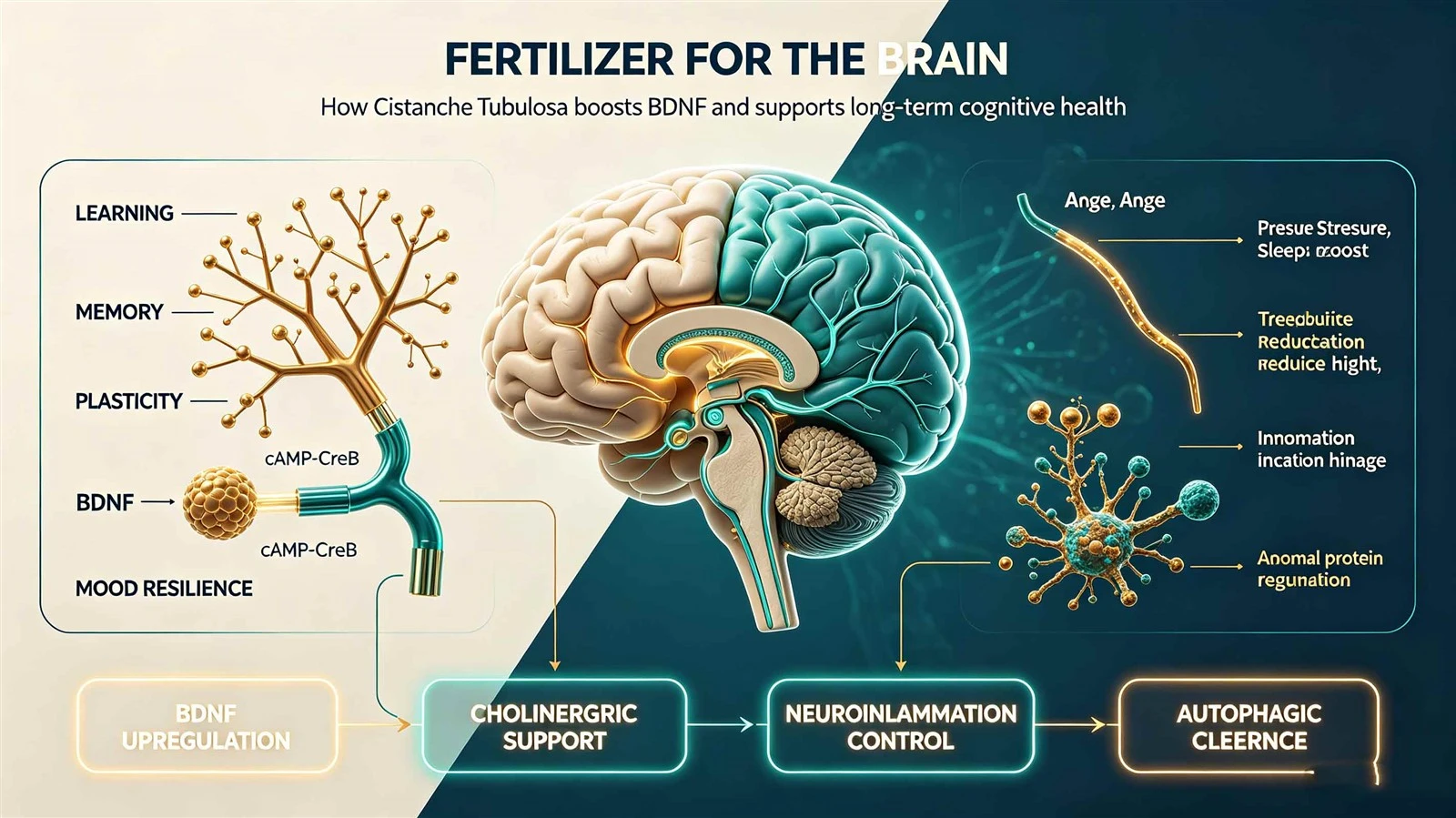
The human brain contains approximately 86 billion neurons, each forming thousands of synaptic connections with its neighbors. This network is not static. Throughout life, it retains the capacity to rewire itself-to strengthen existing connections, form new ones, and adapt to new challenges. This capacity is called neuroplasticity, and it is the cellular basis of all learning, memory, and cognitive resilience. The master regulator of neuroplasticity is a protein called brain-derived neurotrophic factor. BDNF is often described as "fertilizer for the brain"-it promotes the survival of existing neurons, encourages the growth of new dendritic spines, and is essential for long-term potentiation, the cellular mechanism of learning. High BDNF levels are associated with sharp memory, stable mood, and resilience against neurodegenerative disease. Low BDNF is a hallmark of depression, Alzheimer's disease, and age-related cognitive decline. Cistanche tubulosa, a desert plant with two thousand years of traditional use as a brain tonic, is being studied for its ability to upregulate BDNF and support the neuroplasticity that underlies lifelong cognitive health. Its active ingredients echinacoside and acteoside work through complementary mechanisms to nourish and protect the brain.
Why BDNF Matters for Brain Health
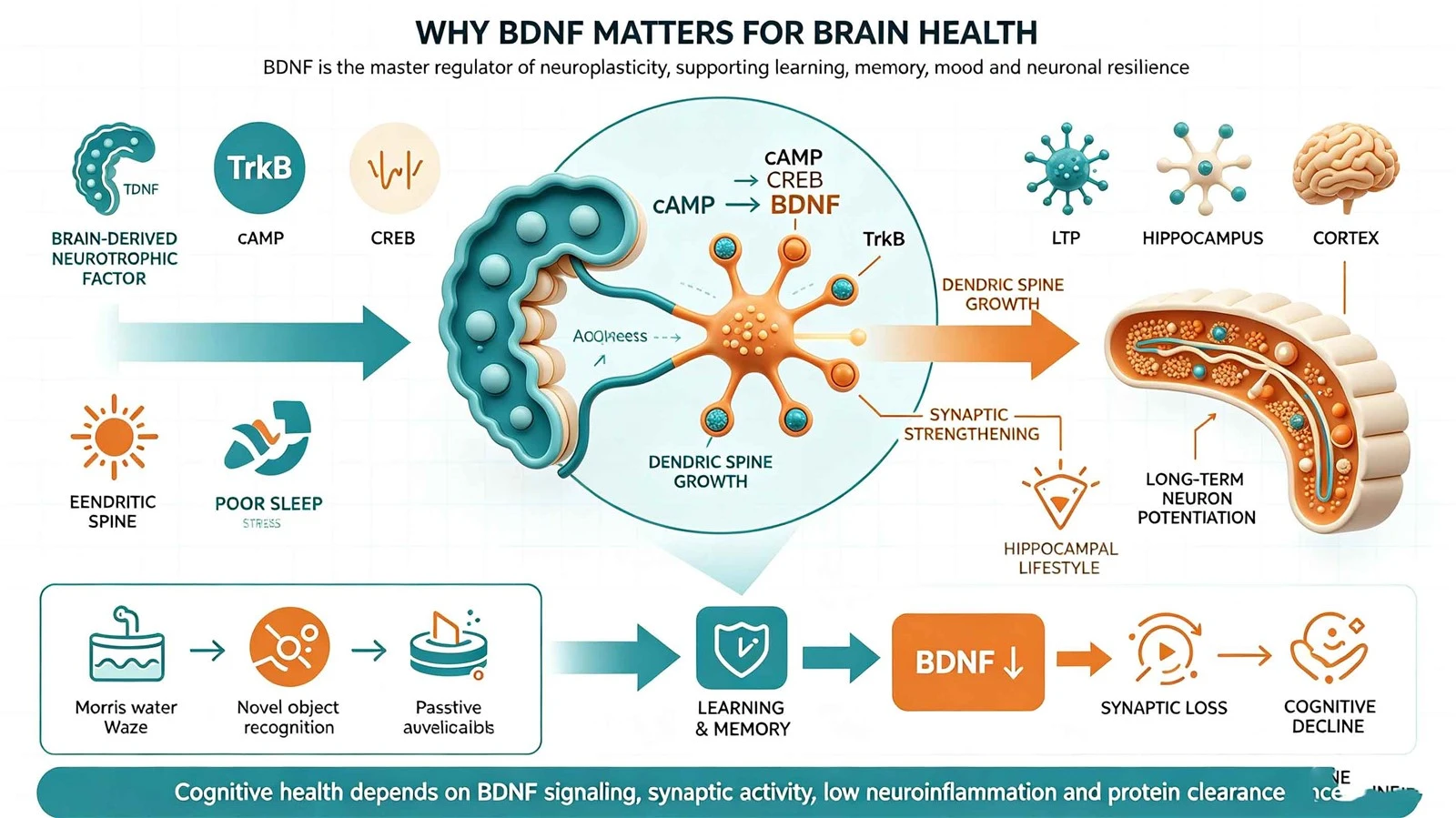
BDNF is a member of the neurotrophin family of growth factors. It is produced throughout the brain, with particularly high concentrations in the hippocampus-the region essential for learning and memory-and the cortex. When neurons are active, they release BDNF, which binds to TrkB receptors on neighboring neurons and triggers a cascade of signaling events that promote cell survival, synaptic growth, and plasticity.
The importance of BDNF extends far beyond memory. It supports mood regulation; low BDNF is consistently found in depression and is thought to contribute to the hippocampal atrophy seen in chronic depression. It supports metabolic health; BDNF signaling in the hypothalamus regulates appetite and energy balance. And it supports neuroprotection; BDNF protects neurons from oxidative stress, excitotoxicity, and apoptosis, making it a critical defense against neurodegenerative disease.
BDNF levels decline with age, chronic stress, poor sleep, and sedentary lifestyle. They increase with exercise, enriched environments, social engagement, and certain pharmacological and botanical interventions. The search for ways to safely raise BDNF is one of the most active areas of cognitive health research. Cistanche tubulosa's phenylethanoid glycosides are demonstrating the ability to do exactly that.
How Cistanche Tubulosa Supports Brain Health
1. Activating the cAMP-CREB Pathway to Boost BDNF Expression
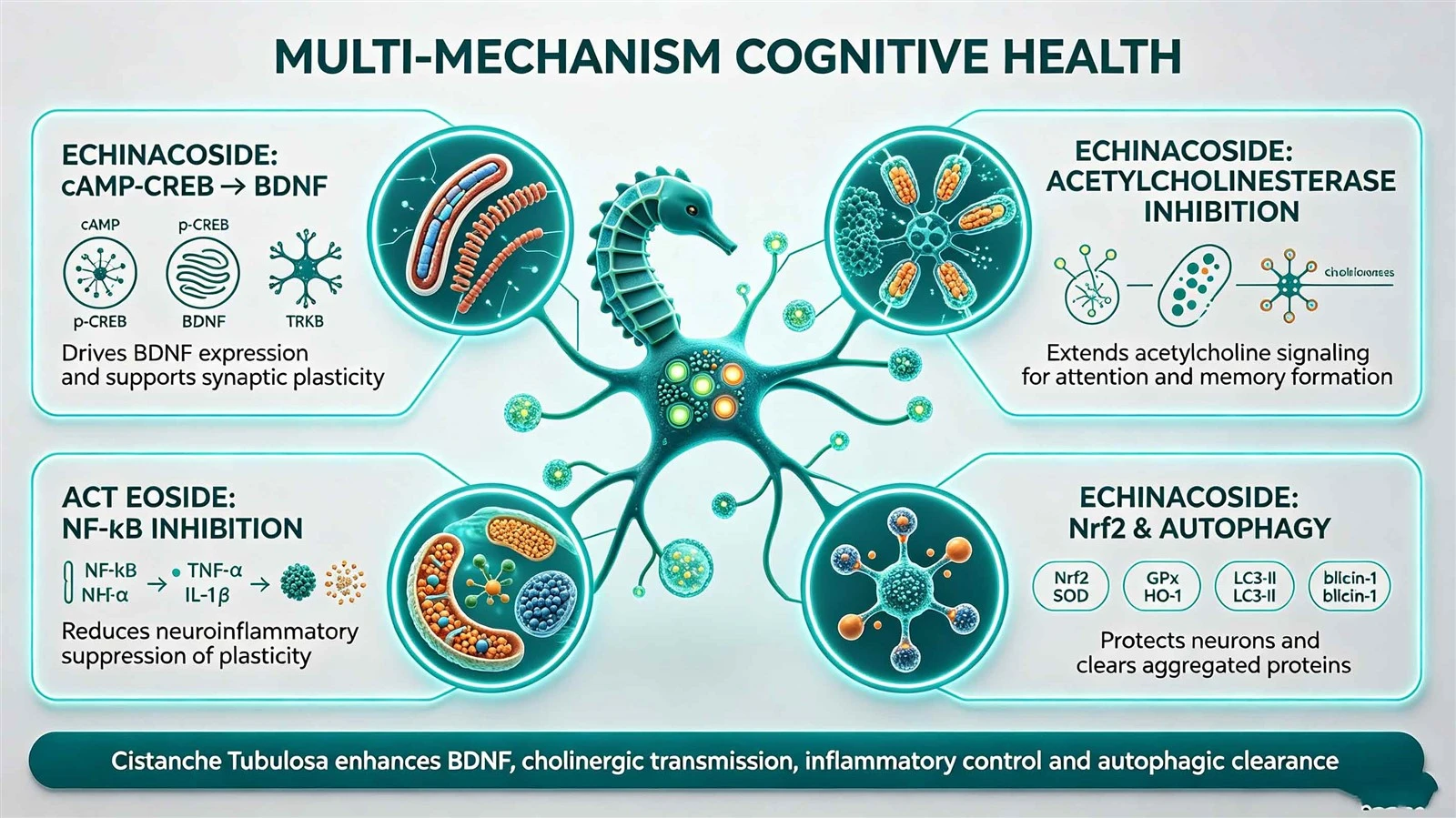
Echinacoside has been shown to activate the cAMP-CREB signaling pathway, the master regulator of BDNF expression. By increasing intracellular cAMP levels and promoting CREB phosphorylation, echinacoside drives the transcription of the BDNF gene. Elevated BDNF then promotes dendritic spine growth, enhances long-term potentiation, and supports the survival of hippocampal neurons. This mechanism is directly analogous to the way exercise and enriched environments enhance cognitive function-both act through the same BDNF pathway. A pivotal study published in Phytomedicine demonstrated that echinacoside protected hippocampal neurons from corticosterone-induced damage and significantly increased BDNF mRNA and protein expression. In animal models of cognitive impairment, Cistanche extract improved performance on the Morris water maze, novel object recognition, and passive avoidance tests-standard measures of hippocampal-dependent learning and memory.
2. Protecting Acetylcholine and Enhancing Cholinergic Transmission
Echinacoside is a natural acetylcholinesterase inhibitor. By reducing the enzymatic breakdown of acetylcholine, it extends the neurotransmitter's half-life in the synaptic cleft, enhancing cholinergic signaling in the hippocampus and cortex. This is the same mechanism through which prescription Alzheimer's drugs like donepezil work, though echinacoside acts with a gentler, modulatory profile. Stronger cholinergic signaling means better attention, faster encoding, and more reliable memory formation.
3. Reducing Neuroinflammation That Suppresses Plasticity
Chronic neuroinflammation is a potent suppressor of synaptic plasticity. Pro-inflammatory cytokines like TNF-α and IL-1β interfere with long-term potentiation, impair BDNF signaling, and promote the loss of dendritic spines. Acteoside, through its potent NF-κB inhibition, suppresses the production of these cytokines in microglia. By calming neuroinflammation, it helps create the quiescent neurochemical environment that learning requires. This anti-inflammatory effect is particularly important for individuals under chronic stress, in whom elevated inflammatory markers are associated with impaired cognitive function.
4. Protecting Neurons from Oxidative Damage Through Nrf2 Activation
Oxidative stress damages neurons, impairs synaptic function, and accelerates the accumulation of the protein aggregates that characterize Alzheimer's and Parkinson's diseases. Echinacoside's Nrf2 activation upregulates the brain's own antioxidant enzymes-superoxide dismutase, glutathione peroxidase, heme oxygenase-1, and catalase-that neutralize reactive oxygen species before they can damage neuronal structures. This protection extends to the mitochondria of neurons, preserving the energy production needed for synaptic transmission and plasticity.
5. Enhancing Autophagic Clearance of Toxic Proteins
The accumulation of misfolded proteins-amyloid-beta in Alzheimer's disease, alpha-synuclein in Parkinson's disease-is a central driver of neurodegeneration. Echinacoside enhances autophagy, the cell's internal recycling system, by upregulating key autophagy proteins like LC3-II and Beclin-1. By promoting the clearance of aggregated proteins, it helps neurons maintain a clean intracellular environment, preserving synaptic function and preventing the toxicity of protein aggregates.
A comprehensive 2022 review in Frontiers in Pharmacology catalogs the neuroprotective, cognitive-enhancing, anti-inflammatory, and antioxidant properties of Cistanche tubulosa, confirming the multi-mechanism basis for its application in cognitive health and neuroprotection. (Frontiers in Pharmacology review)
The Active Ingredients for Brain Health
The cognitive benefits are driven by echinacoside and acteoside. Echinacoside is the primary BDNF upregulator, acetylcholinesterase inhibitor, Nrf2 activator, and autophagy enhancer. Acteoside is the primary NF-κB inhibitor and anti-inflammatory agent. Both cross the blood-brain barrier, making them directly available to the hippocampal and cortical circuits that support learning and memory. A standardized extract containing 20–40% total phenylethanoid glycosides is essential. The evidence-informed dose for brain health is 400–600 mg daily, taken with breakfast.
Integrating Cistanche for Cognitive Health
For cognitive support, Cistanche should be taken consistently-daily, with a meal-as a long-term strategy. Its effects are cumulative: BDNF upregulation, synaptic remodeling, and mitochondrial biogenesis operate over weeks to months. It pairs synergistically with the most powerful known enhancer of BDNF: aerobic exercise. Cognitive stimulation-learning a new language, playing a musical instrument, engaging with complex material-provides the neural activity that BDNF supports. Adequate sleep is essential, as memory consolidation occurs during deep sleep. And a diet rich in omega-3 fatty acids provides the building blocks for synaptic membranes. Cistanche is not a shortcut, but a botanical amplifier of the brain's own plasticity machinery.
For those seeking reliable, research-grade cognitive support, we offer Cistanche tubulosa extract products with verified active ingredient content.
Safety and Medical Context
Cistanche tubulosa is well tolerated with a centuries-long safety record. It does not cause the side effects-nausea, insomnia, anxiety-associated with some synthetic cognitive enhancers. However, significant cognitive decline, confusion, or memory loss warrants thorough neurological evaluation to rule out underlying conditions. This botanical is a supportive, preventive tool for cognitive enhancement and age-related cognitive health, not a substitute for medical diagnosis or treatment.