In-depth Analysis Of The Latest Research Trends Of Kidney Disease, To Explore The Rationalization Of Standardized Treatment in Clinical Practice
Oct 31, 2024
SGLT2i was originally developed as a hypoglycemic agent. However, in recent years, with the emergence of a large number of RCT research results, the clinical understanding of the role of SGLT2i in kidney protection has become more and more, making it gradually become the basic treatment of CKD, and its excellent "cross-border effect" has been widely recognized by clinicians. There was also a study at this meeting showing that the effect of SGLT2i on the renal complex endpoint was more pronounced in patients with fast-progressing CKD than placebo.

Click to Cistanche for kidney disease
In addition, of the CKD caused by glomerulonephritis, IgA nephropathy is the most common type. Analysis of the CPO-IGAN program presented at this meeting showed that 74.3% of IgA nephropathy patients in China were treated with renin-angiotensin system inhibitor (RASi), 46.0% with glucocorticoid, 6.2% with mycophenolate and 5.4% with SGLT2i (the enrolled population was consistent with the diagnosis of CKD, SGLT2i is used according to the instructions) 2. Since 2019, the use of SGLT2i in Chinese patients has been on the rise. Of note, nearly half (47.8%) of patients were focused on SGLT2i therapy in 2023. Logistic regression analysis showed that clinician use of SGLT2i was associated with age (35-45 years) and having type 2 diabetes mellitus (T2DM) 3. This study reveals the current use of SGLT2i in IgA nephropathy patients in China, which is mainly related to diabetes status, suggesting that clinicians may view SGLT2i more as a diabetes drug than a nephropathy treatment, suggesting that there is an urgent need to raise awareness and education among clinicians about the benefits of SGLT2i in IgA nephropathy patients.
In clinical practice, early identification, screening and diagnosis should be carried out as early as possible. The greater the benefit of treatment, especially for patients with high-risk characteristics of CKD, early treatment can improve the prognosis of patients and reduce the heavy burden brought by CKD to patients and society.

Early initiation of treatment includes patient self-management, doctor-patient decision making, and medication. The combination of RASi, SGLT2i, and salocorticoid receptor antagonist (MRA) can optimize renal prognosis. Specifically, for patients with CKD, regardless of baseline proteinuria, it is recommended to start SGLT2i, which is clinically proven to be beneficial for both the kidney and the heart, and to continue with SGLT2i at low eGFR levels until the patient progresses to renal failure and requires dialysis or kidney transplant4.
In terms of diagnosis, in addition to the well-known eGFR and urinary albumin creatinine ratio (UACR) as indicators for screening and follow-up of CKD, there are currently no validated serum and urine biomarkers for adjuvant diagnosis in CKD of different etiology, such as IgA nephropathy, focal segmental glomerulosclerosis (FSGS), membranous nephropathy (MN), etc. It is hoped that in the future in clinical diagnosis, new biomarkers will appear to improve the diagnosis rate of CKD, so as to use drugs as early as possible.
Based on existing drugs, new use of old drugs, cross-border cooperation is also very important. In recent years, SGLT2i can reduce the reabsorption of glucose and sodium in the proximal convoluted tubules, increase the urinary excretion of glucose and sodium, further reduce glomerular pressure through "tubule feedback", reduce tubular load, relieve glomerular hyperfiltration, and improve local hypoxia, thereby playing a renal protective role 6-8. At present, numerous clinical research data have been accumulated for SGLT2i, but the use of SGLT2I in clinical practice is still insufficient, 2,3. Therefore, clinicians should absorb and integrate existing evidence-based evidence, follow relevant guidelines and recommendations, and promote the standardized application of superior drugs. At the same time, it is hoped that patients can acquire more knowledge about CKD, and the doctor-patient joint decision-making can be further strengthened, so as to effectively delay the progression of CKD, improve the treatment outcome of more CKD patients, and enable patients to have a better quality of life.

New drugs can reduce the risk of kidney disease progression, and new evidence of evidence-based medicine continues to emerge. Societies, associations and coalitions of nephropathy organizations in various countries should establish reasonable treatment paths and processes, update relevant practice guidelines or consensus, and better apply new concepts and means to practice, especially for primary doctors, who can gradually and skillfully advance in clinical practice according to the recommendations of the guidelines.
How Does Cistanche Treat Kidney Disease?
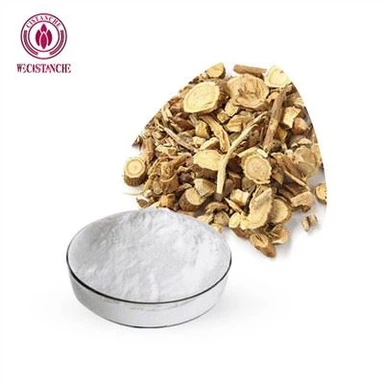
Cistanche is a traditional Chinese herbal medicine used for centuries to treat various health conditions, including kidney disease. It is derived from the dried stems of Cistanche deserticola, a plant native to the deserts of China and Mongolia. The main active components of cistanche are phenylethanoid glycosides, echinacoside, and acteoside, which have been found to have beneficial effects on kidney health.
Kidney disease, also known as renal disease, refers to a condition in which the kidneys are not functioning properly. This can result in a buildup of waste products and toxins in the body, leading to various symptoms and complications. Cistanche may help treat kidney disease ase through several mechanisms.
Firstly, cistanche has been found to have diuretic properties, meaning it can increase urine production and help eliminate waste products from the body. This can help relieve the burden on the kidneys and prevent the buildup of toxins. By promoting diuresis, cistanche may also help Reduce high blood pressure, a common complication of kidney disease.
Moreover, cistanche has been shown to have antioxidant effects. Oxidative stress, caused by an imbalance between the production of free radicals and the body's antioxidant defenses, plays a key role in the progression of kidney disease. ies help neutralize free radicals and reduce Oxidative stress, thereby protecting the kidneys from damage. The phenylethanoid glycosides found in cistanche have been particularly effective in scavenging free radicals and inhibiting lipid peroxidation.
Additionally, cistanche has been found to have anti-inflammatory effects. Inflammation is another key factor in the development and progression of kidney disease. Cistanche's anti-inflammatory properties help reduce the production of pro-inflammatory cytokines and inhibit the activation of inflammation mandatory pathways, thus alleviating inflammation in the kidneys.

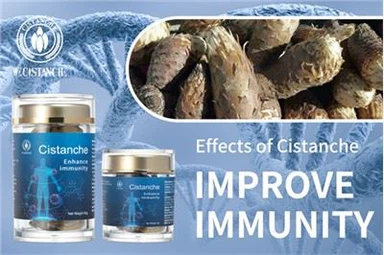
Furthermore, cistanche has been shown to have immunomodulatory effects. In kidney disease, the immune system can be dysregulated, leading to excessive inflammation and tissue damage. Cistanche helps regulate the immune response by modulating the production and activity of immune cells, such as T cells and macrophages. This immune regulation helps reduce inflammation and prevent further damage to the kidneys.
Moreover, cistanche has been found to improve renal function by promoting the regeneration of renal tubes with cells. Renal tubular epithelial cells play a crucial role in the filtration and reabsorption of waste products and electrolytes. In kidney disease, these cells can be damaged, leading to damaged renal function. Cistanche's ability to promote the regeneration of these cells helps restore proper renal function and improve overall kidney health.
In addition to these direct effects on the kidneys, cistanche has been found to have beneficial effects on other organs and systems in the body. This holistic approach to health is particularly important in kidney disease, as the condition often affects multiple organs and systems. che has been shown to have protective effects on the liver, heart, and blood vessels, which are commonly affected by kidney disease. By promoting the health of these organs, cistanche helps improve overall kidney function and prevent further complications.
In conclusion, cistanche is a traditional Chinese herbal medicine used for centuries to treat kidney disease. Its active components have diuretic, antioxidant, anti-inflammatory, immunomodulatory, and regenerative effects, which help improve renal function and protect the kidneys from further damage. , cistanche has beneficial effects on other organs and systems, making it a holistic approach to treating kidney disease.