In Vitro Anti-ageing Activities Of Ethanolic Extracts From Pink Rambutan (Nephelium Lappaceum Linn.) For Skin Applications Part 2
Jun 19, 2023
A cytotoxicity study of plant extracts involving normal mammalian or human cells must be conducted before a given plant extract can eventually be investigated for evaluation in animal models and clinical trials. Our study showed that all the PR extracts at the concentrations of 0.01 and 0.1 mg/mL had no cytotoxicity on the B16F10 cells and normal human skin fibroblasts, respectively, indicating non-toxicity for dermal applications such as cosmetics, cosmeceuticals, and pharmaceuticals, and there was the proper concentration for investigation of the anti-melanogenesis on B16F10 cells and collagen biosynthesis on human skin fibroblasts. The cytotoxic effect on the normal cells of the PR extracts at the higher concentrations of > 0.1 mg/mL in this experiment might probably cause cell damage and death. The different cytotoxic effects of the plant extracts depend on the cell types, which have different responses to the nature of plants and their biologically active compounds (Rezk et al., 2015).

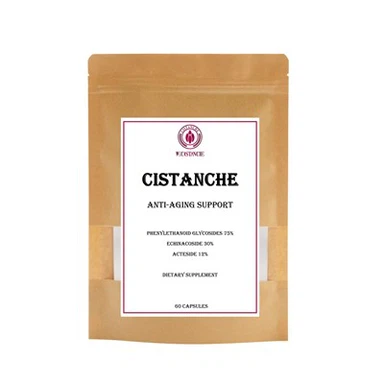
Glycoside of cistanche can also increase the activity of SOD in heart and liver tissues, and significantly reduce the content of lipofuscin and MDA in each tissue, effectively scavenging various reactive oxygen radicals (OH-, H₂O₂, etc.) and protecting against DNA damage caused by OH-radicals. Cistanche phenylethanoid glycosides have a strong scavenging ability of free radicals, a higher reducing ability than vitamin C, improve the activity of SOD in sperm suspension, reduce the content of MDA, and have a certain protective effect on sperm membrane function. Cistanche polysaccharides can enhance the activity of SOD and GSH-Px in erythrocytes and lung tissues of experimentally senescent mice caused by D-galactose, as well as reduce the content of MDA and collagen in lung and plasma, and increase the content of elastin, have a good scavenging effect on DPPH, prolong the time of hypoxia in senescent mice, improve the activity of SOD in serum, and delay the physiological degeneration of lung in experimentally senescent mice With cellular morphological degeneration, experiments have shown that Cistanche has the good antioxidant ability and has the potential to be a drug to prevent and treat skin aging diseases. At the same time, echinacoside in Cistanche has a significant ability to scavenge DPPH free radicals and has the ability to scavenge reactive oxygen species and prevent free radical-induced collagen degradation, and also has a good repair effect on thymine free radical anion damage.

Click Here To Know About Organic Cistanche
【For more info:george.deng@wecistanche.com / WhatApp:86 13632399501】
Hyperpigmentation can result from melanin overproduction, which is a sign of skin aging and diseases such as melasma and freckles (Ali and Naaz, 2018). Commonly, the inhibition of tyrosinase is a method for reducing skin pigmentation by controlling a rate-limiting enzyme and down-regulating melanogenesis, including tyrosinase-related proteins 1 and 2 (TRP1 and 2) and a-MSHstimulated microphthalmia-associated transcription factor (MITF) in melanogenesis (Lee et al., 2015, Serre et al., 2018, Panzella and Napolitano, 2019). The amounts of TFC, TPC, and quercetin, as well as tannins in the PR-R-Sox extract, might be responsible for inhibiting the mushroom tyrosinase activity and melanogenesis by forming divalent ions with the Cu (II) ion content of the enzyme to form insoluble complexes (Obaid et al., 2021). The structure of tannin contains a benzene ring with many hydroxyls (AOH) groups, which is very similar to the structure of tyrosine and might inhibit the oxidation process of the tyrosinase substrate (Chai et al., 2018). Many enzymes, including trypsin, amylase, and lipase, which contain Fe (II) and Zn (II) ions, can exhibit this effect. Lourith et al. (2017) reported that the extract of rambutan peels suppressed melanin production with a calculated cellular IC50 of 0.040 mg/mL.

Collagen is a fibrillar protein of the extracellular matrix, which is abundant in the body. The breakdown of collagen in organs, including bones, tendons, cartilage, and skin, resulting in a loss of elasticity and durability, can cause an aging process (Reilly et al., 2021). According to collagen biosynthesis, it starts with the transcription of collagen genes, translation, and translocation of the nascent polypeptide chain to the rough endoplasmic reticulum (rER). Then, it passes to highly complex processes including co-translational modification and folding, trafficking through the Golgi network, secretion, and maturation (Onursal et al., 2021). It was revealed that the PR extracts by the Maceration seemed to stimulate collagen biosynthesis more than the Soxhlet extraction. Although there is no previous report on the collagen biosynthesis of the PR extracts, many reports suggest the investigation of this activity in natural plants. Chutoprapat et al. (2020) reported that the ethanolic seed extract of Bambara groundnut, which contains flavonoids and tannins, stimulated collagen biosynthesis. It also suggests that a natural extract high in carotenoids can protect the skin from age-related collagen type I degradation (Meinke et al., 2017). The correlations between collagen biosynthesis and lipid peroxidation; and metal chelation, with the R2 coefficients of 0.677 and 0.689, respectively, were classified as strong positive correlations. As known, collagen can be damaged by ROS, whereas antioxidants inhibit ROS production, which can damage the biosynthesis of connective tissue, including collagen in fibroblasts, resulting in increased collagen biosynthesis (Tu and Quan, 2016). Darawsha et al. (2021) report that carotenoids, polyphenols, and estradiol could protect dermal fibroblasts from oxidative stress-induced damage through a reduction in ROS levels.

Generally, the NAD + -dependent histone deacetylase SIRT1 regulates glucose metabolism, DNA repair, neuroprotection, differentiation, vascular protection, and insulin secretion, whereas the transcription factor FOXO1 plays a role in several biological pathways, including apoptosis, oxidative stress, and cell cycle arrest (Grabowska et al., 2017, Mo et al., 2019). Both SIRT1 and FOXO1 have been studied for aging mechanisms in the oxidative phosphorylation system and restoring mitochondrial dysfunction such as insulin resistance, oxidative stress resistance, and metabolism in mammals, especially the development of aging (Sin et al., 2015, Son et al., 2021). Natural phytochemicals, both polyphenols (quercetin, resveratrol, fisetin, and curcumin) and non-polyphenols (berberine) can modulate Sirt1 and Foxo1 mRNA expression and activity for the prevention and treatment of stress-related oxidative diseases (Iside et al., 2020). Resveratrol (3,5,4- trihydroxystilbene) derived from grape skin is an effective SIRT1 and FOXO1 activator, extending the lifespan of aged mice, regulating aging-related factors by decreasing insulin-like growth factor- 1, increasing AMP-activated protein kinase and PPAR-coactivator 1, decreasing the level of malondialdehyde and fibronectin in the renal cortex, and increasing superoxide activity (Son et al. Upregulation of Sirt1 and Foxo1 mRNA expression on various cells in response to natural plant extracts and phytochemicals has been reported in vitro and in vivo. Son et al. (2021) discovered that a Prunus mume seed extract can up-regulate Sirt1 mRNA expression, increase collagen levels, and decrease metalloproteinase 1 mRNA expression in mouse dorsal skin tissue. Verbascoside and lycopene increased SIRT1 activity in rabbit liver and heart tissues while also improving blood lipid and glycemic profiles (Corbi et al., 2018). The extract from Dracocephalum kotschyi significantly enhanced pFOXO1, p-AKT, SREBP-1, and PPARc expressions in the lipid metabolism of adipose tissue (Aslian and Yazdanparast, 2018). Tabatabaie and Yazdanparast's (2017) study reveals that the Teucrium polium extract could up-regulate Pdx1 and p-FoxO1 proteins and reduce p-JNK expression in diabetic rats. The extracts of Retama monosperma (L.) Bois's seed and flowers, and the isolated flavonoids, including quercetin, genistein, 6-methoxy kaempferol, and kaempferol, can enhance Sirt1 and Sirt3 gene expression in HaCaT cells and show anti-oxidative activity (Zefzoufi et al., 2021). The stimulation of Sirt1 and Foxo1 mRNA expression by the extracts from Pink rambutan (Nephelium lappaceum Linn.) is reported for the first time. Punicalagin hydrolyzable tannin is found in pomegranates and could increase the total FOXO1 protein and enhance its nuclear translocation (Liu et al., 2019), and enhance SIRT1 nuclear distribution and NRF-2-HO-1 signaling, resulting in a reduction of the inflammatory response, nitrosative stress, and cardiac oxidative stress induced by the myocardial ischemia/reperfusion (MI/R) operation (Yu et al., 2019). It has also been reported that hydrolyzable tannins from other plants, including gallic acid, geraniin, ellagic acid, and corilagin, have been found in the peels of N. lappaceum Linn. with anti-hyperglycemic and antioxidant properties (Monrroy et al., 2020), which might have stimulation activity on Sirt1 and Foxo1 genes similar to punicalagin.

According to the findings, the anti-aging properties of most PR extracts may be attributed to phytochemical constituents such as phenolic and flavonoid content, as well as quercetin. However, there is a weak positive correlation between the quercetin content and all anti-aging activities in these experiments. As a result, other phytochemicals in the PR extract, such as ellagic acid, corilagin, geraniin, and rutin, may be responsible for the anti-aging properties (Phuong et al., 2019; Phuong et al., 2020).
5. Conclusion
Presently, natural anti-aging ingredients and products have become popular worldwide, including in Thailand. The rambutan is an indigenous plant of Klung District, Chanthaburi Province, in the eastern part of Thailand. The pharmaceutical activity of the Pink rambutan including its anti-aging activity would be beneficial to promoting the utilization of valuable natural sources for the development of innovative products. We highlight the Pink rambutan from ripe peels extracted by the Soxhlet extraction (PR-R-Sox) extract as a whitening agent since it exhibits the highest tyrosinase inhibition and anti-melanogenesis activities, and also the Pink rambutan from young peels extracted by the Soxhlet extraction (PR-Y-Sox) extract as an anti-wrinkle agent because it exhibits the highest stimulation of anti-aging Sirt1 and Foxo1 genes, collagen biosynthesis, and anti-oxidation activity. This study suggested that the PR extracts can be further developed as natural anti-aging of bioactive substances in the cosmetic, cosmeceutical, and pharmaceutical industries. Further studies are required to a fraction or isolate anti-aging compounds from the PR extracts as well as the improvement of skin permeation and efficiency by nanotechnology.

Declaration of Competing Interest
The authors declare that they have no known competing financial interests or personal relationships that could have appeared to influence the work reported in this paper.
Acknowledgments
We would like to acknowledge the National Research Council of Thailand (NRCT) (Contract No. IRF01126001), Thailand for financial support; and the Rajamangala University of Technology Thanyaburi (RMUTT), Thailand for laboratory facility and equipment.
References
Ali, S.A., Naaz, I., 2018. Biochemical aspects of mammalian melanocytes and the emerging role of melanocyte stem cells in dermatological therapies. Int. J. Health Sci. (Qassim) 12 (1), 69–76.
Araujo, N.M.P., Arruda, H.S., Marques, D.R.P., de Oliveira, W.Q., Pereira, G.A., Pastore, G.M., 2021. Functional and nutritional properties of selected Amazon fruits: a review. Food Res. Int. 147,
Aslian, S., Yazdanparast, R., 2018. Hypolipidemic activity of Dracocephalum kotschyi involves FOXO1-mediated modulation of PPARgamma expression in adipocytes. Lipids Health Dis. 17 (1), 245.
Bakır, T., Sönmezoglu, _ I., Apak, R., 2017. Quantification of antioxidant ability against lipid peroxidation with an ‘Area Under Curve’ approach. J. Am. Oil Chem. Soc. 94 (1), 77–88.
Boonpisuttinant, K., Udompong, S., Boonbai, R., 2019. Tyrosinase inhibition and antioxidant activities of Riceberry (Oryza sativa L.). J. Eng. Appl. Sci. 14 (3 SI), 6127–6130.
Boonpisuttinant, K., Unkeaw, S., Chomphoo, W., Udompong, S., Khong, H.Y., 2022. In vitro anti-aging activities of the extracts of low-grade pineapple and lime key from Sob Prab cooperative limited, Lampang, Thailand. J. Smart Sci. Technol. 2 (1), 46–59.
Chai, W.M., Huang, Q., Lin, M.Z., Ou-Yang, C., Huang, W.Y., Wang, Y.X., et al., 2018. Condensed tannins from Longan Bark as an inhibitor of Tyrosinase: structure, activity, and mechanism. J. Agric. Food Chem. 66 (4), 908–917.
Chingsuwanrote, P., Muangnoi, C., Parengam, K., Tuntipopipat, S., 2016. Antioxidant and anti-inflammatory activities of durian and rambutan pulp extract. Int. Food Res. J. 23, 939–947.
Chutoprapat, R., Malilas, W., Rakkaew, R., Udompong, S., Boonpisuttinant, K., 2020. Collagen biosynthesis stimulation and anti-melanogenesis of Bambara groundnut (Vigna subterranean) extracts. Pharm. Biol. 58 (1), 1023–1031.
Corbi, G., Conti, V., Komici, K., Manzo, V., Filippelli, A., Palazzo, M., et al., 2018. Phenolic plant extracts induce Sirt1 activity and increase antioxidant levels in the rabbit’s heart and liver. Oxid. Med. Cell. Longev. 2018, 2731289.
Darawsha, A., Trachtenberg, A., Levy, J., Sharoni, Y., 2021. The protective effect of carotenoids, polyphenols, and estradiol on dermal fibroblasts under oxidative stress. Antioxidants (Basel) 10 (12).
Ding, Y., Jiratchayamaethasakul, C., Kim, J.S., Kim, E.A., Heo, S.J., Lee, S.H., 2020. Antioxidant and anti-melanogenic activities of ultrasonic extract from Stichopus japonicus. Asian Pac. J. Trop. Biomed. 10 (1), 33–41.
Fu, C., Chen, J., Lu, J., Yi, L., Tong, X., Kang, L., et al., 2020. Roles of inflammation factors in melanogenesis (Review). Mol. Med. Rep. 21 (3), 1421–1430.
Grabowska, W., Sikora, E., Bielak-Zmijewska, A., 2017. Sirtuins are a promising target in slowing down the aging process. Biogerontology 18 (4), 447–476.
Hernández-Hernández, C., Aguilar, C.N., Rodríguez-Herrera, R., Flores-Gallegos, A.C., Morlett-Chávez, J., Govea-Salas, M., et al., 2019. Rambutan (Nephelium lappaceum L.): Nutritional and functional properties. Trends Food Sci. Technol. 85, 201–210.Ionita, P., 2021. The Chemistry of DPPH. Free Radical and Congeners. Int. J. Mol. Sci. 22 (4), 1545.
Iside, C., Scafuro, M., Nebbioso, A., Altucci, L., 2020. SIRT1 activation by natural phytochemicals: an overview. Front. Pharmacol. 11, 1225.
Jampa, M., Sutthanut, K., Weerapreeyakul, N., Tukummee, W., Wattanathorn, J., Muchimapura, S., 2022. Multiple bioactivities of Manihot esculenta Leaves: UV filter, anti-oxidation, anti-melanogenesis, collagen synthesis enhancement, and anti-adipogenesis. Molecules 27 (5).
Joshi, L.S., Pawar, H.A., 2015. Herbal cosmetics and cosmeceuticals: an overview. Natural Products Chem. Res. 3 (2).
Kim, M., Shin, S., Lee, J.A., Park, D., Lee, J., Jung, E., 2015. Inhibition of melanogenesis by Gaillardia aristata FL flower extract. BMC Complement. Altern. Med. 15, 1–11.
Lee, H.J., Lee, W.J., Chang, S.E., Lee, G.Y., 2015. Hesperidin, a popular antioxidant inhibits melanogenesis via Erk1/2-mediated MITF degradation. Int. J. Mol. Sci. 16 (8), 18384–18395.
Liu, X., Cao, K., Lv, W., Feng, Z., Liu, J., Gao, J., et al., 2019. Punicalagin attenuates endothelial dysfunction by activating FoxO1, a pivotal regulating switch of mitochondrial biogenesis. Free Radic. Biol. Med. 135, 251–260.
Lourith, N., Kanlayavattanakul, M., Chaikul, P., Chansriniyom, C., Bunwatcharaphansakun, P., 2017. In vitro and cellular activities of the selected fruits residues for skin aging treatment. An. Acad. Bras. Cienc. 89 (1 Suppl 0), 577–589.
Meinke, M.C., Nowbary, C.K., Schanzer, S., Vollert, H., Lademann, J., Darvin, M.E., 2017. Influences of orally taken carotenoid-rich curly kale extract on collagen I/ Elastin index of the skin. Nutrients 9 (7).
Miastkowska, M., Sikora, E., 2018. Anti-Aging properties of plant stem cell extracts. Cosmetics 5 (4).
Miracle Uwa, L., 2017. The anti-aging efficacy of antioxidants. Curr. Trends Biomed. Eng. Biosci. 7 (4).
Mo, X., Wang, X., Ge, Q., Bian, F., 2019. The effects of SIRT1/FoxO1 on LPS induced INS-1 cell dysfunction. Stress 22 (1), 70–82.
Monrroy, M., Araúz, O., García, J.R., 2020. Active compound identification in extracts of N. lappaceum peel and evaluation of antioxidant capacity. J. Chem. 2020, 1– 14.
Musika, S., Pokratok, N., Pliankratoke, J., Khongla, C., Kupradit, C., Ranok, A., Mangkalanan, S., 2021. Antioxidant, antityrosinase, and antibacterial activities of fruit peel extracts. Int. J. Agric. Technol. 17 (4), 1447–1460.
Obaid, R.J., Mughal, E.U., Naeem, N., Sadiq, A., Alsantali, R.I., Jassas, R.S., et al., 2021. Natural and synthetic flavonoid derivatives as new potential tyrosinase inhibitors: a systematic review. RSC Adv. 11 (36), 22159–22198.
Onursal, C., Dick, E., Angelidis, I., Schiller, H.B., Staab-Weijnitz, C.A., 2021. Collagen biosynthesis, processing, and maturation in lung aging. Front. Med. (Lausanne) 8,
Panche, A.N., Diwan, A.D., Chandra, S.R., 2016. Flavonoids: an overview. J. Nutr. Sci. 5, 1–15.
Panzella, L., Napolitano, A., 2019. Natural and bioinspired phenolic compounds as tyrosinase inhibitors for the treatment of skin hyperpigmentation: recent advances. Cosmetics 6 (4). Papaccio, F., Arino, D.A., Caputo, S., Bellei, B., 2022. Focus on the contribution of oxidative stress in skin aging. Antioxidants (Basel) 11 (6).
Phuong, N.M., Le, T., Nguyen, M., Camp, J., Raes, K., 2019. Antioxidant activity of Rambutan (Nephelium Lappaceum L.) peels extracts in soybean oil during storage and deep frying. Eur. J. Lipid Sci. Technol. 122 (2).
Phuong, N.M., Le, T.T., Van Camp, J., Raes, K., 2020. Evaluation of the antimicrobial activity of rambutan (Nephelium lappaceum L.) peel extracts. Int. J. Food Microbiol. 321, 108539.
Polouliakh, N., Ludwig, V., Meguro, A., Kawagoe, T., Heeb, O., Mizuki, N., 2020. Alpha-Arbutin Promotes Wound Healing by Lowering ROS and Upregulating Insulin/IGF-1 Pathway in Human Dermal Fibroblast. Front. Physiol. 11, 1–8.
Reilly, D.M., Lozano, J., 2021. Skin collagen through the life stages: importance for skin health and beauty. Plastic and Aesthetic Research 2021.
Rezk, A., Al-Hashimi, A., John, W., Schepker, H., Ullrich, M.S., Brix, K., 2015. Assessment of cytotoxicity exerted by leaf extracts from plants of the genus Rhododendron towards epidermal keratinocytes and intestine epithelial cells. BMC Complement. Altern. Med. 15, 364.
Rohman, A., 2017. Physico-chemical properties and biological activities of Rambutan (Nephelium lappaceum L.) Fruit. Res. J. Phytochem. 11 (2), 66–73.
Sankeshwari, R., Ankola, A., Bhat, K., Hullatti, K., 2018. Soxhlet versus cold Maceration: Which method gives better antimicrobial activity to licorice extract against Streptococcus mutans? J. Scientific Soc. 45 (2).
Serre, C., Busuttil, V., Botto, J.M., 2018. Intrinsic and extrinsic regulation of human skin melanogenesis and pigmentation. Int. J. Cosmet. Sci. 40 (4), 328–347.
Shahidi, F., Yeo, J., 2018. Bioactivities of phenolics by focusing on suppression of chronic diseases: a review. Int. J. Mol. Sci. 19 (6), 1–16.
Shaikh, S., Jain, V., 2018. Development and validation of an RP-HPLC method for the simultaneous determination of Quercetin, Ellagic Acid, and Rutin in the hydroalcoholic extract of Triphala Churna. Int. J. Appl. Pharm. 10 (3), 169–174.
Shraim, A.M., Ahmed, T.A., Rahman, M.M., Hijji, Y.M., 2021. Determination of total flavonoid content by aluminum chloride assay: a critical evaluation. Lwt 150.
Sin, T.K., Yung, B.Y., Siu, P.M., 2015. Modulation of SIRT1-Foxo1 signaling axis by resveratrol: implications in skeletal muscle aging and insulin resistance. Cell. Physiol. Biochem. 35 (2), 541–552.
Solano, F., 2018. Feb. On the Metal Cofactor in the Tyrosinase Family. Int. J. Mol. Sci. 19 (2), 633.
Son, H.U., Choi, H.J., Alam, M.B., Jeong, C.G., Lee, H.I., Kim, S.L., et al., 2021. Prunus mume Seed Exhibits Inhibitory Effect on Skin Senescence via SIRT1 and MMP-1 Regulation. Oxid. Med. Cell. Longev. 2021, 5528795.
Sukmandari, N.S., Dash, G., Jusof, W.H.W., Hanafi, M., 2017. A review on Nephelium lappaceum L. Res. J. Pharm. Technol. 10, 2819–2827.
Tabatabaie, P.S., Yazdanparast, R., 2017. Teucrium polium extract reverses symptoms of streptozotocin-induced diabetes in rats via rebalancing the Pdx1 and FoxO1 expressions. Biomed. Pharmacother. 93, 1033–1039.
Thitilertdecha, N., Rakariyatham, N., 2011. Phenolic content and free radical scavenging activities in rambutan during fruit maturation. Sci. Hortic. 129 (2), 247–252.
Tu, Y., Quan, T., 2016. Oxidative stress and human skin connective tissue aging. Cosmetics 3 (3).
Wang, G., Wang, Y., Yao, L., Gu, W., Zhao, S., Shen, Z., Lin, Z., Liu, W., Yan, T., 2022. The pharmacological activity of quercetin: an updated review. Evid. Based Complement. Alternat. Med. 2022, 3997190.
WHO, 2021. Aging and Health. Retrieved (march 2022) from the website.
Wong, F.-C., Yong, A.-L., Ting, E.-P.-S., Khoo, S.-C., Ong, H.-C., Chai, T.-T., 2014. Antioxidant, metal chelating, anti-glucosidase activities and phytochemical analysis of selected tropical medicinal plants. Iranian J. Pharm. Res. : IJPR 13 (4), 1409–1415.
Yu, L.-M., Dong, X., Xue, X.-D., Zhang, J., Li, Z., Wu, H.-J., et al., 2019. Protection of the myocardium against ischemia/reperfusion injury by punicalagin through a SIRT1-NRF-2-HO-1-dependent mechanism. Chem. Biol. Interact. 306, 152–162.
Yuvanatemiya, V., Srean, P., Klangbud, W.K., Venkatachalam, K., Wongsa, J., Parametthanuwat, T., Charoenphun, N., 2022. A Review of the Influence of Various Extraction Techniques and the Biological Effects of the Xanthones from Mangosteen (Garcinia mangostana L.) Pericarps. Molecules 27 (24).
Zefzoufi, M., Fdil, R., Bouamama, H., Gadhi, C., Katakura, Y., Mouzdahir, A., et al., 2021. Effect of extracts and isolated compounds derived from Retama monosperma (L.) Boiss. on anti-aging gene expression in human keratinocytes and antioxidant activity. J. Ethnopharmacol. 280,.
【For more info:george.deng@wecistanche.com / WhatApp:86 13632399501】