In Vitro Evaluation Of The Most Active Probiotic Strains Able To Improve The Intestinal Barrier Functions And To Prevent Inflammatory Diseases Of The Gastrointestinal SystemⅢ
Nov 29, 2023
4. Discussion
Maintaining the integrity of the intestinal barrier is of crucial importance in the prevention of the onset not only of intestinal diseases, but also of metabolic, autoimmune, and nervous system disorders [36,37]. The numerous studies carried out on the intestinal mucosa have shown that it protects the host through the stimulation of the mechanisms of innate and acquired immunity [38], and guarantees homeostasis thanks to the maintenance of the microbiota balance [39]. Lactobacilli are probiotics commonly found in fermented foods and in the gut microbiota of humans and animals [40,41].

Click to immediate constipation relief adults
In recent years, great progress has been achieved in the study of the mechanisms of symbiosis between lactic acid bacteria and the host. Their main beneficial effects have been shown to include the regulation of the imbalance of the intestinal flora [42], the strengthening of the intestinal barrier functions [23,27,36], the maintenance of homeostasis [36,43], the regulation of the immune system [43], and the production of neurotransmitters (gut–brain axis) [44]. It has been also shown that the exopolysaccharide (EPS) produced by lactobacilli has the peculiar ability to modify the microbiota [45] and to improve the colonization and growth of intestinal bacteria by acting as a carbon source [46].
Furthermore, probiotics can compete with the colonizing pathogens of the gastrointestinal tract, preventing their adhesion, and inhibiting their growth due to the lowering of the pH caused by lactic acid production [36]. In vitro models simulating the human colon represent a useful tool for mechanistic studies on the interactions of probiotics with the intestinal epithelium [47]; in this work, we used an experimental model of co-cultures of intestinal epithelial cells, Caco-2 and HT29-MTX, and we analyzed their interaction with different strains of Lactobacillus spp. to determine which of these strains showed the best functionality protecting the intestinal epithelium, by strengthening the barrier and promoting anti-inflammatory and immunomodulating properties.

The choice to work with a co-culture was due to several pieces of evidence: first of all, the transepithelial electrical resistance (TEER) is much higher in Caco-2 monolayers (up to 500 ohm cm2 ) than in the human intestine (12–69 ohm cm2 ) because of a high expression of TJs; in addition, the intestinal barrier is composed of several cellular phenotypes, including enterocytes, goblet cells, Paneth cells, endocrine cells, and stem cells. The co-culture model that combines the two major cellular phenotypes found in the gut, Caco-2 and mucus-secreting HT29-MTX, provides a mucus-coated epithelial monolayer that most efficiently mimics the condition occurring in vivo.
The effectiveness of this model has been demonstrated by Mahler et al. [48]. The choice of the strains was due to them being commercialized and having already been the subject of various studies; in fact, L. brevis SP-48 is present in commercial products (e.g., Florap lady) that promote the balance of the intestinal flora and the functionality of the urinary tract. Moreover, our recent study indicated that it inhibited H. pylori and acted as a modulator of the immune system, reducing the inflammation potentially related to the treatment of intestinal bowel disease [49].
Similarly, the activity of L. fermentum was evaluated in a gastric epithelial cell model demonstrating the modulation of inflammatory cytokines and the inhibition of H. pylori [32]; moreover, other L. fermentum strains showed anti-infectious and immunomodulatory properties [50]. Lactobacillus rhamnosus IMC 501 and Lactobacillus paracasei IMC 502 are commercially available probiotic strains (e.g., SYNBIO). Verdenelli and co-authors demonstrated persistence of the two strains, administered in combination, in the intestinal tract of test subjects, and an improvement in the natural regularity and intestinal well-being [51,52]. L. brevis normally colonizes the human gastrointestinal tract and it has been shown to provide several health-stimulating effects [53], some of which enhance the mucosal barrier function [54]. L. reuteri LR92 is also present in commercial products and clinical studies demonstrated that it improves colic symptoms in newborns if preventively administered to mothers in the last months of pregnancy [55].
In the first part of the work, we therefore treated the co-cultures, which were differentiated for 21 days, with the different strains of Lactobacillus spp. for 24 h, and we analyzed, by real-time PCR and ELISA assay, the expression levels of the TJs Occludin, Zonulin-1, and Claudin-1, and the antimicrobial peptide HBD-2. The results obtained revealed that all the lactobacilli strains tested can significantly induce the expression of TJs, in particular L. brevis and L. rhamnosus. Regarding HBD-2, on the other hand, a significant induction of peptide production is appreciated especially in the presence of L. reuteri. To evaluate the anti-inflammatory activity of lactobacilli, the co-cultures were treated for 24 h with S. Typhimurium LPS alone or in combination with different strains, and the expression levels of pro- and anti-inflammatory cytokines were evaluated using real-time PCR and ELISA assay.
The data obtained revealed that, except for IL-8 whose expression was not modulated by L. fermentum and L. paracasei, all the strains could significantly induce the expression of pro-inflammatory cytokines and induce that of the anti-inflammatory cytokine TGF-β. Based on the data obtained, and considering that all the probiotic strains analyzed showed significant anti-inflammatory activity, we can state that three specific strains seem to have a particularly beneficial effect on the intestinal mucosa: L. reuteri, which emerges for its ability to significantly stimulate the immune defenses by promoting the massive release of HBD-2, L. rhamnosus, and L. brevis, which revealed a high ability to strengthen the intestinal barrier, a necessary condition for the correct maintenance of various functions, including the absorption of micronutrients and the maintenance of homeostasis. In the second part of the work, we therefore evaluated the ability of these three strains to inhibit the adhesion and invasion of S. Typhimurium and EIEC in the intestinal mucosa.

For this purpose, adhesion and invasion assays were carried out in three different ways—inhibition, competition, and displacement—to understand the dynamics of the interaction between the lactobacilli and the pathogens. In fact, by preincubating with lactobacilli, their ability to produce bacteriocins and to lower the pH of the environment can exert a killing activity that inhibits the adhesion of the pathogen; on the other hand, the simultaneous addition of both species could cause competition between the two bacterial species, both for binding to the cellular receptor sites and for uptake of the nutritive factors; finally, the addition of the probiotic following the adhesion of the pathogen can cause its displacement from the binding sites, also due to the killing activity exerted by the bacteriocins.
The results obtained showed that all three strains significantly inhibited EIEC adhesion in competition assays, and blocked its invasion through competition and inhibition. This different behavior could be because lactobacilli are not able to prevent the adhesion of the pathogen if they are taken preventively, while they can compete with it; however, once adhesion has occurred, the barrier integrity-enhancing activity of the lactobacilli (which increases tight-junction expression) prevents the invasion of the intestinal submucosa. As far as S. Typhimurium is concerned, however, the inhibition activity is mainly carried out in the adhesion phase, both in the inhibition and in the competition assay, probably because it avoids upstream the adhesion of the pathogen, thereby reducing significantly the bacterial load that invades the intestinal submucosa, which is already significantly reduced. In the displacement assays, satisfactory results were not obtained for both strains, neither regarding adhesion nor invasion, demonstrating that the lactobacilli are not able to exert their protective action against the two pathogens if taken when the infection has already occurred.
5. Conclusions
Although the use of probiotic-based supplements has been practiced for many years, lately the interest in this type of product significantly increased because of the growing public interest in the use of natural benefits/resources [56]. It was widely demonstrated that lactobacilli are probiotics that can contribute to the maintenance of the essential functions for an optimal state of health; however, these in vitro studies show that different probiotic strains can act differently concerning the epithelium and towards the pathogen with which they interact; for this reason it would be useful, when designing probiotic-based formulations, to take into consideration the specificity of the strains and their intended use, to obtain consortia formulations able to achieve the maximum yield in terms of patient benefit.
Natural Herbal Medicine For Relieving Constipation-Cistanche
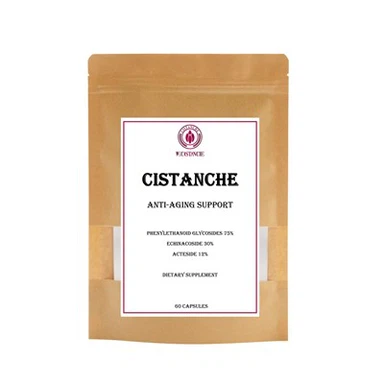
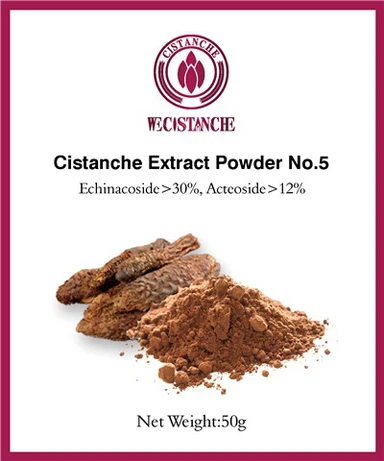
Cistanche is a genus of parasitic plants that belongs to the family Orobanchaceae. These plants are known for their medicinal properties and have been used in Traditional Chinese Medicine (TCM) for centuries. Cistanche species are predominantly found in arid and desert regions of China, Mongolia, and other parts of Central Asia. Cistanche plants are characterized by their fleshy, yellowish stems and are highly valued for their potential health benefits. In TCM, Cistanche is believed to have tonic properties and is commonly used to nourish the kidney, enhance vitality, and support sexual function. It is also used to address issues related to aging, fatigue, and overall well-being. While Cistanche has a long history of use in traditional medicine, scientific research on its efficacy and safety is ongoing and limited. However, it is known to contain various bioactive compounds such as phenylethanoid glycosides, iridoids, lignans, and polysaccharides, which may contribute to its medicinal effects.

Wecistanche's cistanche powder, cistanche tablets, cistanche capsules, and other products are developed using desert cistanche as raw materials, all of which have a good effect on relieving constipation. The specific mechanism is as follows: Cistanche is believed to have potential benefits for relieving constipation based on its traditional use and certain compounds it contains. While scientific research specifically on Cistanche's effect on constipation is limited, it is thought to have multiple mechanisms that may contribute to its potential to relieve constipation. Laxative Effect: Cistanche has long been used in Traditional Chinese Medicine as a remedy for constipation. It is believed to have a mild laxative effect, which can help promote bowel movements and induce constipation. This effect may be attributed to various compounds found in Cistanche, such as phenylethanoid glycosides and polysaccharides. Moistening the Intestines: Based on traditional use, Cistanche is considered to have moisturizing properties, specifically targeting the Intestines. Promoting hydration and lubrication of the Intestines may help soften tools and facilitate easier passage, thereby relieving constipation. Anti-inflammatory Effect: Constipation can sometimes be associated with inflammation in the digestive tract. Cistanche contains certain compounds, including phenylethanoid glycosides and lignans, that are believed to have anti-inflammatory properties. By reducing inflammation in the intestines, it may help improve bowel movement regularity and relieve constipation.