Inhibition Of Amyloid Beta Aggregation And Deposition Of Cistanche Tubulosa Aqueous Extract
Mar 02, 2022
Contact: Audrey Hu Whatsapp/hp: 0086 13880143964 Email: audrey.hu@wecistanche.com
Chien-Liang Chao , Hsin-Wen Huang , Hui-Chi Huang , Hsin-Fan Chao , Shuen-Wen Yu ,Muh-Hwan Su , Chao-Jih Wang and Hang-Ching Lin
Abstract
Cistanche tubulosa aqueous extract (CTE) is already used as a botanical prescription drug for treating dementia in China. Our previous studies reported that phenylethanoid glycosides of CTE(Cistanche tubulosa aqueous extract) have anti-Alzheimer’s disease (AD) activity by inhibiting amyloid β peptide (Aβ) aggregation and deposition. However, recent studies considered that the phenylethanoid glycosides may be metabolized by intestinal bacteria because all analysis results showed that the bioavailability of phenylethanoid glycosides is extremely low. In this study, we demonstrate how iron chelation plays a crucial role in the Aβ aggregation and deposition inhibition mechanism of phenylethanoid glycosides of CTE(Cistanche tubulosa aqueous extract). In addition, we further proved phenylethanoid glycosides (1–3) could reach the brain. Active CTE(Cistanche tubulosa aqueous extract) component and action mechanism confirmation will be a great help for product quality control and bioavailability studies in the future. At the same time, we provide a new analysis method useful in determining phenylethanoid glycosides (1–3) in plants, foods, blood, and tissues for chemical fingerprint and pharmacokinetic research.
Keywords: Cistanche tubulosa; phenylethanoid glycosides; Alzheimer’s disease; iron chelation
1. Introduction
Dementia is one of the most common chronic aging diseases. In 2015 the World Alzheimer Report estimated that about 46.8 million people suffered from dementia, and the number is expected to be 74.7 million in 2030 and 131.5 million in 2050 [1]. The global dementia population will increase year by year and become out of control in the future. Global healthcare expenditures to treat dementia were almost 604 billion US dollars in 2010 and the amount is expected to be 1000 billion in 2030 [2]. Dementia patients have a greater risk of accidental death [3] and therefore require more medical care. This is a heavy burden for dementia patient familial caregivers. The impact of dementia on caregivers, family, and society can produce great physical, psychological, life, and economic stress. There are two major forms of dementia, Alzheimer’s disease (AD) and vascular dementia [4,5]. AD is the most common dementia and is an irreversible and progressive neurodegenerative disorder [4–6]. AD was the sixth leading cause of death in the United States in 2015 [6].
Recent studies support that the neuron toxicity induced by amyloid β peptide (Aβ) (plaques)and protein tau (tangles) aggregation is closely related to AD pathogenesis. The accumulation of Aβ and protein tau in the brain can lead to neuron damage and memory loss [7]. Insoluble Aβ oligomers aggregate in extracellular plaques and were reported to lead to synaptic dysfunction, neuron toxicity, and cell death [8]. Unfortunately, there is no effective treatment available so far to clear Aβ and protein tau, or inhibit the formation or oligomerization of Aβ, and suspend or cure the irreversible neuron damage. The current therapeutic agents, such as galantamine and donepezil, which are acetylcholinesterase inhibitors, can only temporarily ameliorate memory loss by raising the neurotransmitter level. In 2012, no candidate drugs were able to reduce the Aβ effect in large AD patient clinical studies [9]. Therefore, research for a novel treatment to suppress the prevalence of Alzheimer’s disease is urgently needed. Metal ions were recently considered a key factor closely related to Aβ aggregation [10]. Metal chelators regarded as potential lead compounds provide a whole new strategy for the anti-AD approach [9,11–15].
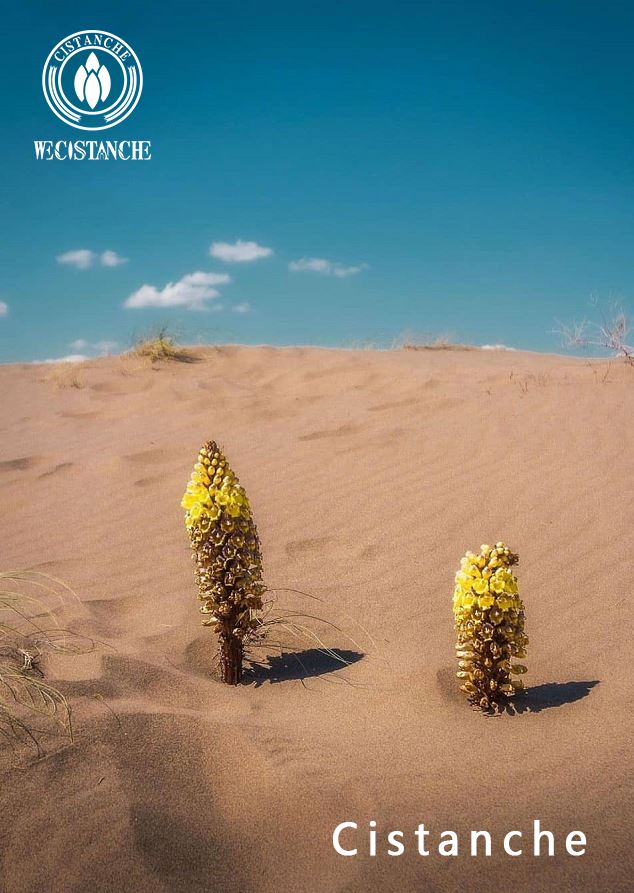
The dried stem of Cistanche tubulosa (Schrenk) R. Wight, Rou Cong Rong, is widely harvested in the Xinjiang, China desert. It is an important traditional Chinese medicine that belongs to tonic Chinese medicine indexed in the China Pharmacopeia and used for thousands of years for the treatment of physical weakness, kidney deficiency, infertility, forgetfulness, impotence, and senile constipation [16,17]. Cistanche tubulosa aqueous extract (CTE) capsules have been approved as a botanical drug for vascular dementia in China. According to a clinical trial of 18 patients diagnosed with mild to moderate AD, CTE(Cistanche tubulosa aqueous extract) capsules gave patients a more stable memory condition compared to acetylcholinesterase inhibitors [18]. In our previous study, the CTE(Cistanche tubulosa aqueous extract) decreased Amyloid β peptide (Aβ) deposition and improved memory loss in Alzheimer’s disease-like rats [19]. Phenylethanoid glycosides, echinacoside (1), acteoside (2), and iso-acteoside (3) are considered the major components of CTE(Cistanche tubulosa aqueous extract) [20]. Compound 1 has neuroprotective activity against the toxicity of 1-methyl-4-phenyl-1,2,3,6-tetrahydropyridine (MPTP) [21], 1-methyl-4-phenyl pyridinium ion (MPP+) [22], and 6-Hydroxydopamine (6-OHDA) [23]. Our previous report showed that 1 suppressed Aβ oligomerization and toxicity in an in vitro study, and inhibited Aβ deposition, improving impaired memory and cognitive dysfunction in Aβ-induced rats [24]. Compounds 2 and 3 increased Aβ degradation and decreased Aβ oligomerization in vitro [25]. Compound 3 decreased Aβ deposition in Aβ-induced rats [25]. Based on these studies, C. tubulosa has already proven it has the potential to treat AD. CTE(Cistanche tubulosa aqueous extract) is closely related to anti-Aβ aggregation and deposition [24,25]. To better clearly understand the CTE(Cistanche tubulosa aqueous extract) mechanism, we need to have a convenient and efficient method to identify the active component, as well as the content in brain tissue samples. Most studies were designed for the quantitative determination of echinacoside, acteoside, and iso-acteoside in herbs or foods by high-performance liquid chromatography (HPLC) [26–28], but only two studies were for determination in serum or tissues [29,30]. However, there is no report on the simultaneous analysis of 1–3 in brain tissues after CTE(Cistanche tubulosa aqueous extract) oral administration. In addition, it is still unclear from recent studies whether the CTE(Cistanche tubulosa aqueous extract) active components or their metabolites successfully passed through the blood-brain barrier and acted on brain neurons. Therefore, this research provides an advanced and sensitive method with convincing evidence that clearly illustrates the underlying mechanism of CTE(Cistanche tubulosa aqueous extract) against Aβ aggregation and deposition.

Cistanche tubulosa aqueous extract
2. Results
2.1. Isolation and Identification of Three Major Compounds (1–3)
Dried stems of C. tubulosa were extracted with 75% EtOH at room temperature. The condensed 75% EtOH extract was subjected to resin and C18 column chromatography to furnish three major compounds, echinacoside (1), acteoside (2), and iso-acteoside (3). Their structures were elucidated by analysis of the NMR (Nuclear Magnetic Resonance) spectroscopy and ESI-MS (Electrospray ionization mass) and by comparison with literature data [31–33] (Figure 1, Supplementary Materials Figures S3–S11).
2.2. The Phenylethanoid Glycosides (1–3) Content Assay from CTE(Cistanche tubulosa aqueous extract)
The assay method was validated for phenylethanoid glycosides analysis. Compounds 1–3 (5.0 mg)were accurately weighed and mixed with 50% methanol (40 mL). The mixtures were sonicated for5 min. Three phenylethanoid glycosides (1–3) standard solution was mixed as the standard stock solution (100 µg/mL). The standard stock solution was used to prepare five different concentrations (5,10, 25, 50, and 100 µg/mL) of the indicated solutions, respectively, by diluting with serial volumes of50% methanol. The phenylethanoid glycosides (1–3) curves were established using ultra-performance liquid chromatography (UPLC) from 5–100 µg/mL and were linear respectively (1, r2 = 0.9999; 2, r2 = 0.9999; 3, r2 = 0.9998). The intra-day and inter-day precision [% R.S.D. (relative standard deviation)was from 0.1 to 1.8%] and accuracy (95.6–104.2%) was acceptable by UPLC for 1–3. UPLC quantified the 1, 2, and 3 of CTE(Cistanche tubulosa aqueous extract) contents to be 254, 38, and 41 mg/g, respectively (Figure S2)
2.3. UPLC/MS/MS Validation
The phenylethanoid glycosides (1–3) were mixed and spiked with rat brain tissue homogenate and analyzed using Ultra performance liquid chromatography-tandem mass spectrometer (UPLC/MS/MS) with solid-phase extraction. The lower limit of detection (LLOQ) of 1–3 was 0.2 ng/mL. The phenylethanoid glycosides recovery spiked with brain tissue homogenate (10 ng/mL) at 91.39% for 1, 89.54% for 2, and 96.81% for 3, respectively (Figure 2).
2.4. Analysis of AD-Like Rat Brain Tissues
After 14 days of CTE(Cistanche tubulosa aqueous extract) oral administration (200 mg/kg/day), AD-like rat brain tissues were collected and divided into two parts, hippocampus, and striatum, and were both homogenized [19]. Because the hippocampus and striatum homogenates from each rat were too scant to be loaded into solid-phase extraction and to avoid excessive experimental errors, the hippocampus and striatum homogenates from four individual rats were mixed into an analyzed sample for UPLC/MS/MS using the solid phase extraction method (Figure 3A, B). The phenylethanoid glycosides (1–3) were observed in the hippocampus (Figure 3A) and striatum (Figure 3B). There was no significant peak in blank brain tissues (Figure 3C). In the hippocampus the echinacoside content was 11.97 ± 0.34 ng/mL, acteoside content was 1.25 ± 0.16 ng/mL, and isoacteoside content was 1.38 ± 0.08 ng/mL. In the striatum the echinacoside content was 22.60 ± 1.69 ng/mL, acteoside content was 2.03 ± 0.61 ng/mL, and isoacteoside content was 4.90 ± 0.64 ng/mL. As shown in Figure 4, the CTE(Cistanche tubulosa aqueous extract) would pass through the blood-brain barrier according to the significant detectable amounts of 1–3 in the hippocampus and striatum. The content of 1 is much higher than 2 and 3 in CTE(Cistanche tubulosa aqueous extract) by UPLC analysis (Figure S2). Therefore, it is reasonable to observe that 1 is the highest in brain tissue after oral CTE(Cistanche tubulosa aqueous extract) administration. Molecules 2019, 24, x FOR PEER REVIEW 4 of 12 2.4. Analysis of AD-Like Rat Brain Tissues After 14 days of CTE(Cistanche tubulosa aqueous extract) oral administration (200 mg/kg/day), AD-like rat brain tissues were collected and divided into two parts, hippocampus, and striatum, and were both homogenized [19]. Because the hippocampus and striatum homogenates from each rat were too scant to be loaded into solid-phase extraction and to avoid excessive experimental errors, the hippocampus and striatum homogenates from four individual rats were mixed into an analyzed sample for UPLC/MS/MS using the solid phase extraction method (Figure 3A, B). The phenylethanoid glycosides (1–3) were observed in the hippocampus (Figure 3A) and striatum (Figure 3B). There was no significant peak in blank brain tissues (Figure 3C). In the hippocampus the echinacoside content was 11.97 ± 0.34 ng/mL, acteoside content was 1.25 ± 0.16 ng/mL, and isoacteoside content was 1.38 ± 0.08 ng/mL. In the striatum the echinacoside content was 22.60 ± 1.69 ng/mL, acteoside content was 2.03 ± 0.61 ng/mL, and isoacteoside content was 4.90 ± 0.64 ng/mL. As shown in Figure 4, the CTE(Cistanche tubulosa aqueous extract) would pass through the blood-brain barrier according to the significant detectable amounts of 1–3 in the hippocampus and striatum. The content of 1 is much higher than 2 and 3 in CTE(Cistanche tubulosa aqueous extract) by UPLC analysis. Therefore, it is reasonable to observe that 1 is the highest in brain tissue after oral CTE(Cistanche tubulosa aqueous extract) administrator.
2.5. The Phenylethanoid Glycosides (1–3) Metal Chelating Activity
In the literature, the determination of the free-from compounds and their metal complex was performed using HPLC [34,35]. The measure of chelation activity was analyzed by UPLC in this study. The 50 µg/mL solutions of each phenylethanoid glycoside (1–3) were added into a 10 µg/mL solution of copper (Cu), calcium (Ca), magnesium (Mg), zinc (Zn), iron (Fe) or rat serum respectively. Each compound with each metal solution or serum was analyzed by UPLC. The phenylethanoid glycosides (1–3) exhibited metal chelating activity with iron and serum (Figure 5, Supplementary Materials Figure S1). Molecules 2019, 24, x FOR PEER REVIEW 5 of 12 sample from AD-like rats after CTE(Cistanche tubulosa aqueous extract) oral administration (200 mg/kg, p.o.) [1 (tR= 4.19 min), 2 (tR= 5.13 min) and 3 (tR= 5.68 min)]. (c) Blank brain tissue. Figure 4. The phenylethanoid glycosides (1–3) were detectable in rat brain tissues [19] using UPLC/MS/MS. The data represented mean ± S.D., n=3 for each group. 2.5. The Phenylethanoid Glycosides (1-3) Metal Chelating Activity. In the literature, the determination of the free-from compounds and their metal complex was performed using HPLC [34,35]. The measure of chelation activity was analyzed by UPLC in this study. The 50 μg/mL solutions of each phenylethanoid glycoside (1–3) were added into a 10 μg/mL solution of copper (Cu), calcium (Ca), magnesium (Mg), zinc (Zn), iron (Fe) or rat serum respectively. Each compound with each metal solution or serum was analyzed by UPLC. The phenylethanoid glycosides (1–3)
2.6. Analysis of Echinacoside (1) in Rat Serum in Vivo
In order to understand the distribution of echinacoside in rat serum, the serum was collected from the initial time to 720 min after echinacoside (1) oral administration (100 mg/kg) and the serum was collected from the initial time to 720 min after echinacoside (1) oral administration (100 mg/kg) and analyzed by UPLC. Figure 6 showed the concentration versus time profiles of echinacoside in rat serum.

3. Discussion
Dementia, especially AD, is an irreversible aging and chronic disease that leads to a Gordian knot of questions. This insurmountable disease leads to serious economic issues with a huge and increasing financial burden. Worldwide, AD researchers take lots of effort to investigate new anti-AD drugs but failed in several large clinical trials targeting Aβ in 2012 [9]. Except for directly targeting Aβ, metal ion homeostasis in the brain is considered the key reason related to Aβ aggregation and deposition which leads to AD formation [9,10]. Therefore, metal ions play an essential role in the pathogenesis of AD, and the metal chelation hypothesis has become an important research direction [9,13–15].
According to our previous studies [18,19,24,25], CTE(Cistanche tubulosa aqueous extract) displayed potential anti-dementia activity. Even in human clinical studies, after 1 year of treatment with CTE(Cistanche tubulosa aqueous extract) capsules for moderate AD patients, the Alzheimer’s Disease Assessment Scale-cognitive subscale (ADAS-cog) score would not show significant deterioration compared to before treatment [18]. CTE(Cistanche tubulosa aqueous extract) kept the ADAS-cog score of AD patients stable, but other prescription drugs did not. The only choice of prescription drugs licensed for AD treatment is acetylcholinesterase inhibitors (AChEIs) such as donepezil and galanthamine that improve AD symptoms in the short term, but deterioration occurs after 1 year of treatment [36]. Based on clinical studies, CTE(Cistanche tubulosa aqueous extract) has the opportunity to be a potential treatment for anti-AD agent development. Based on our previous reports [24,25], echinacoside (1), acteoside (2), and iso-acteoside (3)would protect neurons from damage by Aβ, decrease Aβ oligomerization in vitro, and significantly ameliorate cognitive dysfunction induced by Aβ in vivo. The in vitro study indicated the active doses of 1–3 were up to 50 μg/mL [24,25]. But previous studies considered that the oral bioavailability of 1 and 2 was very low (0.83% for 1 and 0.12% for 2) in rats [29,30]. Compound 1 could not even be identified in human serum after oral echinacea tablet administration [37]. Current studies show that 1–3 had poor membrane permeability and absorption in intestinal cells [38] and most of the 1 would be metabolized in gastrointestinal ducts [39]. Compound 2 content in rat serum was only about 4.5 μg/mL after 15 min of intravenous injection with a dose of 10 mg/kg of acteoside [30]. However, this study shows that 1–3 would be detected in the hippocampus and striatum of rat brain tissues after CTE(Cistanche tubulosa aqueous extract) oral administration (Figures 3 and 4). In addition, Figure 6 showed that compound 1 content in rat serum increased about 5 times from 15 min to 720 min after compound 1 oral administration (100 mg/kg). We considered phenylethanoid glycosides of CTE(Cistanche tubulosa aqueous extract) would pass through the blood-brain barrier and there would be chelation action between CTE(Cistanche tubulosa aqueous extract) and the metal. Chelation is a reversible chemical reaction. Iron is the essential element in serum and the brain [10,40]. Figure 5 shows that three phenylethanoid glycosides would have metal chelating activity with iron and serum. Iron and serum obviously change the peak retention time area of three phenylethanoid glycosides. Iron chelation may be the crucial reason leading to misidentification of the very low bioavailability of phenylethanoid glycosides. Therefore, the metal chelating activity should be considered in blood serum and brain analysis of the three CTE(Cistanche tubulosa aqueous extract) phenylethanoid glycosides to recover the real bioavailability and pharmacokinetics. In addition, the results indicated three phenylethanoid glycosides (1–3) would pass through the blood-brain barrier and arrived at brain tissues through body circulation. This study developed a most rapid and sensitive method for 1–3 analysis using UPLC/MS/MS and provided powerful evidence to prove that phenylethanoid glycosides (1–3) are the major bioactive constituents of CTE(Cistanche tubulosa aqueous extract).

Cistanche tubulosa extract
4. Materials and Methods
4.1. Plant Material
Stems of C. tubulosa were collected in May 2016 from Hangzhou, China. The plant was identified by Dr. Lin H.C. Voucher specimens (No. 20016CT) has been deposited at Sinphar Tian-LiPharmaceutical Co., Ltd., Hangzhou, China.
4.2. Isolation and Purifification
The dried C. tubulosa stem was ground into powder, and then extracted five times with 75% EtOH.After solvent evaporation under reduced pressure, the crude extract was subjected to Macroporousresin AB-8 column chromatography with H2O/EtOH gradient solvent systems from 20% EtOH up to 100% EtOH. According to the thin layer chromatography, four fractions (Fr.1~Fr.4) were collected for further separation. Fr. 2 was subjected to preparative high-performance liquid chromatography(HPLC) on a COSMOSIL® 5C18-AR-II column (250 mm × 20 mm i.d., 5 µm) using an 18% acetonitrile as the mobile phase system. The fellow rate was 15 mL/min. Three major peaks of interest were selectively collected. The fractions containing the targeted compounds were further condensed to dryness and produced 1, 2, and 3, respectively.
4.3. Experimental Analysis
1H and 13C NMR spectra were obtained using Bruker Avance DRX 500 MHz spectrometers(Billerica, MA, USA) with tetramethylsilane (TMS) as the internal standard. Preparative HPLC was performed using a reverse-phase column (Cosmosil C18-AR-II column, 250 mm × 20 mm i.d.; NacalaiTesque, Inc., Kyoto, Japan) on a Shimadzu LC-6AD series apparatus with Prominence HPLC UV-Visdetectors (Kyoto, Japan).
Echinacoside (1): white powder; ESI−MS m/z: 785 [M − H]−; 1H NMR (CD3OD, 500 MHz):δ 1.07 (1H, d, J = 6.2 Hz, Rha-H-6), 2.79 (2H, t, J = 5.2 Hz, H-7), 3.56 (1H, m, Ha-8), 3.79 (1H, m, H-30 ),3.91 (1H, m, Hb-8), 4.29 (1H, d, J = 7.7, Glc-H-1), 4.38 (1H, d, J = 7.9 Hz, H-10 ), 5.00 (1H, t, J = 9.6 Hz,H-40 ), 5.17(1H, d, J = 1.5 Hz, Rha-H-1), 6.27 (1H, d, J = 15.9 Hz, H-800 ), 6.58 (1H, dd, J = 8.1,2.0 Hz,H-6), 6.67 (1H, d, J = 8.1 Hz, H-5), 6.70 (1H, d, J = 2.0 Hz, H-2), 6.77 (1H, d, J = 8.2 Hz, H-500 ), 6.94 (1H,dd, J = 8.3, 2.0 Hz, H-600 ), 7.05 (1H, d, J = 2.0 Hz, H-200 ), δ 7.59 (1H, d, J = 15.9 Hz, H-700 ); 13C-NMR(CD3OD, 125 MHz): δ 18.5 (Rha-C-6), 36.6 (C-7), 62.6 (Glc-C-6), 69.4 (C-60 ), 70.5 (C-40 ), 70.6 (Rha-C-5),71.5 (Glc-C-4), 72.0 (Rha-C-3), 72.3 (C-8), 72.4 (Rha-C-2), 73.8 (Rha-C-4), 74.7 (C-50 ), 75.1 (Glc-C-2),76.1 (C-20 ), 77.8 (Glc-C-5), 77.9 (Glc-C-3), 81.7 (C-30 ), 103.1 (Rha-C-1), 104.2 (C-10 ), 104.7 (Glc-C-1),114.7 (C-200 ), 115.3 (C-800 ), 116.3 (C-500 ), 116.5 (C-2), 117.1 (C-5), 121.3 (C-6), 123.3 (C-600 ), 127.6 (C-100 ),131.5 (C-1), 144.7 (C-3), 146.1 (C-4), 146.9 (C-400 ), 148.2 (C-700 ), 149.8 (C-300 ), 168.5 (C-900 ) (Figure S3–S5)

Acteoside (2): white powder; ESI−MS m/z: 623 [M − H]−; 1H NMR (DMSO-d6, 500 MHz): δ 0.94(3H, d, J =5.9 Hz, H-6000 ), 2.68 (2H, m, H-7), 4.33 (1H, d, J = 7.8 Hz, H-100 ), 4.70 (1H, t, J = 9.0 Hz, H-400 ),5.01 (1H, s, H-1000 ), 6.18 (1H, d, J = 15.9 Hz, H-80 ), 6.48 (1H, dd, J = 7.9, 1.4 Hz, H-6), 6.62 (1H, d, J = 7.1Hz, H-5), 6.73 (1H, d, J = 2.0 Hz, H-2), 6.75 (1H, d, J = 7.9 Hz, H-50 ), 6.97 (1H, d, J = 8.1 Hz, H-60 ),7.01 (1H, s, H-20 ), 7.44 (1H, d, J = 15.8 Hz, H-70 ); 13C NMR: (DMSO-d6, 125 MHz): δ 18.2 (C-6000 ), 35.1(C-7), 60.8 (C-600 ), 68.8 (C-5000 ), 69.2 (C-400 ), 70.3 (C-3000 ), 70.3 (C-8), 70.4 (C-2000 ), 70.6 (C-4000 ), 71.7 (C-500 ),74.5 (C-200 ), 79.2 (C-300 ), 101.3 (C-1000 ), 102.3 (C-100 ), 113.6 (C-80 ), 114.7 (C-20 ), 115.5 (C-5), 115.8 (C-50 ),116.3 (C-2), 119.6 (C-6), 121.5 (C-60 ), 125.6 (C-10 ), 129.2 (C-1), 143.6 (C-4), 145.0 (C-3), 145.0 (C-30 ), 145.6(C-70 ), 148.5 (C-40 ), 165.7 (C-90 ) (Figures S6–S8).
Iso-acteoside (3): white powder; ESI−MS m/z: 623 [M − H]−; 1H NMR (DMSO-d6, 500 MHz):δ 1.07 (3H, d, J = 6.1 Hz, H-6000 ), 2.65 (2H, m, H-7), 4.35 (1H, d, J = 10.0 Hz, H-100 ), 5.10 (1H, s, H-1000 ),6.27 (1H, d, J = 15.9 Hz, H-80 ), 6.45 (1H, dd, J = 8.0, 1.8 Hz, H-6), 6.58 (1H, d, J = 8.8 Hz, H-5), 6.73(1H, d, J = 1.6 Hz, H-2), 6.74 (1H, d, J = 8.1 Hz, H-50 ), 6.94 (1H, d, J = 8.2 Hz, H-60 ), 7.04 (1H, s, H-20 ),7.46 (1H, d, J = 15.8 Hz, H-70 ); 13C NMR (DMSO-d6, 125 MHz): δ 17.9 (C-6000 ), 35.2 (C-7), 63.5 (C-600 ),68.2 (C-5000 ), 70.4 (C-400 ), 70.6 (C-3000 ), 71.7 (C-8), 72.1 (C-2000 ), 73.7 (C-4000 ), 74.1 (C-500 ), 74.5 (C-200 ), 80.9(C-300 ), 100.7 (C-1000 ), 102.7 (C-100 ), 113.9 (C-20 ), 114.9 (C-80 ), 115.5 (C-5), 115.8 (C-50 ), 116.3 (C-2), 119.6(C-6), 121.5 (C-60 ), 125.5 (C-10 ), 129.2 (C-1), 143.5 (C-4), 145.0 (C-3), 145.3 (C-30 ), 145.6 (C-70 ), 148.5 (C-40 ),165.6 (C-90 ) (Figures S9–S11).

4.4. Preparation of Cistanche Tubulosa Aqueous Extract (CTE)
The stem of Cistanche tubulosa powder was extracted twice by refluxing with water for 1.5 h, and the extract solution was filtered. The filtered Cistanche tubulosa aqueous extract (CTE) was stored at 4 ◦C before use.
5. Conclusions
This study demonstrated that 1–3 is the active component of CTE for anti-AD activity. Iron chelation has become the new concept for designing a new generation of drugs for the treatment of AD [41]. CTE is a potential botanical anti-AD Chinese medicine targeting iron chelation-induced Aβ aggregation and deposition. In addition, we further proved that 1–3 would reach the brain through the blood-brain barrier (BBB). Active components and underlying mechanism confirmation of CTE will greatly help quality control and the bioavailability of product studies in the future. At the same time, the advanced and efficient analysis method presented will be useful in determining 1–3 in plants, foods, blood, and brain tissues for chemical fingerprint and pharmacokinetic research.
References
Wu, Y.T.; Beiser, A.S.; Breteler, M.M.B.; Fratiglioni, L.; Helmer, C.; Hendrie, H.C.; Honda, H.; Ikram, M.A.; Langa, K.M.; Lobo, A.; et al. The changing prevalence and incidence of dementia over time–current evidence. Nat. Rev. Neurol. 2017, 13, 327–339. [CrossRef]
Robinson, L.; Tang, E.; Taylor, J.P. Dementia: Timely diagnosis and early intervention. BMJ 2015, 350, h3029. [CrossRef]
Mitchell, R.; Draper, B.; Harvey, L.; Brodaty, H.; Close, J. The survival and characteristics of older people with and without dementia who are hospitalized following intentional self-harm. Int. J. Geriatr. Psych. 2017, 32, 892–900. [CrossRef] [PubMed]
Ott, A.; Breteler, M.M.; van Harskamp, F.; Claus, J.J.; van der Cammen, T.J.; Grobbee, D.E.; Hofman, A. Prevalence of Alzheimer’s disease and vascular dementia: association with education. The Rotterdam study. BMJ 1995, 310, 970–973. [CrossRef]
Kalaria, R.N.; Maestre, G.E.; Arizaga, R.; Friedland, R.P.; Galasko, D.; Hall, K.; Luchsinger, J.A.; Ogunniyi, A.; Perry, E.K.; Potocnik, F.; et al. Alzheimer’s disease and vascular dementia in developing countries: Prevalence, management, and risk factors. Lancet. Neurol. 2008, 7, 812–826. [CrossRef]
2018 Alzheimer’s disease facts and figures. Alzheimer’s Dement. 2018, 14, 367–429. [CrossRef]
Hardy, J.; Selkoe, D.J. The amyloid hypothesis of Alzheimer’s disease: Progress and problems on the road to therapeutics. Science 2002, 297, 353–356. [CrossRef]
Querfurth, H.W.; LaFerla, F.M. Alzheimer’s disease. N. Engl. J. Med. 2010, 362, 329–344. [CrossRef]
Ayton, S.; Lei, P.; Bush, A.I. Metallostasis in Alzheimer’s disease. Free Radic. Biol. Med. 2013, 62, 76–89. [CrossRef]
Kim, A.C.; Lim, S.; Kim, Y.K. Metal ion effects on Aβ and Tau aggregation. Int. J. Mol. Sci. 2018, 19, 128. [CrossRef]
Robert, A.; Liu, Y.; Nguyen, M.; Meunier, B. Regulation of copper and iron homeostasis by metal chelators: A possible chemotherapy for Alzheimer’s disease. A. Chem. Res. 2015, 48, 1332–1339. [CrossRef] [PubMed]
Opare, S.K.A.; Rauk, A. Copper(I) chelators for Alzheimer’s disease. J. Phys. Chem. B 2017, 121, 11304–11310. [CrossRef] [PubMed]
Santos, M.A.; Chand, K.; Chaves, S. Recent progress in multifunctional metal chelators as potential drugs for Alzheimer’s disease. Coord. Chem. Rev. 2016, 327–328, 287–303. [CrossRef]
D’Acunto, C.W.; Kaplanek, R.; Gbelcova, H.; Kajik, Z.; Briza, T.; Vasina, L.; Havlik, M.; Ruml, T.; Kral, V. Metallomics for Alzheimer’s disease treatment: Use of a new generation of chelators combining metal-cation binding and transport properties. Eur. J. Med. Chem. 2018, 150, 140–155. [CrossRef] [PubMed]
Wang, X.; Wang, X.; Guo, Z. Metal-involved theranostics: An emerging strategy for fighting Alzheimer’s disease. Coord. Chem. Rev. 2018, 362, 72–84. [CrossRef]
Shao, M.L.; Ma, X.W.; Wu, Z.; Yu, W.M.; Chen, X.N. Chinese Pharmacopoeia; Chemical and Industrial Publisher: Beijing, China, 2005; p. 90.
Li, Z.; Lin, H.; Gu, L.; Gao, J.; Tzeng, C.-M. Herba Cistanche (Rou Cong-Rong): One of the best pharmaceutical gifts of traditional Chinese Medicine. Front. Pharmacol. 2016, 7, 41. [CrossRef] [PubMed]
Guo, Q.; Zhou, Y.; Wang, C.J.; Huang, Y.M.; Lee, Y.T.; Su, M.H.; Lu, J. An open-label, non-placebo-controlled study on Cistanche tubulosa glycoside capsules (memo regain (R)) for treating moderate Alzheimer’s Disease. Am. J. Alzheimer's Dis. Other Demen. 2013, 28, 363–370. [CrossRef]
Wu, C.R.; Lin, H.C.; Su, M.H. Reversal by aqueous extracts of Cistanche tubulosa from behavioral deficits in Alzheimer’s disease-like rat model: Relevance for amyloid deposition and central neurotransmitter function. BMC Complement. Altern. Med. 2014, 14, 202. [CrossRef]
Wang, Y.M.; Zhang, S.J.; Luo, G.A.; Hu, Y.N.; Hu, J.P.; Liu, L.; Zhu, Y.; Wang, H.J. Analysis of phenylethanoid glycosides in the extract of herba Cistanchis by LC/ESI-MS/MS. Acta Pharm. Sinic. 2000, 35, 839–842.
Geng, X.C.; Tian, X.F.; Tu, P.F.; Pu, X.P. Neuroprotective effects of echinacoside in the mouse MPTP model of Parkinson’s disease. Eur. J. Pharmacol. 2007, 564, 66–74. [CrossRef]
Zhao, Q.; Yang, X.; Cai, D.; Ye, L.; Hou, Y.; Zhang, L.; Cheng, J.; Shen, Y.; Wang, K.; Bai, Y. Echinacoside protects against MPP(+)-induced neuronal apoptosis via ROS/ATF3/CHOP pathway regulation. Neurosci. Bull. 2016, 32, 349–362. [CrossRef] [PubMed]
Wang, Y.H.; Xuan, Z.H.; Tian, S.; Du, G.H. Echinacoside protects against 6-hydroxydopamine-induced mitochondrial dysfunction and inflammatory responses in PC12 cells via reducing ROS production. Evid. Based Complement. Alternat. Med. 2015, 2015, 189239. [CrossRef] [PubMed]
Shiao, Y.J.; Su, M.H.; Lin, H.C.; Wu, C.R. Echinacoside ameliorate the memory impairment and cholinergic deficit induced by amyloid-beta peptides via the inhibition of amyloid deposition and toxicology. Food Funct. 2017, 8, 2283–2294. [CrossRef] [PubMed]
Shiao, Y.J.; Su, M.H.; Lin, H.C.; Wu, C.R. Acteoside and iso-acteoside protect amyloid-beta peptide-induced cytotoxicity, cognitive deficit and neurochemical disturbances in Vitro and in Vivo. Int. J. Mol. Sci. 2017, 18. [CrossRef]