Is Cistanche Deserticola Eaten Raw Or Cooked? This Article Will Explain Everything To You Clearly
Oct 29, 2025
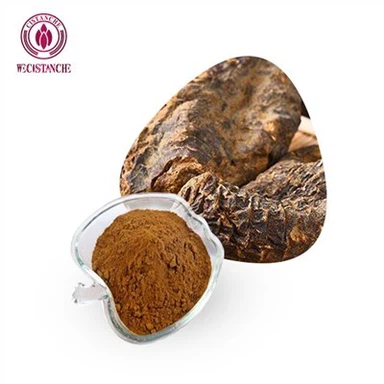
Cistanche deserticola: the 'gold' in the desert

Chinese herb cistanche
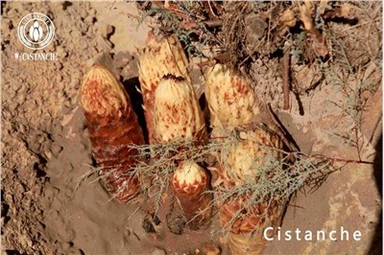
In the vast and boundless desert, there is a plant that is like a mysterious treasure, quietly hidden under the dunes, and it is the Cistanche deserticola. As a perennial parasitic herbaceous plant, Cistanche deserticola often parasitizes on the roots of red willow trees, extracting the nutrients needed for growth from its host and surviving tenaciously in extremely harsh desert environments. Therefore, it has been given the reputation of "desert ginseng" by people.
The history of Cistanche deserticola can be traced back to ancient times, and its presence has been found in many ancient books. The "Shennong Bencao Jing" lists Cistanche deserticola as a top-grade herb, stating that it is known for its medicinal value in treating the five stresses and seven injuries, replenishing the middle, removing cold, heat, and pain from the stem, nourishing the five organs, strengthening yin, nourishing essence and qi, and treating women's ailments. This demonstrates the high recognition of its medicinal value by ancient people. Li Shizhen also recorded in detail about Cistanche deserticola in the Compendium of Materia Medica, praising it as "nourishing but not steep, hence it is called calm", further affirming its mild and nourishing characteristics.
From the perspective of modern science, Cistanche deserticola is rich in various beneficial nutrients for the human body, such as phenylethanolic glycosides, polysaccharides, alkaloids, amino acids, and various trace elements. These ingredients endow Cistanche deserticola with powerful health benefits, making it excellent in nourishing kidney yang, nourishing essence and blood, moisturizing intestines, and promoting bowel movements. Therefore, Cistanche deserticola is highly favored in both traditional medicine and modern health and wellness markets.

Main Chemical Constituents of Cistanche deserticola
However, the preciousness of Cistanche deserticola is not only reflected in its remarkable efficacy and rich nutrition, but also due to its special growth environment, long growth cycle, and excessive excavation, which have led to its increasingly scarce wild resources. It has now been listed as a second-class protected wild plant in China. It is precisely because of its rarity that many people have developed a strong interest in the way Cistanche deserticola is consumed. One common question is: Can Cistanche deserticola be eaten raw? Will eating raw have an impact on its effectiveness? Next, let's delve into these two interesting questions together.
Can it be eaten raw? Answer revealed
Although Cistanche deserticola is a good medicine, it is not recommended to eat it raw. In terms of taste, raw Cistanche has a unique aroma and bitter taste, with a poor taste that many people find difficult to accept when trying it for the first time. There is a feeling of chewing Cistanche deserticola in human form. At first, there is a slight sweetness, like eating dried sweet potatoes, but soon the bitterness will come, and the more you chew, the more bitter it becomes. It is really not a pleasant experience.

Cistanche male benefits
Click here to view Cistanche for Kidney disease products
【Ask for more】 Email:cindy.xue@wecistanche.com / WhatsApp: 0086 18599088692 / Wechat: 18599088692
From a hygiene perspective, Cistanche deserticola grows in desert environments and may have a large amount of bacteria, parasite eggs, and other impurities attached to its surface. If eaten raw, these harmful substances can enter the human body and easily cause gastrointestinal discomfort, such as nausea, vomiting, abdominal pain, diarrhea, and other symptoms, posing a potential threat to physical health.
In terms of nutrient absorption, the effective ingredients of traditional Chinese medicine are often difficult to be fully absorbed and utilized by the human body without processing. The nutrients, such as phenylethanolic glycosides and polysaccharides, in Cistanche deserticola are in a relatively stable chemical structure in raw Cistanche deserticola, making it difficult for human digestive enzymes to effectively decompose them, resulting in the inability to fully exert their medicinal effects.
The impact of raw consumption on efficacy
As mentioned earlier, consuming raw Cistanche deserticola not only has a poor taste and is unhygienic, but also makes it difficult to fully absorb its nutritional components, which significantly affects its effectiveness.
From the perspective of traditional Chinese medicine theory, Chinese medicinal materials emphasize processing, and the processing process can alter the properties and efficacy of the medicine. Taking Cistanche deserticola as an example, after processing with methods such as wine steaming and salt roasting, the medicinal properties of Cistanche deserticola will change, and it can better exert its effects of nourishing kidney yang and nourishing essence and blood. However, the raw meat of Cistanche deserticola has not been processed, and its medicinal properties have not been properly adjusted, resulting in a significant reduction in its efficacy. Just like raw Rehmannia glutinosa and Rehmannia glutinosa, raw Rehmannia glutinosa has a cold nature and its main function is to clear heat and cool blood; Rehmannia glutinosa, on the other hand, is processed and has a mild nature, focusing on nourishing yin and nourishing blood. There is a significant difference in their efficacy, and the same applies to Cistanche deserticola.
In modern medical research, the active ingredients in Cistanche deserticola, such as phenylethanoid glycosides, have various biological activities, such as antioxidant, anti-aging, and neuroprotective effects. However, due to their tight structure, these components in Cistanche deserticola are difficult for the human body to break down and absorb. After being heated and processed or cooked with other ingredients, the structure of these ingredients will change, making them more easily absorbed and utilized by the human body, thus allowing the full potential of the benefits of Cistanche deserticola. For example, in the stew of Cistanche deserticola and lamb, the nutrients in Cistanche deserticola are gradually released into the soup during the stewing process, which is more conducive to human intake and has a more significant effect on tonifying the kidneys and promoting yang.

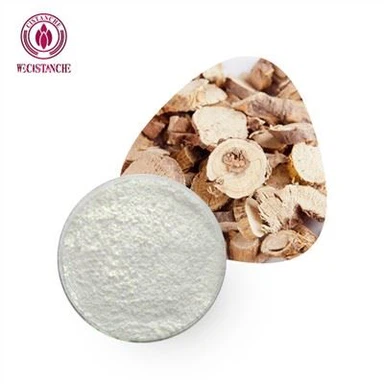
Cistanche deserticola slice
From a clinical application perspective, doctors usually recommend nd patients make various preparations of Cistanche deserticola, such as decoctions, pills, alcohol, etc., to ensure that the drug can exert the best therapeutic effect. In practical cases, some patients with insufficient kidney yang showed significant improvement in symptoms such as soreness and weakness in the waist and knees, and fear of cold after taking processed preparations related to Cistanche deserticola; People who try to eat raw Cistanche deserticola often find it difficult to achieve the same therapeutic effect. Some even experience gastrointestinal discomfort due to the difficulty in digesting raw Cistanche deserticola, which in turn affects their normal life and health.
Various ways to open cooked food
Since there are many drawbacks to eating raw Cistanche deserticola, how can we maximize its effectiveness? Eating cooked food is undoubtedly a wiser choice. Below are several common and delicious ways to cook Cistanche deserticola.
Boiling Water: A Convenient Daily Nourishing Method
Boiling water is one of the most convenient ways of consumption. Take 5-10 grams of Cistanche deserticola, wash it thoroughly, cut it into thin slices, put it in a clay pot, add an appropriate amount of water, bring to a boil over high heat, then turn to low heat and simmer for 20-30 minutes. Wait for the water to slightly darken in color and emit a light medicinal fragrance, then turn off the heat. The boiled Cistanche deserticola water can be consumed directly, with a relatively mild taste and a hint of sweetness. This method is suitable for daily health and wellness, whether it is busy office workers or middle-aged and elderly people who value their health; they can easily operate it. A cup of Cistanche water every day is like injecting a source of vitality into the body, helping to replenish kidney yang and nourish essence and blood.

Cistanche tea
Tea brewing: a health drink that can be enjoyed anytime
Brewing tea with Cistanche deserticola is also simple and easy. Cut the dried Cistanche deserticola into thin slices, take 3-5 grams, and place them in a cup. Brew in hot water at around 90 ℃, cover and soak for 15-20 minutes. Wait for the effective ingredients of Cistanche deserticola to fully dissolve before drinking. You can brew it 2-3 times repeatedly until the taste becomes lighter. Cistanche tea is not only convenient to carry and enjoy anytime, anywhere, but can also be paired with other ingredients, such as adding 5-8 goji berries, which can enhance the nourishing effects on the liver and kidneys, as well as neutralize the warmth of Cistanche tea, making it suitable for people who are prone to internal heat; Adding 2 red dates can add sweetness and have a better effect on nourishing qi and blood. This way of eating is particularly suitable for people working in the office. In the midst of busy schedules, brewing a cup of Cistanche tea can not only refresh the mind but also promote health and wellness.
Stewed Soup: Delicious and Nourishing at the Same Time
Stewing soup with Cistanche deserticola is an excellent way to perfectly blend the nutrients of Cistanche deserticola with the deliciousness of the ingredients. Common combinations include Cistanche deserticola soup with chicken soup, Cistanche deserticola soup with pork ribs, Cistanche deserticola soup with fish soup, etc. Taking the example of boiling chicken soup with Cistanche deserticola, prepare an appropriate amount of chicken, 10-15 grams of Cistanche deserticola, 5-8 goji berries, and a few slices of ginger. First, wash and cut the chicken into pieces, and blanch it to remove any fishy smell. Wash and slice Cistanche deserticola. Then, put all the ingredients into a clay pot, add enough water, bring to a boil over high heat, and simmer on low heat for 1.5-2 hours until the chicken is cooked and the soup is rich. The soup stewed in this way not only tastes delicious, but also has the effects of nourishing kidney yang, nourishing essence and blood, moistening the intestine, and promoting bowel movements. It is very suitable for people with insufficient kidney yang and deficiency of essence and blood, such as those with weak waist and knees, fear of cold, dizziness, and tinnitus. A family sits together and drinks a steaming bowl of Cistanche soup, warm and nourishing.
Brewing wine: a traditional health wine
The soaking of Cistanche deserticola in wine is a long-standing method of consumption. Wash and dry Cistanche deserticola, cut it into small segments or thin slices, put it into a sealed container, add Baijiu with a height of more than 50 degrees, and the ratio of Cistanche deserticola deserticola to Baijiu is generally 1:10-1:20. After sealed immersion for 15 to 30 days, when the color of the wine gradually turns dark brown, and the effective ingredients of Cistanche deserticola are fully integrated into the wine, you can drink it. Cistanche deserticola wine has the effects of tonifying the kidneys and strengthening yang, as well as strengthening the body. However, it is important to drink it in moderation, usually 1-2 small cups per day. This method is suitable for people who enjoy drinking alcohol and have a weak constitution. On a cold winter day, drinking a glass of Cistanche deserticola wine can not only warm up the body but also promote health. However, individuals with alcohol allergies, Yin deficiency, and excessive heat, as well as pregnant women, should avoid drinking.

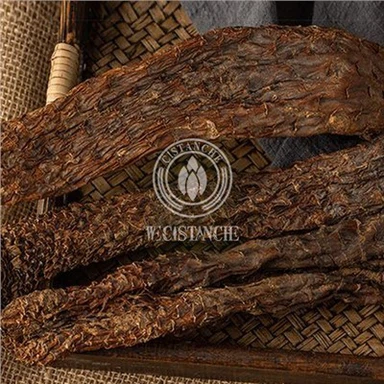
Desert Cistanche
Boiling Congee: a mild and nourishing breakfast choice
Adding Cistanche deserticola to Congee is a mild and nourishing way of eating. Take 10 grams of Cistanche deserticola and 50-100 grams of rice. First decoct the juice of Cistanche deserticola, and then use the decocted juice to cook Congee with rice. When cooking Congee, you can add a proper amount of red dates, longan, and other ingredients according to your taste to increase the sweetness and nourishing effect of Congee. Cistanche Congee is soft and glutinous in taste, rich in nutrition, and has the function of tonifying the kidney, essence, and intestines. It is especially suitable for people with weak gastrointestinal function who need a warm tonic, such as the elderly, postpartum women, etc. Drinking a bowl of steaming Cistanche Congee in the morning can not only replenish energy for the body, but also start a beautiful day.
Eating tips and taboo groups
Dosage control is crucial when consuming Cistanche deserticola. Generally speaking, the daily dosage for health care is 5-10 grams; If used to treat diseases, the dosage can be increased to 10-15 grams under the guidance of a doctor. Excessive consumption of Cistanche deserticola may cause internal heat, leading to symptoms such as dry mouth and tongue, sore throat, and nosebleeds. Because Cistanche deserticola is warm in nature and has the effect of nourishing kidney yang, excessive consumption can cause excessive yang energy in the body, leading to an internal heat reaction.
Cistanche deserticola is not suitable for everyone, and it should not be consumed by those with yin deficiency and excessive fire. This group of people themselves has insufficient Yin fluid and internal deficiency fire, while Cistanche deserticola is warm in nature. After consumption, it will further help to damage Yin with fire, aggravate the symptoms of Yin deficiency and excessive fire, such as five heart restlessness, hot flashes, night sweats, insomnia,a nd dreams. People with loose stools and diarrhea should also avoid taking it. Cistanche deserticola has the effect of moistening the intestines and promoting bowel movements, which can make the stool thinner and worsen diarrhea symptoms. In addition, minors are in the stage of growth and development, and their various bodily functions are not fully mature. Consuming Cistanche deserticola may affect normal growth and development. Women's menstrual cycle is relatively weak, and consuming Cistanche deserticola at this time may have an impact on the menstrual cycle and flow, leading to menstrual disorders.
When consuming Cistanche deserticola, it is also important to pay attention to pairing taboos. Cistanche deserticola should not be used with drugs or foods that have a laxative effect, such as rhubarb and senna leaves, as they may cause discomfort symptoms such as diarrhea and abdominal pain, as their combined effects can cause excessive stimulation of the intestines. Meanwhile, during the period of taking Cistanche deserticola, one should avoid consuming spicy, greasy, and cold foods to avoid affecting the efficacy of the medicine. These foods may interact with Cistanche deserticola, reducing its nourishing effects and even causing adverse reactions.
Choose the right way to reap health benefits
Although Cistanche deserticola is good, eating it raw is not a wise decision. The unique taste, potential hygiene risks, and limited nutrient absorption rate of raw Cistanche deserticola make it difficult to achieve ideal health and medicinal effects. In contrast, cooked eating methods such as boiling water, brewing tea, stewing, brewing wine, and cooking Congee can not only make the nutrition of Cistanche deserticola easier to be absorbed by the human body, but also can be diversified according to individual tastes and needs, making health care more delicious and interesting.