It Is Very Good For The Kidneys And Can Slow Down The Progression Of Kidney Disease. Unfortunately, Too Many Kidney Patients Don’t Know This!
Sep 18, 2024
In recent years, intestinal flora has been a concept that has attracted much attention, and it is indeed closely related to everyone's life.

Click to Cistanche for kidney disease
A large number of clinical studies have shown that kidney disease is closely related to intestinal flora imbalance!
First, understand intestinal flora
After birth, newborns will directly contact microorganisms from the mother and the surrounding environment, and these microorganisms will quickly colonize in the baby's body.
Throughout the life cycle, various interactions continue to occur between the human body and microorganisms, maintaining a mutually beneficial relationship. 80% of microorganisms are concentrated in the intestines.
Intestinal microorganisms are called the second brain of humans, which can affect our appetite, mood and even fatness. Studies have shown that 1/3 or even 50% of the dry weight of stool is intestinal flora, not food residues.
There are more than 500 species of flora in our human microecological system, with a number of 100 trillion, weighing about 1271 grams, which is equivalent to the weight of the liver.
Physiological functions of intestinal flora
① Biological antagonism
It can shield abnormal and unhealthy flora and prevent foreign bacteria from invading;
It can reduce the pH of the intestinal microenvironment and ensure a slightly acidic environment, which is not easy to breed bacteria, so there are fewer bacteria in the stomach;

Nutrient competition is dominant, limiting the growth and reproduction of foreign bacteria;
Produce antibiotic-like substances to inhibit and kill foreign bacteria.
② Biochemical barrier
Intestinal flora can form a layer of membrane in the intestine, which is called a chemical barrier, which can block foreign substances.
③ Metabolism and nutrient absorption
In addition to the digestion of enzymes such as gastric juice and intestinal juice, the intestinal flora plays a huge role in the food we eat.
In addition, the gastrointestinal immune barrier, maintaining the stability of the internal environment, and the anti-cancer effect are inseparable from the intestinal flora.
In short, the intestinal flora plays a role in promoting the balance of microecology and protecting the health of the host. The physiological functions of normal intestinal flora act on all aspects of the body and even affect emotions. Therefore, it is important to pay attention to the balance of intestinal flora.
|The relationship between intestinal flora and kidney disease
Diet, intestines and kidneys have a mutually influential relationship.
Aging, high-fat and high-sugar diet, sedentary lifestyle and abuse of antibiotics can damage the balance of intestinal flora.
Beneficial bacteria in the intestinal flora have a "placeholder protection" effect. When the number of beneficial bacteria decreases, harmful bacteria will take advantage of the situation, leading to various diseases.
Under normal circumstances, the various uremic toxins produced by the human body need to enter the blood through the intestines and be excreted through the kidneys. However, due to the decline of renal function, patients with chronic kidney disease (CKD) have impaired renal function, which leads to the accumulation of uremic toxins in the body. And uremic toxins can affect the integrity of intestinal microorganisms and intestinal walls, affect the production of toxins and inflammatory status, and increase the systemic complications and mortality of chronic kidney disease (CKD).

Therefore, when kidney patients reach the uremic stage or the stage where dietary control is required, dietary restrictions and the use of drugs will lead to abnormalities in the function and quantity of intestinal flora.
Dialectically speaking, intestinal problems cause an increase in uremic toxins, which can also lead to intestinal dysfunction, bacterial imbalance, and thus damage the intestinal barrier mucosa. It can also lead to central nervous system dysfunction, and patients will show loss of appetite, malnutrition, fatigue, and weight loss. At the same time, it will increase the risk of tumors and cardiovascular complications in patients with uremia, and accelerate the progression of chronic kidney disease.
How to improve the balance of flora
Patients with chronic kidney disease need to intervene in the balance of intestinal flora to slow down the damage of kidney disease to the body.
① Eat well. Eat a light diet, increase crude fiber diet, and supplement prebiotics and beneficial bacteria to protect the intestines. You can try the Mediterranean diet, but patients with hyperkalemia should strictly control the intake of nuts.
② Regulate intestinal microecology. Some drugs can cause intestinal microecological disorders, such as calcium-containing phosphate binders. So you need to supplement probiotics, prebiotics, and synbiotics.
The progress research published at the 61st European Society of Nephrology Congress this year pointed out that probiotics are an effective, safe and economical treatment method that can improve the intestinal flora of patients with chronic kidney disease (CKD), reduce the level of uremic toxins, inflammatory response and fatty liver, reduce GTT and relieve constipation.
③ Dialysis patients can strengthen dialysis. More toxins are removed and the intestinal flora can also be regulated.
④ Inhibit the source of enterogenic toxins. Take drug treatment and dialysis-related measures. Supplementing probiotics, regulating intestinal flora, stimulating the mucosa to produce anti-inflammatory cytokines, can improve intestinal immunity.
How Does Cistanche Treat Kidney Disease?
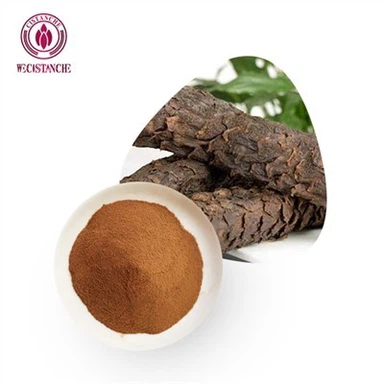
Cistanche is a traditional Chinese herbal medicine used for centuries to treat various health conditions, including kidney disease. It is derived from the dried stems of Cistanche deserticola, a plant native to the deserts of China and Mongolia. The main active components of cistanche are phenylethanoid glycosides, echinacoside, and acteoside, which have been found to benefit kidney health.
Kidney disease, also known as renal disease, refers to a condition in which the kidneys are not functioning properly. This can result in a buildup of waste products and toxins in the body, leading to various symptoms and complications. Cistanche may help treat kidney disease ase through several mechanisms.
Firstly, cistanche has been found to have diuretic properties, meaning it can increase urine production and help eliminate waste products from the body. This can help relieve the burden on the kidneys and prevent the buildup of toxins. By promoting diuresis, cistanche may also help Reduce high blood pressure, a common complication of kidney disease.
Moreover, cistanche has been shown to have antioxidant effects. Oxidative stress, caused by an imbalance between the production of free radicals and the body's antioxidant defenses, plays a key role in the progression of kidney disease. ies help neutralize free radicals and reduce Oxidative stress, thereby protecting the kidneys from damage. The phenylethanoid glycosides found in cistanche have been particularly effective in scavenging free radicals and inhibiting lipid peroxidation.
Additionally, cistanche has been found to have anti-inflammatory effects. Inflammation is another key factor in the development and progression of kidney disease. Cistanche's anti-inflammatory properties help reduce the production of pro-inflammatory cytokines and inhibit the activation of inflammation mandatory pathways, thus alleviating inflammation in the kidneys.

Furthermore, cistanche has been shown to have immunomodulatory effects. In kidney disease, the immune system can be dysregulated, leading to excessive inflammation and tissue damage. Cistanche helps regulate the immune response by modulating the production and activity of immune cells, such as T cells and macrophages. This immune regulation helps reduce inflammation and prevent further damage to the kidneys.
Moreover, cistanche has been found to improve renal function by promoting the regeneration of renal tubes with cells. Renal tubular epithelial cells play a crucial role in the filtration and reabsorption of waste products and electrolytes. In kidney disease, these cells can be damaged, leading to damaged renal function. Cistanche's ability to promote the regeneration of these cells helps restore proper renal function and improve overall kidney health.
In addition to these direct effects on the kidneys, cistanche has been found to have beneficial effects on other organs and systems in the body. This holistic approach to health is particularly important in kidney disease, as the condition often affects multiple organs and systems. che has been shown to have protective effects on the liver, heart, and blood vessels, which are commonly affected by kidney disease. By promoting the health of these organs, cistanche helps improve overall kidney function and prevent further complications.
In conclusion, cistanche is a traditional Chinese herbal medicine used for centuries to treat kidney disease. Its active components have diuretic, antioxidant, anti-inflammatory, immunomodulatory, and regenerative effects, which help improve renal function and protect the kidneys from further damage. , cistanche has beneficial effects on other organs and systems, making it a holistic approach to treating kidney disease.