Kelong Capsule Alleviates Benign Prostatic Hyperplasia in Rats Via Nrf2 Pathway Activation And Inflammation Suppression
Nov 25, 2025
3. Results
3.1 Effect of Kelong Capsule on Prostatic Histopathology in BPH Model Rats
HE staining revealed that, compared with the normal control and sham groups, the model group exhibited cuboidal or tall columnar prostatic epithelial cells, significantly dilated glandular lumens, and increased intraluminal secretions. In contrast, rats in the positive control (finasteride) and high-dose Kelong capsule groups predominantly showed cuboidal epithelium, with a marked reduction in tall columnar epithelial cells and significant improvement in glandular dilation, as shown in Figure 1.

Figure 1. Effects of Kelong capsules on the pathological changes in prostate tissue of rats with benign prostatic hyperplasia (BPH) (HE×50)

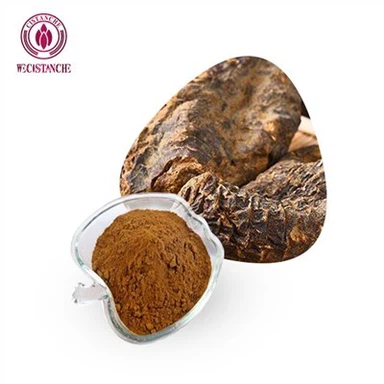
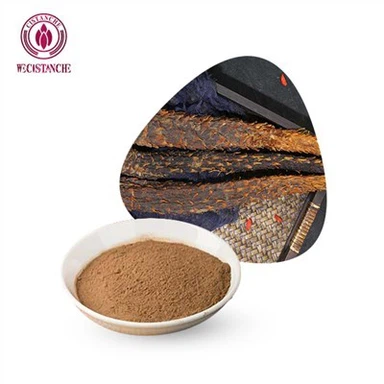
TCM cistanche for prostate disease
3.2 Effects of Kelong Capsule on Serum T, E2, and DHT Levels in BPH Model Rats
ELISA results indicated no statistically significant differences in serum testosterone (T), estradiol (E2), or dihydrotestosterone (DHT) levels between the normal and sham groups. Compared with the sham group, the model group showed significantly elevated T and DHT levels (P<0.05) and significantly decreased E2 levels (P<0.01). In comparison with the model group, the high- and medium-dose Kelong capsule groups exhibited significantly lower T and DHT levels (P<0.05) and significantly higher E2 levels (P<0.05). In the low-dose group, changes in serum T, DHT, and E2 levels were not statistically significant, as shown in Figure 2.
Table 1. Primer Sequences Used for qRT-PCR
| Gene | Primer Direction | Primer Sequence (5′–3′) | Length / bp |
|---|---|---|---|
| Nrf2 | Forward | GCCTTCCTCTGCTGCCATTAGTC | 23 |
| Reverse | TGCCCTTCAGCTCTCCTGTTC | 23 | |
| NQO1 | Forward | TGGGCTACGGCCTGTCATTC | 21 |
| Reverse | CGGTGTCGATGATGGGATGAAGTC | 23 | |
| TNF-α | Forward | CACCACGCTCTTCTGTCTACTGAAC | 25 |
| Reverse | TGGCCTTGGTCTGGTAGGAGAC | 22 | |
| IL-1β | Forward | ATATCCACAGCAGCACATCAACAAG | 25 |
| Reverse | TCCACGGGCAAGACATAGGTAGC | 23 | |
| IL-6 | Forward | ACTTCCAGCCAGTTGCCTTCTT | 22 |
| Reverse | TGCCCTGATTGTACTGGTGTGAA | 24 | |
| GAPDH | Forward | CAGCCTCGTCTCATAGACAAGGT | 19 |
| Reverse | TCCCGTTGATGACCAGCTTCCC | 20 |
3.3 Effects of Kelong Capsule on Nrf2 and NQO1 mRNA Expression in Prostate Tissue of BPH Rats
RT-qPCR results showed no significant differences in Nrf2 and NQO1 mRNA levels between the normal and sham groups. Compared with the sham group, the model group exhibited significantly reduced expression of Nrf2 and NQO1 mRNA in prostate tissue (P<0.01). Compared with the model group, the high- and medium-dose Kelong capsule groups showed significantly increased NQO1 expression (P<0.01), while all three dosage groups showed a significant upregulation of Nrf2 mRNA levels (P<0.05), as shown in Figure 3.

Note: Compared with the sham-operated group, #P<0.05,
##P<0.01; Compared with the model group, ∗ P<0.05,
∗∗ P<0.01; Testosterone (T), estradiol (E2), dihydrotestosterone (DHT)
Figure 2 Effects of Kelong capsules on serum T, E2 and DHT levels in benign prostatic hyperplasia (BPH) model rats (n = 8)
3.4 Effects of Kelong Capsule on TNF-α, IL-1β, and IL-6 mRNA Expression in Prostate Tissue of BPH Rats
RT-qPCR results revealed no significant differences in TNF-α, IL-1β, and IL-6 mRNA levels between the normal and sham groups. However, the model group exhibited significantly elevated mRNA expression of TNF-α, IL-1β, and IL-6 in prostate tissue (P<0.01). Compared with the model group, all three Kelong capsule dosage groups significantly reduced the expression of these inflammatory markers (P<0.05), as shown in Figure 4.
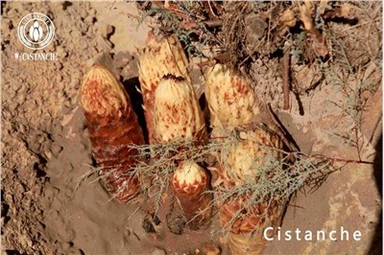
TCM HERB CISTANCHE, A HERB FAMOUS FOR KIDNEY HEALTH

4. Discussion
Benign prostatic hyperplasia (BPH) is characterized by symptoms such as urinary frequency, incontinence, and progressive difficulty in urination. With the aging population in China and globally, BPH and its associated lower urinary tract symptoms (LUTS) have become major factors impairing the physical and mental health-and overall quality of life-of elderly men.
Androgens, particularly testosterone and its more potent metabolite dihydrotestosterone (DHT), are considered key contributors to BPH development. Other mechanisms, such as stromal-epithelial transdifferentiation, tissue hypoxia, dysregulation of cell proliferation/apoptosis, and local metabolic disturbances, are also implicated in BPH pathogenesis.
In Traditional Chinese Medicine (TCM), BPH is primarily associated with kidney qi deficiency and blood stasis. Therefore, tonifying kidney yang and promoting blood circulation are core therapeutic principles. Kelong capsule is a modified formula based on Jin Gui Shen Qi Wan, developed according to the TCM theory of "yang transforms qi, yin forms structure," and the principle of "intervening early to reverse progression." It incorporates additional ingredients such as Astragalus, soy isoflavones, and pumpkin seed oil to enhance therapeutic efficacy.
Previous clinical studies have demonstrated that Kelong capsule can reduce prostate symptom scores, decrease prostate volume, increase maximum urinary flow rate, and reduce post-void residual urine in patients with BPH. In the present study, high-dose Kelong capsule significantly improved prostate histopathology in BPH model rats by reducing glandular dilation and the number of tall columnar epithelial cells.
In terms of hormone regulation, Kelong capsule significantly suppressed serum T and DHT levels while elevating E2 levels in BPH rats-suggesting a capacity to restore hormonal balance.
Cistanche and Prostate Health
Of particular interest, Cistanche deserticola, known as "Rou Cong Rong" in TCM, is a key herb found in various kidney-tonifying formulas. It has been shown to exert protective effects on the prostate through multiple mechanisms:
Anti-inflammatory: Cistanche reduces levels of pro-inflammatory cytokines such as TNF-α, IL-6, and IL-1β.
Hormonal modulation: It helps regulate androgen levels, potentially reducing DHT accumulation.
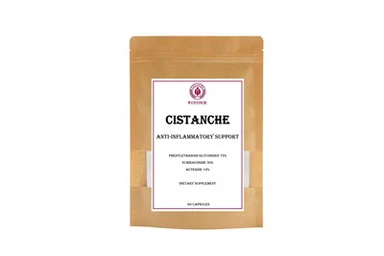
Antioxidant properties: Rich in phenylethanoid glycosides like echinacoside and acteoside, Cistanche activates the Nrf2/ARE signaling pathway, enhancing expression of antioxidant enzymes such as HO-1, NQO1, and SOD.
Tissue protection: It improves tissue resilience by combating oxidative stress and reducing fibrosis in the prostate.
These pharmacological effects align with the mechanisms observed in this study, suggesting that herbal formulas containing Cistanche, such as Kelong capsule, may exert their anti-BPH effects through both antioxidative and anti-inflammatory pathways.
Nrf2 Signaling Pathway and BPH
The Nrf2/ARE pathway plays a pivotal role in cellular defense against oxidative stress and environmental damage. Under normal conditions, Nrf2 is sequestered in the cytoplasm by its repressor KEAP1, leading to its ubiquitination and degradation. Under oxidative stress, Nrf2 dissociates from KEAP1, translocates to the nucleus, and binds to antioxidant response elements (AREs), activating downstream genes such as superoxide dismutase (SOD), glutathione (GSH), heme oxygenase-1 (HO-1), and NAD(P)H quinone oxidoreductase 1 (NQO1).
In addition to combating oxidative damage, Nrf2 activation also attenuates inflammation. For instance, Eri H et al. found that Nrf2 pathway activation downregulated IL-6 transcription, reducing inflammatory phenotypes in mouse models. It also inhibits LPS-induced upregulation of IL-6 and IL-1β.
In this study, BPH rats exhibited significantly reduced Nrf2 and NQO1 mRNA expression in prostate tissue, indicating suppressed antioxidative capacity. Kelong capsule treatment reversed this trend, upregulating both Nrf2 and NQO1 expression-suggesting activation of the Nrf2 pathway as a potential mechanism for its anti-BPH effects.
Prostatic Inflammation and BPH Progression
Numerous studies have shown that most BPH patients exhibit varying levels of inflammatory cell infiltration in prostate tissue. Chronic inflammation can drive compensatory cell proliferation, disrupting the balance between proliferation and apoptosis. Inflammatory processes also promote angiogenesis and further prostate enlargement.
In a clinical study involving 8,224 BPH patients, over 70% were found to have chronic inflammatory infiltration in hyperplastic prostate tissue. These patients had significantly higher IPSS scores and larger prostate volumes than those without inflammation. Another study of 4,109 patients found that chronic prostatic inflammation was associated with more severe LUTS, larger prostate volumes, and increased risk of acute urinary retention.
These findings suggest that chronic inflammation plays a central role in BPH development. In our study, the BPH model group showed significantly elevated mRNA levels of TNF-α, IL-1β, and IL-6-hallmarks of inflammation. Kelong capsule treatment significantly reduced these levels, indicating a strong anti-inflammatory effect, which likely contributes to its therapeutic efficacy.
Conclusion
As a traditional multi-herbal formulation, Kelong capsule exerts significant therapeutic effects on BPH by:
Activating the Nrf2 antioxidative signaling pathway
Suppressing pro-inflammatory cytokines
Rebalancing sex hormone levels (↓T, ↓DHT, ↑E2)
These findings provide a robust experimental foundation for the clinical application of Kelong capsule in managing BPH and support its development as a herbal supplement targeting prostate health.