Kidney Overload & Renal Protection: Reduce Burden, Improve Microcirculation, And Cistanche Benefits For Kidney Health
Aug 19, 2026
The kidneys perform core physiological work including blood filtration, metabolic waste removal and toxin excretion. Beyond that, they regulate water‑sodium balance, acid‑base status and electrolyte equilibrium in the human body. Constant heavy workload makes kidneys vulnerable to functional overload over time. When the immune system malfunctions, inflammatory factors and immune complexes continuously damage renal cells. Once renal cell injury exceeds 30%, measurable declines in kidney function will occur.
Many factors contribute to kidney overload. External triggers include poor‑quality diets that raise filtration stress, persistent overwork and recurrent infections. These conditions over‑consume immune capacity, trigger chronic inflammation, and worsen renal ischemia‑hypoxia, further dragging down kidney performance. Such externally‑driven damage is often reversible. Remove stressors and restore blood oxygen supply to kidney tissue, and renal function can recover fairly well.

Internal risk factors are more complex: hypertension, hyperlipidemia, diabetes, obesity and genetic‑driven kidney disorders such as polycystic kidney disease. These conditions cause systemic vascular lesions. Without early intervention, renal impairment can progress toward renal failure or end‑stage kidney disease. Diabetic nephropathy is a typical example. For these cases, recovery is slower, so targeted etiology‑driven treatment and symptomatic management are essential to slow disease progression.
Recovering over‑burdened kidneys mainly relies on two core principles: reducing renal burden and improving renal microcirculation. Combined with immune regulation and whole‑body conditioning, we can preserve remaining healthy renal cells and lower long‑term risk of kidney deterioration.

1. Reduce Kidney Burden: Relieve Pressure on Glomeruli and Renal Cells
Reducing kidney burden aims to ease glomerular hypertension, cut filtration workload and mitigate inflammatory injury to protect surviving kidney tissue.
Lower intraglomerular pressure and metabolic stress Kidney overload frequently co‑occurs with hypertension, hyperglycemia and dyslipidemia. These metabolic disturbances raise pressure inside glomeruli and place excessive wear on renal cells. Stabilizing blood pressure, blood glucose and blood lipids helps bring down intraglomerular pressure. Conventional pharmaceutical interventions include ACE inhibitors or ARBs. Selected botanicals can also support this goal. Lower glomerular pressure directly eases metabolic strain on filtration membranes and gives renal cells space to recover.
Cut filtration load through dietary adjustment High‑salt, high‑sugar and excessive‑protein diets sharply boost kidney filtration pressure and intraglomerular tension. Low‑salt, low‑sugar and appropriately moderate‑protein eating patterns prevent overloading renal filtration systems. Blind high‑protein supplementation should be avoided, since excess protein intake may worsen kidney stress.
Clear immune inflammation and accumulated toxins Immune‑mediated inflammation and accumulated metabolic waste are major drivers of renal‑cell damage. Modulating immune response, clearing deposited immune complexes, maintaining adequate hydration and supporting urinary excretion help decrease inflammatory stimulation and toxin buildup inside kidneys.
This multi‑faceted burden‑relief framework sets the stage for herbal adjuvant support, which brings us to Cistanche Tubulosa and documented Cistanche benefits for kidney health.
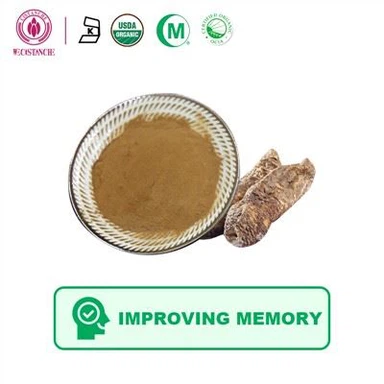
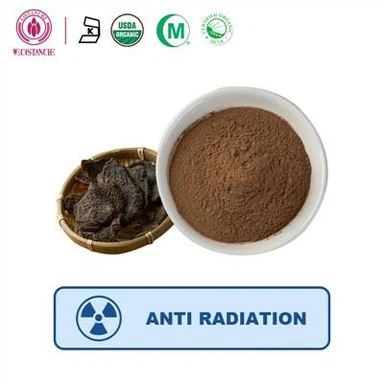
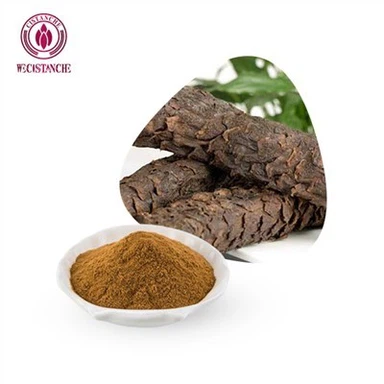
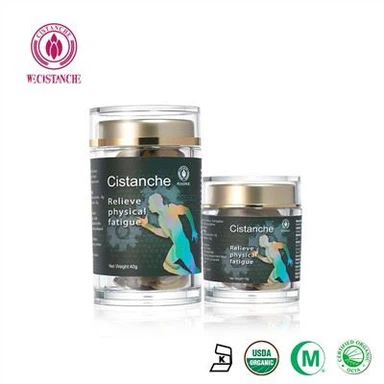
Explanation for Western readers: Known as "desert ginseng" in Traditional Chinese Medicine, Cistanche Tubulosa was historically used for patterns of kidney depletion marked by persistent fatigue and lumbar soreness. Instead of relying only on ancient TCM descriptions, modern pre‑clinical research focuses on its measurable bioactive constituents. Compared with Cistanche deserticola, Cistanche Tubulosa delivers significantly higher concentrations of phenylethanoid glycosides (PhGs), mainly echinacoside and acteoside - the primary compounds supporting renal protection. Visit our About‑Us page to learn more about our standardized high‑potency Cistanche Tubulosa extract manufacturing.
Pre‑clinical studies show standardized Cistanche Tubulosa extract helps reduce kidney burden via multiple pathways: it moderates excessive inflammatory signaling, relieves oxidative damage to glomerular podocytes, and supports balanced intraglomerular perfusion pressure. It works synergistically alongside diet, lifestyle and standard medical protocols, and cannot replace prescription treatment for kidney disease.

2. Improve Renal Microcirculation: Boost Oxygen Supply and Toxin Excretion
Kidney tissue consists of dense capillary networks. Kidney overload often causes local vascular damage, microcirculatory blockage and renal‑cell ischemia‑hypoxia.
Activate blood circulation and restore oxygen delivery Damaged micro‑vessels cut oxygen and nutrient supply to kidney cells. Improved microcirculation restores blood perfusion, creates better conditions for damaged renal‑cell repair and compensatory regeneration. Botanicals with circulation‑support properties are widely studied for this application.
Enhance waste excretion and optimize renal internal environment Better blood flow raises the kidneys' blood‑filtering capacity. More metabolic toxins are eliminated from circulation, further lowering kidneys' detoxification workload and improving overall renal micro‑environment.
Standardized Cistanche Tubulosa extract supports renal micro‑circulation protection. Its key PhG compounds support endothelial health, ease renal vasoconstriction triggered by metabolic stress, relieve ischemia‑reperfusion injury, and help maintain normal blood perfusion in kidney tissue. For supplement developers, this makes Cistanche Tubulosa extract a valuable plant‑sourced raw material for kidney‑support formula development. Remember Cistanche benefits for kidney health represent complementary botanical support rather than replacement for clinical care.
3. Immune Modulation and Whole‑Body System Improvement
Chronic kidney overload is closely linked with immune imbalance and systemic metabolic conditions.
Modulate immune response and avoid excessive immune consumption Chronic over‑fatigue and repeated infections overburden immune function. Mis‑directed immune responses generate persistent inflammatory attacks targeting kidney tissue. Gentle immune‑modulating support can reduce recurring renal injury and build a favorable internal environment for kidney repair. Cistanche Tubulosa acts as an immunomodulator rather than a simple immune booster: it tempers over‑active inflammatory cascades while preserving normal defensive immune capacity.
Manage underlying systemic diseases Kidney impairment often develops as a complication of hypertension, diabetes and obesity. Controlling these primary illnesses improves whole‑body circulation, which in turn optimizes renal blood supply and creates conditions for kidney recovery.

4. TCM Pattern‑Based Kidney Conditioning: Understand "Kidney Tonification"
Important note for Western audiences: the TCM concept of "kidney deficiency" describes a whole‑body functional imbalance (symptoms such as fatigue, lumbar soreness and premature aging), and is not equivalent to organic kidney disease diagnosed in Western medicine. Herbal formulas or food therapy aim to regulate organ function, ease discomforts caused by insufficient kidney‑qi, restore overall physical resilience, and indirectly reduce compensatory pressure on kidneys. Blind heavy supplementation is strongly discouraged, as improper supplementation may increase renal burden.
Practical Strategies to Rescue Over‑Burdened Kidney Function
Restoring kidney health follows two core directions: reduce renal burden and optimize microcirculation. Three actionable focus areas:
Suppress renal immune inflammation and clear immune complexes Combined integrative approaches can inhibit local kidney inflammation and balance immune response to avoid repeated inflammatory flare‑ups. Protecting remaining intact renal cells is top priority.
Stabilize intraglomerular pressure and ease glomerular metabolic stress Keep blood pressure and lipid levels stable to sustain steady renal blood flow and oxygen delivery. Therapies may include prescription anti‑hypertensive, lipid‑lowering medicines such as ARBs and statins, paired with vaso‑active botanicals. External therapies including moxibustion on renal‑zone acupoints can assist circulation improvement. Optimized renal micro‑environment lowers survival pressure for kidney cells, supports renal repair and enhances toxin clearance.
Promote detoxification by activating microcirculation Since kidneys are built from dense capillary clusters, vascular necrosis and blockage arise as renal cells atrophy. Improving local blood circulation is critical for clearing blood‑borne metabolic waste. Combined oral herbal formulas and external applications achieve systematic circulation‑promoting effects. Better perfusion raises renal filtration efficiency, increases waste removal, reduces kidney burden, supports partial recovery of compromised renal function and lowers risk of progression toward end‑stage conditions.

Closing Thoughts
Kidney recovery is a comprehensive, long‑term process. Always address root causes alongside symptomatic conditioning. Avoid blind high‑dose supplementation which may worsen kidney strain. Whether dealing with reversible external‑caused overload or slow‑progress internal chronic complications, stabilizing underlying conditions, lowering kidney burden and improving micro‑circulation remain the central principles.
For supplement brand owners and raw‑material buyers looking for plant‑derived ingredients for renal‑support products, our high‑activity standardized Cistanche Tubulosa extract delivers pre‑clinically supported botanical value leveraging Cistanche benefits for kidney health. Visit our About‑Us page for manufacturing profiles, COA specifications and business cooperation inquiries.

Disclaimer
This article serves for educational and industry reference only. Statements have not been evaluated by the FDA. Cistanche Tubulosa extract cannot diagnose, treat or cure kidney diseases. It does not replace professional medical advice, prescription drugs or standard nephrology treatments. Individual outcomes vary. Consult qualified healthcare professionals before developing or launching herbal supplement products.