Malnutrition Patterns in Children With Chronic Kidney Disease Part 3
Oct 23, 2023
Why we will be tired? How can we solve the fatigue problems?
【Contact】Email: george.deng@wecistanche.com / WhatsApp:008613632399501/Wechat:13632399501
11. Conclusions
Children with CKD are susceptible to both undernutrition/PEW and overnutrition/obesity patterns of malnutrition. Both conditions may ultimately imperil renal function and cardiovascular health. The risk for high adiposity in patients with normal BMI and the growing prevalence of muscle wasting in both PEW and obese conditions indicate the need for body composition assessment. Application of anthropometric techniques is, in general, discouraged due to the lack of precision and the high inter- and intra-observer variability. Several technological tools are used in clinical practice and regardless of their limitations, they could be proven efficient for body composition monitoring. Further studies are needed to evaluate the benefits of regular body composition monitoring in everyday clinical practice. Moreover, apart from nutritional management, early-onset rGH therapy in case of growth failure and the application of exercise training tailored to the patient's needs may help to improve muscle mass and strength and in parallel reduce the risk of fat mass accumulation.
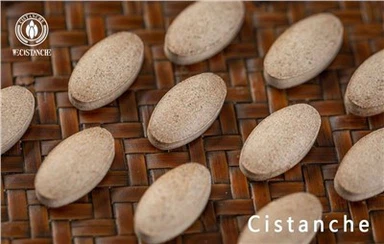
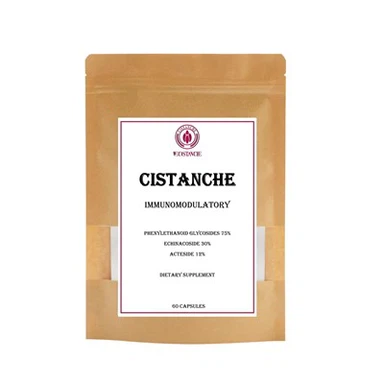
Cistanche can act as an anti-fatigue and stamina enhancer, and experimental studies have shown that the decoction of Cistanche tubulosa could effectively protect the liver hepatocytes and endothelial cells damaged in weight-bearing swimming mice, upregulate the expression of NOS3, and promote hepatic glycogen synthesis, thus exerting anti-fatigue efficacy. Phenylethanoid glycoside-rich Cistanche tubulosa extract could significantly reduce the serum creatine kinase, lactate dehydrogenase, and lactate levels, and increase the hemoglobin (HB) and glucose levels in ICR mice, and this could play an anti-fatigue role by decreasing the muscle damage and delaying the lactic acid enrichment for energy storage in mice. Compound Cistanche Tubulosa Tablets significantly prolonged the weight-bearing swimming time, increased the hepatic glycogen reserve, and decreased the serum urea level after exercise in mice, showing its anti-fatigue effect. The decoction of Cistanchis can improve endurance and accelerate the elimination of fatigue in exercising mice, and can also reduce the elevation of serum creatine kinase after load exercise and keep the ultrastructure of skeletal muscle of mice normal after exercise, which indicates that it has the effects of enhancing physical strength and anti-fatigue. Cistanchis also significantly prolonged the survival time of nitrite-poisoned mice and enhanced the tolerance against hypoxia and fatigue.

Click on Over fatigue
Funding: This research received no external funding.
Institutional Review Board Statement: Not applicable.
Informed Consent Statement: Not applicable.
Data Availability Statement: Not applicable.
Conflicts of Interest: The authors declare no conflict of interest
References
1. Nittari, G.; Scuri, S.; Sagaro, G.G.; Petrelli, F.; Grappasonni, I. Epidemiology of Obesity in Children and Adolescents. In Teamwork in Healthcare; Intechopen: London, UK, 2021. [CrossRef]
2. Williams, J.; Buoncristiano, M.; Nardone, P.; Rito, A.I.; Spinelli, A.; Hejgaard, T.; Kierkegaard, L.; Nurk, E.; Kunešová, M.; Milanovi´c, S.M.; et al. A Snapshot of European Children's Eating Habits: Results from the Fourth Round of the WHO European Childhood Obesity Surveillance Initiative (COSI). Nutrients 2020, 12, 2481. [CrossRef]
3. Zembura, M.; Matusik, P. Sarcopenic Obesity in Children and Adolescents: A Systematic Review. Front. Endocrinol. 2022, 13, 914740. [CrossRef] [PubMed]
4. Rees, L. Protein-energy wasting; what is it and what can we do to prevent it? Pediatr. Nephrol. 2021, 36, 287–294. [CrossRef] [PubMed]
5. Bonthuis, M.; Van Stralen, K.J.; Verrina, E.E.; Groothoff, J.W.; Melgar, Á.A.; Edefonti, A.; Fischbach, M.; Mendes, P.; Molchanova, E.A.; Paripovi´c, D.; et al. Underweight, overweight, and obesity in pediatric dialysis and renal transplant patients. Nephrol. Dial. Transplant. 2013, 28, iv195–iv204. [CrossRef] [PubMed]
6. Cruz-Jentoft, A.J.; Bahat, G.; Bauer, J.; Boirie, Y.; Bruyère, O.; Cederholm, T.; Cooper, C.; Landi, F.; Rolland, Y.; Sayer, A.A.; et al. Sarcopenia: Revised European consensus on definition and diagnosis. Age Ageing 2019, 48, 16–31. [CrossRef] [PubMed]
7. Fouque, D.; Kalantar-Zadeh, K.; Kopple, J.; Cano, N.; Chauveau, P.; Cuppari, L.; Franch, H.; Guarnieri, G.; Ikizler, T.A.; Kaysen, G.; et al. A proposed nomenclature and diagnostic criteria for protein–energy wasting in acute and chronic kidney disease. Kidney Int. 2008, 73, 391–398. [CrossRef]
8. Oliveira, E.A.; Cheung, W.W.; Toma, K.G.; Mak, R.H. Muscle wasting in chronic kidney disease. Pediatr. Nephrol. 2017, 33, 789–798. [CrossRef]
9. Abraham, A.G.; Mak, R.H.; Mitsnefes, M.; White, C.; Moxey-Mims, M.; Warady, B.; Furth, S.L. Protein energy wasting in children with chronic kidney disease. Pediatr. Nephrol. 2014, 29, 1231–1238. [CrossRef]
10. Sgambat, K.; Matheson, M.B.; Hooper, S.R.; Warady, B.; Furth, S.; Moudgil, A. Prevalence and outcomes of fragility: A frailty inflammation phenotype in children with chronic kidney disease. Pediatr. Nephrol. 2019, 34, 2563–2569. [CrossRef]
11. Worthen, G.; Tennankore, K. Frailty Screening in Chronic Kidney Disease: Current Perspectives. Int. J. Nephrol. Renov. Dis. 2019, 12, 229–239. [CrossRef]
12. Rees, L.; Mak, R.H. Nutrition and growth in children with chronic kidney disease. Nat. Rev. Nephrol. 2011, 7, 615–623. [CrossRef] [PubMed]
13. Olson, B.; Marks, D.L.; Grossberg, A.J. Diverging metabolic programs and behaviors during states of starvation, protein malnutrition, and cachexia. J. Cachex-Sarcopenia Muscle 2020, 11, 1429–1446. [CrossRef] [PubMed]
14. Cederholm, T.; Bosaeus, I.; Barazzoni, R.; Bauer, J.; Van Gossum, A.; Klek, S.; Muscaritoli, M.; Nyulasi, I.; Ockenga, J.; Schneider, S.; et al. Diagnostic criteria for malnutrition—An ESPEN Consensus Statement. Clin. Nutr. 2015, 34, 335–340. [CrossRef] [PubMed]
15. Ku, E.; Kopple, J.D.; McCulloch, C.E.; Warady, B.A.; Furth, S.L.; Mak, R.H.; Grimes, B.A.; Mitsnefes, M. Associations Between Weight Loss, Kidney Function Decline, and Risk of ESRD in the Chronic Kidney Disease in Children (CKiD) Cohort Study. Am. J. Kidney Dis. 2018, 71, 648–656. [CrossRef]
16. Rodig, N.M.; Roem, J.; Schneider, M.F.; Seo-Mayer, P.W.; Reidy, K.J.; Kaskel, F.J.; Kogon, A.J.; Furth, S.L.; Warady, B.A. Longitudinal outcomes of body mass index in overweight and obese children with chronic kidney disease. Pediatr. Nephrol. 2021, 36, 1851–1860. [CrossRef]
17. Kogon, A.J.; Roem, J.; Schneider, M.F.; Mitsnefes, M.M.; Zemel, B.S.; Warady, B.A.; Furth, S.L.; Rodig, N.M. Associations of body mass index (BMI) and BMI change with progression of chronic kidney disease in children. Pediatr. Nephrol. 2022, 38, 1257–1266. [CrossRef] [PubMed]
18. Wong, C.S.; Gipson, D.S.; Gillen, D.L.; Emerson, S.; Koepsell, T.; Sherrard, D.J.; Watkins, S.L.; Stehman-Breen, C. Anthropometric measures and risk of death in children with end-stage renal disease. Am. J. Kidney Dis. 2000, 36, 811–819. [CrossRef] [PubMed]
19. Furth, S.L.; Stablein, D.; Fine, R.N.; Powe, N.R.; Fivush, B.A. Adverse Clinical Outcomes Associated With Short Stature at Dialysis Initiation: A Report of the North American Pediatric Renal Transplant Cooperative Study. Pediatrics 2002, 109, 909–913. [CrossRef]
20. Furth, S.L.; Hwang, W.; Yang, C.; Neu, A.M.; Fivush, B.A.; Powe, N.R. Growth failure, risk of hospitalization and death for children with end-stage renal disease. Pediatr. Nephrol. 2002, 17, 450–455. [CrossRef]
21. Schaefer, F.; Benner, L.; Borzych-Du˙załka, D.; Zaritsky, J.; Xu, H.; Rees, L.; Antonio, Z.L.; Serdaroglu, E.; Hooman, N.; Patel, H.; et al. Global Variation of Nutritional Status in Children Undergoing Chronic Peritoneal Dialysis: A Longitudinal Study of the International Pediatric Peritoneal Dialysis Network. Sci. Rep. 2019, 9, 4886. [CrossRef]
22. Ku, E.; Fine, R.N.; Hsu, C.-Y.; McCulloch, C.; Glidden, D.V.; Grimes, B.; Johansen, K.L. Height at First RRT and Mortality in Children. Clin. J. Am. Soc. Nephrol. 2016, 11, 832–839. [CrossRef] [PubMed]
23. Kaur, K.; Jun, D.; Grodstein, E.; Singer, P.; Castellanos, L.; Teperman, L.; Molmenti, E.; Fahmy, A.; Frank, R.; Infante, L.; et al. Outcomes of underweight, overweight, and obese pediatric kidney transplant recipients. Pediatr. Nephrol. 2018, 33, 2353–2362. [CrossRef] [PubMed]
24. Hanevold, C.D.; Ho, P.-L.; Talley, L.; Mitsnefes, M.M. Obesity and Renal Transplant Outcome: A Report of the North American Pediatric Renal Transplant Cooperative Study. Pediatrics 2005, 115, 352–356. [CrossRef]
25. Winnicki, E.; Dharmar, M.; Tancredi, D.J.; Nguyen, S.; Butani, L. Effect of BMI on allograft function and survival in pediatric renal transplant recipients. Pediatr. Nephrol. 2018, 33, 1429–1435. [CrossRef] [PubMed]
26. Ku, E.; Glidden, D.V.; Hsu, C.-Y.; Portale, A.A.; Grimes, B.; Johansen, K.L. Association of Body Mass Index with Patient-Centered Outcomes in Children with ESRD. J. Am. Soc. Nephrol. 2016, 27, 551–558. [CrossRef]
27. Brady, T.M.; Roem, J.; Cox, C.; Schneider, M.F.; Wilson, A.C.; Furth, S.L.; Warady, B.A.; Mitsnefes, M. Adiposity, Sex, and Cardiovascular Disease Risk in Children With CKD: A Longitudinal Study of Youth Enrolled in the Chronic Kidney Disease in Children (CKiD) Study. Am. J. Kidney Dis. 2020, 76, 166–173. [CrossRef]
28. Karava, V.; Printza, N.; Dotis, J.; Demertzi, D.; Antza, C.; Kotsis, V.; Papachristou, F.; Stabouli, S. Body composition and arterial stiffness in pediatric patients with chronic kidney disease. Pediatr. Nephrol. 2019, 34, 1253–1260. [CrossRef]
29. Patel, H.P.; Saland, J.M.; Ng, D.K.; Jiang, S.; Warady, B.A.; Furth, S.L.; Flynn, J.T. Waist Circumference and Body Mass Index in Children with Chronic Kidney Disease and Metabolic, Cardiovascular, and Renal Outcomes. J. Pediatr. 2017, 191, 133–139. [CrossRef]
30. Karava, V.; Dotis, J.; Kondou, A.; Christoforidis, A.; Liakopoulos, V.; Tsioni, K.; Kollios, K.; Papachristou, F.; Printza, N. Association between relative fat mass, uric acid, and insulin resistance in children with chronic kidney disease. Pediatr. Nephrol. 2020, 36, 425–434. [CrossRef]

31. Canpolat, N.; Caliskan, S.; Sever, L.; Tasdemir, M.; Ekmekci, O.B.; Pehlivan, G.; Shroff, R. Malnutrition and its association with inflammation and vascular disease in children on maintenance dialysis. Pediatr. Nephrol. 2013, 28, 2149–2156. [CrossRef]
32. Karava, V.; Christoforidis, A.; Kondou, A.; Dotis, J.; Printza, N. Update on the Crosstalk Between Adipose Tissue and Mineral Balance in General Population and Chronic Kidney Disease. Front. Pediatr. 2021, 9, 696942. [CrossRef] [PubMed]
33. Karava, V.; Kondou, A.; Dotis, J.; Christoforidis, A.; Taparkou, A.; Tsioni, K.; Farmaki, E.; Kollios, K.; Siomou, E.; Liakopoulos, V.; et al. Association Between Secondary Hyperparathyroidism and Body Composition in Pediatric Patients With Moderate and Advanced Chronic Kidney Disease. Front. Pediatr. 2021, 9, 702778. [CrossRef] [PubMed]
34. Kovesdy, C.P.; Ahmadzadeh, S.; Anderson, J.E.; Kalantar-Zadeh, K. Obesity Is Associated with Secondary Hyperparathyroidism in Men with Moderate and Severe Chronic Kidney Disease. Clin. J. Am. Soc. Nephrol. 2007, 2, 1024–1029. [CrossRef] [PubMed]
35. Vanderstraeten, K.; De Pauw, R.; Knops, N.; Bouts, A.; Cransberg, K.; El Amouri, A.; Raes, A.; Prytuła, A. Body mass index is associated with hyperparathyroidism in pediatric kidney transplant recipients. Pediatr. Nephrol. 2020, 36, 977–986. [CrossRef] [PubMed]
36. Behnisch, R.; Kirchner, M.; Anarat, A.; Bacchetta, J.; Shroff, R.; Bilginer, Y.; Mir, S.; Çalı¸skan, S.; Paripovic, D.; Harambat, J.; et al. Determinants of Statural Growth in European Children With Chronic Kidney Disease: Findings From the Cardiovascular Comorbidity in Children With Chronic Kidney Disease (4C) Study. Front. Pediatr. 2019, 7, 278. [CrossRef]
37. Rees, L.; Jones, H. Nutritional management and growth in children with chronic kidney disease. Pediatr. Nephrol. 2012, 28, 527–536. [CrossRef]
38. Van Arendonk, K.J.; Boyarsky, B.J.; Orandi, B.J.; James, N.T.; Smith, J.M.; Colombani, P.M.; Segev, D.L. National Trends Over 25 Years in Pediatric Kidney Transplant Outcomes. Pediatrics 2014, 133, 594–601. [CrossRef]
39. Sienna, J.L.; Saqan, R.; Teh, J.C.; Frieling, M.L.; Secker, D.; Cornelius, V.; Geary, D.F. Body size in children with chronic kidney disease after gastrostomy tube feeding. Pediatr. Nephrol. 2010, 25, 2115–2121. [CrossRef]
40. Filler, G.; Payne, R.P.; Orrbine, E.; Clifford, T.; Drukker, A.; McLaine, P.N. Changing trends in the referral patterns of pediatric nephrology patients. Pediatr. Nephrol. 2005, 20, 603–608. [CrossRef]
41. Rashid, R.; Neill, E.; Smith, W.; King, D.; Beattie, T.J.; Murphy, A.; Ramage, I.J.; Maxwell, H.; Ahmed, S.F. Body composition and nutritional intake in children with chronic kidney disease. Pediatr. Nephrol. 2006, 21, 1730–1738. [CrossRef]
42. Melhuish, E.; Lindeback, R.; Lambert, K. Scoping review of the dietary intake of children with chronic kidney disease. Pediatr. Nephrol. 2022, 37, 1995–2012. [CrossRef]
43. Rätsch, I.M.; Catassi, C.; Verrina, E.E.; Gusmano, R.; Appiani, A.; Bettinelli, A.; Picca, S.; Rizzoni, G.; Fabian-Bach, C.; Wingen, A.M.; et al. Energy and nutrient intake of patients with mild-to-moderate chronic renal failure compared with healthy children: An Italian multicentre study. Eur. J. Pediatr. 1992, 151, 701–705. [CrossRef] [PubMed]
44. Foreman, J.W.; Abitbol, C.L.; Trachtman, H.; Garin, E.H.; Feld, L.G.; Strife, C.F.; Massie, M.D.; Boyle, R.M.; Chan, J.C. Nutritional intake in children with renal insufficiency: A report of the growth failure in children with renal diseases studies. J. Am. Coll. Nutr. 1996, 15, 579–585. [CrossRef]
45. Hui, W.F.; Betoko, A.; Savant, J.D.; Abraham, A.G.; Greenbaum, L.A.; Warady, B.; Moxey-Mims, M.M.; Furth, S.L. Assessment of dietary intake of children with chronic kidney disease. Pediatr. Nephrol. 2017, 32, 485–494. [CrossRef] [PubMed]
46. Chen, W.; Ducharme-Smith, K.; Davis, L.; Hui, W.F.; Warady, B.A.; Furth, S.L.; Abraham, A.G.; Betoko, A. Dietary sources of energy and nutrient intake among children and adolescents with chronic kidney disease. Pediatr. Nephrol. 2017, 32, 1233–1241. [CrossRef]
47. El Amouri, A.; Snauwaert, E.; Foulon, A.; Moortel, C.V.; Van Dyck, M.; Van Hoeck, K.; Godefroid, N.; Glorieux, G.; Van Biesen, W.; Walle, J.V.; et al. Dietary fiber intake is low in pediatric chronic kidney disease patients but its impact on levels of gut-derived uraemic toxins remains uncertain. Pediatr. Nephrol. 2021, 36, 1589–1595. [CrossRef]
48. Armstrong, J.E.; Laing, D.G.; Wilkes, F.J.; Kainer, G. Smell and taste function in children with chronic kidney disease. Pediatr. Nephrol. 2010, 25, 1497–1504. [CrossRef] [PubMed]
49. Clark, S.L.; Denburg, M.R.; Furth, S.L. Physical activity and screen time in adolescents in the chronic kidney disease in children (CKiD) cohort. Pediatr. Nephrol. 2016, 31, 801–808. [CrossRef] [PubMed]
50. Hamiwka, L.A.; Cantell, M.; Crawford, S.; Clark, C.G. Physical activity and health-related quality of life in children following kidney transplantation. Pediatr. Transplant. 2009, 13, 861–867. [CrossRef] [PubMed]
51. El-Gamasy, M.A.; Eldeeb, M.M. Assessment of the physical and psychosocial status of children with ESRD under regular hemodialysis, a single center experience. Int. J. Pediatr. Adolesc. Med. 2017, 4, 81–86. [CrossRef]
52. Wilkinson, T.J.; O’Mahoney, L.L.; Highton, P.; Viana, J.L.; Ribeiro, H.S.; Lightfoot, C.J.; Curtis, F.; Khunti, K. Physical activity and the ‘pediatric inactivity triad’ in children living with chronic kidney disease: A narrative review. Ther. Adv. Chronic Dis. 2022, 13, 20406223221109971. [CrossRef] [PubMed]
53. Patel, D.R.; Sankar Raj, V.M.; Torres, A. Chronic kidney disease, exercise, and sports in children, adolescents, and adults. Phys. Sportsmed. 2009, 37, 11–19. [CrossRef] [PubMed]
54. Karava, V.; Goutou, S.; Dotis, J.; Kondou, A.; Charela, E.; Dadoudi, O.; Eleftheriadis, T.; Stefanidis, I.; Printza, N. Fatigue and Quality of Life in Children with Chronic Kidney Disease. Children 2022, 9, 1414. [CrossRef] [PubMed]
55. Sabatino, A.; Cuppari, L.; Stenvinkel, P.; Lindholm, B.; Avesani, C.M. Sarcopenia in chronic kidney disease: What have we learned so far? J. Nephrol. 2021, 34, 1347–1372. [CrossRef] [PubMed]
56. Karava, V.; Dotis, J.; Christoforidis, A.; Kondou, A.; Printza, N. Muscle-bone axis in children with chronic kidney disease: Current knowledge and future perspectives. Pediatr. Nephrol. 2021, 36, 3813–3827. [CrossRef]
57. Hogan, J.; Schneider, M.F.; Pai, R.; Denburg, M.R.; Kogon, A.; Brooks, E.R.; Kaskel, F.J.; Reidy, K.J.; Saland, J.M.; Warady, B.A.; et al. Grip strength in children with chronic kidney disease. Pediatr. Nephrol. 2020, 35, 891–899. [CrossRef]
58. Silva, M.I.B.; Picard, K.; Klein, M.R.S.T. Sarcopenia and sarcopenic obesity in chronic kidney disease: Update on prevalence, outcomes, risk factors, and nutrition treatment. Curr. Opin. Clin. Nutr. Metab. Care 2022, 25, 371–377. [CrossRef]

59. Ooi, P.H.; Thompson-Hodgetts, S.; Pritchard-Wiart, L.; Gilmour, S.M.; Mager, D.R. Pediatric Sarcopenia: A Paradigm in the Overall Definition of Malnutrition in Children? J. Parenter. Enter. Nutr. 2020, 44, 407–418. [CrossRef]
60. Mckirdy, S.; Nichols, B.; Williamson, S.; Gerasimidis, K. Handgrip strength as a surrogate marker of lean mass and risk of malnutrition in pediatric patients. Clin. Nutr. 2021, 40, 5189–5195. [CrossRef]
61. Lee, D.Y.; Wetzsteon, R.J.; Zemel, B.S.; Shults, J.; Organ, J.M.; Foster, B.J.; Herskovitz, R.M.; Foerster, D.L.; Leonard, M.B. Muscle torque relative to cross-sectional area and the functional muscle-bone unit in children and adolescents with chronic disease. J. Bone Miner. Res. 2014, 30, 575–583. [CrossRef]
62. Painter, P.; Krasnoff, J.; Mathias, R. Exercise capacity and physical fitness in pediatric dialysis and kidney transplant patients. Pediatr. Nephrol. 2007, 22, 1030–1039. [CrossRef] [PubMed]
63. Alaylı, G.; Özkaya, O.; Bek, K.; Çalma¸sur, A.; Diren, H.B.; Bek, Y.; Cantürk, F. Physical function, muscle strength and muscle mass in children on peritoneal dialysis. Pediatr. Nephrol. 2008, 23, 639–644. [CrossRef]
64. Karava, V.; Dotis, J.; Christoforidis, A.; Liakopoulos, V.; Kondou, A.; Tsigaras, G.; Tsioni, K.; Kollios, K.; Printza, N. Association between insulin growth factor-1, bone mineral density, and frailty phenotype in children with chronic kidney disease. Pediatr. Nephrol. 2021, 36, 1861–1870. [CrossRef] [PubMed]
65. Tenbrock, K.; Kruppa, S.; Mokov, E.; Querfeld, U.; Michalk, D.; Schoenau, E. Analysis of muscle strength and bone structure in children with renal disease. Pediatr. Nephrol. 2000, 14, 669–672. [CrossRef]
66. Souweine, J.S.; Pasquier, G.; Kuster, N.; Rodriguez, A.; Patrier, L.; Morena, M. Dynapaenia and sarcopenia in chronic hemodialysis patients: Do muscle weakness and atrophy similarly influence the poor outcome? Nephrol. Dial. Transplant. 2021, 36, 1908–1918. [CrossRef] [PubMed]
67. Hayashi, H.; Izumiya, Y.; Hayashi, O.; Ichii, M.; Tsujimoto, Y.; Yoshiyama, M. Dynapenia is an independent predictor of cardio-cerebrovascular events in patients undergoing hemodialysis. Heart Vessels 2022, 37, 1066–1074. [CrossRef] [PubMed]
68. Chang, Y.-T.; Wu, H.-L.; Guo, H.-R.; Cheng, Y.-Y.; Tseng, C.-C.; Wang, M.-C.; Lin, C.-Y.; Sung, J.-M. Handgrip strength is an independent predictor of renal outcomes in patients with chronic kidney diseases. Nephrol. Dial. Transplant. 2011, 26, 3588–3595. [CrossRef]
69. Evans, W.J.; Morley, J.E.; Argilés, J.; Bales, C.; Baracos, V.; Guttridge, D.; Jatoi, A.; Kalantar-Zadeh, K.; Lochs, H.; Mantovani, G.; et al. Cachexia: A new definition. Clin. Nutr. 2008, 27, 793–799. [CrossRef]
70. Wilkinson, T.J.; Gould, D.W.; Nixon, D.G.D.; Watson, E.L.; Smith, A.C. Quality over quantity? Association of skeletal muscle myosteatosis and myelofibrosis on physical function in chronic kidney disease. Nephrol. Dial. Transplant. 2019, 34, 1344–1353. [CrossRef]
71. Zhao, H.-L.; Sui, Y.; Guan, J.; He, L.; Zhu, X.; Fan, R.-R.; Xu, G.; Kong, A.P.; Ho, C.S.; Lai, F.M.; et al. Fat redistribution and adipocyte transformation in uni nephrectomized rats. Kidney Int. 2008, 74, 467–477. [CrossRef]
72. Keddar, M.; Muylle, T.; Carrie, E.; Trefois, P.; Nachit, M.; Crott, R.; Christiaens, C.; Bammens, B.; Jadoul, M.; Goffin, E.; et al. Non-invasive Quantification of Fat Deposits in Skeletal Muscle Predicts Cardiovascular Outcome in Kidney Failure. Front. Physiol. 2020, 11, 130. [CrossRef] [PubMed]
73. Iyengar, A.; Kuriyan, R.; Kurpad, A.; Vasudevan, A. Body fat in children with chronic kidney disease—A comparative study of bio-impedance analysis with dual-energy X-ray absorptiometry. Indian J. Nephrol. 2021, 31, 39–42. [CrossRef] [PubMed]
74. Okorodudu, D.O.; Jumean, M.F.; Montori, V.M.; Romero-Corral, A.; Somers, V.K.; Erwin, P.J.; Lopez-Jimenez, F. Diagnostic performance of body mass index to identify obesity as defined by body adiposity: A systematic review and meta-analysis. Int. J. Obes. 2010, 34, 791–799. [CrossRef] [PubMed]
75. Franco, L.P.; Morais, C.C.; Cominetti, C. Normal-weight obesity syndrome: Diagnosis, prevalence, and clinical implications. Nutr. Rev. 2016, 74, 558–570. [CrossRef]
76. García-Hermoso, A.; Agostinis-Sobrinho, C.; Camargo-Villalba, G.E.; González-Jiménez, N.M.; Izquierdo, M.; Correa-Bautista, J.E.; Ramírez-Vélez, R. Normal-Weight Obesity Is Associated with Poorer Cardiometabolic Profile and Lower Physical Fitness Levels in Children and Adolescents. Nutrients 2020, 12, 1171. [CrossRef] [PubMed]
77. Musálek, M.; Clark, C.C.T.; Kokštejn, J.; Vokounova, Š.; Hnízdil, J.; Mess, F. Impaired Cardiorespiratory Fitness and Muscle Strength in Children with Normal-Weight Obesity. Int. J. Environ. Res. Public Health 2020, 17, 9198. [CrossRef] [PubMed]
78. Wiklund, P.; Törmäkangas, T.; Shi, Y.; Wu, N.; Vainionpää, A.; Alen, M.; Cheng, S. Normal-weight obesity and cardiometabolic risk: A 7-year longitudinal study in girls from prepuberty to early adulthood. Obesity 2017, 25, 1077–1082. [CrossRef]
79. Musalek, M.; Kokstejn, J.; Papez, P.; Scheffler, C.; Mumm, R.; Czernitzki, A.-F.; Koziel, S. Impact of normal weight obesity on fundamental motor skills in pre-school children aged 3 to 6 years. Anthr. Anz. 2017, 74, 203–212. [CrossRef]
80. Tomlinson, D.J.; Erskine, R.; Morse, C.; Winwood, K.; Onambélé-Pearson, G. The impact of obesity on skeletal muscle strength and structure through adolescence to old age. Biogerontology 2015, 17, 467–483. [CrossRef]
81. Tallis, J.; James, R.S.; Seebacher, F. The effects of obesity on skeletal muscle contractile function. J. Exp. Biol. 2018, 221 Pt 13, jeb163840. [CrossRef]
82. Daily, J.W.; Park, S. Sarcopenia Is a Cause and Consequence of Metabolic Dysregulation in Aging Humans: Effects of Gut Dysbiosis, Glucose Dysregulation, Diet and Lifestyle. Cells 2022, 11, 338. [CrossRef] [PubMed]
83. Dhawan, D.; Sharma, S. Abdominal Obesity, Adipokines and Non-communicable Diseases. J. Steroid Biochem. Mol. Biol. 2020, 203, 105737. [CrossRef] [PubMed]
84. Yoo, E.-G. Waist-to-height ratio as a screening tool for obesity and cardiometabolic risk. Korean J. Pediatr. 2016, 59, 425–431. [CrossRef] [PubMed]
85. Brambilla, P.; Bedogni, G.; Heo, M.; Pietrobelli, A. Waist circumference-to-height ratio predicts adiposity better than body mass index in children and adolescents. Int. J. Obes. 2013, 37, 943–946. [CrossRef]
86. Katzmarzyk, P.T.; Bouchard, C. Where is the beef? Waist circumference is more highly correlated with BMI and total body fat than with abdominal visceral fat in children. Int. J. Obes. 2014, 38, 753–754. [CrossRef]
87. Martin-Calvo, N.; Moreno-Galarraga, L.; Martinez-Gonzalez, M.A. Association between Body Mass Index, Waist-to-Height Ratio and Adiposity in Children: A Systematic Review and Meta-Analysis. Nutrients 2016, 8, 512. [CrossRef]
88. Graves, L.; Garnett, S.P.; Cowell, C.T.; Baur, L.A.; Ness, A.; Sattar, N.; Lawlor, D.A.A. Waist-to-height ratio and cardiometabolic risk factors in adolescence: Findings from a prospective birth cohort. Pediatr. Obes. 2014, 9, 327–338. [CrossRef]
89. Khoury, M.; Manlhiot, C.; McCrindle, B.W. Role of the Waist/Height Ratio in the Cardiometabolic Risk Assessment of Children Classified by Body Mass Index. J. Am. Coll. Cardiol. 2013, 62, 742–751. [CrossRef]
90. Maffeis, C.; Banzato, C.; Talamini, G.; Obesity Study Group of the Italian Society of Pediatric Endocrinology and Diabetology. Waist–to–waist–to–height ratio, a Useful Index to Identify High Metabolic Risk in Overweight Children. J. Pediatr. 2008, 152, 207–213.e2. [CrossRef]
91. Sgambat, K.; Roem, J.; Mitsnefes, M.; Portale, A.A.; Furth, S.; Warady, B.; Moudgil, A. Waist-to-height ratio, body mass index, and cardiovascular risk profile in children with chronic kidney disease. Pediatr. Nephrol. 2018, 33, 1577–1583. [CrossRef]
92. Foster, B.J.; Kalkwarf, H.J.; Shults, J.; Zemel, B.S.; Wetzsteon, R.J.; Thayu, M.; Foerster, D.L.; Leonard, M.B. Association of Chronic Kidney Disease with Muscle Deficits in Children. J. Am. Soc. Nephrol. 2011, 22, 377–386. [CrossRef] [PubMed]
93. Ladfors, S.W.; Bergdahl, E.; Hermannsson, O.; Kristjansson, J.; Linnér, T.; Brandström, P.; Hansson, S.; Dangardt, F. Longitudinal Follow-Up on Cardiopulmonary Exercise Capacity Related to Cardio-Metabolic Risk Factors in Children with Renal Transplants. Front. Sports Act. Living 2021, 3, 688383. [CrossRef] [PubMed]
94. Aguilera, A.; Codoceo, R.; Bajo, M.A.; Iglesias, P.; Diéz, J.J.; Barril, G.; Cigarrán, S.; Álvarez, V.; Celadilla, O.; Fernández-Perpén, A.; et al. Eating Behavior Disorders in Uremia: A Question of Balance in Appetite Regulation. Semin. Dial. 2004, 17, 44–52. [CrossRef]
95. Sgambat, K.; Clauss, S.; Moudgil, A. Comparison of BMI, waist circumference, and waist-to-height ratio for identification of subclinical cardiovascular risk in pediatric kidney transplant recipients. Pediatr. Transplant. 2018, 22, e13300. [CrossRef] [PubMed]
96. Hsu, C.-N.; Lu, P.-C.; Tain, Y.-L. Fat Mass Index Associated with Blood Pressure Abnormalities in Children with Chronic Kidney Disease. Children 2021, 8, 621. [CrossRef] [PubMed]
97. Lalan, S.; Jiang, S.; Ng, D.K.; Kupferman, F.; Warady, B.A.; Furth, S.; Mitsnefes, M.M. Cardiometabolic Risk Factors, Metabolic Syndrome, and Chronic Kidney Disease Progression in Children. J. Pediatr. 2018, 202, 163–170. [CrossRef]
98. Nelms, C.L.; Shaw, V.; Greenbaum, L.A.; Anderson, C.; Desloovere, A.; Haffner, D.; Oosterveld, M.J.S.; Paglialonga, F.; Polderman, N.; Qizalbash, L.; et al. Assessment of nutritional status in children with kidney diseases—Clinical practice recommendations from the Pediatric Renal Nutrition Taskforce. Pediatr. Nephrol. 2020, 36, 995–1010. [CrossRef]
99. Sanches, F.M.; Avesani, C.M.; Kamimura, M.A.; Lemos, M.M.; Axelsson, J.; Vasselai, P.; Draibe, S.A.; Cuppari, L. Waist Circumference and Visceral Fat in CKD: A Cross-sectional Study. Am. J. Kidney Dis. 2008, 52, 66–73. [CrossRef]
100. Wells, J.C.K.; Fewtrell, M.S. Measuring body composition. Arch. Dis. Child. 2006, 91, 612–617. [CrossRef]
101. Freedman, D.S.; Ogden, C.L.; Kit, B.K. Interrelationships between BMI, skinfold thicknesses, percent body fat, and cardiovascular disease risk factors among U.S. children and adolescents. BMC Pediatr. 2015, 15, 1–9. [CrossRef]
102. Van Duong, T.; Wu, P.Y.; Wong, T.C.; Chen, H.H.; Chen, T.H.; Hsu, Y.H.; Peng, S.J.; Kuo, K.L.; Liu, H.C.; Lin, E.T.; et al. Mid-arm circumference, body fat, nutritional and inflammatory biomarkers, blood glucose, dialysis adequacy influence all-cause mortality in hemodialysis patients: A prospective cohort study. Medicine 2019, 98, e14930. [CrossRef] [PubMed]
103. Noori, N.; Kopple, J.D.; Kovesdy, C.P.; Feroze, U.; Sim, J.J.; Murali, S.B.; Luna, A.; Gomez, M.; Luna, C.; Bross, R.; et al. Mid-Arm Muscle Circumference and Quality of Life and Survival in Maintenance Hemodialysis Patients. Clin. J. Am. Soc. Nephrol. 2010, 5, 2258–2268. [CrossRef] [PubMed]
104. KDOQI Work Group. KDOQI Clinical Practice Guideline for Nutrition in Children with CKD: 2008 update. Executive summary. Am. J. Kidney Dis. 2009, 53 (Suppl. S2), S11–S104. [CrossRef] [PubMed]
105. Chomtho, S.; Fewtrell, M.S.; Jaffe, A.; Williams, J.E.; Wells, J.C.K. Evaluation of Arm Anthropometry for Assessing Pediatric Body Composition: Evidence from Healthy and Sick Children. Pediatr. Res. 2006, 59, 860–865. [CrossRef] [PubMed]

106. Foster, B.J.; Leonard, M.B. Measuring nutritional status in children with chronic kidney disease. Am. J. Clin. Nutr. 2004, 80, 801–814. [CrossRef]
107. Lee, S.Y.; Gallagher, D. Assessment methods in human body composition. Curr. Opin. Clin. Nutr. Metab. Care 2008, 11, 566–572. [CrossRef]
108. Milani, G.P.; Groothoff, J.W.; Vianello, F.A.; Fossali, E.F.; Paglialonga, F.; Edefonti, A.; Agostoni, C.; Consonni, D.; van Harskamp, D.; van Goudoever, J.B.; et al. Bioimpedance and Fluid Status in Children and Adolescents Treated With Dialysis. Am. J. Kidney Dis. 2017, 69, 428–435. [CrossRef]
109. Milani, G.P.; Groothoff, J.W.; Vianello, F.A.; Fossali, E.F.; Paglialonga, F.; Consolo, S.; Edefonti, A.; Consonni, D.; van Harskamp, D.; van Goudoever, J.B.; et al. Bioimpedance Spectroscopy Imprecisely Assesses Lean Body Mass in Pediatric Dialysis Patients. J. Craniofacial Surg. 2018, 67, 533–537. [CrossRef]
110. Vega, M.W.; Srivaths, P.R. Air Displacement Plethysmography Versus Bioelectrical Impedance to Determine Body Composition in Pediatric Hemodialysis Patients. J. Ren. Nutr. 2017, 27, 439–444. [CrossRef]
111. Dasgupta, I.; Keane, D.; Lindley, E.; Shaheen, I.; Tyerman, K.; Schaefer, F.; Wühl, E.; Müller, M.J.; Bosy-Westphal, A.; Fors, H.; et al. Validating the use of bioimpedance spectroscopy for assessment of fluid status in children. Pediatr. Nephrol. 2018, 33, 1601–1607. [CrossRef]
112. Broers, N.J.; Canaud, B.; Dekker, M.J.; van der Sande, F.M.; Stuard, S.; Wabel, P.; Kooman, J.P. Three compartment bioimpedance spectroscopy in the nutritional assessment and the outcome of patients with advanced or end-stage kidney disease: What have we learned so far? Hemodial. Int. 2020, 24, 148–161. [CrossRef] [PubMed]
113. Wind, A.E.; Takken, T.; Helders, P.J.M.; Engelbert, R.H.H. Is grip strength a predictor for total muscle strength in healthy children, adolescents, and young adults? Eur. J. Pediatr. 2009, 169, 281–287. [CrossRef] [PubMed]
114. Li, S.; Zhang, R.; Pan, G.; Zheng, L.; Li, C. Handgrip strength is associated with insulin resistance and glucose metabolism in adolescents: Evidence from National Health and Nutrition Examination Survey 2011 to 2014. Pediatr. Diabetes 2017, 19, 375–380. [CrossRef] [PubMed]
115. Dong, B.; Wang, Z.; Arnold, L.; Song, Y.; Wang, H.J.; Ma, J. The association between blood pressure and grip strength in adolescents: Does body mass index matter? Hypertens. Res. 2016, 39, 919–925. [CrossRef]
116. Garcia-Hermoso, A.; Tordecilla-Sanders, A.; Correa-Bautista, J.E.; Peterson, M.D.; Izquierdo, M.; Prieto-Benavides, D.; SandovalCuellar, C.; González-Ruíz, K.; Ramírez-Vélez, R. Handgrip strength attenuates the adverse effects of overweight on cardiometabolic risk factors among collegiate students but not in individuals with higher fat levels. Sci. Rep. 2019, 9, 6986. [CrossRef]
117. Šteffl, M.; Chrudimský, J.; Tufano, J.J. Using relative handgrip strength to identify children at risk of sarcopenic obesity. PLoS ONE 2017, 12, e0177006. [CrossRef]
118. Takken, T.; Engelbert, R.; van Bergen, M.; Groothoff, J.; Nauta, J.; van Hoeck, K.; Lilien, M.; Helders, P. Six-minute walking test in children with ESRD: Discrimination validity and construct validity. Pediatr. Nephrol. 2009, 24, 2217–2223. [CrossRef]
119. Eijsermans, R.M.; Creemers, D.G.; Helders, P.J.; Schröder, C.H. Motor performance, exercise tolerance, and health-related quality of life in children on dialysis. Pediatr. Nephrol. 2004, 19, 1262–1266. [CrossRef]
120. Drube, J.; Wan, M.; Bonthuis, M.; Wühl, E.; Bacchetta, J.; Santos, F.; Grenda, R.; Edefonti, A.; Harambat, J.; Shroff, R.; et al. Clinical practice recommendations for growth hormone treatment in children with chronic kidney disease. Nat. Rev. Nephrol. 2019, 15, 577–589. [CrossRef]
121. Johnson, V.L.; Wang, J.; Kaskel, F.J.; Pierson, R.N. Changes in body composition of children with chronic renal failure on growth hormone. Pediatr. Nephrol. 2000, 14, 695–700. [CrossRef]
122. Van Der Sluis, I.M.; Boot, A.M.; Nauta, J.; Hop, W.C.J.; De Jong, M.C.J.W.; Lilien, M.R.; Groothoff, J.W.; Van Wijk, A.E.; Pols, H.A.P.; Hokken-Koelega, A.C.S.; et al. Bone density and body composition in chronic renal failure: Effects of growth hormone treatment. Pediatr. Nephrol. 2000, 15, 221–228. [CrossRef] [PubMed]
123. Boot, A.M.; Nauta, J.; De Jong, M.C.W.; Groothoff, J.W.; Lilien, M.R.; Van Wijk, J.A.E.; Kist-van Holthe, J.E.; SHokken-Koelega, A.C.; Pols, H.A.; De Muinck Keizer-Schrama, S.M. Bone mineral density, bone metabolism and body composition of children with chronic renal failure, with and without growth hormone treatment. Clin. Endocrinol. 1998, 49, 665–672. [CrossRef] [PubMed]
124. Vaisman, N.; Zadik, Z.; Duchan, R.; Voet, H.; Lotan, D.; Drukker, A. Changes in body composition of children with chronic renal failure during growth hormone treatment. Pediatr. Nephrol. 1994, 8, 201–204. [CrossRef]
125. Rennie, M.J. Claims for the anabolic effects of growth hormone: A case of the Emperor’s new clothes? Br. J. Sports Med. 2003, 37, 100–105. [CrossRef] [PubMed]
126. Chikani, V.; Ho, K.K. Action of GH on skeletal muscle function: Molecular and metabolic mechanisms. J. Mol. Endocrinol. 2013, 52, R107–R123. [CrossRef]
127. Carrel, A.L.; Allen, D.B. Effects of growth hormone on adipose tissue. J. Pediatr. Endocrinol. Metab. 2000, 13 (Suppl. S2), 1003–1009.
128. Kopple, J.D.; Wang, H.; Casaburi, R.; Fournier, M.; Lewis, M.I.; Taylor, W.; Storer, T.W. Exercise in Maintenance Hemodialysis Patients Induces Transcriptional Changes in Genes Favoring Anabolic Muscle. J. Am. Soc. Nephrol. 2007, 18, 2975–2986. [CrossRef]
129. Schaar, B.; Thys, S.; Hoppe, B. Endurance training during maintenance hemodialysis in pediatric and adolescent patients—Theory and best practice suggestions. Pediatr. Nephrol. 2020, 35, 595–602. [CrossRef]
Disclaimer/Publisher's Note: The statements, opinions, and data contained in all publications are solely those of the individual author(s) and contributor(s) and not of MDPI and/or the editor(s). MDPI and/or the editor(s) disclaim responsibility for any injury to people or property resulting from any ideas, methods, instructions, or products referred to in the content.
【Contact】Email: george.deng@wecistanche.com / WhatsApp:008613632399501/Wechat:13632399501