Advise For Men: 3 Common Habits That Overload The Prostate – Don’t Overindulge
Feb 14, 2025
01. After Age 50, Watch Out for Prostate Health!
The prostate, known as the "lifeline" of men, plays a critical role in secreting prostatic fluid, ejaculation, urination, and bladder control. However, it is a fragile organ, prone to diseases at different life stages. Here are some common prostate conditions:
• Prostate Enlargement (BPH)
Prostate enlargement, also known as Benign Prostatic Hyperplasia (BPH), affects over 50% of men over 60 and up to 90% of men over 85. The exact cause is unclear, but it is believed to be related to hormonal changes.
As men age, testosterone levels drop, but androgen and estrogen levels remain relatively stable, causing a hormonal imbalance. This imbalance stimulates the prostate to grow, compressing the urethra and leading to lower urinary tract symptoms.

• Prostatitis
Prostatitis is an inflammation of the prostate caused by bacterial infections. Symptoms include frequent urination, painful urination or ejaculation, cloudy urine, pelvic pain, and fever.
Studies show that 50% of men experience prostatitis at some point, with younger men under 50 being more commonly affected. Treatment includes antibiotics, anti-inflammatory pain relief, and urinary infection management. Maintaining proper hygiene, especially of the genital area, is key to prevention.

• Prostate Cancer
Prostate cancer is one of the most common male cancers, ranking as the second most diagnosed cancer and the fifth leading cause of death among men globally.
In early-stage prostate cancer, the five-year survival rate is nearly 100%, but for metastatic cases, it drops to 30%. In China, over two-thirds of prostate cancer cases are diagnosed at an advanced stage.
Reasons for delayed detection include:
Early symptoms resemble BPH, leading to misdiagnosis.
Low public awareness and reluctance to get regular checkups.
Limited promotion of early prostate cancer screenings.

02. Can BPH or Prostatitis Lead to Cancer?
Many men fear that BPH or prostatitis may lead to cancer. Here's the truth:
Different Locations:
BPH occurs in the transition zone of the prostate, whereas prostate cancer develops in the peripheral zone. The two conditions have no direct causal relationship but can coexist.
Inflammation Connection:
While no conclusive evidence links prostatitis directly to cancer, studies suggest that the chronic inflammatory environment in prostatitis may increase the risk of cancer.
03. Signs of Prostate Issues
Prostate problems can manifest in four notable ways:
Weak Urine Stream:
Inflammation and swelling can narrow the urethra, causing a weaker flow.
Split Urine Stream:
BPH or prostatitis may obstruct normal urination, leading to multiple streams and incomplete emptying of the bladder.
Painful Urination:
Patients may feel pain in the perineum, urethra, or bladder during urination, sometimes described as sharp or burning.
Frequent Urination:
Prostate damage often affects nerve and vascular function, leading to frequent urination (over 10 times daily) or increased nighttime urination (more than 3 times).

04. Protect Your Prostate – Avoid These 3 Habits
The prostate is delicate and easily affected by poor hygiene, lifestyle choices, or prolonged pressure. Here are three habits to avoid:
Holding Urine:
Holding urine causes the bladder to overfill, putting excessive pressure on the prostate. For those with prostate conditions, this can lead to urine backflow, acute urinary retention, or kidney damage.
Excessive Alcohol Consumption:
Alcohol dilates blood vessels, and the prostate is particularly sensitive to its effects. Drinking too much can cause prostate swelling, leading to urinary symptoms like pain, urgency, and frequency. The prostate recovers slowly after alcohol damage, making overindulgence particularly harmful.
Prolonged Sitting:
Sitting for long periods compresses the prostate, restricts blood flow, and causes chronic congestion. Over time, this can lead to blocked prostate ducts and increase the risk of prostatitis.
Cistanche: A Natural Remedy for Prostate Health
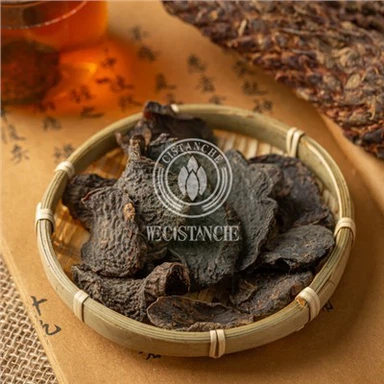
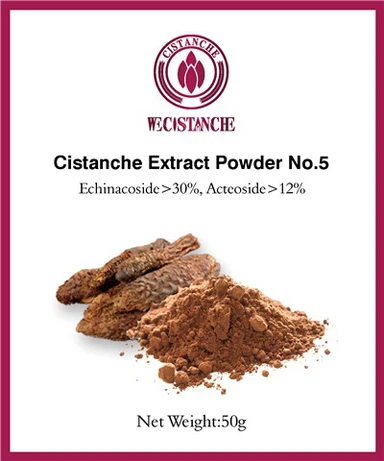
Known as the "desert ginseng," Cistanche has long been used in traditional medicine for its ability to support male health, particularly prostate function. Rich in echinacoside and acteoside, its active compounds are renowned for their anti-inflammatory and antioxidant properties, making it an effective natural solution for combating prostate-related issues.

How Cistanche Benefits the Prostate:
Reduces Inflammation: Helps alleviate swelling and inflammation in the prostate, easing symptoms of conditions like prostatitis and BPH (Benign Prostatic Hyperplasia).
Improves Urinary Function: Promotes better bladder control and reduces frequent or painful urination caused by prostate enlargement.
Hormonal Balance: Enhances testosterone production and regulates hormones, which play a critical role in maintaining prostate health.
Research-Backed Efficacy:
Studies highlight that the antioxidant capacity of Cistanche polysaccharides, particularly its phenylethanoid glycosides, can help protect prostate cells from oxidative stress and reduce the risk of chronic inflammation, which is often linked to prostate disorders.
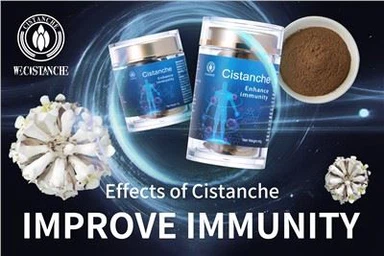
Incorporating Cistanche supplements into your routine can be a safe and natural way to support prostate health, improve urinary symptoms, and enhance overall male vitality.