My Arm On The Side Of The Internal Fistula Keeps Hurting During Hemodialysis. What's Going On?
Feb 20, 2024
Analysis of causes of arm pain on the side of the internal fistula during hemodialysis
Hemodialysis is one of the important means of maintaining life for patients with chronic kidney disease, and internal fistula is a common vascular access during hemodialysis. However, many patients will experience pain in the arm on the side of the fistula during dialysis, which not only affects the patient's quality of life but may also hurt the effectiveness of dialysis.

Click to Cistanche for kidney disease
This article will conduct an in-depth analysis of the causes of arm pain on the fistula side during hemodialysis and propose corresponding prevention and treatment measures.
1. Common causes of arm pain on the side of the internal fistula
Vascular access issues
The internal fistula is an important vascular access for hemodialysis patients. If there are problems with vascular access, such as stenosis, thrombosis, etc., it will lead to insufficient blood flow and cause arm pain. In addition, overuse or improper use of internal fistulas may lead to vascular damage and pain.
Infect
During hemodialysis, patients need to puncture internal fistulas for blood drainage and reinfusion. Improper operation or inadequate care may lead to infection. Infection not only causes arm pain but can also lead to serious complications such as sepsis, endocarditis, etc.
thrombosis
During hemodialysis, blood circulates outside the body, which can easily lead to platelet aggregation and thrombosis. If a blood clot blocks access to a blood vessel, it can cause arm pain. In addition, long-term bed rest or lack of exercise may also cause slow blood flow and increase the risk of thrombosis.
nerve damage
During hemodialysis, the puncture operation may damage the nerves in the arm, causing nerve damage and pain. In addition, long-term fistula use may cause compression and damage to nerves.

2. Prevention and control measures
Check vascular access regularly
To avoid arm pain caused by vascular access problems, patients should undergo regular vascular access examinations, including vascular ultrasound, angiography, etc., to ensure that vascular access is unobstructed. At the same time, doctors should also evaluate the patient's internal fistula usage to avoid vascular damage caused by overuse or improper use.
Strict aseptic operation
During hemodialysis, doctors and nurses should strictly follow aseptic operating procedures to ensure hygiene and safety during puncture and care. At the same time, patients should also actively cooperate with doctors and nurses to keep the puncture site dry and clean to avoid infection.
Prevent thrombosis
To prevent arm pain caused by thrombosis, patients can move their arms appropriately during dialysis to promote blood circulation. At the same time, doctors can also give anticoagulant drugs or antiplatelet drugs for treatment according to the patient's specific conditions.
protect nerves
During the puncture process, doctors and nurses should try to avoid damaging the nerves in the arm. For patients with long-term internal fistula use, ultrasound-guided puncture technology may be considered to improve puncture accuracy and safety. At the same time, patients should also pay attention to protecting the nerves in their arms to avoid excessive activity or compression.
pain management
For patients who already have arm pain, doctors should develop a corresponding pain management plan based on the cause and extent of the pain. Mild pain can be relieved through physical therapy, medication, etc.; for severe pain or pain that is difficult to relieve, nerve blocks or surgery can be considered.

3. Conclusion
Pain in the arm on the side of the fistula is a common problem during hemodialysis and has a variety of causes, including vascular access problems, infection, thrombosis, and nerve damage. To avoid the occurrence of arm pain, patients should undergo regular vascular access examinations, strictly follow aseptic operating procedures, prevent thrombosis, and protect nerves. At the same time, doctors should also formulate personalized treatment plans and pain management plans based on the patient's specific conditions to ensure the safety and effectiveness of the dialysis process.
How Does Cistanche Treat Kidney Disease?
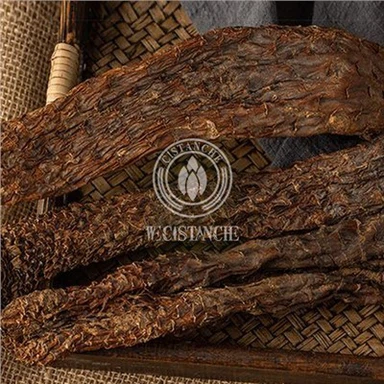
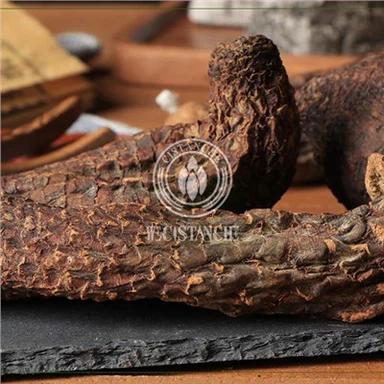
Cistanche is a traditional Chinese herbal medicine used for centuries to treat various health conditions, including kidney disease. It is derived from the dried stems of Cistanche deserticola, a plant native to the deserts of China and Mongolia. The main active components of cistanche are phenylethanoid glycosides, echinacoside, and acteoside, which have been found to have beneficial effects on kidney health.
Kidney disease, also known as renal disease, is a condition in which the kidneys are not functioning properly. This can result in a buildup of waste products and toxins in the body, leading to various symptoms and complications. Cistanche may help treat kidney disease ase through several mechanisms.
Firstly, cistanche has been found to have diuretic properties, meaning it can increase urine production and help eliminate waste products from the body. This can help relieve the burden on the kidneys and prevent the buildup of toxins. By promoting diuresis, cistanche may also help Reduce high blood pressure, a common complication of kidney disease.
Moreover, cistanche has been shown to have antioxidant effects. Oxidative stress, caused by an imbalance between the production of free radicals and the body's antioxidant defenses, plays a key role in the progression of kidney disease. ies help neutralize free radicals and reduce Oxidative stress, thereby protecting the kidneys from damage. The phenylethanoid glycosides found in cistanche have been particularly effective in scavenging free radicals and inhibiting lipid peroxidation.
Additionally, cistanche has been found to have anti-inflammatory effects. Inflammation is another key factor in the development and progression of kidney disease. Cistanche's anti-inflammatory properties help reduce the production of pro-inflammatory cytokines and inhibit the activation of inflammation mandatory pathways, thus alleviating inflammation in the kidneys.
Furthermore, cistanche has been shown to have immunomodulatory effects. In kidney disease, the immune system can be dysregulated, leading to excessive inflammation and tissue damage. Cistanche helps regulate the immune response by modulating the production and activity of immune cells, such as T cells and macrophages. This immune regulation helps reduce inflammation and prevent further damage to the kidneys.
Moreover, cistanche has been found to improve renal function by promoting the regeneration of renal tubes with cells. Renal tubular epithelial cells play a crucial role in the filtration and reabsorption of waste products and electrolytes. In kidney disease, these cells can be damaged, leading to damaged renal function. Cistanche's ability to promote the regeneration of these cells helps restore proper renal function and improve overall kidney health.

In addition to these direct effects on the kidneys, cistanche has been found to have beneficial effects on other organs and systems in the body. This holistic approach to health is particularly important in kidney disease, as the condition often affects multiple organs and systems. che has been shown to have protective effects on the liver, heart, and blood vessels, which are commonly affected by kidney disease. By promoting the health of these organs, cistanche helps improve overall kidney function and prevent further complications.
In conclusion, cistanche is a traditional Chinese herbal medicine used for centuries to treat kidney disease. Its active components have diuretic, antioxidant, anti-inflammatory, immunomodulatory, and regenerative effects, which help improve renal function and protect the kidneys from further damage. , cistanche has beneficial effects on other organs and systems, making it a holistic approach to treating kidney disease.