What Are The Differences Between EGFR Slopes Overall, Long-term, 3 Years, And 2 Years?
Feb 20, 2024
The estimated glomerular slope (eGFR) slope has become a new standard in the evaluation of chronic kidney disease (CKD) and other kidney diseases in recent years. Currently, more and more clinical studies are beginning to use eGFR slope to evaluate the efficacy of drugs on kidney function. However, this new indicator has different classifications and can be divided into overall, long-term, 3-year, and 2-year eGFR slopes according to the length of the observation period. So for which patients do these slopes apply better?

Click to cistanche for kidney disease
In January 2024, scientists from the United States and Australia discussed the applicable population of eGFR slope and believed that for patients in the early stages of CKD, a 3-year eGFR slope can effectively replace traditional clinical endpoints. However, for overall, long-term, 3-year, and 2-year eGFR slopes, the optimal slope observation time may need to be analyzed based on the specific conditions of the included patients. This article briefly introduces how to choose the appropriate eGFR slope observation time, and analyzes the advantages and disadvantages of eGFR slope, hoping to help everyone choose the most suitable assessment method for patients.
Three key conclusions
① The eGFR slope is a good indicator for evaluating patients with early-stage renal disease, but it is not suitable for patients with advanced CKD and patients who are about to experience clinical hard endpoint events in the short term.
② Current data show that among all eGFR slopes, the 3-year eGFR slope has the highest correlation with clinical hard endpoints, supporting its use as a surrogate endpoint in CKD clinical trials.
③ The applicable population of the overall and chronic phase eGFR slope may not be wide, and the research design, etiology, region, and specific intervention measures of included patients need to be considered.
Advantages and Disadvantages of Different Observation Times
Traditionally, the endpoints of randomized controlled trials to evaluate the efficacy of CKD drugs have been the late stages of the disease, such as renal failure, receipt of renal replacement therapy (KRT), or doubling of serum creatinine levels. These events are collectively referred to as clinical hard endpoints. However, once the above events occur in a patient, it usually means that the patient has entered the advanced stage of CKD, and it is almost impossible to recover kidney function. Furthermore, for a "sufficient number" of patients to reach clinical endpoints, most studies require the inclusion of large numbers of patients and long-term follow-up. In addition, for some treatment modalities that are only effective in patients with early-stage CKD, traditional assessment methods may be less useful.

Given the above reasons, scholars have developed surrogate endpoints, such as the eGFR slope, to overcome the above limitations. In June 2023, a blockbuster study was announced. Professor Hiddo Lambers Heerspink from the University of Groningen in the Netherlands and his team conducted a meta-analysis related to the eGFR slope. The analysis found that the chronic phase and overall GFR slope are closely related to traditional clinical hard endpoints and can predict the risk of patients with traditional clinical hard endpoints. Therefore, This can be considered a new type of clinical hard endpoint. In an ideal world, if the drug affects the patient's eGFR slope, the clinical hard endpoint will also be affected. If the drug does not affect the eGFR slope, the clinical hard endpoint will not be affected. Further analysis found that the R² of the three-year eGFR slope reached 0.97 (95% CI, 0.82~1.00), which shows that among the eGFR slopes, the three-year eGFR slope has a very high correlation with traditional clinical hard endpoints. However, the R² of eGFR slope in the chronic phase was 0.66 (95% CI, 0.25 to 0.77), meaning that the correlation with traditional clinical hard endpoints was only moderate. In addition, a very interesting conclusion can be drawn from the data of this study, that is, for every improvement of 0.75ml/min/1.73㎡/year in the overall eGFR slope, the risk of traditional clinical hard endpoints will be relatively reduced by 23.3%.
In subgroup analysis, the occurrence of traditional clinical hard endpoint events in patients with different systemic diseases and renal diseases was still related to the 2-year eGFR slope, but there was a significant difference in the intercept. This means that negative efficacy may be related to the type of systemic and renal disease. In short, a positive result on a drug's efficacy will improve a patient's risk of a hard endpoint, but a negative result may be related to a different disease that the patient has.

In conclusion, experts suggest that using a 3-year eGFR slope as a surrogate endpoint may be superior to other surrogate endpoints as well as traditional clinical hard endpoints in evaluating patients with early-stage CKD. Regardless of whether the study result is negative or positive, it can faithfully reflect the risk of traditional clinical hard endpoints, while overall and long-term eGFR slopes can only faithfully reflect the correlation of positive results. For negative results, the correlation may need to be more detailed. Do more research.
How Does Cistanche Treat Kidney Disease?
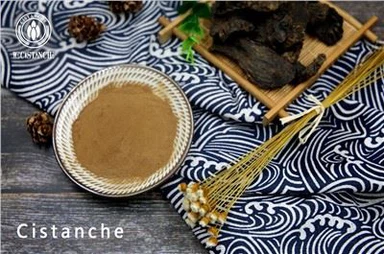
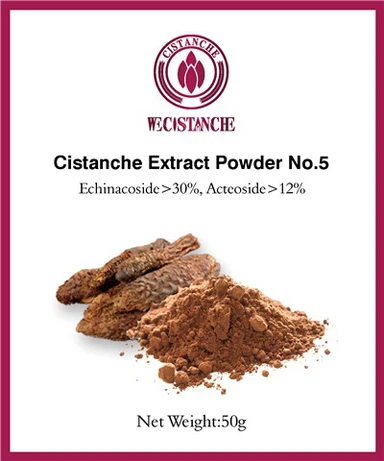
Cistanche is a traditional Chinese herbal medicine used for centuries to treat various health conditions, including kidney disease. It is derived from the dried stems of Cistanche deserticola, a plant native to the deserts of China and Mongolia. The main active components of cistanche are phenylethanoid glycosides, echinacoside, and acteoside, which have been found to have beneficial effects on kidney health.
Kidney disease, also known as renal disease, is a condition in which the kidneys are not functioning properly. This can result in a buildup of waste products and toxins in the body, leading to various symptoms and complications. Cistanche may help treat kidney disease ase through several mechanisms.
Firstly, cistanche has been found to have diuretic properties, meaning it can increase urine production and help eliminate waste products from the body. This can help relieve the burden on the kidneys and prevent the buildup of toxins. By promoting diuresis, cistanche may also help Reduce high blood pressure, a common complication of kidney disease.
Moreover, cistanche has been shown to have antioxidant effects. Oxidative stress, caused by an imbalance between the production of free radicals and the body's antioxidant defenses, plays a key role in the progression of kidney disease. ies help neutralize free radicals and reduce Oxidative stress, thereby protecting the kidneys from damage. The phenylethanoid glycosides found in cistanche have been particularly effective in scavenging free radicals and inhibiting lipid peroxidation.
Additionally, cistanche has been found to have anti-inflammatory effects. Inflammation is another key factor in the development and progression of kidney disease. Cistanche's anti-inflammatory properties help reduce the production of pro-inflammatory cytokines and inhibit the activation of inflammation mandatory pathways, thus alleviating inflammation in the kidneys.
Furthermore, cistanche has been shown to have immunomodulatory effects. In kidney disease, the immune system can be dysregulated, leading to excessive inflammation and tissue damage. Cistanche helps regulate the immune response by modulating the production and activity of immune cells, such as T cells and macrophages. This immune regulation helps reduce inflammation and prevent further damage to the kidneys.

Moreover, cistanche has been found to improve renal function by promoting the regeneration of renal tubes with cells. Renal tubular epithelial cells play a crucial role in the filtration and reabsorption of waste products and electrolytes. In kidney disease, these cells can be damaged, leading to damaged renal function. Cistanche's ability to promote the regeneration of these cells helps restore proper renal function and improve overall kidney health.
In addition to these direct effects on the kidneys, cistanche has been found to have beneficial effects on other organs and systems in the body. This holistic approach to health is particularly important in kidney disease, as the condition often affects multiple organs and systems. che has been shown to have protective effects on the liver, heart, and blood vessels, which are commonly affected by kidney disease. By promoting the health of these organs, cistanche helps improve overall kidney function and prevent further complications.
In conclusion, cistanche is a traditional Chinese herbal medicine used for centuries to treat kidney disease. Its active components have diuretic, antioxidant, anti-inflammatory, immunomodulatory, and regenerative effects, which help improve renal function and protect the kidneys from further damage. , cistanche has beneficial effects on other organs and systems, making it a holistic approach to treating kidney disease.