Natural Compounds And Products From An Anti-Aging Perspective Part 4
Jun 08, 2023
Author Contributions: Conceptualization, G.B., M.S., R.L., M.B., M.P., I.S., O.S., K.S., and S.C.; writing—original draft preparation, G.B., M.S., R.L., M.B., M.P., I.S., O.S., and K.S.; writing—review and editing, M.P. and G.B.; visualization, M.P.; revision, S.C., M.P., and G.B.; supervision, G.B. All authors have read and agreed to the published version of the manuscript.

Click On Rou Cong Rong Benefits
【For more info:george.deng@wecistanche.com / WhatApp:86 13632399501】
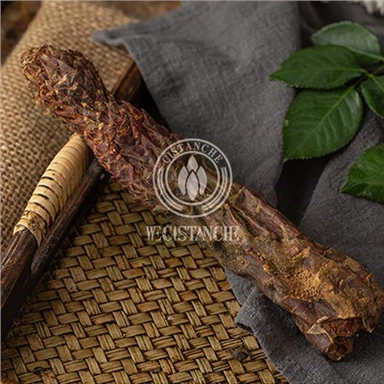
Glycoside of cistanche can also increase the activity of SOD in heart and liver tissues, and significantly reduce the content of lipofuscin and MDA in each tissue, effectively scavenging various reactive oxygen radicals (OH-, H₂O₂, etc.) and protecting against DNA damage caused by OH-radicals. Cistanche phenylethanoid glycosides have a strong scavenging ability of free radicals, a higher reducing ability than vitamin C, improve the activity of SOD in sperm suspension, reduce the content of MDA, and have a certain protective effect on sperm membrane function. Cistanche polysaccharides can enhance the activity of SOD and GSH-Px in erythrocytes and lung tissues of experimentally senescent mice caused by D-galactose, as well as reduce the content of MDA and collagen in lung and plasma, and increase the content of elastin, have a good scavenging effect on DPPH, prolong the time of hypoxia in senescent mice, improve the activity of SOD in serum, and delay the physiological degeneration of lung in experimentally senescent mice With cellular morphological degeneration, experiments have shown that Cistanche has the good antioxidant ability and has the potential to be a drug to prevent and treat skin aging diseases. At the same time, echinacoside in Cistanche has a significant ability to scavenge DPPH free radicals and can scavenge reactive oxygen species, prevent free radical-induced collagen degradation, and also has a good repair effect on thymine free radical anion damage.

References
1. Liu, J.K. Antiaging agents: Safe interventions to slow aging and healthy life span extension. Nat. Prod. Bioprospect. 2022, 12, 18. [CrossRef] [PubMed]
2. Cao, X.; Li, W.; Wang, T.; Ran, D.; Davalos, V.; Planas-Serra, L.; Pujol, A.; Esteller, M.; Wang, X.; Yu, H. Accelerated biological aging in COVID-19 patients. Nat. Commun. 2022, 13, 2135. [CrossRef] [PubMed]
3. Asgary, S.; Rastqar, A.; Keshvari, M. Functional food, and cardiovascular disease prevention and treatment: A review. J. Am. Coll. Nutr. 2018, 37, 429–455. [CrossRef]
4. Zia, A.; Farkhondeh, T.; Pourbagher-Shahri, A.M.; Samarghandian, S. The role of curcumin in aging and senescence: Molecular mechanisms. Biomed. Pharmacother. 2021, 134, 111119. [CrossRef] [PubMed]
5. Rattan, S.I. Healthy aging, but what is health? Biogerontology 2013, 14, 673–677. [CrossRef]
6. Corrêa, R.C.; Peralta, R.M.; Haminiuk, C.W.; Maciel, G.M.; Bracht, A.; Ferreira, I.C. New phytochemicals as potential human anti-aging compounds: Reality, promise, and challenges. Crit. Rev. Food. Sci. Nutr. 2018, 58, 942–957. [CrossRef] [PubMed]
7. Ding, A.-J.; Zheng, S.-Q.; Huang, X.-B.; Xing, T.-K.; Wu, G.-S.; Sun, H.-Y.; Qi, S.-H.; Luo, H.-R. Current perspective in the discovery of anti-aging agents from natural products. Nat. Prod. Bioprospect. 2017, 7, 335–404. [CrossRef] [PubMed]
8. Tan, B.L.; Norhaizan, M.E. Carotenoids: How Effective Are They to Prevent Age-Related Diseases? Molecules 2019, 24, 1801. [CrossRef]
9. Vraneši´c-Bender, D. The role of nutraceuticals in anti-aging medicine. Acta Clin. Croat. 2010, 49, 537–544.
10. Wang, J.C.; Bennett, M. Aging and atherosclerosis: Mechanisms, functional consequences, and potential therapeutics for cellular senescence. Circ. Res. 2012, 111, 245–259. [CrossRef]
11. Vaiserman, A.; Koliada, A.; Lushchak, O.; Castillo, M.J. Repurposing drugs to fight aging: The difficult path from bench to bedside. Med. Res. Rev. 2021, 41, 1676–1700. [CrossRef] [PubMed]
12. Martin, R.E.; Postiglione, A.E.; Muday, G.K. Reactive oxygen species function as signaling molecules in controlling plant development and hormonal responses. Curr. Opin. Plant Biol. 2022, 69, 102293. [CrossRef] [PubMed]
13. Shohag, S.; Akhter, S.; Islam, S.; Sarker, T.; Sifat, M.K.; Rahman, M.M.; Islam, M.R.; Sharma, R. Perspectives on the Molecular Mediators of Oxidative Stress and Antioxidant Strategies in the Context of Neuroprotection and Neurolongevity: An Extensive Review. Oxid. Med. Cell. Longev. 2022, 2022, 7743705. [CrossRef] [PubMed]
14. Shayeghan, M.; Ansari, A.M.; Forouzesh, F.; Javidi, M.A. Reactive oxygen species, the trident of Neptune in the hands of Hecate; role in different diseases, signaling pathways, and detection methods. Arch. Biochem. Biophys. 2022, 728, 109357. [CrossRef] [PubMed]
15. Ho, Y.-S.; So, K.-F.; Chang, R.C.-C. Anti-aging herbal medicine—How and why can they be used in aging-associated neurodegenerative diseases? Ageing Res. Rev. 2010, 9, 354–362. [CrossRef]
16. Prasad, S.; Gupta, S.C.; Tyagi, A.K. Reactive oxygen species (ROS) and cancer: Role of antioxidative nutraceuticals. Cancer Lett. 2017, 387, 95–105. [CrossRef]
17. Bjørklund, G.; Dadar, M.; Martins, N.; Chirumbolo, S.; Goh, B.H.; Smetanina, K.; Lysiuk, R. Brief Challenges on Medicinal Plants: An Eye-Opening Look at Ageing-Related Disorders. Basic Clin. Pharmacol. Toxicol. 2018, 122, 539–558. [CrossRef]
18. Bjørklund, G.; Dadar, M.; Chirumbolo, S.; Lysiuk, R. Flavonoids as detoxifying and pro-survival agents: What’s new? Food Chem. Toxicol. 2017, 110, 240–250. [CrossRef]
19. Mehrandish, R.; Rahimian, A.; Shahriary, A. Heavy metals detoxification: A review of herbal compounds for chelation therapy in heavy metals toxicity. J. Herbmed. Pharmacol. 2019, 8, 69–77. [CrossRef]
20. Ahmed, I.A.; Mikail, M.A.; Zamakshshari, N.; Abdullah, A.H. Natural anti-aging skincare: Role and potential. Biogerontology 2020, 21, 293–310. [CrossRef]
21. Pullar, J.M.; Carr, A.C.; Vissers, M. The roles of vitamin C in skin health. Nutrients 2017, 9, 866. [CrossRef] [PubMed]
22. Gašperlin, M.; Gosenca, M. Main approaches for delivering antioxidant vitamins through the skin to prevent skin aging. Expert Opin. Drug Deliv. 2011, 8, 905–919. [CrossRef] [PubMed]
23. Castiglione, D.; Platania, A.; Conti, A.; Falla, M.; D’Urso, M.; Marranzano, M. Dietary Micronutrient and Mineral Intake in the Mediterranean Healthy Eating, Ageing, and Lifestyle (MEAL) Study. Antioxidants 2018, 7, 79. [CrossRef] [PubMed]
24. Lykkesfeldt, J. On the effect of vitamin C intake on human health: How to (mis) interpreted the clinical evidence. Redox Biol. 2020, 34, 101532. [CrossRef]
25. Brook, M.; Grimshaw, J. Vitamin C concentration of plasma and leukocytes as related to the smoking habit, age, and sex of humans. Am. J. Clin. Nutr. 1968, 21, 1254–1258. [CrossRef] [PubMed]
26. Delanghe, J.R.; Langlois, M.R.; De Buyzere, M.L.; Na, N.; Ouyang, J.; Speeckaert, M.M.; Torck, M.A. Vitamin C deficiency: More than just a nutritional disorder. Genes Nutr. 2011, 6, 341–346. [CrossRef] [PubMed]
27. Sharma, Y.; Miller, M.; Shahi, R.; Doyle, A.; Horwood, C.; Hakendorf, P.; Thompson, C. Vitamin C deficiency in Australian hospitalized patients: An observational study. Intern. Med. J. 2019, 49, 189–196. [CrossRef]
28. Abdollahifar, M.-A.; Azad, N.; Sajadi, E.; Shams Mofarahe, Z.; Zare, F.; Moradi, A.; Rezaee, F.; Gholamin, M.; Abdi, S. Vitamin C restores ovarian follicular reservation in a mouse model of aging. Anat. Cell Biol. 2019, 52, 196–203. [CrossRef]
29. Crisan, D.; Roman, I.; Crisan, M.; Scharffetter-Kochanek, K.; Badea, R. The role of vitamin C in pushing back the boundaries of skin aging: An ultrasonographic approach. Clin. Cosmet. Investig. Dermatol. 2015, 8, 463–470. [CrossRef]
30. Alagl, A.S.; Bhat, S.G. Ascorbic acid: New role of an age-old micronutrient in the management of periodontal disease in older adults. Geriatr. Gerontol. Int. 2015, 15, 241–254. [CrossRef]
31. Harrison, F.E. A critical review of vitamin C for the prevention of age-related cognitive decline and Alzheimer’s disease. J. Alzheimer's Dis. 2012, 29, 711–726. [CrossRef] [PubMed]
32. Shi, L.; Niedzwiecki, A.; Rath, M. Age, and Dietary Vitamin C Intake Affect Brain Physiology in Genetically Modified Mice Expressing Human Lipoprotein(A) and Unable to Synthesize Vitamin C. Curr. Aging Sci. 2021, 14, 223–234. [CrossRef] [PubMed]
33. Mumtaz, S.; Ali, S.; Tahir, H.M.; Kazmi, S.A.R.; Shakir, H.A.; Mughal, T.A.; Summer, M.; Farooq, M.A. Aging and its treatment with vitamin C: A comprehensive mechanistic review. Mol. Biol. Rep. 2021, 48, 8141–8153. [CrossRef] [PubMed]
34. Kelly, M.E.; Ramkumar, S.; Sun, W.; Colon Ortiz, C.; Kiser, P.D.; Golczak, M.; von Lintig, J. The Biochemical Basis of Vitamin A Production from the Asymmetric Carotenoid beta-Cryptoxanthin. ACS Chem. Biol. 2018, 13, 2121–2129. [CrossRef]
35. Mukherjee, S.; Date, A.; Patravale, V.; Korting, H.C.; Roeder, A.; Weindl, G. Retinoids in the treatment of skin aging: An overview of clinical efficacy and safety. Clin. Interv. Aging 2006, 1, 327–348. [CrossRef]
36. Stratigos, A.J.; Katsambas, A.D. The role of topical retinoids in the treatment of photoaging. Drugs 2005, 65, 1061–1072. [CrossRef]
37. Zasada, M.; Budzisz, E. Retinoids: Active molecules influencing skin structure formation in cosmetic and dermatological treatments. Poster. Dermatol. Alergol. 2019, 36, 392–397. [CrossRef]
38. Kafi, R.; Kwak, H.S.; Schumacher, W.E.; Cho, S.; Hanft, V.N.; Hamilton, T.A.; King, A.L.; Neal, J.D.; Varani, J.; Fisher, G.J.; et al. Improvement of naturally aged skin with vitamin A (retinol). Arch. Dermatol. 2007, 143, 606–612. [CrossRef]
39. Saari, J.C. Vitamin A and Vision. Subcell. Biochem. 2016, 81, 231–259. [CrossRef]
40. Tucker-Samaras, S.; Zedayko, T.; Cole, C.; Miller, D.; Wallo, W.; Leyden, J.J. A stabilized 0.1% retinol facial moisturizer improves the appearance of photodamaged skin in an eight-week, double-blind, vehicle-controlled study. J. Drugs Dermatol. 2009, 8, 932–936.
41. Margiana, R.; Pakpahan, C.; Pangestu, M. A systematic review of retinoic acid in the journey of spermatogonium to spermatozoa: From basic to clinical application. F1000Resarch 2022, 11, 552. [CrossRef] [PubMed]
42. Michelazzo, F.B.; Oliveira, J.M.; Stefanello, J.; Luzia, L.A.; Rondo, P.H. The influence of vitamin A supplementation on iron status. Nutrients 2013, 5, 4399–4413. [CrossRef] [PubMed]
43. Traber, M.G.; Atkinson, J. Vitamin E, antioxidant and nothing more. Free Radic. Biol. Med. 2007, 43, 4–15. [CrossRef] [PubMed]
44. Brigelius-Flohe, R.; Davies, K.J. Is vitamin E an antioxidant, a regulator of signal transduction and gene expression, or a ‘junk’ food? Comments on the two accompanying papers: “Molecular Mechanism of alpha-tocopherol Action” by A. Azzi and “Vitamin E, antioxidant and nothing more” by M. Traber and J. Atkinson. Free Radic. Biol. Med. 2007, 43, 2–3. [CrossRef] [PubMed]
45. Valentino, S.; Ghelfi, M.; Zunica, E.; Stamper, M.; Hickman, S.; Hwang, S.; Young, E.; Atkinson, J.; Manor, D. Antioxidant independent actions of vitamin E in modulating gene expression. Free Radic. Biol. Med. 2018, 128, S58–S59. [CrossRef]
46. Keen, M.A.; Hassan, I. Vitamin E in dermatology. Indian Dermatol. Online J. 2016, 7, 311–315. [CrossRef]
47. Reboul, E. Vitamin E Bioavailability: Mechanisms of Intestinal Absorption in the Spotlight. Antioxidants 2017, 6, 95. [CrossRef]
48. Herrera, E.; Barbas, C. Vitamin E: Action, metabolism and perspectives. J. Physiol. Biochem. 2001, 57, 43–56. [CrossRef]
49. Meydani, S.N.; Lewis, E.D.; Wu, D. Perspective: Should Vitamin E Recommendations for Older Adults Be Increased? Adv. Nutr. 2018, 9, 533–543. [CrossRef]
50. La Fata, G.; Weber, P.; Mohajeri, M.H. Effects of vitamin E on cognitive performance during aging and in Alzheimer’s disease. Nutrients 2014, 6, 5453–5472. [CrossRef]
51. Kemnic, T.R.; Coleman, M. Vitamin E Deficiency; StatPearls: Treasure Island, FL, USA, 2022.
52. Ubeda, N.; Achón, M.; Varela-Moreiras, G. Omega 3 fatty acids in the elderly. Br. J. Nutr. 2012, 107, S137–S151. [CrossRef] [PubMed]
53. Molfino, A.; Gioia, G.; Fanelli, F.R.; Muscaritoli, M. The role of dietary omega-3 fatty acids supplementation in older adults. Nutrients 2014, 6, 4058–4072. [CrossRef] [PubMed]
54. Huang, T.-H.; Wang, P.-W.; Yang, S.-C.; Chou, W.-L.; Fang, J.-Y. Cosmetic and therapeutic applications of fish oil’s fatty acids on the skin. Mar. Drugs 2018, 16, 256. [CrossRef] [PubMed]
55. Whelan, J. (n-6) and (n-3) Polyunsaturated fatty acids and the aging brain: Food for thought. J. Nutr. 2008, 138, 2521–2522. [CrossRef]
56. Abbatecola, A.M.; Cherubini, A.; Guralnik, J.M.; Andres Lacueva, C.; Ruggiero, C.; Maggio, M.; Bandinelli, S.; Paolisso, G.; Ferrucci, L. Plasma polyunsaturated fatty acids and age-related physical performance decline. Rejuvenation Res. 2009, 12, 25–32. [CrossRef]
57. Chappus-McCendie, H.; Chevalier, L.; Roberge, C.; Plourde, M. Omega-3 PUFA metabolism and brain modifications during aging. Prog. Neuropsychopharmacol. Biol. Psychiatry 2019, 94, 109662. [CrossRef]
58. Denis, I.; Potier, B.; Vancassel, S.; Heberden, C.; Lavialle, M. Omega-3 fatty acids and brain resistance to aging and stress: Body of evidence and possible mechanisms. Ageing Res. Rev. 2013, 12, 579–594. [CrossRef]
59. Xie, S.H.; Li, H.; Jiang, J.J.; Quan, Y.; Zhang, H.Y. Multi-Omics Interpretation of Anti-Aging Mechanisms for omega-3 Fatty Acids. Genes 2021, 12, 1691. [CrossRef]
60. de Magalhães, J.P.; Müller, M.; Rainger, G.E.; Steegenga, W. Fish oil supplements, longevity, and aging. Aging 2016, 8, 1578. [CrossRef]
61. Pedersen, A.M. Calanus® Oil. Utilization, Composition, and Digestion. Ph.D. Thesis, UiT The Arctic University of Norway, Tromsø, Norway, 2016.
62. Park, K. Role of micronutrients in skin health and function. Biomol. Ther. 2015, 23, 207. [CrossRef]
63. Denis, I.; Potier, B.; Heberden, C.; Vancassel, S. Omega-3 polyunsaturated fatty acids, and brain aging. Curr. Opin. Clin. Nutr. Metab. Care 2015, 18, 139–146. [CrossRef] [PubMed]
64. Cutuli, D.; Pagani, M.; Caporali, P.; Galbusera, A.; Laricchiuta, D.; Foti, F.; Neri, C.; Spalletta, G.; Caltagirone, C.; Petrosini, L. Effects of omega-3 fatty acid supplementation on cognitive functions and neural substrates: A voxel-based morphometry study in aged mice. Front. Aging Neurosci. 2016, 8, 38. [CrossRef] [PubMed]
65. Gellert, S.; Schuchardt, J.P.; Hahn, A. Low long chain omega-3 fatty acid status in middle-aged women. Prostaglandins Leukot. Essent. Fatty Acids 2017, 117, 54–59. [CrossRef]
66. Cutuli, D. Functional and structural benefits induced by omega-3 polyunsaturated fatty acids during aging. Curr. Neuropharmacol. 2017, 15, 534–542. [CrossRef] [PubMed]
67. Maltais, M.; de Souto Barreto, P.; Bowman, G.L.; Smith, A.D.; Cantet, C.; Andrieu, S.; Rolland, Y. Omega-3 Supplementation for the Prevention of Cognitive Decline in Older Adults: Does It Depend on Homocysteine Levels? J. Nutr. Health Aging 2022, 26, 615–620. [CrossRef]
68. Andrieu, S.; Guyonnet, S.; Coley, N.; Cantet, C.; Bonnefoy, M.; Bordes, S.; Bories, L.; Cufi, M.N.; Dantoine, T.; Dartigues, J.F.; et al. Effect of long-term omega 3 polyunsaturated fatty acid supplementation with or without multidomain intervention on cognitive function in elderly adults with memory complaints (MAPT): A randomized, placebo-controlled trial. Lancet Neurol. 2017, 16, 377–389. [CrossRef]
69. Hooper, C.; De Souto Barreto, P.; Coley, N.; Cantet, C.; Cesari, M.; Andrieu, S.; Vellas, B. Cognitive Changes with Omega-3 Polyunsaturated Fatty Acids in Non-Demented Older Adults with Low Omega-3 Index. Nutr. Health Aging 2017, 21, 988–993. [CrossRef]
70. O’Rourke, E.J.; Kuballa, P.; Xavier, R.; Ruvkun, G. omega-6 Polyunsaturated fatty acids extend life span through the activation of autophagy. Genes Dev. 2013, 27, 429–440. [CrossRef]
71. Lapierre, L.R.; Melendez, A.; Hansen, M. Autophagy links lipid metabolism to longevity in C. elegans. Autophagy 2012, 8, 144–146. [CrossRef]
72. Wang, K.; Zhong, Y.; Yang, F.; Hu, C.; Liu, X.; Zhu, Y.; Yao, K. Causal Effects of N-6 Polyunsaturated Fatty Acids on Age-related Macular Degeneration: A Mendelian Randomization Study. J. Clin. Endocrinol. Metab. 2021, 106, e3565–e3572. [CrossRef]
73. Patterson, E.; Wall, R.; Fitzgerald, G.F.; Ross, R.P.; Stanton, C. Health implications of high dietary omega-6 polyunsaturated Fatty acids. J. Nutr. Metab. 2012, 2012, 539426. [CrossRef] [PubMed]
74. Boyd, J.T.; LoCoco, P.M.; Furr, A.R.; Bendele, M.R.; Tram, M.; Li, Q.; Chang, F.M.; Colley, M.E.; Samenuk, G.M.; Arris, D.A.; et al. Elevated dietary omega-6 polyunsaturated fatty acids induce reversible peripheral nerve dysfunction that exacerbates comorbid pain conditions. Nat. Metab. 2021, 3, 762–773. [CrossRef] [PubMed]
75. Zoroddu, M.A.; Aaseth, J.; Crisponi, G.; Medici, S.; Peana, M.; Nurchi, V.M. The essential metals for humans: A brief overview. J. Inorg. Biochem. 2019, 195, 120–129. [CrossRef] [PubMed]
76. Chasapis, C.T.; Ntoupa, P.A.; Spiliopoulou, C.A.; Stefanidou, M.E. Recent aspects of the effects of zinc on human health. Arch. Toxicol. 2020, 94, 1443–1460. [CrossRef]
77. Choi, S.; Liu, X.; Pan, Z. Zinc deficiency and cellular oxidative stress: Prognostic implications in cardiovascular diseases. Acta Pharmacol. Sin. 2018, 39, 1120–1132. [CrossRef]
78. Cabrera, A.J. Zinc, aging, and immunosenescence: An overview. Pathobiol. Aging Age Relat. Dis. 2015, 5, 25592. [CrossRef]
79. Jarosz, M.; Olbert, M.; Wyszogrodzka, G.; Mlyniec, K.; Librowski, T. Antioxidant and anti-inflammatory effects of zinc. Zinc-dependent NF-kappaB signaling. Inflammopharmacology 2017, 25, 11–24. [CrossRef]
80. Institute of Medicine (US) Panel on Micronutrients. 12, Zinc. In Dietary Reference Intakes for Vitamin A, Vitamin K, Arsenic, Boron, Chromium, Copper, Iodine, Iron, Manganese, Molybdenum, Nickel, Silicon, Vanadium, and Zinc; National Academies Press (US): Washington, DC, USA, 2001. [CrossRef]
81. Pickart, L.; Margolina, A. Skin regenerative and anti-cancer actions of copper peptides. Cosmetics 2018, 5, 29. [CrossRef]
82. Bjørklund, G.; Shanaida, M.; Lysiuk, R.; Antonyak, H.; Klishch, I.; Shanaida, V.; Peana, M. Selenium: An Antioxidant with a Critical Role in Anti-Aging. Molecules 2022, 27, 6613. [CrossRef]
83. Solovyev, N.; Drobyshev, E.; Bjørklund, G.; Dubrovskii, Y.; Lysiuk, R.; Rayman, M.P. Selenium, selenoprotein P, and Alzheimer’s disease: Is there a link? Free Radic. Biol. Med. 2018, 127, 124–133. [CrossRef]
84. Bjørklund, G.; Zou, L.; Wang, J.; Chasapis, C.T.; Peana, M. Thioredoxin reductase as a pharmacological target. Pharmacol. Res. 2021, 174, 105854. [CrossRef] [PubMed]
85. Kohrle, J. Selenium and the control of thyroid hormone metabolism. Thyroid 2005, 15, 841–853. [CrossRef] [PubMed]
86. Kobayashi, R.; Hasegawa, M.; Kawaguchi, C.; Ishikawa, N.; Tomiwa, K.; Shima, M.; Nogami, K. Thyroid function in patients with selenium deficiency exhibits high free T4 to T3 ratio. Clin. Pediatr. Endocrinol. 2021, 30, 19–26. [CrossRef] [PubMed]
87. Olivieri, O.; Girelli, D.; Azzini, M.; Stanzial, A.M.; Russo, C.; Ferroni, M.; Corrocher, R. Low selenium status in the elderly influences thyroid hormones. Clin. Sci. 1995, 89, 637–642. [CrossRef] [PubMed]
88. Fulop, T.; Larbi, A.; Dupuis, G.; Le Page, A.; Frost, E.H.; Cohen, A.A.; Witkowski, J.M.; Franceschi, C. Immunosenescence and Inflamm-Aging As Two Sides of the Same Coin: Friends or Foes? Front. Immunol. 2017, 8, 1960. [CrossRef] [PubMed]
89. Kazemi, T.; Moodi, M.; Rajabi, S.; Sharifi, F.; Samarghandian, S.; Khorashadizadeh, M.; Farkhondeh, T. Trace element concentration and cognitive dysfunction in elderly residents in Birjand. Curr. Alzheimer Res. 2022. [CrossRef]
90. Calder, P.C.; Ortega, E.F.; Meydani, S.N.; Adkins, Y.; Stephensen, C.B.; Thompson, B.; Zwickey, H. Nutrition, Immunosenescence, and Infectious Disease: An Overview of the Scientific Evidence on Micronutrients and Modulation of the Gut Microbiota. Adv. Nutr. 2022, 13, S1–S26. [CrossRef]
91. Cai, Z.; Zhang, J.; Li, H. Selenium, aging and aging-related diseases. Aging Clin. Exp. Res. 2019, 31, 1035–1047. [CrossRef]
92. Wong, C.P.; Magnusson, K.R.; Sharpton, T.J.; Ho, E. Effects of zinc status on age-related T cell dysfunction and chronic inflammation. Biometals 2021, 34, 291–301. [CrossRef]
93. Haase, H.; Rink, L. The immune system and the impact of zinc during aging. Immun. Aging 2009, 6, 9. [CrossRef]
94. Baarz, B.R.; Laurentius, T.; Wolf, J.; Wessels, I.; Bollheimer, L.C.; Rink, L. Short-term zinc supplementation of zinc-deficient seniors counteracts CREMalpha—Mediated IL-2 suppression. Immun. Aging 2022, 19, 40. [CrossRef] [PubMed]
95. Borkow, G. Using Copper to Improve the Well-Being of the Skin. Curr. Chem. Biol. 2014, 8, 89–102. [CrossRef] [PubMed]
96. Baek, J.H.; Yoo, M.A.; Koh, J.S.; Borkow, G. Reduction of facial wrinkles depth by sleeping on copper oxide-containing pillowcases: A double-blind, placebo-controlled, parallel, randomized clinical study. J. Cosmet. Dermatol. 2012, 11, 193–200. [CrossRef] [PubMed]

97. Canfield, C.-A.; Bradshaw, P.C. Amino acids in the regulation of aging and aging-related diseases. Transl. Med. Aging 2019, 3, 70–89. [CrossRef]
98. Kageyama, H.; Waditee-Sirisattha, R. Antioxidative, anti-inflammatory, and anti-aging properties of mycosporine-like amino acids: Molecular and Cellular Mechanisms in the Protection of Skin-aging. Mar. Drugs 2019, 17, 222. [CrossRef]
99. Crozier, A.; Clifford, M.N.; Ashihara, H. Plant Secondary Metabolites: Occurrence, Structure, and Role in the Human Diet; John Wiley & Sons: Hoboken, NJ, USA, 2008.
100. Tundis, R.; Loizzo, M.; Bonesi, M.; Menichini, F. Potential role of natural compounds against skin aging. Curr. Med. Chem. 2015, 22, 1515–1538. [CrossRef]
101. Warsito, M.F.; Kusumawati, I. The Impact of Herbal Products in the Prevention, Regeneration, and Delay of Skin Aging. In Reviews on Biomarker Studies in Aging and Anti-Aging Research; Springer: Berlin/Heidelberg, Germany, 2019; pp. 155–174.
102. Queen, B.L.; Tollefsbol, T.O. Polyphenols, and aging. Curr. Aging Sci. 2010, 3, 34–42. [CrossRef]
103. Nichols, J.A.; Katiyar, S.K. Skin photoprotection by natural polyphenols: Anti-inflammatory, antioxidant, and DNA repair mechanisms. Arch. Dermatol. Res. 2010, 302, 71–83. [CrossRef]
104. Petruk, G.; Del Giudice, R.; Rigano, M.M.; Monti, D.M. Antioxidants from plants protect against skin photoaging. Oxid. Med. Cell Longev. 2018, 2018, 1454936. [CrossRef]
105. Yücel, Ç.; ¸Seker Karatoprak, G.; De ˘gim, ˙I.T. Anti-aging formulation of rosmarinic acid-loaded ethosomes and liposomes. J. Microencapsul. 2019, 36, 180–191. [CrossRef]
106. Liu, Y.; Song, X.; Zhang, D.; Zhou, F.; Wang, D.; Wei, Y.; Gao, F.; Xie, L.; Jia, G.; Wu, W. Blueberry anthocyanins: Protection against aging and light-induced damage in retinal pigment epithelial cells. Br. J. Nutr. 2012, 108, 16–27. [CrossRef] [PubMed]
107. Li, H.; Chen, F.J.; Yang, W.L.; Qiao, H.Z.; Zhang, S.J. Quercetin improves cognitive disorder in aging mice by inhibiting NLRP3 inflammasome activation. Food Funct. 2021, 12, 717–725. [CrossRef] [PubMed]
108. Katiyar, S.K. Green tea prevents non-melanoma skin cancer by enhancing DNA repair. Arch. Biochem. Biophys. 2011, 508, 152–158. [CrossRef]
109. Peluso, I.; Serafini, M. Antioxidants from black and green tea: From dietary modulation of oxidative stress to pharmacological mechanisms. Br. J. Pharmacol. 2017, 174, 1195–1208. [CrossRef]
110. Shanaida, M.; Golembiovska, O.; Hudz, N.; Wieczorek, P.P. Phenolic compounds of herbal infusions obtained from some species of the family. Curr. Issues Pharm. Med. Sci. 2018, 31, 194–199. [CrossRef]
111. Ayaz, M.; Sadiq, A.; Junaid, M.; Ullah, F.; Ovais, M.; Ullah, I.; Ahmed, J.; Shahid, M. Flavonoids as prospective neuroprotectants and their therapeutic propensity in aging-associated neurological disorders. Front. Aging Neurosci. 2019, 11, 155. [CrossRef]
112. Rawal, G.; Yadav, S.; Nagayach, M.S. Phytosterols, and the health. Med. Res. Chron. 2015, 2, 441–444.
113. Luo, J.; Si, H.; Jia, Z.; Liu, D. Dietary Anti-Aging Polyphenols and Potential Mechanisms. Antioxidants 2021, 10, 283. [CrossRef]
114. Fan, X.; Fan, Z.; Yang, Z.; Huang, T.; Tong, Y.; Yang, D.; Mao, X.; Yang, M. Flavonoids-Natural Gifts to Promote Health and Longevity. Int. J. Mol. Sci. 2022, 23, 2176. [CrossRef]
115. Tsao, R. Chemistry and biochemistry of dietary polyphenols. Nutrients 2010, 2, 1231–1246. [CrossRef]
116. Gasmi, A.; Mujawdiya, P.K.; Lysiuk, R.; Shanaida, M.; Peana, M.; Gasmi Benahmed, A.; Beley, N.; Kovalska, N.; Bjørklund, G. Quercetin in the Prevention and Treatment of Coronavirus Infections: A Focus on SARS-CoV-2. Pharmaceuticals 2022, 15, 1049. [CrossRef] [PubMed]
117. Gasmi, A.; Mujawdiya, P.K.; Noor, S.; Lysiuk, R.; Darmohray, R.; Piscopo, S.; Lenchyk, L.; Antonyak, H.; Dehtiarova, K.; Shanaida, M.; et al. Polyphenols in Metabolic Diseases. Molecules 2022, 27, 6280. [CrossRef] [PubMed]
118. Justice, J.N.; Nambiar, A.M.; Tchkonia, T.; LeBrasseur, N.K.; Pascual, R.; Hashmi, S.K.; Prata, L.; Masternak, M.M.; Kritchevsky, S.B.; Musi, N.; et al. Senolytics in idiopathic pulmonary fibrosis: Results from a first-in-human, open-label, pilot study. EBioMedicine 2019, 40, 554–563. [CrossRef] [PubMed]
119. Fan, T.; Du, Y.; Zhang, M.; Zhu, A.R.; Zhang, J. Senolytics Cocktail Dasatinib and Quercetin Alleviate Human Umbilical Vein Endothelial Cell Senescence via the TRAF6-MAPK-NF-kappaB Axis in a YTHDF2-Dependent Manner. Gerontology 2022, 68, 920–934. [CrossRef]
120. Sierra-Ramirez, A.; Lopez-Aceituno, J.L.; Costa-Machado, L.F.; Plaza, A.; Barradas, M.; Fernandez-Marcos, P.J. Transient metabolic improvement in obese mice treated with navitoclax or dasatinib/quercetin. Aging 2020, 12, 11337–11348. [CrossRef]
121. Hickson, L.J.; Langhi Prata, L.G.P.; Bobart, S.A.; Evans, T.K.; Giorgadze, N.; Hashmi, S.K.; Herrmann, S.M.; Jensen, M.D.; Jia, Q.; Jordan, K.L.; et al. Senolytics decrease senescent cells in humans: Preliminary report from a clinical trial of Dasatinib plus Quercetin in individuals with diabetic kidney disease. EBioMedicine 2019, 47, 446–456. [CrossRef]
122. Jing, W.; Xiaolan, C.; Yu, C.; Feng, Q.; Haifeng, Y. Pharmacological effects and mechanisms of tannic acid. Biomed. Pharmacother. 2022, 154, 113561. [CrossRef]
123. Navarro-Cruz, A.; Ramírez y Ayala, R.; Ochoa-Velasco, C.; Brambila, E.; Avila-Sosa, R.; Pérez-Fernández, S.; Morales-Medina, J.; Aguilar-Alonso, P. Effect of chronic administration of resveratrol on cognitive performance during the aging process in rats. Oxid. Med. Cell Longev. 2017, 2017, 8510761. [CrossRef]
124. Pallauf, K.; Rimbach, G.; Rupp, P.M.; Chin, D.; MA Wolf, I. Resveratrol and lifespan in model organisms. Curr. Med. Chem. 2016, 23, 4639–4680. [CrossRef]
125. Reinisalo, M.; Kårlund, A.; Koskela, A.; Kaarniranta, K.; Karjalainen, R.O. Polyphenol stilbenes: Molecular mechanisms of defense against oxidative stress and aging-related diseases. Oxid. Med. Cell Longev. 2015, 2015, 340520. [CrossRef]
126. McCubrey, J.A.; Lertpiriyapong, K.; Steelman, L.S.; Abrams, S.L.; Yang, L.V.; Murata, R.M.; Rosalen, P.L.; Scalisi, A.; Neri, L.M.; Cocco, L.; et al. Effects of resveratrol, curcumin, berberine, and other nutraceuticals on aging, cancer development, cancer stem cells, and microRNAs. Aging 2017, 9, 1477–1536. [CrossRef] [PubMed]
127. Chedea, V.S.; Tomoiaga, L.L.; Macovei, S.O.; Magureanu, D.C.; Iliescu, M.L.; Bocsan, I.C.; Buzoianu, A.D.; Vosloban, C.M.; Pop, R.M. Antioxidant/Pro-Oxidant Actions of Polyphenols From Grapevine and Wine By-Products-Base for Complementary Therapy in Ischemic Heart Diseases. Front. Cardiovasc. Med. 2021, 8, 750508. [CrossRef] [PubMed]
128. Ma, S.; Feng, J.; Zhang, R.; Chen, J.; Han, D.; Li, X.; Yang, B.; Fan, M.; Li, C.; Tian, Z.; et al. SIRT1 Activation by Resveratrol Alleviates Cardiac Dysfunction via Mitochondrial Regulation in Diabetic Cardiomyopathy Mice. Oxid. Med. Cell Longev. 2017, 2017, 4602715. [CrossRef] [PubMed]
129. Bhullar, K.S.; Hubbard, B.P. Lifespan and healthspan extension by resveratrol. Biochim. Biophys. Acta 2015, 1852, 1209–1218. [CrossRef]
130. Shailaja, M.; Gowda, K.D.; Vishakh, K.; Kumari, N.S. Anti-aging role of curcumin by modulating the inflammatory markers in albino Wistar rats. J. Natl. Med. Assoc. 2017, 109, 9–13. [CrossRef]
131. Shen, L.R.; Parnell, L.D.; Ordovas, J.M.; Lai, C.Q. Curcumin and aging. Biofactors 2013, 39, 133–140. [CrossRef]
132. Fleenor, B.S.; Sindler, A.L.; Marvi, N.K.; Howell, K.L.; Zigler, M.L.; Yoshizawa, M.; Seals, D.R. Curcumin ameliorates arterial dysfunction and oxidative stress with aging. Exp. Gerontol. 2013, 48, 269–276. [CrossRef]
133. Agatonovic-Kustrin, S.; Kustrin, E.; Morton, D.W. Essential oils and functional herbs for healthy aging. Neural Regen. Res. 2019, 14, 441. [CrossRef]
134. Loizzo, M.R.; Jemia, M.B.; Senatore, F.; Bruno, M.; Menichini, F.; Tundis, R. Chemistry and functional properties in the prevention of neurodegenerative disorders of five Cistus species essential oils. Food Chem. Toxicol. 2013, 59, 586–594. [CrossRef]
135. Shanaida, M. Antioxidant activity of essential oils obtained from the aerial part of some Lamiaceae species. Int. J. Green Pharm. 2018, 12, 200–204. [CrossRef]
136. Hancianu, M.; Cioanca, O.; Mihasan, M.; Hritcu, L. Neuroprotective effects of inhaled lavender oil on scopolamine-induced dementia via anti-oxidative activities in rats. Phytomedicine 2013, 20, 446–452. [CrossRef] [PubMed]
137. Gharibi, S.; Bakhtiari, N.; Elham Moslemee, J.; Bakhtiari, F. Ursolic Acid Mediates Hepatic Protection through Enhancing of Anti-aging Biomarkers. Curr. Aging Sci. 2018, 11, 16–23. [CrossRef] [PubMed]
138. Maccioni, R.B.; Calfio, C.; Gonzalez, A.; Luttges, V. Novel Nutraceutical Compounds in Alzheimer Prevention. Biomolecules 2022, 12, 249. [CrossRef] [PubMed]
139. Yasin, Z.A.; Ibrahim, F.; Rashid, N.N.; Razif, M.F.; Yusof, R. The importance of some plant extracts as skin anti-aging resources: A review. Curr. Pharm. Biotechnol. 2017, 18, 864–876. [CrossRef]
140. Zeb, I.; Ahmadi, N.; Nasir, K.; Kadakia, J.; Larijani, V.N.; Flores, F.; Li, D.; Budoff, M.J. Aged garlic extract and coenzyme Q10 have a favorable effect on inflammatory markers and coronary atherosclerosis progression: A randomized clinical trial. J. Cardiovasc. Dis. Res. 2012, 3, 185–190. [CrossRef]
141. Chen, P.H.; Chang, C.H.; Lin, W.S.; Nagabhushanam, K.; Ho, C.T.; Pan, M.H. S-Allylcysteine Ameliorates Aging Features via Regulating Mitochondrial Dynamics in Naturally Aged C57BL/6J Mice. Mol. Nutr. Food. Res. 2022, 66, e2101077. [CrossRef]
142. Bjørklund, G.; Rahaman, M.S.; Shanaida, M.; Lysiuk, R.; Oliynyk, P.; Lenchyk, L.; Chirumbolo, S.; Chasapis, C.T.; Peana, M. Natural Dietary Compounds in the Treatment of Arsenic Toxicity. Molecules 2022, 27, 4871. [CrossRef]
143. Bjørklund, G.; Oliinyk, P.; Lysiuk, R.; Rahaman, M.S.; Antonyak, H.; Lozynska, I.; Lenchyk, L.; Peana, M. Arsenic intoxication: General aspects and chelating agents. Arch. Toxicol. 2020, 94, 1879–1897. [CrossRef]
144. Zhu, S.Y.; Dong, Y.; Tu, J.; Zhou, Y.; Zhou, X.H.; Xu, B. Silybum marianum oil attenuates oxidative stress and ameliorates mitochondrial dysfunction in mice treated with D-galactose. Pharmacogn. Mag. 2014, 10, S92. [CrossRef]
145. Zuo, W.; Yan, F.; Zhang, B.; Li, J.; Mei, D. Advances in the studies of Ginkgo biloba leaves extract on aging-related diseases. Aging Dis. 2017, 8, 812. [CrossRef]
146. Budoff, M.J.; Ahmadi, N.; Gul, K.M.; Liu, S.T.; Flores, F.R.; Tiano, J.; Takasu, J.; Miller, E.; Tsimikas, S. Aged garlic extract supplemented with B vitamins, folic acid and L-arginine retards the progression of subclinical atherosclerosis: A randomized clinical trial. Prev. Med. 2009, 49, 101–107. [CrossRef] [PubMed]
147. Moghimipour, E. Hydroxy acids, the most widely used anti-aging agents. Jundishapur J. Nat. Pharm. Prod. 2012, 7, 9–10. [CrossRef] [PubMed]
148. Shanaida, M.; Lysiuk, R.; Mykhalkiv, M.; Shanaida, V. Chromatographic profiles of carboxylic acids in the raw materials of some mentee du mort. Species. PharmacologyOnLine 2021, 3, 30–37.
149. Green, B.A.; Yu, R.J.; Van Scott, E.J. Clinical and cosmeceutical uses of hydroxy acids. Clin. Dermatol. 2009, 27, 495–501. [CrossRef]
150. Brooks, J.D.; Ward, W.E.; Lewis, J.E.; Hilditch, J.; Nickell, L.; Wong, E.; Thompson, L.U. Supplementation with flaxseed alters estrogen metabolism in postmenopausal women to a greater extent than supplementation with an equal amount of soy. Am. J. Clin. Nutr. 2004, 79, 318–325. [CrossRef]
151. Jefremov, V.; Zilmer, M.; Zilmer, K.; Bogdanovic, N.; Karelson, E. Antioxidative effects of plant polyphenols: From the protection of G protein signaling to prevention of age-related pathologies. Ann. N. Y. Acad. Sci. 2007, 1095, 449–457. [CrossRef]
152. Si, H.; Lai, C.Q.; Liu, D. Dietary Epicatechin, A Novel Anti-aging Bioactive Small Molecule. Curr. Med. Chem. 2021, 28, 3–18. [CrossRef]
153. Latif, R. Chocolate/cocoa and human health: A review. Neth. J. Med. 2013, 71, 63–68.
154. Montagna, M.T.; Diella, G.; Triggiano, F.; Caponio, G.R.; De Giglio, O.; Caggiano, G.; Di Ciaula, A.; Portincasa, P. Chocolate, “Food of the Gods”: History, Science, and Human Health. Int. J. Environ. Res. Public Health 2019, 16, 4960. [CrossRef]
155. Sorrenti, V.; Ali, S.; Mancini, L.; Davinelli, S.; Paoli, A.; Scapagnini, G. Cocoa Polyphenols, and Gut Microbiota Interplay: Bioavailability, Prebiotic Effect, and Impact on Human Health. Nutrients 2020, 12, 1908. [CrossRef]
156. Esser, D.; Mars, M.; Oosterink, E.; Stalmach, A.; Muller, M.; Afman, L.A. Dark chocolate consumption improves leukocyte adhesion factors and vascular function in overweight men. Faseb J. 2014, 28, 1464–1473. [CrossRef] [PubMed]
157. Lopez-Otin, C.; Galluzzi, L.; Freije, J.M.P.; Madeo, F.; Kroemer, G. Metabolic Control of Longevity. Cell 2016, 166, 802–821. [CrossRef] [PubMed]

158. Mirza, M.A. Future of Humic Substances as Pharmaceutical Excipient. Pharm. Sci. Anal. Res. J. 2018, 1, 180004.
159. Chauke, T.L. Evaluating the Efficacy, Safety, and Possible Mechanism of Action of Potassium Humate with Selenium. Master’s Thesis, University of Pretoria, Pretoria, South Africa, 2013.
160. Aeschbacher, M.; Graf, C.; Schwarzenbach, R.P.; Sander, M. Antioxidant properties of humic substances. Environ. Sci. Technol. 2012, 46, 4916–4925. [CrossRef] [PubMed]
161. de Melo, B.A.; Motta, F.L.; Santana, M.H. Humic acids: Structural properties and multiple functionalities for novel technological developments. Mater. Sci. Eng. C Mater. Biol. Appl. 2016, 62, 967–974. [CrossRef] [PubMed]
162. Jacob, K.K.; Prashob, P.K.J.; Chandramohanakumar, N. Humic substances as a potent biomaterial for therapeutic and drug delivery system—A review. Int. J. Appl. Pharm. 2019, 11, 1–4. [CrossRef]
163. Kuˇcerík, J.; Bakajová, B.; Pekaˇr, M. Antioxidant effect of lignite humic acids and its salts on the thermo-oxidative stability/degradation of polyvinyl alcohol blends. Environ. Chem. Lett. 2008, 6, 241–245. [CrossRef]
164. Vysokogorskii, V.E.; Nozdrunova, A.A.; Plaksin, G.V.; Krivonos, O.I.; Mkrtchan, O.Z.; Petrosyan, L.Y. Antioxidant activity of liquid products of heat-treated sapropels. Pharm. Chem. J. 2009, 43, 191–194. [CrossRef]
165. Avvakumova, N.P.; Gerchikov, A.Y.; Khairullina, V.R.; Zhdanova, A.V. Antioxidant properties of humic substances isolated from peloids. Pharm. Chem. J. 2011, 45, 192. [CrossRef]
166. Vaskova, J.; Velika, B.; Pilatova, M.; Kron, I.; Vasko, L. Effects of humic acids in vitro. In Vitro Cell Dev. Biol. Anim. 2011, 47, 376–382. [CrossRef]
167. Tarasova, A.S.; Stom, D.I.; Kudryasheva, N.S. Antioxidant activity of humic substances via bioluminescent monitoring in vitro. Environ. Monit. Assess. 2015, 187, 89. [CrossRef] [PubMed]
168. Khil’ko, S.L.; Efimova, I.V.; Smirnova, O.V. Antioxidant properties of humic acids from brown coal. Solid Fuel Chem. 2011, 45, 367–371. [CrossRef]
169. Jackson, W.R. Humic, Fulvic, and Microbial Balance: Organic Soil Conditioning; Jackson Research Center: Evergreen, CO, USA, 1993.
170. Shenyuan, Y. Application of Fulvic Acid and Its Derivatives in the Fields of Agriculture and Medicine, 1st ed.; IHSS: Sevilla, Spain, 1993.
171. Kinoshita, H.; Kinoshita, M.; Takahashi, A.; Yuasa, S.; Fukuda, K. Effect of fulvic acid on ultraviolet-induced skin aging: The effect of fulvic acid on fibroblasts and matrix metalloproteinase. Nishinihon J. Dermatol. 2012, 74, 427–431. [CrossRef]
172. Pant, K.; Gupta, A.; Gupta, P.; Ashraf, A.; Yadav, A.; Venugopal, S. Anti-proliferative and anticancer properties of fulvic acid on hepatic cancer cells. J. Clin. Exp. Hepatol. 2015, 5, S2. [CrossRef]
173. Aykac, A.; Becker, E.; Okcano ˘glu, T.B.; Güvenir, M.; Süer, K.; Vatansever, S. The Cytotoxic Effects of Humic Acid on Human Breast Cancer Cell. Proceedings 2018, 2, 1565.
174. Martini, S.; D’Addario, C.; Bonechi, C.; Leone, G.; Tognazzi, A.; Consumi, M.; Magnani, A.; Rossi, C. Increasing photostability and water-solubility of carotenoids: Synthesis and characterization of beta-carotene-humic acid complexes. J. Photochem. Photobiol. B 2010, 101, 355–361. [CrossRef]
175. Ghosal, S. Delivery System for Pharmaceutical, Nutritional and Cosmetic Ingredients. U.S. Patent US6558712B1, 6 May 2003.
176. Khanna, R.; Agarwal, S.P.; Khar, R.K. Fulvic Acids and Humic Acids as Novel Complexing Agents and a Process. Indian Patent 249172, 14 October 2011.
177. Alves, A.; Sousa, E.; Kijjoa, A.; Pinto, M. Marine-Derived Compounds with Potential Use as Cosmeceuticals and Nutricosmetics. Molecules 2020, 25, 2536. [CrossRef]
178. Gasmi, A.; Mujawdiya, P.K.; Shanaida, M.; Ongenae, A.; Lysiuk, R.; Dosa, M.D.; Tsal, O.; Piscopo, S.; Chirumbolo, S.; Bjorklund, G. Calanus oil in the treatment of obesity-related low-grade inflammation, insulin resistance, and atherosclerosis. Appl. Microbiol. Biotechnol. 2020, 104, 967–979. [CrossRef]
179. Wang, X.; Zhang, Z.; Zhang, S.; Yang, F.; Yang, M.; Zhou, J.; Hu, Z.; Xu, X.; Mao, G.; Chen, G.; et al. Antiaging compounds from marine organisms. Food. Res. Int. 2021, 143, 110313. [CrossRef] [PubMed]
180. Ghosh, S.; Sarkar, T.; Pati, S.; Kari, Z.A.; Edinur, H.A.; Chakraborty, R. Novel bioactive compounds from marine sources as a tool for functional food development. Front. Mar. Sci. 2022, 9, 10-3389. [CrossRef]
181. Zhou, X.; Cao, Q.; Orfila, C.; Zhao, J.; Zhang, L. Systematic Review and Meta-Analysis on the Effects of Astaxanthin on Human Skin Ageing. Nutrients 2021, 13, 2917. [CrossRef] [PubMed]
182. Singh, K.N.; Patil, S.; Barkate, H. Protective effects of astaxanthin on skin: Recent scientific evidence, possible mechanisms, and potential indications. J. Cosmet. Dermatol. 2020, 19, 22–27. [CrossRef]
183. Chan, K.C.; Mong, M.C.; Yin, M.C. Antioxidative and anti-inflammatory neuroprotective effects of astaxanthin and canthaxanthin in nerve growth factor differentiated PC12 cells. J. Food Sci. 2009, 74, H225–H231. [CrossRef]
184. Bjørklund, G.; Gasmi, A.; Lenchyk, L.; Shanaida, M.; Zafar, S.; Mujawdiya, P.; Lysiukh, R.; Antonyak, H.; Noor, S.; Akram, M.; et al. The Role of Astaxanthin as a Neutraceutical in Health and Aging. Molecules 2022, in press.
185. Ahn, J.H.; Kim, D.W.; Park, C.W.; Kim, B.; Sim, H.; Kim, H.S.; Lee, T.K.; Lee, J.C.; Yang, G.E.; Her, Y.; et al. Laminarin Attenuates Ultraviolet-Induced Skin Damage by Reducing Superoxide Anion Levels and Increasing Endogenous Antioxidants in the Dorsal Skin of Mice. Mar. Drugs 2020, 18, 345. [CrossRef]
186. Cao, L.; Lee, S.G.; Lim, K.T.; Kim, H.R. Potential Anti-Aging Substances Derived from Seaweeds. Mar. Drugs 2020, 18, 564. [CrossRef]
187. Havas, F.; Krispin, S.; Cohen, M.; Loing, E.; Farge, M.; Suere, T.; Attia-Vigneau, J. A Dunaliella Salina Extract Counteracts Skin Aging under Intense Solar Irradiation Thanks to Its Antiglycation and Anti-Inflammatory Properties. Mar. Drugs 2022, 20, 104. [CrossRef]
188. Kim, J.H.; Lee, J.E.; Kim, K.H.; Kang, N.J. Beneficial Effects of Marine Algae-Derived Carbohydrates for Skin Health. Mar. Drugs. 2018, 16, 459. [CrossRef]
189. Cornara, L.; Biagi, M.; Xiao, J.; Burlando, B. Therapeutic Properties of Bioactive Compounds from Different Honeybee Products. Front. Pharmacol. 2017, 8, 412. [CrossRef] [PubMed]
190. Giampieri, F.; Quiles, J.L.; Cianciosi, D.; Forbes-Hernandez, T.Y.; Orantes-Bermejo, F.J.; Alvarez-Suarez, J.M.; Battino, M. Bee Products: An Emblematic Example of Underutilized Sources of Bioactive Compounds. J. Agric. Food Chem. 2022, 70, 6833–6848. [CrossRef] [PubMed]
191. Kurek-Gorecka, A.; Gorecki, M.; Rzepecka-Stojko, A.; Balwierz, R.; Stojko, J. Bee Products in Dermatology and Skin Care. Molecules 2020, 25, 556. [CrossRef] [PubMed]
192. Collazo, N.; Carpena, M.; Nunez-Estevez, B.; Otero, P.; Simal-Gandara, J.; Prieto, M.A. Health Promoting Properties of Bee Royal Jelly: Food of the Queens. Nutrients 2021, 13, 543. [CrossRef] [PubMed]
193. Kunugi, H.; Mohammed Ali, A. Royal Jelly and Its Components Promote Healthy Aging and Longevity: From Animal Models to Humans. Int. J. Mol. Sci. 2019, 20, 4662. [CrossRef] [PubMed]
194. Zhang, C.; Gao, Z.; Hu, C.; Zhang, J.; Sun, X.; Rong, C.; Jia, L. Antioxidant, antibacterial and anti-aging activities of intracellular zinc polysaccharides from Grifola frondosa SH-05. Int. J. Biol. Macromol. 2017, 95, 778–787. [CrossRef]
195. Wu, J.Y.; Siu, K.C.; Geng, P. Bioactive Ingredients and Medicinal Values of Grifola frondosa (Maitake). Foods 2021, 10, 95. [CrossRef]
196. Wang, J.; Cao, B.; Zhao, H.; Feng, J. Emerging Roles of Ganoderma Lucidum in Anti-Aging. Aging Dis. 2017, 8, 691–707. [CrossRef]
197. Lolou, V.; Panayiotidis, M.I. Functional Role of Probiotics and Prebiotics on Skin Health and Disease. Fermentation 2019, 5, 41. [CrossRef]
198. Sivamaruthi, B.S.; Kesika, P.; Chaiyasut, C. A review on anti-aging properties of probiotics. Int. J. Appl. Pharm. 2018, 10, 23–27. [CrossRef]
199. Roudsari, M.R.; Karimi, R.; Sohrabvandi, S.; Mortazavian, A. Health effects of probiotics on the skin. Crit. Rev. Food Sci. Nutr. 2015, 55, 1219–1240. [CrossRef] [PubMed]
200. Gasmi, A.; Tippairote, T.; Mujawdiya, P.K.; Peana, M.; Menzel, A.; Dadar, M.; Benahmed, A.G.; Bjørklund, G. The microbiota mediated dietary and nutritional interventions for COVID-19. Clin. Immunol. 2021, 226, 108725. [CrossRef] [PubMed]
201. Christensen, K.V.; Morch, M.G.; Morthorst, T.H.; Lykkemark, S.; Olsen, A. Microbiota, probiotic bacteria, and aging. In Ageing: Lessons from C. elegans; Springer: Berlin/Heidelberg, Germany, 2017; pp. 411–429.
202. Inglis, J.E.; Ilich, J.Z. The microbiome and osteosarcopenic obesity in older individuals in long-term care facilities. Curr. Osteoporos. Rep. 2015, 13, 358–362. [CrossRef] [PubMed]
203. Tremaroli, V.; Bäckhed, F. Functional interactions between the gut microbiota and host metabolism. Nature 2012, 489, 242. [CrossRef]
204. El-Abbadi, N.H.; Dao, M.C.; Meydani, S.N. Yogurt: Role in healthy and active aging. Am. J. Clin. Nutr. 2014, 99, 1263S–1270S. [CrossRef]
205. Hooper, L.; Bunn, D.; Jimoh, F.O.; Fairweather-Tait, S.J. Water-loss dehydration and aging. Mech. Ageing Dev. 2014, 136, 50–58. [CrossRef]
206. Palma, L.; Marques, L.T.; Bujan, J.; Rodrigues, L.M. Dietary water affects human skin hydration and biomechanics. Clin. Cosmet. Investig. Dermatol. 2015, 8, 413. [CrossRef]
207. Martino, D. The Effects of Chlorinated Drinking Water on the Assembly of the Intestinal Microbiome. Challenges 2019, 10, 10. [CrossRef]
208. Forbes, J.D.; Van Domselaar, G.; Sargent, M.; Green, C.; Springthorpe, S.; Krause, D.O.; Bernstein, C.N. Microbiome profiling of drinking water about the incidence of inflammatory bowel disease. Can. J. Microbiol. 2016, 62, 781–793. [CrossRef]
209. Perrin, Y.; Bouchon, D.; Delafont, V.; Moulin, L.; Héchard, Y. Microbiome of drinking water: A full-scale spatiotemporal study to monitor water quality in the Paris distribution system. Water Res. 2019, 149, 375–385. [CrossRef]
210. Jafri, A.B. Aging and toxins. Clin. Geriatr. Med. 2011, 27, 609–628. [CrossRef] [PubMed]
211. World Health Organization. Natural Toxins in Food.
212. Melnikova, D.I.; Khotimchenko, Y.S.; Magarlamov, T.Y. Addressing the Issue of Tetrodotoxin Targeting. Mar. Drugs 2018, 16, 352. [CrossRef] [PubMed]
213. Kohane, D.S.; Yieh, J.; Lu, N.T.; Langer, R.; Strichartz, G.R.; Berde, C.B. A re-examination of tetrodotoxin for prolonged duration local anesthesia. Anesthesiology 1998, 89, 119–131. [CrossRef] [PubMed]
214. Falconer, I.R.; Humpage, A.R. Health risk assessment of cyanobacterial (blue-green algal) toxins in drinking water. Int. J. Environ. Res Public. Health 2005, 2, 43–50. [CrossRef] [PubMed]
215. Mahmood, N.A.; Carmichael, W.W. Paralytic shellfish poisons produced by the freshwater cyanobacterium Aphanizomenon flos-aquae NH-5. Toxicon 1986, 24, 175–186. [CrossRef]
216. Cusick, K.D.; Sayler, G.S. An overview on the marine neurotoxin, saxitoxin: Genetics, molecular targets, methods of detection and ecological functions. Mar. Drugs 2013, 11, 991–1018. [CrossRef]
217. Agnihotri, V.K. Anabaena flos-aquae. Crit. Rev. Environ. Sci. Technol. 2014, 44, 1995–2037. [CrossRef]
218. Elleman, T.C.; Falconer, I.R.; Jackson, A.R.; Runnegar, M.T. Isolation, characterization and pathology of the toxin from a Microcystis aeruginosa (= Anacystis cyanea) bloom. Aust. J. Biol. Sci. 1978, 31, 209–218. [CrossRef]
219. Sivonen, K.; Carmichael, W.W.; Namikoshi, M.; Rinehart, K.L.; Dahlem, A.M.; Niemela, S.I. Isolation and characterization of hepatotoxic microcystin homologs from the filamentous freshwater cyanobacterium Nostoc sp. strain 152. Appl. Environ. Microbiol. 1990, 56, 2650–2657. [CrossRef]
220. Bennett, J.W.; Klich, M. Mycotoxins. Clin. Microbiol. Rev. 2003, 16, 497–516. [CrossRef]
221. Yazar, S.; Omurtag, G.Z. Fumonisins, trichothecenes and zearalenone in cereals. Int. J. Mol. Sci. 2008, 9, 2062–2090. [CrossRef] [PubMed]
222. Rahmani, A.; Jinap, S.; Soleimany, F. Qualitative and Quantitative Analysis of Mycotoxins. Compr. Rev. Food Sci. Food Saf. 2009, 8, 202–251. [CrossRef] [PubMed]
223. Bertero, A.; Moretti, A.; Spicer, L.J.; Caloni, F. Fusarium Molds, and Mycotoxins: Potential Species-Specific Effects. Toxins 2018, 10, 244. [CrossRef] [PubMed]
224. Marijani, E.; Kigadye, E.; Okoth, S. Occurrence of Fungi and Mycotoxins in Fish Feeds and Their Impact on Fish Health. Int. J. Microbiol. 2019, 2019, 6743065. [CrossRef]
225. Ferrigo, D.; Raiola, A.; Causin, R. Fusarium Toxins in Cereals: Occurrence, Legislation, Factors Promoting the Appearance and Their Management. Molecules 2016, 21, 627. [CrossRef]
226. Diaz, J.H. Poisoning by Herbs and Plants: Rapid Toxidromic Classification and Diagnosis. Wilderness Environ. Med. 2016, 27, 136–152. [CrossRef]
227. Ma, L.; Gu, R.; Tang, L.; Chen, Z.E.; Di, R.; Long, C. Important poisonous plants in Tibetan ethnomedicine. Toxins 2015, 7, 138–155. [CrossRef]
228. Birnbaum, L.S. The effect of environmental chemicals on human health. Fertil. Steril. 2008, 89, e31. [CrossRef]
229. Otter, J.; D’Orazio, J.L. Strychnine Toxicity; StatPearls Publishing: Treasure Island, FL, USA, 2021.
230. Moreira, R.; Pereira, D.M.; Valentao, P.; Andrade, P.B. Pyrrolizidine Alkaloids: Chemistry, Pharmacology, Toxicology, and Food Safety. Int. J. Mol. Sci. 2018, 19, 1668. [CrossRef]
231. Schramm, S.; Kohler, N.; Rozhon, W. Pyrrolizidine Alkaloids: Biosynthesis, Biological Activities and Occurrence in Crop Plants. Molecules 2019, 24, 498. [CrossRef]
232. Bradberry, S.M.; Dickers, K.J.; Rice, P.; Griffiths, G.D.; Vale, J.A. Ricin poisoning. Toxicol. Rev. 2003, 22, 65–70. [CrossRef] [PubMed]
233. Moshiri, M.; Hamid, F.; Etemad, L. Ricin Toxicity: Clinical and Molecular Aspects. Rep. Biochem. Mol. Biol. 2016, 4, 60–65. [PubMed]
234. Onojah, P.; Odin, E. Cyanogenic glycoside in food plants. Int. J. Innov. Sci. Math. 2015, 3, 2347–9051.
235. Senica, M.; Stampar, F.; Veberic, R.; Mikulic-Petkovsek, M. Fruit Seeds of the Rosaceae Family: A Waste, New Life, or a Danger to Human Health? J. Agric. Food Chem. 2017, 65, 10621–10629. [CrossRef]
236. Bruni, R.; Barreca, D.; Protti, M.; Brighenti, V.; Righetti, L.; Anceschi, L.; Mercolini, L.; Benvenuti, S.; Gattuso, G.; Pellati, F. Botanical Sources, Chemistry, Analysis, and Biological Activity of Furanocoumarins of Pharmaceutical Interest. Molecules 2019, 24, 2163. [CrossRef] [PubMed]
237. Modi, G.M.; Doherty, C.B.; Katta, R.; Orengo, I.F. Irritant contact dermatitis from plants. Dermatitis 2009, 20, 63–78. [CrossRef]
238. Otang, W.M.; Grierson, D.S.; Afolayan, A.J. A survey of plants responsible for causing irritant contact dermatitis in the Amathole district, Eastern Cape, South Africa. J. Ethnopharmacol. 2014, 157, 274–284. [CrossRef]
239. Rozas-Munoz, E.; Lepoittevin, J.P.; Pujol, R.M.; Gimenez-Arnau, A. Allergic contact dermatitis to plants: Understanding the chemistry will help our diagnostic approach. Actas Dermosifiliogr. 2012, 103, 456–477. [CrossRef]
240. Jack, A.R.; Norris, P.L.; Storrs, F.J. Allergic contact dermatitis to plant extracts in cosmetics. Semin. Cutan. Med. Surg. 2013, 32, 140–146. [CrossRef]
241. Quinn, J.C.; Kessell, A.; Weston, L.A. Secondary plant products causing photosensitization in grazing herbivores: Their structure, activity, and regulation. Int. J. Mol. Sci. 2014, 15, 1441–1465. [CrossRef]
242. Vinceti, M.; Wei, E.T.; Malagoli, C.; Bergomi, M.; Vivoli, G. Adverse health effects of selenium in humans. Rev. Environ. Health 2001, 16, 233–251. [CrossRef] [PubMed]
243. Koller, L.D.; Exon, J.H.; Talcott, P.A.; Osborne, C.A.; Henningsen, G.M. Immune responses in rats supplemented with selenium. Clin. Exp. Immunol. 1986, 63, 570–576. [PubMed]
244. Gau, R.J.; Yang, H.L.; Chow, S.N.; Suen, J.L.; Lu, F.J. Humic acid suppresses the LPS-induced expression of cell-surface adhesion proteins through the inhibition of NF-kappaB activation. Toxicol. Appl. Pharmacol. 2000, 166, 59–67. [CrossRef] [PubMed]
245. Hseu, Y.C.; Lu, F.J.; Engelking, L.R.; Chen, C.L.; Chen, Y.H.; Yang, H.L. Humic acid-induced echinocyte transformation in human erythrocytes: Characterization of morphological changes and determination of the mechanism underlying damage. J. Toxicol. Environ. Health A 2000, 60, 215–230. [CrossRef]
246. Alija, A.J.; Bresgen, N.; Sommerburg, O.; Langhans, C.D.; Siems, W.; Eckl, P.M. Cyto- and genotoxic potential of beta-carotene and cleavage products under oxidative stress. Biofactors 2005, 24, 159–163. [CrossRef] [PubMed]
247. Virtamo, J.; Taylor, P.R.; Kontto, J.; Männistö, S.; Utriainen, M.; Weinstein, S.J.; Huttunen, J.; Albanes, D. Effects of α-tocopherol and β-carotene supplementation on cancer incidence and mortality: 18-year postintervention follow-up of the Alpha-tocopherol, Beta-carotene Cancer Prevention Study. Int. J. Cancer 2014, 135, 178–185. [CrossRef]
248. Alija, A.; Bresgen, N.; Langhans, C.D.; Siems, W.; Sommerburg, O.; Eckl, P. β-carotene under oxidative stress induces genotoxicity. Research2019 2020, 24, 107–122.
249. Soto-Blanco, B. Chapter 12—Herbal glycosides in healthcare. In Herbal Biomolecules in Healthcare Applications; Mandal, S.C., Nayak, A.K., Dhara, A.K., Eds.; Academic Press: Cambridge, MA, USA, 2022; pp. 239–282. [CrossRef]
250. Peixoto, H.; Roxo, M.; Röhrig, T.; Richling, E.; Wang, X.; Wink, M. Anti-Aging and Antioxidant Potential of Paullinia cupana var. sorbilis: Findings in Caenorhabditis elegans Indicate a New Utilization for Roasted Seeds of Guarana. Medicines 2017, 4, 61. [CrossRef]
251. Triana-Martínez, F.; Picallos-Rabina, P.; Da Silva-Álvarez, S.; Pietrocola, F.; Llanos, S.; Rodilla, V.; Soprano, E.; Pedrosa, P.; Ferreirós, A.; Barradas, M.; et al. Identification and characterization of Cardiac Glycosides as senolytic compounds. Nat. Commun. 2019, 10, 4731. [CrossRef]
【For more info:george.deng@wecistanche.com / WhatApp:86 13632399501】