Natural Skin Brightening: Traditional Chinese Medicine Whitening Mechanisms & Cistanche Tubulosa Extract Benefits
Sep 03, 2026
Across global beauty markets, clear, luminous skin remains a highly sought‑after aesthetic goal. Western skincare culture often focuses on direct melanin suppression using isolated synthetic or single‑molecule actives, while Traditional Chinese Medicine (TCM) skin brightening follows a holistic philosophy dating back more than 1600 years. The earliest TCM beauty records appear in Zhou‑hou‑bei‑ji‑fang (Handbook of Prescriptions for Emergency), written during the Eastern Jin Dynasty. Ancient Chinese practitioners did not chase unnaturally pale skin. The ideal skin standard was described as "white silk wrapped with cinnabar": a soft bright base tone layered with natural rosy glow from healthy dermal blood circulation. Dull complexion, chloasma, freckles, post‑inflammatory hyperpigmentation and sallow yellow skin are not viewed as isolated melanin problems in TCM theory. Instead, they are frequently connected with blood stasis, poor microcirculation, oxidative damage and insufficient skin nourishment. Modern clinical observations also back up this viewpoint: many chloasma patients show raised blood viscosity and sluggish cutaneous micro‑blood flow, which accelerates pigment deposition under the epidermal layer.

Human skin color is jointly controlled by four biological pigments: brown melanin, yellow carotene, red oxy‑hemoglobin, and blue deoxy‑hemoglobin. Carotene comes from external food intake, while the remaining three pigments are produced inside human tissue. Melanin synthesized by epidermal melanocytes acts as the dominant factor determining skin darkness or lightness. Modern pharmacological research has decoded most core mechanisms behind traditional Chinese herbal whitening practice. In general, TCM‑derived botanicals brighten skin through three major pathways: stimulating skin microcirculation to deliver rosy radiance, inhibiting melanin biosynthetic pathways to fade dark spots, and exerting powerful antioxidant protection to counteract free‑radical‑triggered sallowness and pigment aggravation.

1. Boost Skin Microcirculation for Rosy, Glowing Complexion
Blood‑activating herbal therapies occupy a central position in classical TCM whitening formulas. Healthy facial skin relies on unobstructed local blood circulation. When dermal microcirculation speeds up, more oxygen‑rich oxy‑hemoglobin flows through superficial capillaries, infusing skin with natural rosy undertones rather than flat, lifeless paleness. Improved blood flow transports essential oxygen and nutrients to dermal fibroblasts and collagen networks, maintaining skin structural health. Meanwhile, efficient circulation flushes metabolic waste and harmful degradation products away from skin tissue, sustaining normal epidermal turnover. Once blood stasis emerges, waste accumulates locally, and pigment particles tend to settle, resulting in dull, greyish complexion and stubborn chloasma. This explains why many ancient beauty recipes prioritize circulation‑boosting plant ingredients. For modern cosmetic brands targeting consumers troubled by tired‑looking, sallow skin, improving microcirculation represents a gentle, non‑irritating brightening route different from harsh chemical lighteners.
2. Reduce Melanin Synthesis to Lighten Skin Tone
Melanin is generated within melanocytes, with tyrosine serving as the core biochemical substrate. Multiple enzymes take part in this complex biosynthetic cascade. Among them, tyrosinase functions as the rate‑limiting enzyme that largely governs how much melanin will be produced. Suppressing tyrosinase activity has become the gold‑standard screening index for natural skin‑brightening cosmetic raw materials worldwide. A large quantity of TCM medicinal herbs contain abundant flavonoids, polyphenols and ellagic acid. These bioactive constituents can down‑regulate tyrosinase activity, block melanin generation at source, and some can further degrade dopaquinone intermediates or modulate melanosome transfer to keratinocytes. This abundant natural compound library provides rich resources for developing plant‑based whitening cosmetics. Unlike aggressive synthetic bleaching agents, most herbal actives work in mild, multi‑target ways and lower irritation risks for sensitive skin groups.

3. Antioxidant Defense Against Oxidative‑Induced Sallowness and Pigmentation
Antioxidant components deliver dual‑layer whitening effects. On one hand, they can moderate tyrosinase activity and constrain excessive melanin build‑up. Raw materials owning both antioxidant performance and tyrosinase‑inhibitory capability bring obvious synergistic brightening effects. On the other hand, antioxidants scavenge excessive free radicals induced by UV radiation, urban smoke pollution and daily environmental stress. Uncontrolled free‑radical attacks oxidize dermal collagen fibers, turning skin yellow and lack‑luster. Oxidative stress also irritates melanocytes and can trigger inflammatory pigmentation. Effective antioxidant intervention protects collagen integrity, prevents sallow discoloration, and breaks the vicious circle between inflammation and spot formation.
TCM beauty wisdom prefers compound herbal combinations instead of single‑component solutions. Real‑world consumer skin conditions are rarely simple. One end‑user may simultaneously suffer from chloasma, heavy pigmentation, dry and dehydrated skin. A single‑ingredient whitening mask can only address one specific symptom and leaves other skin concerns unresolved. Well‑designed multi‑herb compound formulas intervene across multiple pathways, contain richer active substances, and deliver comprehensive skin conditioning benefits. This compound formulation logic has been passed down for thousands of years within Chinese herbal cosmetology.

Classic TCM Whitening Herbs from Ancient Facial Formulas
Atractylodes macrocephala (Bai‑zhu): It inhibits several common skin pathogenic fungi such as Epidermophyton floccosum. Ancient herbal monographs documented that Atractylodes "brightens facial complexion, preserves youth and fades dark spots". In traditional usage, Atractylodes rhizome was ground, mixed with wine or vinegar, and applied topically to improve freckles and dark facial blemishes.
Angelica dahurica (Bai‑zhi): A core ingredient in famous ancient face ointments including Qian‑jin‑mian‑zhi‑fang and Yu‑rong‑san. It enhances skin microcirculation, accelerates epidermal metabolism, fades pigmented scars, and alleviates certain inflammatory skin lesions. Historical records note it "nourishes skin texture and can be made into facial cream".
Bletilla striata (Bai‑ji): Rich in natural starch, glucose and mucilaginous compounds. Topical application softens skin texture, repairs superficial blemishes and reduces dark discoloration. Ground fine Bletilla powder mixed with clean water can be applied overnight on face for spot‑fading care. It also relieves chapped hands and feet.
Ampelopsis japonica (Bai‑lian): Historically indicated for facial inflammatory papules. It helps calm irritated skin and contributes to overall skin brightening.
Poria cocos (Bai‑fu‑ling): Poria powder blended with honey was widely used as a home‑made facial mask to improve dark spots and facial blemishes. It can also be consumed internally as warm‑water infusion for holistic conditioning.
These five well‑known "white‑named herbs" realize skin beautification through combined circulation improvement, anti‑oxidation and pigment‑regulating actions. As global clean‑beauty demand keeps expanding, cosmetic R&D teams keep exploring novel high‑potency TCM‑derived raw materials. Among these emerging star botanical resources, Cistanche Tubulosa gains growing industry attention, and Cistanche benefits for whitening skin have drawn increasing interest from cosmetic formulators.

Cistanche Tubulosa: Multi‑Path Natural Brightening Ingredient
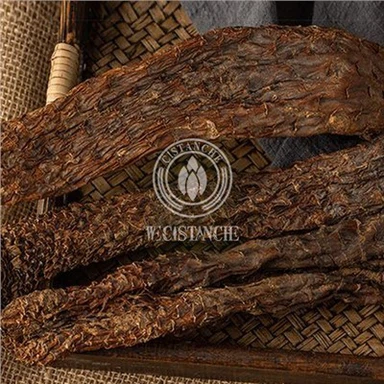
Honored as "desert ginseng", Cistanche Tubulosa is a precious desert medicinal herb documented in TCM classics for nourishing essence, beautifying facial complexion and delaying aging effects. It is critical to distinguish Cistanche Tubulosa from ordinary Cistanche deserticola. Cistanche Tubulosa parasitizes on Tamarix shrubs in Xinjiang desert zones and accumulates far higher concentrations of phenylethanoid glycosides (PhGs), mainly echinacoside and acteoside (verbascoside). These signature bioactive compounds endow the extract with multi‑mode skin brightening capacity that perfectly aligns with holistic TCM skincare logic: modulating melanin production, promoting skin microcirculation, and delivering powerful antioxidant protection.
First, for melanin regulation: Phenylethanoid glycosides extracted from Cistanche Tubulosa restrain tyrosinase enzyme activity, suppressing melanin biosynthesis at source. Relevant in‑vitro studies demonstrate that standardized extract reduces intracellular melanin load and modulates melanosome transfer toward keratinocytes. It helps fade sun‑induced spots and post‑inflammatory hyperpigmentation without harsh irritating effects associated with many synthetic lightening agents. This constitutes one of the most valuable Cistanche benefits for whitening skin for cosmetic formulation.
Second, it optimizes dermal microcirculation. Consistent with TCM blood‑activating skincare principles, standardized Cistanche Tubulosa extract facilitates local skin blood perfusion. Better microcirculation delivers oxygen and nutrition to skin cells, speeds metabolic waste elimination, and cultivates the desirable healthy rosy‑white complexion, relieving dull complexion caused by blood stasis.
Third, its strong antioxidant profile neutralizes free radicals generated by UV exposure and environmental stressors. It prevents collagen oxidative yellowing, lowers oxidative stress pressure on melanocytes, and interrupts inflammation‑driven pigment loops. The combined antioxidant plus tyrosinase‑inhibiting performance creates synergistic brightening outcomes that many single‑function raw materials cannot match.

Supportive Service Of Wecistanche-For more details about cooperation
Email:Lijianlin@wecistanche.com
Beyond skin brightening advantages, Cistanche Tubulosa extract supports fibroblast vitality, safeguarding collagen synthesis and skin elasticity, adding desirable anti‑aging value for finished cosmetic goods.
Nevertheless, raw material quality varies drastically across suppliers on the global market. Many vendors sell low‑grade Cistanche deserticola powder with unstable, low PhGs content, which cannot guarantee consistent cosmetic performance. Our manufacturing facility specializes in high‑potency Cistanche Tubulosa extract. Under GMP‑compliant production workshops, we adopt advanced ultra‑filtration and nano‑filtration purification technologies. Our finished extracts feature significantly higher phenylethanoid glycoside levels compared with common commercial alternatives, ensuring stable batch‑to‑batch bioactivity for cosmetic manufacturers. To learn more about our production capability and quality control system, please visit our official company introduction page: https://www.xjcistanche.com/about‑us.
For cosmetic product developers, Cistanche Tubulosa extract offers flexible formulation possibilities. It can be compounded with classic TCM whitening botanicals such as Atractylodes macrocephala, Angelica dahurica, Bletilla striata, Ampelopsis japonica and Poria cocos to develop multi‑functional brightening serums, facial masks or face creams. Such compound formulas simultaneously tackle chloasma, pigment spots, sallowness and dry skin troubles. It also pairs compatibly with mainstream clean‑beauty actives including niacinamide and vitamin‑C derivatives. Formulators can build gentle, well‑tolerated finished products suitable for diverse skin types. As worldwide consumers continuously pursue plant‑origin, low‑irritation skincare ingredients, Cistanche Tubulosa‑infused formulations open up promising market opportunities for brands pursuing TCM‑inspired natural brightening solutions.

Disclaimer
This article serves purely for educational and industry reference. Claims concerning herbal ingredient effects have not been evaluated by the FDA. This content does not provide medical advice. Cistanche Tubulosa extract is not intended to diagnose, treat or cure any skin diseases. Practical cosmetic results differ due to skin type, finished‑product formula and individual physical condition. Always carry out skin patch‑test prior to full‑area topical application. Seek professional dermatologist advice for persistent skin disorders.