New Developments in ANCA-associated Small Vessel Vasculitis
May 15, 2024
The incidence of antineutrophil cytoplasmic antibody (ANCA)-associated small vessel vasculitis is 10 to 20 per million population, depending on the immunophenotype (ANCA type) and clinical phenotype (microscopic polyangiitis, granulomatous polyangiitis inflammatory disease and eosinophilic granulomatosis with polyangiitis) is related to the patient's location and race. The main target antigens of ANCA are myeloperoxidase (MPO) and proteinase 3. A large-scale genome-wide association analysis suggested that proteinase 3-ANCA and MPO-ANCA-positive vasculitis may be diseases with different genetic backgrounds. MPO-ANCA-positive MPA is dominant in China, and the kidney is the main affected organ. Based on the data of inpatients in tertiary hospitals from the National Hospital Quality Monitoring System, more than 10,000 out of 43 million inpatients were diagnosed with ANCA-associated small vessel vasculitis when discharged from 2010 to 2015, with slightly more cases in the north than in the south, and slightly more in winter. In other seasons, ethnic minorities such as the Dong and Zhuang people have significantly higher rates than the Han people.

Click to Cistanche for kidney disease
The cause of ANCA-associated small vessel vasculitis remains unclear. Mouse animal models have demonstrated that anti-MPO antibodies are pathogenic. In recent studies on the mechanism of ANCA-related small vessel vasculitis, the antigenic epitopes on MPO molecules recognized by autoimmune T/B cells, susceptible HLA molecules presenting MPO, immune inflammation involving complement activation, coagulation and platelets, etc. The reaction mechanisms have made great progress, as detailed below.
(1) The susceptibility genes of Chinese patients with MPO vasculitis are mainly HLA-DQA1*0302 and DQB1*0303, and the main protective genes are HLA-DQB1*0201 and DQA1*0501, and the susceptibility HLA molecules have been further determined. Key amino acids.
(2) In the study of B cell epitopes, it was confirmed that anti-MPO antibodies mainly recognize the conformational epitopes of MPO molecules; the glycosylation sites exposed by removing the sugar groups on the surface of MPO molecules become new B cell antigens. epitope, and may be related to double positivity for ANCA and anti-glomerular basement membrane (GBM) antibodies, suggesting that the pathogenesis of ANCA-related small vessel vasculitis and anti-GBM disease may share some common pathways.
(3) Based on the haplotype composed of HLA-DQA1*0302 and DQB1*0303, through molecular docking technology, possible T cell antigen epitopes derived from the heavy chain of the MPO molecule were predicted, providing a basis for further development of immunotherapy. Theoretical basis.

(4) A series of studies based on animal models and patients have found that activation of the complement alternative pathway is a key link in the pathogenesis of MPO-ANCA-related small vessel vasculitis, and some circulating and urinary complement activation products are closely related to disease activity. . Among them, the interaction between the complement activation product C5a and its related receptor C5aR1 (CD88) has become a recognized key link in inducing inflammatory responses and has also become a key target for therapeutic intervention. The international small molecule inhibitor CCX168 (avacopan) targeting C5aR1 has successfully replaced glucocorticoids for the treatment of ANCA-associated small vessel vasculitis. The domestic targeted drug BDB-001 (IFX-1, humanized anti-human C5a) targeting C5a IgG4κ monoclonal antibody) has also initially demonstrated its significant efficacy in MPO-ANCA-positive small vessel vasculitis. In addition, abnormal function of the complement regulatory protein factor H is also involved in the activation of the alternative complement pathway.
(5) After complement C5a activates neutrophils, it can cause hypercoagulability and platelet activation through tissue factor-expressing exosomes and extracellular traps, thereby amplifying immune inflammation. Recent studies from Spain have found that genetic variations in molecules related to the complement alternative pathway determine the susceptibility and severity of disease in patients with ANCA-associated small vessel vasculitis.
Treatment of ANCA-associated small vessel vasculitis includes initial treatment and maintenance of remission. According to the latest KDIGO guidelines in 2024, in the initial treatment phase, low-dose glucocorticoids combined with cyclophosphamide (CTX) or low-dose glucocorticoids combined with rituximab (RTX) are recommended for patients without vital organ involvement. Avacopan, a small molecule inhibitor of C5aR1, can be used to replace glucocorticoids; for patients with important life organ involvement (such as serum creatinine greater than 300 μmol/l), RTX combined with CTX, low-dose glucocorticoids or avacopan combined with CTX can be used or plasma exchange. During the maintenance treatment phase, those who use RTX for initial treatment can continue to use RTX, and those who use CTX for initial treatment can switch to azathioprine. RTX is more effective in preventing relapse. Plasma exchange is mainly used for patients with severe renal damage, pulmonary hemorrhage, and double-positive patients with anti-GBM antibodies.

Future treatment trends: (1) Rapid dose reduction or no glucocorticoid treatment after early application of glucocorticoids. (2) RTX becomes the first-line treatment drug. (3) Complement C5aR1 inhibitors and biological agents targeting C5/C5a will be used to treat ANCA-related small vessel vasculitis.
How Does Cistanche Treat Kidney Disease?
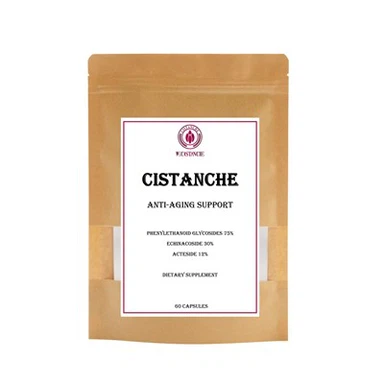
Cistanche is a traditional Chinese herbal medicine used for centuries to treat various health conditions, including kidney disease. It is derived from the dried stems of Cistanche deserticola, a plant native to the deserts of China and Mongolia. The main active components of cistanche are phenylethanoid glycosides, echinacoside, and acteoside, which have been found to have beneficial effects on kidney health.
Kidney disease, also known as renal disease, refers to a condition in which the kidneys are not functioning properly. This can result in a buildup of waste products and toxins in the body, leading to various symptoms and complications. Cistanche may help treat kidney disease ase through several mechanisms.
Firstly, cistanche has been found to have diuretic properties, meaning it can increase urine production and help eliminate waste products from the body. This can help relieve the burden on the kidneys and prevent the buildup of toxins. By promoting diuresis, cistanche may also help Reduce high blood pressure, a common complication of kidney disease.
Moreover, cistanche has been shown to have antioxidant effects. Oxidative stress, caused by an imbalance between the production of free radicals and the body's antioxidant defenses, plays a key role in the progression of kidney disease. ies help neutralize free radicals and reduce Oxidative stress, thereby protecting the kidneys from damage. The phenylethanoid glycosides found in cistanche have been particularly effective in scavenging free radicals and inhibiting lipid peroxidation.
Additionally, cistanche has been found to have anti-inflammatory effects. Inflammation is another key factor in the development and progression of kidney disease. Cistanche's anti-inflammatory properties help reduce the production of pro-inflammatory cytokines and inhibit the activation of inflammation mandatory pathways, thus alleviating inflammation in the kidneys.
Furthermore, cistanche has been shown to have immunomodulatory effects. In kidney disease, the immune system can be dysregulated, leading to excessive inflammation and tissue damage. Cistanche helps regulate the immune response by modulating the production and activity of immune cells, such as T cells and macrophages. This immune regulation helps reduce inflammation and prevent further damage to the kidneys.

Moreover, cistanche has been found to improve renal function by promoting the regeneration of renal tubes with cells. Renal tubular epithelial cells play a crucial role in the filtration and reabsorption of waste products and electrolytes. In kidney disease, these cells can be damaged, leading to damaged renal function. Cistanche's ability to promote the regeneration of these cells helps restore proper renal function and improve overall kidney health.
In addition to these direct effects on the kidneys, cistanche has been found to have beneficial effects on other organs and systems in the body. This holistic approach to health is particularly important in kidney disease, as the condition often affects multiple organs and systems. che has been shown to have protective effects on the liver, heart, and blood vessels, which are commonly affected by kidney disease. By promoting the health of these organs, cistanche helps improve overall kidney function and prevent further complications.
In conclusion, cistanche is a traditional Chinese herbal medicine used for centuries to treat kidney disease. Its active components have diuretic, antioxidant, anti-inflammatory, immunomodulatory, and regenerative effects, which help improve renal function and protect the kidneys from further damage. , cistanche has beneficial effects on other organs and systems, making it a holistic approach to treating kidney disease.