New Progress in Diet And Nutrition Therapy For Patients With Kidney Disease in 2023!
Apr 03, 2023
From March 30 to April 2, 2023, the 2023 International Society of Nephrology (ISN) World Congress of Nephrology (WCN) and the 21st Congress of the Asia-Pacific Society of Nephrology (APCN) will be held in Bangkok, Thailand. This WCN gathered over 1,200 ePoster articles, covering the cutting-edge progress of various kidney diseases, which are of great clinical value.

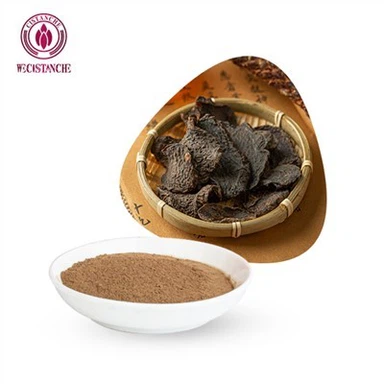
Click to cistanche herba for kidney disease
At this conference, two articles on the progress of diet and nutrition therapy for patients with kidney disease were eye-catching. These two studies may change the medication regimen and dietary recommendations for some patients with kidney disease:
Supplementation of vitamin B complex in patients with acute kidney injury (AKI) can accelerate the recovery of renal function and reduce the risk of occurrence and recurrence of chronic kidney disease (CKD)1;
For hemodialysis patients, there is no need to strictly fast high-potassium foods, and fruits with high potassium content can be eaten appropriately2.
B complex vitamins benefit AKI patients
Background
AKI is associated with higher mortality and increased risk of CKD. Preclinical studies have found that NAD+, the final metabolite of vitamin B3, can prevent and treat AKI, and even reduce the risk of developing CKD in AKI animal models. So, can the human body supplement vitamin B to prevent and treat AKI, and reduce the risk of new CKD in AKI patients?
Research design
This is a randomized, double-blind, placebo-controlled study (NCT 4893733) to evaluate whether intravenous B complex vitamins can promote renal function recovery and reduce the risk of CKD in hospitalized patients with AKI. During the study period, patients received an intravenous injection of vitamin B complex or placebo, twice a day, for 5 consecutive days, and other intervention methods were consistent with the STOP AKI study.
All research subjects were AKI patients, and the serum creatinine level when AKI occurred was the baseline serum creatinine, and within 7 days after AKI occurred, serum creatinine value was measured every 24 hours. The serum creatinine value was measured on the 30th and 30th day after AKI occurred. Serum creatinine was measured every 90 days again. The primary endpoints were renal function recovery and new/recurrent CKD in patients with AKI.
Research result
From September 2020 to September 2021, a total of 260 patients were included in the study. Serum creatinine decreased more rapidly in the IV vitamin B group than in the placebo group (1.03 mg/dL vs 0.33 mg/dL; P<0.001). Patients in the IV vitamin B group had a higher complete recovery rate (59.2% vs 34.6%; P<0.001), no significant difference in the partial recovery rate (26.2% vs 27.7%; P=0.888), and a lower non-recovery rate (16.6 % vs 37.7%; P<0.001).

At 3 months, for patients with a history of CKD, intravenous administration of B complex vitamins reduced the risk of CKD recurrence (19.2% vs 26.9%; P=0.043); Injection of vitamin B complex can reduce the risk of new CKD (13.1% vs 20.8%). In addition, intravenous administration of vitamin B complex could restore renal function (RR = 0.37; 95% CI, 0.242-0.593; P < 0.0001). The number needed to treat (NNT) for intravenous injection of vitamin B complex to restore renal function to normal was 3.1 cases; if the risk of new or relapsed CKD was reduced (RR=0.47; 95% CI, 0.28-0.79; P=0.005), the NNT was 4.8 cases.
In general, intravenous injection of vitamin B complex can promote the recovery of renal function in patients with AKI, reduce the risk of new or recurrent CKD, and is beneficial to the prognosis of patients1.
Hemodialysis patients may eat high-potassium fruits
Research Background
Existing dietary guidelines recommend that all patients with end-stage renal disease (ESRD) should adopt a low-potassium diet to prevent the occurrence of hyperkalemia. However, most fruits contain high potassium ion content, which leads ESRD patients to eat only fruit, which is prone to lack of nutrition, and affects the quality of life of some patients (such as not being able to eat their favorite foods). If ESRD or hemodialysis patients can consume high-potassium fruits, it will further improve the nutritional status of patients.
design
An observational study with a 1-month follow-up. Blood samples were collected at baseline and after the trial. Patients were divided into high-potassium and low-potassium groups according to their diet. The high-potassium group consumed 100 mg of high-potassium fruit per day, and the low-potassium group consumed 100 mg of low-potassium fruit per day for 1 week. After the intervention, patients' serum potassium levels were checked to verify the effect of dietary potassium on serum potassium.
result
A total of 22 patients completed the study, and there was no significant difference in serum potassium between the two groups (P=0.708). In addition, the frequency of fruit intake of patients in the high potassium group was significantly increased (x²=22.75, P=0.0001), and the mental health-related indicators of patients in the high potassium group were also significantly improved (P=0.041).

In general, for hemodialysis patients, eating high-potassium fruits for 1 week does not increase the blood potassium level of patients, and helps to improve the nutrition and quality of life of patients. The results of this study suggest that patients on hemodialysis may be able to consume high-potassium foods for a short period without strict fasting of high-potassium foods2.
how does cistanche treat kidney disease?
Cistanche is a traditional Chinese herb that is used to treat various medical conditions, including kidney diseases. As per traditional Chinese medicine, Cistanche has been found to have several benefits for the kidneys, including:
1. Enhancing renal function: Cistanche has been found to improve the filtration function of the kidneys and increase the excretion of waste products from the body.
2. Reducing inflammation: Chronic kidney diseases are often characterized by inflammation of the kidneys. Cistanche has been found to have anti-inflammatory properties that reduce inflammation in the kidneys.
3. Regulating blood pressure: Cistanche has been found to regulate blood pressure, which is essential for the proper functioning of the kidneys.
4. Antioxidant effects: Chronic kidney diseases are often associated with oxidative stress, which damages the kidneys. Cistanche has been found to have antioxidant properties that protect the kidneys from damage.

Although there is insufficient scientific evidence to support the use of Cistanche for kidney diseases, it has been used for centuries in traditional Chinese medicine to support kidney health. It is important to consult with a healthcare professional before using Cistanche for kidney diseases.
References:
1. Claure-Del Granado R, Torrico Salinas A, Mehta RL, et al. VITAMIN B COMPLEX IN PATIENTS WITH ACUTE KIDNEY INJURY THE VIBAKI TRIAL. WCN23-0899. ePoster. Kidney international reports. Mar 20, 2023.
2. KU H, AN O, Kim D, et al. SAFETY AND EFFICACY OF INCORPORATING HIGH POTASSIUM FRUITS IN THE DIET OF HEMODIALYSIS PATIENTS. WCN23-0778. ePoster. Kidney international reports. Mar 20, 2023.