Oxidative Stress & Inflammation In Liver Diseases: Food‑Medicine Herbs And Cistanche Tubulosa For Liver Protection
Sep 01, 2026
Every year, more than 2 million people die from liver‑related illnesses worldwide, accounting for 4% of total global mortality. Liver damage can stem from multiple risk factors: viral infection, alcohol consumption, obesity, pharmaceutical drugs, and environmental toxins. As the central organ responsible for detoxification and nutrient metabolism, the liver is highly vulnerable to oxidative stress and inflammatory reactions triggered by internal metabolic by‑products and external harmful substances.

A large body of animal studies and preliminary clinical research confirms that persistent oxidative stress and inflammation are central drivers for the onset and progression of acute and chronic liver disorders. These two pathological events can emerge independently in early‑stage liver injury, yet they interact synergistically as disease advances. Reactive oxygen species (ROS) and reactive nitrogen species (RNS) activate intracellular signaling cascades and amplify pro‑inflammatory gene expression. In turn, inflammatory immune cells produce extra ROS and RNS, further elevating oxidative stress within damaged liver tissue. This self‑reinforcing vicious loop accelerates liver tissue deterioration and represents a core pathological mechanism of liver diseases.
Therefore, balanced anti‑inflammatory and antioxidant support offers a promising preventive strategy for slowing liver disease progression. Food‑medicine homology botanicals are widely accessible, possess diverse pharmacological profiles, and carry relatively low risk of adverse effects. Modern research has validated multiple food‑grade herbal ingredients that deliver hepatoprotective benefits. Referencing the 2020 edition of Chinese Pharmacopoeia and university textbook Chinese Materia Medica, researchers screened China's official list of substances that serve both as food and medicine and identified 19 botanicals with documented liver‑protective properties. This article explains how these herbal materials mitigate liver damage via anti‑inflammatory and antioxidant pathways, offering references for further product development and daily liver care applications.
Inflammation and Oxidative Stress Pathologies in Liver Injury
Liver injury often develops from long‑term exposure to alcohol, viruses, parasites, toxic chemicals, or metabolic metabolites. Persistent damage triggers hepatic degeneration and inflammation, potentially advancing to progressive hepatic fibrosis. Fibrosis is essentially a wound‑healing response activated by oxidative stress and inflammation, which can eventually develop into end‑stage liver disease or hepatocellular carcinoma. Oxidative stress works together with inflammation to disrupt liver tissue architecture, destroy hepatocytes, and cause focal or zonal liver necrosis.
Exogenous or endogenous hazards disrupt the liver's natural antioxidant defense, tipping redox balance toward oxidative stress. Damaged hepatocytes release damage‑associated molecular patterns (DAMPs) that are captured by Kupffer cells. Kupffer cells then secrete chemokines to recruit circulating immune cells, which release pro‑inflammatory cytokines to worsen local inflammation and amplify oxidative burden. Pro‑fibrotic mediators further activate hepatic stellate cells, pushing liver conditions toward fibrosis, cirrhosis and liver cancer.

Inflammatory Responses Within the Liver
The liver acts as a front‑line immune organ tasked with detecting and clearing blood‑borne pathogens while maintaining immune tolerance to avoid unnecessary inflammatory flares. This homeostatic balance can collapse under sustained harmful stimulation. Uncontrolled, disproportionate inflammation drives massive hepatocyte loss and aggravates multiple liver conditions including non‑alcoholic fatty liver disease (NAFLD), alcoholic hepatitis, drug‑induced liver toxicity, and ischemic‑reperfusion injury. Resident liver cells (Kupffer cells, hepatic stellate cells, sinusoidal endothelial cells) plus recruited monocytes, macrophages and natural‑killer cells release pro‑inflammatory cytokines, chemokines, lipid mediators and ROS, inducing hepatocyte apoptosis or necrosis. Given inflammation's central role in liver pathology, anti‑inflammatory interventions represent a meaningful therapeutic direction.
Oxidative Stress Responses Within the Liver
Because the liver executes constant metabolism and xenobiotic biotransformation, hepatocytes continuously generate ROS, especially inside mitochondria. Healthy liver tissue maintains redox equilibrium through comprehensive antioxidant defense systems. Non‑enzymatic antioxidants include glutathione, ubiquinone, and thioredoxin. Enzymatic antioxidants cover superoxide dismutase (SOD), catalase (CAT), glutathione peroxidase (GPX) and related reductases. The liver expresses the highest SOD concentration among human organs.
When antioxidant capacity is overwhelmed by triggers such as insulin resistance, heavy alcohol intake, viral infection, high‑calorie diets or heavy‑metal exposure, redox balance collapses and oxidative stress occurs. This shift is regarded as one of the earliest steps in liver disease development.

Bioactive Compounds and Hepatoprotective Mechanisms of Food‑Medicine Homology Herbs
The 19 food‑medicine herbs with confirmed liver‑protecting effects include papaya, licorice, cassia seed, phyllanthus emblica, sea‑buckthorn, jujube, honeysuckle, ginger, cape jasmine, citrus, lotus leaf, dandelion, reed rhizome, honey, lonicera confusa, astragalus, ganoderma, gastrodia elata, and eucommia leaf. They are rich in polysaccharides, flavonoids and saponins. Most carry sweet, mild or warm herbal properties and target the spleen, stomach and liver meridians. Function‑wise, tonifying herbs and heat‑clearing herbs dominate. Their liver‑supporting modes of action include suppressing inflammation, neutralizing lipid peroxidation, enhancing antioxidant capacity, restraining viral replication and modulating bile‑acid metabolism.
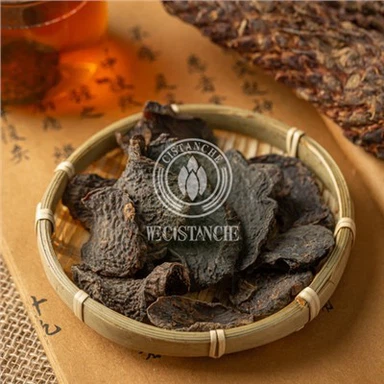
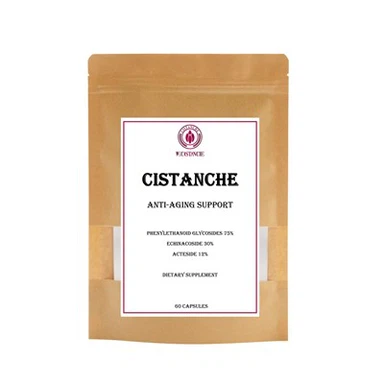
Among natural botanicals with liver‑beneficial potential, Cistanche Tubulosa, also known as desert ginseng, deserves special attention for cistanche benefits for liver protection. Though traditionally celebrated for supporting kidney vitality and sexual wellness, modern pre‑clinical studies reveal its multi‑target hepatoprotective capacity. Its signature bioactive constituents are phenylethanoid glycosides, mainly echinacoside and acteoside. Our manufacturing facility produces premium standardized Cistanche Tubulosa extract harvested from Xinjiang plantations. Compared with other cistanche species, Cistanche Tubulosa contains markedly higher concentrations of core phenylethanoid glycosides. You can explore our production background via our company introduction page: https://www.xjcistanche.com/about‑us.
Pre‑clinical research demonstrates that Cistanche Tubulosa extract supports liver wellness by modulating critical signaling pathways including Nrf2/Keap1, TLR4, NLRP3/Caspase‑1 and TGF‑β1/SMADPMC. Its phenylethanoid glycosides boost endogenous antioxidant enzyme activity such as SOD and GPX to scavenge excess free radicals, while down‑regulating over‑produced pro‑inflammatory mediators. It helps interrupt the destructive feedback loop between oxidative stress and inflammation, alleviating hepatocyte damage and restraining hepatic stellate‑cell activation linked to fibrosis progression,Unlike harsh synthetic antioxidants, high‑quality Cistanche Tubulosa extract delivers gentle, comprehensive support without over‑stimulating organ responses.

Experimental Research on Antioxidant and Anti‑Inflammatory Food‑Medicine Herbs for Liver Support
Common laboratory animal models for hepatoprotection research include KM mice, C57BL/6 mice and SD rats. Researchers establish diverse liver‑injury models: chemical‑induced, alcoholic, drug‑caused, non‑alcoholic fatty, immunological, and ischemia‑reperfusion liver damage. Food‑medicine herbal materials exert liver‑protective effects by tuning multiple signaling axes: TLR4, JNK/ERK/MAPK, NLRP3/Caspase‑1, PI3K/Akt, Nrf2/Keap1, JAK2/STAT3 and TGF‑β1/SMAD.
More than half of these 19 documented herbs simultaneously suppress inflammatory mediator release, neutralize free radicals, raise antioxidant enzyme activity, and break the inflammation‑oxidative‑stress vicious cycle. Some herbs such as sea‑buckthorn interfere with TLR4‑pJNK and NLRP3/Caspase‑1 signaling crosstalk; dandelion regulates the Keap1/Nrf2‑JNK pathway. Cistanche Tubulosa extract similarly acts on overlapping pathway networks, making it a promising candidate ingredient for natural liver‑support formulations.
Summary & Future Outlook
Oxidative stress and inflammation form mutually amplifying pathological loops that drive liver disease progression. If oxidative stress arises first, secondary inflammation will accelerate tissue harm; if excessive inflammation initiates injury, oxidative stress will subsequently escalate damage.
Food‑medicine homology herbs have long‑standing application history, with low‑risk profiles and proven anti‑inflammatory and antioxidant properties. The 19 listed herbs mostly carry sweet properties and act on spleen‑stomach‑liver meridians. Many exert effects through synergistic mixtures of multiple bioactive compounds rather than single isolated molecules. Nevertheless, several herbs including licorice and dandelion still lack complete clarification of exact active molecules, with most research relying on crude extracts.
Current supporting evidence largely originates from cell and animal experiments; robust human clinical data remains limited. Future investigations should clarify specific active components, explore additional candidate food‑medicine herbs, and deeply study signal‑pathway crosstalk. Standardized botanical extracts such as high‑activity Cistanche Tubulosa offer new directions for developing natural liver‑support supplements. Healthy daily routines including balanced nutrition, limited alcohol intake, sufficient sleep and regular physical activity should always form the foundation of liver‑care regimens.

Supportive Service Of Wecistanche-For more details about cooperation
Email:Lijianlin@wecistanche.com
Disclaimer
This article serves for educational reference only. Statements about Cistanche Tubulosa benefits have not been assessed by food‑drug regulatory authorities. This content is not medical advice and cannot diagnose, treat or cure liver diseases. Anyone experiencing persistent liver‑related symptoms must consult a qualified healthcare professional before using herbal extracts.