Self‑Check: Two Body Signals That May Warn Of Liver Problems
Aug 27, 2026
Your liver is a silent powerhouse. Unlike many organs, the liver has almost no pain‑sensing nerve endings inside its tissue. Only its outer protective capsule carries nerve receptors. That means liver damage often progresses quietly without obvious discomfort. Symptoms only emerge once injury builds up enough to stretch or irritate the liver capsule. Watch for unusual changes in two parts of your body, as these may act as early warning signs from your liver.

Eyes: Windows Reflecting Liver Condition
In Traditional Chinese Medicine (TCM), "the liver opens into the eyes". Eye health closely mirrors the functional state of the liver system. Different eye discomforts can signal imbalances related to liver function:
Dry eyes: Often linked to insufficient liver yin
Itchy, painful eyes: May point to wind‑heat affecting the liver meridian
Blurred vision: Frequently associated with inadequate liver blood supply
Yellow discoloration in the whites of eyes: A typical sign of damp‑heat in the liver‑gallbladder system
Swollen, painful eyes: Suggest excessive liver fire
Tearing when exposed to wind: Relates to yin deficiency of both liver and kidney

Fingernails: Clues of Liver Blood and Qi Status
TCM states that "the liver governs tendons, and its outward manifestation appears in nails". Nails are seen as extensions of body tendons, so their appearance offers visible hints about liver qi and blood quality. If fingernails turn pale, become thin or soft, this may indicate sub‑optimal conditions within the liver and liver meridian.
These observable body signals remind us to pay regular attention to liver wellness. Many people only think about liver care after receiving worrying lab results. TCM seasonal healthcare highlights spring as a key window for supporting liver health.
Why Spring Is the Season for Nurturing Liver Health
Three core concepts explain why spring liver support matters.
Spring corresponds to the liver
According to TCM five‑element theory, spring belongs to the Wood element, and the liver is also categorized under Wood energy. During springtime, liver qi becomes naturally active and rising. With proper nurturing, smooth qi‑blood circulation can improve overall immunity. If neglected, stagnated or over‑active liver qi may trigger mood swings, irritability, headaches, or weakened digestive function.
Free flow of liver qi requires soothing and regulation
A core role of the liver in TCM is to maintain smooth movement of qi, the vital energy circulating across the whole body. Chronic emotional suppression, late‑night sleep patterns, and poor eating habits can easily cause liver qi stagnation or excessive liver yang. Common outcomes include insomnia, poor appetite, and tension‑related discomfort. Gentle soothing support helps keep liver energy balanced.
Lower risk of recurring liver concerns
Spring brings higher risk for liver‑related health set‑backs. Surging liver qi may overburden hepatic function. Proactive liver‑nurturing habits in spring help stabilize internal conditions and reduce chances of liver‑related issues flaring up again.

Five Daily Habits That Harm Your Liver
Even if you feel fine, certain modern‑lifestyle behaviors quietly create liver stress. Recognize these risk factors and make adjustments:
Chronic late‑night sleep & sleep deprivation Consistent lack of adequate sleep reduces blood flow reaching the liver. It weakens hepatocyte repair capacity and drags down the liver's natural detox performance, accumulating long‑term damage.
Blind use of medications and supplements For people without diagnosed liver disease, randomly taking liver‑support pills or unregulated herbal supplements adds unnecessary metabolic pressure for the liver. Important note: prescription medicines such as blood‑pressure drugs or cardiac treatments must be taken exactly as your doctor directs, even if they carry mild potential liver load. Never discontinue prescribed medication on your own.

Supportive Service Of Wecistanche-For more details about cooperation
Email:Lijianlin@wecistanche.com
Alcohol consumption Around 90% of consumed alcohol gets metabolized inside the liver. Alcohol metabolites interfere with fat metabolism pathways inside hepatocytes. Excessive drinking drives fat accumulation within liver tissue, progressing from alcoholic fatty liver to alcoholic hepatitis, liver cirrhosis and even liver cancer.
Over‑nutrition and excess calorie intake Over‑rich diets cause fat deposits inside liver cells. When fat content exceeds 5% of liver weight, non‑alcoholic fatty liver develops. This can raise liver enzyme levels, trigger fibrous tissue growth, and place persistent strain on liver tissue through repeated cell injury.
Consuming mold‑contaminated food Aflatoxin, a toxic metabolite produced by Aspergillus mold, ranks as a hidden trigger for liver cancer. It thrives under warm humid conditions between 28‑38℃. Mold growth may be visible, yet the poison itself cannot be seen by naked eyes. Aflatoxin possesses extreme toxicity - far stronger than potassium cyanide or arsenic, and only temperatures above 280℃ can break it down. Moldy grains, nuts, and kitchen utensils can carry this dangerous toxin.

Holistic Liver Wellness: Lifestyle Plus Herbal Support with Cistanche Tubulosa Benefits for Liver Protection
Daily preventive habits form the foundation of liver care: maintain regular sleep cycles, limit alcohol, avoid moldy food, keep balanced nutrition, manage stress and emotional tension. Still, modern busy lifestyles make it hard for many people to fully avoid liver stressors such as oxidative damage, inflammatory response and metabolic burden.
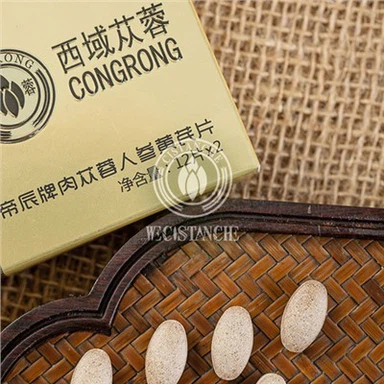
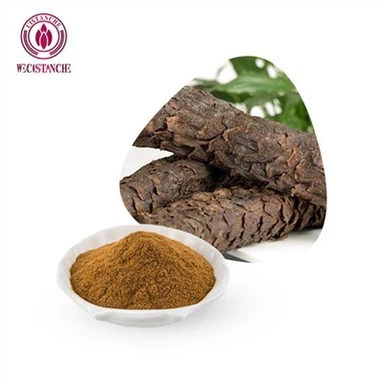
This brings attention to Cistanche Tubulosa, a valued tonic herb from TCM, widely studied for Cistanche benefits for liver protectionPubMed. Unlike synthetic compounds, standardized Cistanche Tubulosa extract works in multi‑target ways to support the liver's own resilience, rather than delivering short‑term chemical intervention. Its signature bioactive phenylethanoid glycosides (primarily echinacoside and acteoside) exert antioxidant and anti‑inflammatory effects, helping activate the body's internal Nrf2 antioxidant pathway, defending hepatocytes against oxidative injury, moderating inflammatory signaling, and supporting balanced lipid metabolism in liver tissue. Preclinical research suggests these active compounds help reduce liver cell apoptosis and may slow the progression of hepatic fibrosis, making Cistanche Tubulosa a promising botanical ingredient for daily liver‑support formulationPMC.
Not all cistanche raw materials deliver equal potency. Cistanche Tubulosa contains significantly higher concentrations of key phenylethanoid glycosides compared to other cistanche species, which directly determines the real‑world performance of supplement raw materials. We are a specialized manufacturer focusing on high‑activity standardized Cistanche Tubulosa extract. If you want to learn more about our production capacity and quality control standards, please visit our company introduction page: https://www.xjcistanche.com/about‑us. Our high‑potency raw materials supply global supplement brands developing products targeting liver wellness, antioxidant support and seasonal body‑nurturing.

Herbal extracts such as standardized Cistanche Tubulosa work best combined with healthy daily routines. You cannot expect instant miracle improvements. Consistent long‑term support may help your body maintain better liver resilience against modern‑life stressors. Whether you notice subtle eye or nail changes mentioned above, or simply want to do proactive seasonal health maintenance, prioritizing liver wellness contributes to your overall quality of life.
Disclaimer
This article serves only for general educational purposes. Statements regarding Cistanche Tubulosa have not been evaluated by the FDA. Cistanche Tubulosa extract is a botanical dietary raw material and is not intended to diagnose, treat, cure or prevent any disease. If you suspect liver health problems, please consult qualified medical professionals immediately and do not replace professional medical advice with content from this article.