TCM Herb For Acute Lung Injury: Xuanfei Baidu Formula SRNA And Cistanche Extract As Natural Therapeutic Solutions
May 11, 2026
Acute Lung Injury (ALI) is a life-threatening acute respiratory dysfunction disease characterized by uncontrolled inflammatory responses, manifested as hypoxemia, respiratory distress, and diffuse alveolar infiltration. In severe cases, it progresses to Acute Respiratory Distress Syndrome (ARDS), posing a significant challenge to clinical treatment [1-2]. While traditional clinical interventions such as lung-protective ventilation and drug therapy have certain effects, they are limited by poor targeting and obvious side effects [5-6]. In recent years, Traditional Chinese Medicine (TCM) herbs have attracted widespread attention due to their multi-target, high safety, and low side effects, becoming a promising direction for ALI treatment. Among them, small RNAs (sRNA) derived from Xuanfei Baidu Formula and Cistanche (a precious TCM herb known as "desert ginseng") have shown great potential in ALI intervention, especially with the high content of Acteoside in Cistanche extract, which provides new possibilities for the development of deep herbal extract dietary supplements.
The Core Mechanism of ALI: Inflammation and Endothelial Injury Cycle
To understand how TCM herbs alleviate ALI, we first need to clarify the core pathological mechanism of the disease. Lung endothelial cell (EC) dysfunction is the key link driving ALI progression: activated EC secrete chemokines to promote inflammatory cell infiltration, and downregulate the expression of tight junction proteins, leading to increased microvascular permeability, forming a vicious cycle of "inflammation-endothelial injury" [3-4].
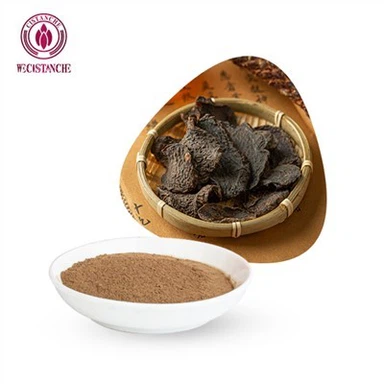
Cistanche Supplements With 14.3% Acteoside


Supportive Service Of Wecistanche-For more details about cooperation
Email:wallence.suen@wecistanche.com
Angiotensin-Converting Enzyme (ACE), as the core rate-limiting enzyme of the Renin-Angiotensin System (RAS), is highly expressed in pulmonary microvessels and closely related to endothelial dysfunction [7-8]. ACE catalyzes the production of Angiotensin II (Ang II), which binds to Angiotensin II Type 1 Receptor (AT1R) to trigger the Nuclear Factor-κB (NF-κB)/Mitogen-Activated Protein Kinase (MAPK) signaling pathway, inducing the release of pro-inflammatory factors such as Tumor Necrosis Factor-α (TNF-α) and Interleukin-6 (IL-6), thereby exacerbating alveolar injury [4,29]. This mechanism makes ACE an important target for ALI intervention.
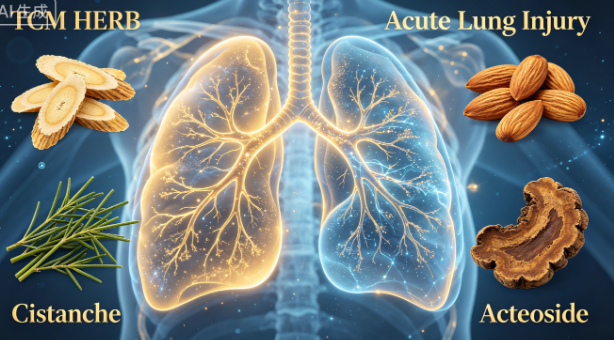
Xuanfei Baidu Formula: TCM Classic Targeting ACE-sRNA to Alleviate ALI
In TCM theory, ALI belongs to the category of "wind-warm lung-heat disease", which is highly consistent with the symptoms of "sudden asthma", "asthma collapse", and "asthma syndrome", with "lung-heat obstruction" as the core. Xuanfei Baidu Formula (XFBD), one of the "Three Drugs and Three Formulas" recommended in theDiagnosis and Treatment Plan for Novel Coronavirus Pneumonia, is derived from the modification of 5 classic ancient TCM prescriptions, including Maxing Shigan Decoction (Shang Han Lun), Maxing Yigan Decoction, Tingli Dazao Xiefei Decoction (Jin Kui Yao Lue), Weijing Decoction (Wai Tai Mi Yao), and Buhuan Jin Zhengqi San (Tai Ping Hui Min He Ji Ju Fang). It is composed of 12 TCM herbs such as Ephedra sinica Stapf (6g), Gypsum Fibrosum (30g), Atractylodes lancea (Thunb.) DC. (stir-fried with bran, 10g), Pogostemon cablin (Blanco) Benth. (15g), and Glycyrrhiza uralensis Fisch. (10g) [14-16].
Clinical studies have confirmed that XFBD can improve lung injury related to novel coronavirus infection through multiple targets, and its mechanism involves inhibiting neutrophil infiltration and regulating macrophage polarization [16]. In recent years, studies have found that functional sRNAs exist in traditional TCM decoctions, which can accurately regulate gene expression at the post-transcriptional level and become a new research hotspot in TCM modernization [10]. A study published in relevant academic journals explored the protective effect and mechanism of sRNA derived from XFBD targeting ACE in LPS-induced ALI in mice [17,25].
Key Findings of XFBD-sRNA Research
The research team extracted sRNA from XFBD using a modified CTAB method, constructed a library, and screened 50 potential ACE-targeting sRNAs. Through dual-luciferase reporter system verification, 26 sRNAs were confirmed to have targeting effects, among which 12 sRNAs significantly inhibited ACE expression in Human Pulmonary Microvascular Endothelial Cells (HPMEC) (P < 0.05, 0.01, 0.001) [17]. Further studies found that 7 sRNAs significantly inhibited Ang II production, among which ACE-sRNA-1 and ACE-sRNA-26 had the most significant effects (P < 0.001), and could inhibit the expression of IκBα protein and inflammatory factors (P < 0.01, 0.001) [17].
In animal experiments, mice in the LPS-induced ALI model group showed severe lung injury, while ACE-sRNA-1 and ACE-sRNA-26 significantly improved lung injury, upregulated the expression of VE-cadherin in lung tissue (a marker of endothelial barrier integrity), downregulated the expression of ICAM-1, ACE, AT1R, IκBα and inflammatory factors, and reduced the levels of Ang II and inflammatory factors in serum (P < 0.05, 0.01, 0.001) [17]. The conclusion shows that ACE-sRNA-1 and ACE-sRNA-26 derived from XFBD can target and inhibit ACE expression and activity, alleviate pulmonary endothelial inflammation and barrier damage, and improve LPS-induced ALI in mice, and the mechanism may be related to the regulation of the ACE-Ang II-AT1R pathway [17,35].
Cistanche: Another TCM Herb with Great Potential for ALI Treatment
While XFBD-derived sRNA shows excellent ALI intervention effects, Cistanche, a precious TCM herb known as "desert ginseng", has also attracted much attention in the field of respiratory health due to its rich active ingredients and multiple pharmacological effects. Cistanche is a plant of the genus Cistanche in the Orobanchaceae family, mainly distributed in desert areas in northwest China. It has been used as a top-grade tonic in TCM for more than 2,000 years, with the effects of nourishing the kidney, strengthening tendons and bones, improving immunity, anti-oxidation, and anti-inflammation [2,10].
Modern pharmacological studies have found that Cistanche is rich in active ingredients such as Phenylethanoid Glycosides, Lignans, and Flavonoids, among which Acteoside (also known as Verbascoside) is one of the core active components [2,17]. Acteoside has strong anti-inflammatory, anti-oxidative, and cell-protective effects, which can scavenge free radicals in the body, reduce oxidative stress damage, inhibit the release of inflammatory mediators, and alleviate inflammatory responses [1,2]. These effects are highly consistent with the core pathological needs of ALI treatment, making Cistanche extract a potential natural intervention for ALI.
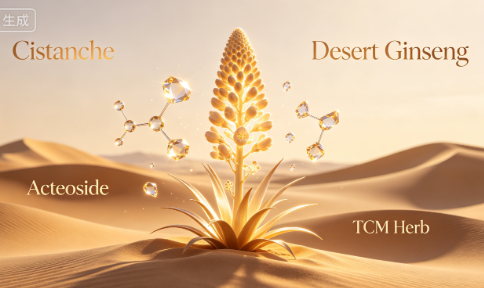
Why Cistanche Extract Stands Out in ALI-Related Dietary Supplement Development
Our Cistanche extract has obvious advantages in the development of deep herbal extract dietary supplements, especially in the content of Acteoside. According to the detection report of our products, the content of Acteoside (C29H36O15) in our Cistanche Tubulosa extract is as high as 14.3%, which is far higher than the industry average (≥12.0%) [2]. High-content Acteoside ensures the effectiveness of the product in anti-inflammation and protecting lung function, making it more suitable for the development of high-end dietary supplements targeting respiratory health, including ALI prevention and adjuvant treatment.
In addition, Cistanche has a variety of pharmacological effects that complement the treatment of ALI. Studies have shown that Cistanche polysaccharides can improve the expression levels of Glutathione Peroxidase (GSH-Px) and Superoxide Dismutase (SOD) in lung tissue, reduce the expression level of Malondialdehyde (MDA), and have anti-oxidative and anti-pulmonary fibrosis effects [1]. At the same time, Cistanche can inhibit the release of inflammatory mediators such as prostaglandins and leukotrienes, reduce the level of systemic inflammatory response, and further alleviate lung inflammation [1]. These effects, together with the high content of Acteoside, make Cistanche extract a powerful supplement to TCM herb-based ALI intervention.

For more information on the pharmacological effects of Cistanche, you can refer to our related research: Research Progress Of Total Glycosides Of Cistanche In The Treatment Of Osteoporosis; to learn more about our Cistanche extract products and their kidney-nourishing and anti-inflammatory effects, please visit: Cistanche for Kidney Disease & Immune Enhancement.
The Synergy of TCM Herbs: XFBD and Cistanche in ALI Treatment
Both XFBD and Cistanche, as representative TCM herbs, play an important role in ALI intervention, and their mechanisms complement each other. XFBD-derived sRNA targets ACE precisely, blocks the ACE-Ang II-AT1R pathway, and interrupts the "inflammation-endothelial injury" vicious cycle at the molecular level [17,35]; Cistanche extract, especially with its high content of Acteoside, exerts anti-inflammatory, anti-oxidative, and lung-protective effects through multiple pathways, further enhancing the intervention effect on ALI [1,2].
This synergy fully reflects the TCM concept of "holistic regulation" and provides a new idea for the development of natural, safe, and effective ALI therapeutic products. For researchers and enterprises engaged in the development of dietary supplements, our high-Acteoside Cistanche extract can be used as a core raw material, combined with the research results of XFBD-sRNA, to develop more targeted and effective products for respiratory health, filling the gap in natural supplements for ALI adjuvant treatment.
Future Prospects: TCM Herbs Lead the New Direction of ALI Natural Treatment
With the in-depth research on TCM modernization, more and more TCM herbs and their active ingredients have been proven to have significant effects in ALI treatment. In addition to XFBD and Cistanche, studies have shown that Scutellaria barbata D. Don-derived BZL-sRNA-20 targets TLR4 to alleviate viral ALI [11], and Glycyrrhiza uralensis Fisch.-derived sRNA targets TNF-α to relieve lung injury [25]. These findings confirm the great potential of TCM herbs in the field of ALI treatment.
As a precious TCM herb with a long history of application, Cistanche has broad application prospects in the development of respiratory health products due to its high content of Acteoside and multiple pharmacological effects. Our Cistanche extract adheres to international advanced production technology, has passed strict quality testing, and has obtained import certifications in many countries such as the United States, the European Union, Japan, and Russia, providing reliable raw materials for the global development of deep herbal extract dietary supplements [2].
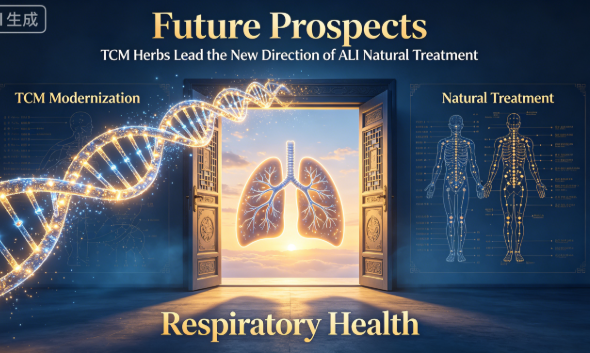
Conclusion
Acute Lung Injury, as a severe acute respiratory disease, urgently needs new natural therapeutic solutions with high safety and strong targeting. TCM herbs represented by Xuanfei Baidu Formula and Cistanche have shown unique advantages in ALI intervention: XFBD-derived sRNA targets ACE precisely to block the pathological pathway, while Cistanche extract, with its high content of Acteoside, exerts multi-faceted anti-inflammatory and lung-protective effects. The combination of the two provides a more comprehensive and effective natural treatment plan for ALI.
For enterprises and researchers engaged in the development of dietary supplements, our high-Acteoside Cistanche extract is an ideal raw material for deep herbal extract development, which can help develop high-quality products targeting respiratory health and create greater value in the field of natural health. With the continuous advancement of TCM modernization research, TCM herbs will surely play a more important role in the global fight against acute lung injury and other respiratory diseases.
References
[1] Li Qiang, Sun Yihong, Huo Jiaojiao, et al. Research Progress Of Total Glycosides Of Cistanche In The Treatment Of Osteoporosis [J]. Baotou Medical College, Inner Mongolia University of Science and Technology, 2025. Available at: https://www.xjcistanche.com/news/cistanche-in-the-treatment-of-osteoporosis-85229223.html
[2] Chengdu WeCistanche Bio-Tech., Co Ltd. Cistanche for Kidney Disease & Immune Enhancement [R]. 2022. Available at: https://www.xjcistanche.com/cistanche-extract-product/cistanche-for-nourishing-kidney.html
[3] Qian Y S, Wang Z W, Lin H R, et al. TRIM47 is a novel endothelial activation factor that aggravates lipopolysaccharide-induced acute lung injury in mice via K63-linked ubiquitination of TRAF2 [J]. Signal Transduct Target Ther, 2022, 7(1): 148.
[4] Liu Yan, Xu Lei, Shi Yuzhu, et al. Mechanism of Artemisia scoparia Extract on LPS-induced Acute Lung Injury in Mice Based on NLRP3 Inflammatory Pathway [J]. Chinese Herbal Medicines, 2025, 56(16): 5837-5846.
[5] Ji C, Hao X Y, Li Z Y, et al. Phillyrin prevents sepsis-induced acute lung injury through inhibiting the NLRP3/Caspase-1/GSDMD-dependent pyroptosis signaling pathway [J]. Acta Biochim Biophys Sin, 2024, 57(3): 447-462.
[6] Wheeler A P, Bernard G R. Acute lung injury and the acute respiratory distress syndrome: A clinical review [J]. Lancet, 2007, 369(9572): 1553-1564.
[7] Jobe A, Antony P, Altabbal S, et al. Interaction of hemorphins with ACE homologs [J]. Sci Rep, 2023, 13(1): 3743.
[8] Takei Y, Yamada M, Saito K, et al. Increase in circulating ACE-positive endothelial microparticles during acute lung injury [J]. Eur Respir J, 2019, 54(4): 1801188.
[9] Bader M, Muscha Steckelings U, Alenina N, et al. Alternative renin-angiotensin system [J]. Hypertension, 2024, 81(5): 964-976.
[10] Sun X Y, Setrerrahmane S, Li C C, et al. Nucleic acid drugs: Recent progress and future perspectives [J]. Signal Transduct Target Ther, 2024, 9: 316.
[11] Zhao D D, Qin Y H, Liu J Q, et al. Orally administered BZL-sRNA-20 oligonucleotide targeting TLR4 effectively ameliorates acute lung injury in mice [J]. Sci Chin Life Sci, 2023, 66(7): 1589-1599.
[12] Tang K G, Wang X N, Zhao Y, et al. Oral administration of the herbal oligonucleotide XKC-sRNA-h3 prevents angiotensin II-induced hypertension in mice [J]. Sci Chin Life Sci, 2023, 66(10): 2370-2379.
[13] Li X Y, Liang Z, Du J C, et al. Herbal decoctosome is a novel form of medicine [J]. Sci China Life Sci, 2019, 62(3): 333-348.
[14] Liu Ju, Cui Ying, Bai Mingxue, et al. Analysis of TCM Drugs for Prevention and Treatment of Novel Coronavirus Pneumonia [J]. Chinese Herbal Medicines, 2020, 51(4): 860-865.
[15] Xiong W Z, Wang G, Du J, et al. Efficacy of herbal medicine (Xuanfei Baidu Decoction) combined with conventional drug in treating COVID-19: A pilot randomized clinical trial [J]. Integr Med Res, 2020, 9(3): 100489.
[16] Wang Y Y, Wang X, Li Y X, et al. Xuanfei Baidu Decoction reduces acute lung injury by regulating infiltration of neutrophils and macrophages via PD-1/IL17A pathway [J]. Pharmacol Res, 2022, 176: 106083.
[17] Cao Y H, Lin Y X, Sun N, et al. A comprehensive analysis of the Bencao (herbal) small RNA Atlas reveals novel RNA therapeutics for treating human diseases [J]. Sci China Life Sci, 2023, 66(10): 2380-2398.
[18] Choi E J, Jin G Y, Bok S M, et al. Serial micro-CT assessment of the therapeutic effects of rosiglitazone in a bleomycin-induced lung fibrosis mouse model [J]. Korean J Radiol, 2014, 15(4): 448-455.
[19] Xiao K, He W X, Guan W, et al. Mesenchymal stem cells reverse EMT process through blocking the activation of NF-κB and Hedgehog pathways in LPS-induced acute lung injury [J]. Cell Death Dis, 2020, 11(10): 863.
[20] Liu B H, Wang Z, He R Y, et al. Buformin alleviates sepsis-induced acute lung injury via inhibiting NLRP3-mediated pyroptosis through an AMPK-dependent pathway [J]. Clin Sci, 2022, 136(4): 273-289.
[21] Zhu J Q, Zhou J H, Feng B, et al. MSCs alleviate LPS-induced acute lung injury by inhibiting the proinflammatory function of macrophages in mouse lung organoid-macrophage model [J]. Cell Mol Life Sci, 2024, 81(1): 124.
[22] Wang Y, Wang Y C, Ma J, et al. Yu Ping Feng San ameliorates LPS-induced acute lung injury and gut barrier dysfunction in mice [J]. J Ethnopharmacol, 2023, 312: 116452.
[23] Bos L D J, Ware L B. Acute respiratory distress syndrome: Causes, pathophysiology, and phenotypes [J]. Lancet, 2022, 400(10358): 1145-1156.
[24] Wang Y Y, Sang X Q, Shao R, et al. Xuanfei Baidu Decoction protects against macrophages induced inflammation and pulmonary fibrosis via inhibiting IL-6/STAT3 signaling pathway [J]. J Ethnopharmacol, 2022, 283: 114701.
[25] Jiang Zhenyu, Wang Xiaona, Tang Kegong, et al. sRNA Derived from Glycyrrhiza uralensis Fisch. May Alleviate Lung Injury in Mice with Mild ARDS by Targeting TNF-α [J]. Basic Medicine and Clinical Practice, 2023, 43(7): 1030-1039.
[26] Chernikov I V, Staroseletz Y Y, Tatarnikova I S, et al. siRNA-mediated Timp1 silencing inhibited the inflammatory phenotype during acute lung injury [J]. Int J Mol Sci, 2023, 24(2): 1641.
[27] Chen Y F, Hu F, Wang X G, et al. microRNA-23a-5p is involved in the regulation of lipopolysaccharide-induced acute lung injury by targeting HSP20/ASK1 [J]. Oxid Med Cell Longev, 2021, 2021: 9942557.
[28] Erdös E G. Conversion of angiotensin I to angiotensin II [J]. Am J Med, 1976, 60(6): 749-759.
[29] Mascolo A, Scavone C, Rafaniello C, et al. The role of renin-angiotensin-aldosterone system in the heart and lung: Focus on COVID-19 [J]. Front Pharmacol, 2021, 12: 667254.
[30] Legrand M, Khanna A K, Ostermann M, et al. The renin-angiotensin-aldosterone-system in sepsis and its clinical modulation with exogenous angiotensin II [J]. Crit Care, 2024, 28(1): 389.
[31] Rao A, Bhat S A, Shibata T, et al. Diverse biological functions of the renin-angiotensin system [J]. Med Res Rev, 2024, 44(2): 587-605.
[32] Qiu F S, Wang J F, Guo M Y, et al. Rgl-exomiR-7972, a novel plant exosomal microRNA derived from fresh Rehmanniae Radix, ameliorated lipopolysaccharide-induced acute lung injury and gut dysbiosis [J]. Biomed Pharmacother, 2023, 165: 115007.
[33] Guo Z F, Tongmuang N, Li C, et al. Inhibiting endothelial cell Mst1 attenuates acute lung injury in mice [J]. bioRxiv, 2023: 2023.09.27.559864.
[34] Chen J J, Sun M, Zhou M, et al. Associations between I/D polymorphism in the ACE gene and lung cancer: An updated systematic review and a Meta-analysis [J]. BMC Cancer, 2021, 21(1): 158.
[35] Krenn K, Tretter V, Kraft F, et al. The renin-angiotensin system as a component of biotrauma in acute respiratory distress syndrome [J]. Front Physiol, 2021, 12: 806062.
[36] Kong Lingyu, Li Ling. Mangiferin Improves LPS-induced Acute Lung Injury through NF-κB Signaling Pathway [J]. Progress in Anatomical Sciences, 2025, 31(5): 726-729.
[37] Xu Yanqing, Wang Xinzhi, Cui Xiaobing, et al. Study on the Improvement Effect of Pinellia ternata (Thunb.) Breit. and Its Active Components on Inflammatory Response of Acute Lung Injury [J]. Journal of Nanjing University of Chinese Medicine, 2025, 41(8): 1055-1065.
[38] Wu Y H, Yu X, Wang Y W, et al. Ruscogenin alleviates LPS-triggered pulmonary endothelial barrier dysfunction through targeting NMMHC IIA to modulate TLR4 signaling [J]. Acta Pharm Sin B, 2022, 12(3): 1198-1212.
[39] Yi X L, Xu C M, Yang J, et al. Tiliroside protects against lipopolysaccharide-induced acute kidney injury via intrarenal renin-angiotensin system in mice [J]. Int J Mol Sci, 2023, 24(21): 15556.
[40] Wu Y, Yang X, Ju Y Y, et al. Fraxinol attenuates LPS-induced acute lung injury by equilibrating ACE-Ang II-AT1R and ACE2-Ang (1-7)-Mas and inhibiting NLRP3 [J]. Pharm Biol, 2022, 60(1): 979-989.