Part Ⅰ Adverse Clinical Outcomes Among Inflammatory Bowel Disease Patients Treated For Urinary Tract Infection
May 19, 2023
Abstract
1. Background
Urinary tract infection (UTI) is the most common urologic complication among patients with inflammatory bowel disease (IBD). However, data regarding UTI outcomes in this population are scarce. We aimed to evaluate the adverse outcomes of UTI among patients with IBD.
2. Methods
This was a retrospective cohort study of consecutive adult patients who visited the emergency room (ER) at Sheba Medical Center due to a UTI between 2012 and 2018. Data included demographic and clinical variables. UTI cases were extracted using ICD-10 coding.
3. Results
Of 21,808 (ER) visits with a UTI, 122 were IBD patients (Crohn’s disease—52, ulcerative colitis—70). Contrary to non-IBD subjects, patients with IBD had higher rates of hospitalization, acute kidney injury (AKI), and 30-day-recurrent hospitalizations (59.3% vs. 68.9%, p = 0.032; 4.6% vs. 13.9%, p < 0.001; 7.3% vs. 15.6%, p = 0.001, respectively). Among patients with IBD, advanced age (p = 0.005) and recent hospitalization (p = 0.037) were associated with increased risk for hospitalization, while hydronephrosis (p = 0.005), recent hospitalization (p = 0.011) and AKI (p = 0.017) were associated with increased 30-day recurrent hospitalization. Neither immunosuppressants nor biologics were associated with UTI outcomes among patients with IBD.
4. Conclusions
Patients with IBD treated for a UTI had higher rates of hospitalization, AKI, and 30-day recurrent hospitalization than non-IBD patients. No association was observed between immunosuppressants or biologics and UTI outcomes.
Keywords
acute kidney injury; urinary tract infection; 30-day-recurrent hospitalization; Crohn’s disease; ulcerative colitis; inflammatory bowel disease.
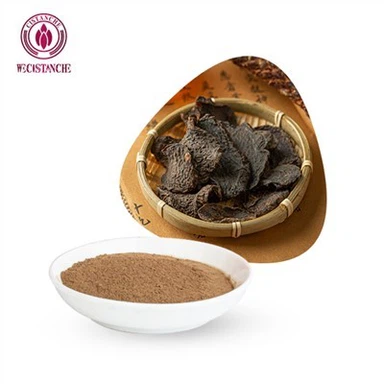
Click here to know the benefits of Cistanche for Kidney
Introduction
Inflammatory bowel disease (IBD) mainly encompasses two chronic inflammatory states primarily affecting the gastrointestinal (GI) tract: Crohn’s disease (CD) and ulcerative colitis (UC) [1,2]. The incidence of IBD in Western countries is stable and even falling, and the prevalence is estimated at 0.3% [3]. However, there is a rising rate of IBD incidence in newly industrialized countries. Thus, overall, the incidence and prevalence of IBD are increasing worldwide [2,3]. The national prevalence of IBD in Israel is 0.52% [4]. Considering the inflammatory nature of the disease, many agents used for IBD treatment alter immune system activity and potentially increase infection risk and infectious complications [5]. In addition, based on genome-wide association studies, the innate immune system might be impaired in IBD patients [5].
Urinary tract infection (UTI) is the most common bacterial infection, accounting for 1 million emergency room (ER) visits a year in the United States [6]. Among the main known risk factors to develop UTIs in the general population are anatomic abnormalities, diabetes, female sex, and sexual activity [6]. Previous studies showed that UTI is the most common urologic complication among CD patients [7,8]. IBD features such as disease anatomic extent (e.g., entero-vesical fistulas [9]), disease duration, patient age, and presence of urolithiasis [10,11] are highly associated with an increased risk of UTI among IBD patients. Furthermore, urolithiasis is considered one of the most frequent extraintestinal manifestations among IBD patients—with a prevalence of 8–19% (compared to only 0.1% in the general population) [12].
The available data regarding the outcomes of UTIs among patients with IBD are limited. We aimed to explore the adverse outcomes of UTIs among patients with IBD. We also aimed to find predictors for adverse outcomes among this population.

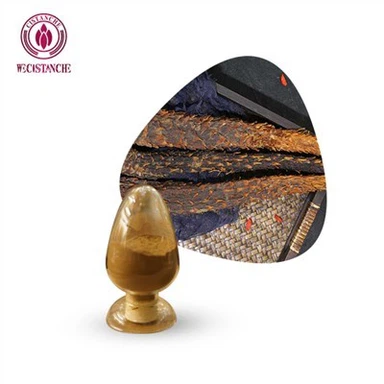
Standardized Cistanche
Materials and Methods
1. Study Design and Patient Selection
This was a retrospective, data-based cohort study that included adult patients who visited the ER at Sheba Medical Center due to a UTI between 2012 and 2018. Data were collected from an electronic repository of all ER visits and included tabular demographic and clinical variables and free-text physician records. The cohort consisted of patients with IBD and non-IBD patients. Any ER visit for anything except for UTIs was excluded. In addition, patients under 18 years old were excluded. For each patient, only the first ER visit for a UTI at Sheba Medical Center was considered, while the rest were excluded. IBD and UTI cases were extracted using the International Classification of Diseases (ICD-10) coding.
2. Data Extraction
The following data were collected from the electronic health record of Sheba Medical Center (Chameleon Electronic Medical Record):
Demographic factors—age (years) and sex.
IBD-related disease features—(disease extent by Montreal Classification and history of IBD surgeries).
IBD-related medications—aminosalicylic acid (5-ASA) and similar agents, corticosteroids, immunomodulators such as azathioprine, mercaptopurine, and methotrexate, and biologics, including tumor necrosis factor-alpha (TNF-α) inhibitors.
Background comorbidities (known to be associated with UTIs)—diabetes, benign prostate hyperplasia (BPH) (only for male sex), history of urologic tumors (kidney, bladder, and prostate tumors), and history of urolithiasis. These medical conditions are well-known and distinctive risk factors for UTIs—leading to metabolic derangement and urine-flow impairment [5,12,13]. Other comorbidities were not extracted.
Microbiological features—blood and urine cultures (only for patients with IBD). Microbiological data regarding non-IBD patients were not available.
Other—history of hospitalization within three months before the index UTI ER visit and the presence of hydronephrosis (based on imaging modalities; ultrasonography or computed tomography scan).
3. Data Analyses and Statistical Methods
Patients’ characteristics are presented as medians and interquartile ranges (IQRs) for continuous variables (not normally distributed), while categorical variables are expressed as proportions. Outcome comparisons between the cohort sub-groups (patients with IBD vs. patients without IBD and patients with CD vs. patients with UC) were performed using the Mann–Whitney test for continuous variables. The chi-square test or Fisher’s exact test was used for categorical variables. Demographic factors, background comorbidities, medications, IBD-related disease features, and other variables were included in the univariable analyses related to each UTI outcome (as detailed above). Multivariable logistic regression was applied to identify independent predictors for each UTI outcome. Variables with p ≤ 0.1 on univariable analysis were included in the multivariable analyses. The backward selection method (Wald) was performed, and p-value > 0.1 was used as criteria for variable removal. All statistical tests were 2-sided, and a p-value < 0.05 was considered statistically significant. Statistical analyses were performed using SPSS software (IBM SPSS Statistics for Windows, IBM Corp., Armonk, NY, USA).

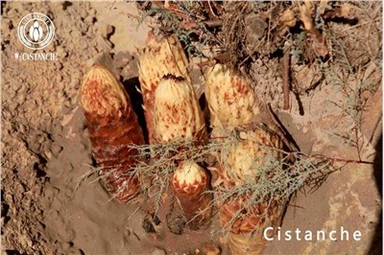
Herba Cistanche
Effectiveness of Cistanche Extract on urinary tract infection
Urinary tract infection (UTI) is a common bacterial infection that affects millions of people each year, especially women. While antibiotics are the mainstay of treatment for UTIs, there is growing interest in natural alternatives such as Cistanche extract.
Cistanche is an herb that has been used in traditional Chinese medicine for centuries. It contains several bioactive compounds, including phenylethanoid glycosides and iridoid glycosides, which have anti-inflammatory, antibacterial, and antioxidant properties. These properties make Cistanche a potential drug candidate for the management of uremia.
Several studies have examined the effectiveness of Cistanche extracts against UTIs. One study found that an herbal formulation containing Cistanche was effective in reducing symptoms and recurrence rates in women with recurrent UTIs. Another study showed that Cistanche extract had antibacterial effects against several bacteria commonly associated with UTIs, including Escherichia coli.
The exact mechanism by which Cistanche extract manages UTIs is not fully understood. However, researchers believe that its unique blend of bioactive compounds may help modulate the immune system and reduce inflammation, thereby improving overall urinary tract health.
While promising, it is important to note that additional studies are needed to determine the optimal dose and treatment regimen for Cistanche extract in the management of UTIs. In addition, those who suspect they have a UTI should seek prompt medical attention to prevent complications. If left untreated, UTIs can lead to serious kidney damage.
In conclusion, although further studies are needed to determine the full therapeutic effect of Cistanche extract, the available evidence suggests that it may be an effective complementary therapy in the management of UTIs due to its antibacterial, anti-inflammatory, and immunomodulatory properties.
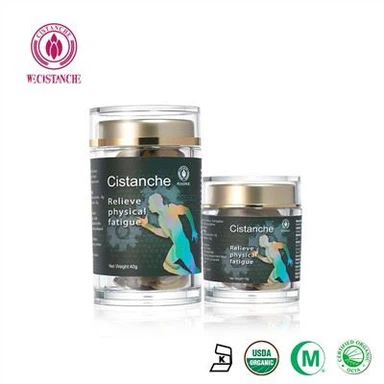
Cistanche pills
References
1. Sairenji, T.; Collins, K.L.; Evans, D.V. An Update on Inflammatory Bowel Disease. Prim. Care 2017, 44, 673–692.
2. Guan, Q. A Comprehensive Review and Update on the Pathogenesis of Inflammatory Bowel Disease. J. Immunol. Res. 2019, 2019, 7247238.
3. Ng, S.C.; Shi, H.Y.; Hamidi, N.; Underwood, F.E.; Tang, W.; Benchimol, E.I.; Panaccione, R.; Ghosh, S.; Wu, J.C.Y.; Chan, F.K.L. Worldwide incidence and prevalence of inflammatory bowel disease in the 21st century: A systematic review of population-based studies. Lancet 2017, 390, 2769–2778.
4. Stulman, M.Y.; Asayag, N.; Focht, G.; Brufman, I.; Cahan, A.; Ledderman, N.; Matz, E.; Chowers, Y.; Eliakim, R.; Ben-Horin, S.; et al. Epidemiology of Inflammatory Bowel Diseases in Israel: A Nationwide Epi-Israeli IBD Research Nucleus Study. Inflamm. Bowel Dis. 2021, 11, 1784–1794.
5. Rahier, J.F.; Magro, F.; Abreu, C.; Armuzzi, A.; Ben-Horin, S.; Chowers, Y.; Cottone, M.; de Ridder, L.; Doherty, G.; Ehehalt, R.; et al. Second European evidence-based consensus on the prevention, diagnosis, and management of opportunistic infections in inflammatory bowel disease. J. Crohns Colitis 2014, 8, 443–468.
6. Foxman, B. Urinary tract infection syndromes. Occurrence, recurrence, bacteriology, risk factors, and disease burden. Infect. Dis. Clin. N. Am. 2014, 28, 1–13.
7. Ben-Ami, H.; Ginesin, Y.; Behar, D.M.; Fischer, D.; Edoute, Y.; Lavy, A. Diagnosis and treatment of urinary tract complications in Crohn’s disease: An experience over 15 years. Can. J. Gastroenterol. 2002, 16, 225–229.
8. Kyle, J. Urinary complications of Crohn’s disease. World J. Surg. 1980, 4, 153–159.
9. Gruner, J.S.; Sehon, J.K.; Johnson, L.W. Diagnosis and management of enterovesical fistulas in patients with Crohn’s disease. Am. Surg. 2002, 68, 714–719.
10. Varda, B.K.; McNabb-Baltar, J.; Sood, A.; Ghani, K.R.; Kibel, A.S.; Letendre, J.; Menon, M.; Sammon, J.D.; Schmid, M.; Sun, M.; et al. Urolithiasis and Urinary Tract Infection among Patients with Inflammatory Bowel Disease: A Review of US Emergency Department Visits between 2006 and 2009. Urology 2015, 85, 764–770.
11. Peyrin-Biroulet, L.; Pillot, C.; Oussalah, A.; Billioud, V.; Aissa, N.; Balde, M.; Williet, N.; Germain, A.; Lozniewski, A.; Bresler, L.; et al. Urinary tract infections in hospitalized inflammatory bowel disease patients: A 10-year experience. Inflamm. Bowel Dis. 2012, 18, 697–702.
12. Larsen, S.; Bendtzen, K.; Nielsen, O.H. Extraintestinal manifestations of inflammatory bowel disease: Epidemiology, diagnosis, and management. Ann. Med. 2010, 42, 97–114.
13. Roehrborn, C.G. Benign Prostatic Hyperplasia: An Overview. Rev. Urol. 2005, 7 (Suppl. S9), 3–14.
Offiir Ukashi 1,2,3, Yiftach Barash 3,4,5, Eyal Klang 3,4,5, Tal Zilberman 3,6, Bella Ungar 1,3, Uri Kopylov 1,3, Shomron Ben-Horin 1,3 and Ido Veisman 1,3
1. Department of Gastroenterology, Sheba Medical Center, Tel Hashomer, Ramat Gan 52620, Israel; bella.geyshis.ungar@gmail.com (B.U.); ukopylov@gmail.com (U.K.); shomron.benhorin@gmail.com (S.B.-H.); idoweiss37@gmail.com (I.V.)
2. Department of Internal Medicine A, Sheba Medical Center, Tel Hashomer, Ramat Gan 52620, Israel
3. Sackler School of Medicine, Tel-Aviv University, Tel Aviv-Yafo 67011, Israel; yibarash@gmail.com (Y.B.); eyalkla@hotmail.com (E.K.); ztaltal@gmail.com (T.Z.)
4. Department of Diagnostic Imaging, Sheba Medical Center, Tel Hashomer, Ramat Gan 52620, Israel
5. DeepVision Lab, Sheba Medical Center, Tel Hashomer, Ramat Gan 52620, Israel
6. Infectious Disease Unit, Sheba Medical Center, Tel Hashomer, Ramat Gan 52620, Israel