PART1:Chinese Herbal Medicine For Treating Epilepsy
Mar 02, 2022
Contact: Audrey Hu Whatsapp/hp: 0086 13880143964 Email: audrey.hu@wecistanche.com
INTRODUCTION
Epilepsy is a common and chronic neurological disease. The etiologies of epilepsy are defined as structural, genetic, infectious, metabolic, immune, and unknown, which are proposed from International League Against Epilepsy classification system in 2017 (Scheffer et al., 2017). The incidence and prevalence of epilepsy are higher in low- and middle-income countries than in high-income countries, with approximately 80% of patients with epilepsy living in low- and middle income countries (Meyer et al., 2010; Beghi, 2020). The disease burden could be reduced by improving access to effective treatment (Beghi, 2020).
The pathogenesis of epilepsy is abnormal electrical discharges derived from the brain including hippocampal, neocortical, cortico-thalamic, and basal ganglia networks (Moshe et al., 2015). Though the causes of epilepsy are not totally clear, some possible mechanisms of epilepsy are proposed in many studies. Neurotransmitters, synapses, receptors, ion channels, inflammatory cytokines, immune systems, glial cells, oxidative stress, apoptosis, mitochondrial dysfunction, gene mutations, glycogen, and glucocorticoids metabolisms are involved in the pathogenesis of epilepsy (He et al., 2021). Gamma-aminobutyric acid (GABA) is an inhibitory neurotransmitter, and glutamate is an excitatory one. Among three types of GABA receptors, GABAa receptors control chloride ion influx, and GABAB receptors increase potassium outflow currents and reduce calcium entry.
The activation of GABA receptors makes an inhibitory effect on neuronal membrane potential. Glutamate acts on alpha-amino- 3-hydroxy-5-methyl-4-isoxazole-propionate (AMPA) receptors, kainite receptors, and N-methyl-D-aspartate (NMDA) receptors. The increased activity of NMDA receptors makes Ca2+ influx. Seizures and neuronal damages may occur when the imbalance of inhibitory and excitatory neural activity. Nicotine acetyl cholinergic (nACh) receptors and 5-Hydroxytryptamine (5- HT) receptors also control neuronal excitability and involve in epilepsy (Iha et al., 2017; Zhao et al., 2018). SCN1A, SCN2A, SCN3A, and SCN8A genes which individually encode voltage gated sodium channels, that is NaV1.1, NaV1.2, NaV1.3, and Nav1.6, are related to early onset epilepsies (Brunklaus et al., 2020). Other mutations in ion channels, such as KCNMA1, KCNQ2, KCNT1, KCNQ3, CACNA1A, CLCN2, and HCN1- 4, affect the transportation of potassium, calcium, chloride, and cyclic nucleotide (He et al., 2021). Inflammation is the cause and the consequence of seizure, becoming a vicious circle and leading epilepsy to develop and deteriorate (Vezzani et al., 2011). Both infectious and non-infectious inflammatory responses shared common immune pathways then contribute to epilepsy (Vezzani et al., 2016). Oxidative stress and mitochondrial dysfunction could also be the causes and the results of genetic and acquired epilepsies by damaging proteins, lipids, DNA, enzymes, and changing the neuronal excitability (Pearson- Smith and Patel, 2017). Oxidative stress and mitochondrial dysfunction induce apoptosis then led to neuronal death (Mendez-Armenta et al., 2014).
Epilepsy therapies contain anti-epilepsy medication, respective surgery, and functional surgery, and medication is the major therapy. Currently approved anti-epilepsy drugs mainly target voltage-gated ion channels such as sodium, potassium, and calcium channels, to modulate the electrical firing of the neuron. For examples of this kind of drugs are phenytoin, carbamazepine, valproate, retigabine, ethosuximide, zonisamide, and so on. Some drugs such as benzodiazepines, barbiturates, and tiagabine act on GABA transporters and GABA receptors to enhance the synaptic inhibition. Vigabatrin inhibit the GABA transaminase to reduce the metabolism of GABA. Some drugs act on ionotropic glutamate receptors, such as perampanel and topiramate act on AMPA glutamate receptors or kainate receptors, and felbamate inhibit NMDA receptors, to suppress the synaptic excitation. Levetiracetam and brivaracetam bind to synaptic vesicle glycoprotein 2A (SV2A) to inhibit the release of glutamate (Wang and Chen, 2019).
Numerous herbal medicines, such as Ginkgo biloba and Huperzia serrata, have been reported to have antiepileptic or proconvulsant effects (Saxena and Nadkarni, 2011; Sahranavard et al., 2014; Ekstein, 2015; Kakooza-Mwesige, 2015; Shaikh, 2015; Xiao et al., 2015; Cai, 2017; Wei et al., 2017; Manchishi, 2018). The first anti-epilepsy medication resourced from plants is cannabidiol, which is approved by the United States Food and Drug Administration in 2018 for treating Dravet syndrome and Lennox-Gastaut syndrome (Samanta, 2019). Cannabidiol is a non-psychoactive agent of cannabis that is widely studied and proved for its efficacy and safety. Whether the mechanisms of its antiepileptic effect are not fully known, large amounts of clinical trials revealed its potential for medical use (Silvestro et al., 2019). But this new anti-epilepsy drug is expensive and less accessible in most countries because cannabis legalization and medical cannabis are still controversial issues.
Anti-epilepsy drugs have some adverse effects on patients' quality of life. The latest review article generalized four challenges of anti-epilepsy drugs, including general side effects, psychological challenges, social challenges, and economic challenges (Mutanana et al., 2020). The adverse effects of antiepileptic drugs include severe psychiatric, cognitive, behavioral, endocrine, and dermatological diseases and dysfunctions (Ekstein, 2015; Cai, 2017; Chen B. et al., 2017). The medications may affect the performance of patients' schoolwork, task, work, and may impede their marriage, and interpersonal relationships. Depression and suicidal ideation are related to increasing the dose of anti-epilepsy drugs (Wen et al., 2010). For people who need long-term treatment of epilepsy, some of them give up the unaffordable and inaccessible anti-epilepsy drugs. Those challenges make patients escape from the treatment with Western medicine, especially seen in developing countries. Otherwise, even though there are many novel anti-epilepsy drugs developed in the recent 20 years, about one-third of patients are lacking appropriate seizure control due to pharmacoresistance (Wang and Chen, 2019). Currently, preventing epileptogenesis and treating comorbidities of epilepsy other than purely symptomatic control of seizures are the remaining challenges (Kobow et al., 2012; Terrone et al., 2016).
Natural medicine has found fewer side effects and good efficacy in treating epilepsy. The mechanisms of natural medicine have been reported, including the regulation of synapses, receptors, and ion channels, the inhibition of inflammation, and the regulation of the immune system. Natural medicine also can correct the glial cells, improve mitochondrial dysfunction and oxidative stress, and regulate apoptosis (He et al., 2021). Chinese herbal medicine (CHM) has become a popular complementary and alternative medicine. The trend of seeking traditional Chinese medicine for treatment is caused by patients' fear of the side effects of surgery or Western medication (Ekstein, 2015; Kakooza-Mwesige, 2015). Traditional herbal medicine is also cheaper than mainstream therapy and could be more accessible to patients.
Chinese herbal medicine has been used to treat seizures and epilepsy for thousands of years. Traditional Chinese medicine is based on the theory that medicine and food come from the same sources. Therefore, people can consume herbal medicine in their daily diet. This practice is known as medical diet therapy. Medical diet therapy is the concept of combining nutrition and medicine to treat disease through eating (Wu and Liang, 2018).
The effectiveness of CHMs has also been demonstrated in recent studies. CHM is personalized medicine prescribed based on the constitution theory of Chinese medicine to maintain health and treat diseases (Li et al., 2019). Therefore, individuals may receive different herbal therapies for the same diagnosis.
The aim of this review is to summarize the clinical use and mechanisms of antiepileptic CHM and provide evidence for the efficacy of medical diet therapy, which warrants further exploration.
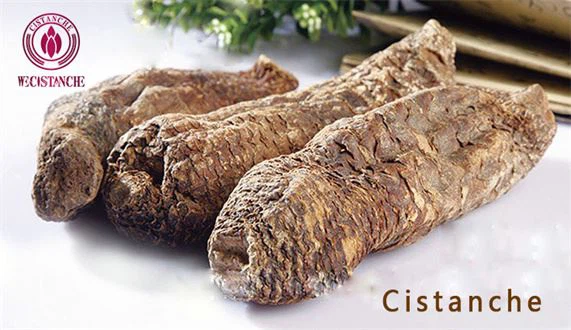
Traditional medicines for Epilepsy: Cistanche
MATERIALS AND METHODS
Common clinical used CHMs for treating epilepsy and seizure were searched and reviewed in PubMed and Cochrane Library. The various combinations of keywords included the terms epilepsy, seizure, antiepileptic, anticonvulsive, Chinese herbal medicine” "Chinese herb” and each of the Latin names, English names, and scientific names of herbs. The search process is presented in Figure 1. The sources of these antiepileptic herbs are summarized in Table 1 based on Taiwan's official herbal pharmacopeia, third edition (Taiwan Herbal Pharmacopeia 3rd Edition Committee, 2019).
RESULTS AND DISCUSSION
Plants
Gastrodia elata
Gastrodia elata is a widely used traditional Chinese medicine for treating neurological disorders, such as headache, insomnia, and epilepsy (Zhan et al., 2016; Liu et al., 2018). G. elata has anticonvulsive, anti-inflammatory, neuroprotective, antiapoptosis, and antioxidative effects (Hsieh et al., 2001; Zhan et al., 2016; Liu et al., 2018). In a rat model of a ferric- chloride-induced epileptic seizure, Vanillyl alcohol, a component of G. elata, suppressed seizures and lipid peroxidation. The pretreatment with either 200 mg/kg or 100 mg/kg Vanillyl alcohol significantly reduced the number of wet dog shakes. The Vanillyl alcohol 200 mg/kg group had a significantly greater suppress effect on lipid peroxidation than the Vanillyl alcohol 100 mg/kg group and phenytoin 10 mg/kg group (Hsieh et al., 2000). In a rat model of kainic acid-induced epilepsy, G. elata can suppress epileptic attacks by regulating the c-Jun N-terminal kinases (JNK) signal pathway and activator protein 1 (AP-1) expression. Both pre-treatment and post-treatment with G. elata modulated phosphorylated JNK and c-Jun protein. However, comparing pre-treatment and post-treatment with G. elata, only pretreatment with G. elata changed the levels of c-Fos protein, JNK protein, phosphorylated extracellular signal-regulated kinase, and p38 proteins (Hsieh et al., 2007).
One component of G. elata, gastrodin, did not act on ionotropic glutamate receptors to inhibit N-methyl-D- aspartate (NMDA) receptor-facilitated seizures but did achieve neuroprotective effects through preventing NMDA excitotoxicity that is evaluated on rat hippocampal slice (Wong et al., 2016). Liu et al. reviewed the effects of Gastrodin, and summarized the mechanisms of Gastrodin including the modulation of neurotransmitters, antioxidative, anti-inflammatory, inhibition of microglial activation, regulating mitochondrial function, and up-regulating neurotrophins. Gastrodin has the ability to balance the activity of gamma-aminobutyric acid and glutamate (Liu et al., 2018). Gastrodin also modulated mitogen-activated protein kinase (MAPK)-associated inflammatory responses and inhibited Nav1.6 sodium currents, thereby reducing the severity of seizures that is proved by pentylenetetrazole (PTZ)-induced seizures mice model (Chen L. et al., 2017; Shao et al., 2017). A study investigated and compared the pharmacokinetics of free gastrodin, parishin, and G. elata extract in rats. Parishin and G. elata extract had prolonged t]/2 compared with free gastrodin in rat plasma, that is 3.09 土 0.05 h, 7.52 土 1.28 h and 1.13 土 0.06 h respectively, indicating that Parish in and G. elata extract have longer action durations than free gastrodin does (Tang et al., 2015). Matias et al. (2016) reviewed various constituents of G. elata related to anticonvulsant activity, including G. elata rhizome extracts, gastrodin, 4-Hydroxybenzyl alcohol, 4-Hydroxybenzaldehyde and analogs, vanillin, and vanillyl alcohol.
Research in 2020 revealed herb-drug interactions between G. elata and carbamazepine (CBZ). G. elata reduced the autoinduction of CBZ and increased the plasma CBZ concentration (Yip et al., 2020). These studies revealed the values of G. elata as an anticonvulsant drug or adjuvant therapy. However, physicians should carefully consider drug dosage and side effects, such as itching rash, and poor appetite, caused by the herb-drug interaction (Yip et al., 2020).
Uncaria rhynchophylla
Uncaria rhynchophylla (UR) and G. elata are usually used in combination to treat the convulsive disorder (Hsieh et al., 1999). They are considered herb pairs. In a kainic acid-treated rat model, UR has anticonvulsive and free radical scavenging activities and may have a synergistic effect when combined with G. elata that delays the onset of wet dog shakes, that is 63 min compared with 27 min in the control group, while 40 min in the G. elata group (Hsieh et al., 1999). Rhynchophylline is a component of UR that can treat the underexpression of macrophage migration inhibitory factor (MIF) and cyclophilin A in the frontal cortex and hippocampus in kainic acid-induced epilepsy rats. It showed UR group increased 3.1-fold MIF and 2.08-fold cyclophilin A while rhynchophylline group increased 2.75-fold MIF and 1.83-fold cyclophilin A in the frontal cortex; UR group increased 1.57-fold MIF and 1.35-fold cyclophilin A while rhynchophylline group increased 1.69-fold MIF and 1.26-fold cyclophilin A in the hippocampus, which were compared to the control group (Lo et al., 2010). Studies had reported that rhynchophylline can reduce epileptic seizures, a kainic acid-induced seizure rat model showed rhynchophylline can initiate c-Jun aminoterminal kinase phosphorylation (JNKp) in the MAPK signaling pathways (Hsu et al., 2013) as well as in a pilocarpine-induced status epilepticus rat model of temporal lobe epilepsy showed it can inhibit Nav1.6 persistent sodium currents (INaP) and NMDA receptor currents (Shao et al., 2016). In kainic acid-induced epileptic seizures rats, UR has neuroprotective effects through reducing glial fibrillary acidic protein and S100B protein expression and inhibiting receptors for advanced glycation end products, not including GABAA and transient receptor potential vanilloid subtype 1 (TRPV1) receptors. UR has also been demonstrated to attenuate mossy fiber sprouting and astrocyte proliferation and prevent hippocampal neuron death, especially in the CA1 and CA3 areas (Lin and Hsieh, 2011; Liu et al., 2012; Tang et al., 2017). Furthermore, UR regulates toll-like receptor and neurotrophin signaling pathways and inhibits the expressions of interleukin
Acori tatarinowii
Acori tatarinowii is a type of aquatic plant that is commonly used to treat neurological, cardiovascular, respiratory, and gastrointestinal diseases. A. tatarinowii decoction and its volatile oil have been demonstrated that reduce seizure attacks in the maximal electroshock (MES) model. The decoction of A. tatarinowii decreased convulsive rates in PTZ-induced seizure rats from 100% (normal saline control group) to 67% (dose 10 g/kg of decoction) while 33% in the sodium valproate group. The volatile oil of A. tatarinowii could not decrease convulsive rates but could reduce mortality rates of pentylenetetrazol-induced seizure rats from 92% (normal saline control group) to 40% (managed with dose 1.25 g/kg of volatile oil) (Liao et al., 2005). A major ingredient of A. tatarinowii, a-asarone, modulates GABAA receptors, enhances tonic GABAergic inhibition, and suppresses the excitability of CA1 hippocampal pyramidal neurons in PTZ and kainate mouse models (Huang et al., 2013). a-asarone and p-asarone increase the expression of neurotrophic factors, including nerve growth factor (NGF), BDNF, and glial-derived neurotrophic factor (GDNF), in cultured rat astrocytes. The expression is partially activated by triggering the cAMP dependent protein kinase (PKA) signaling pathway (Lam et al., 2019). In the MES test and PTZ-induced seizures in mice models, eudesmin extracted from A. tatarinowii can increase GABA while reducing glutamate levels. Furthermore, eudesmin upregulates the expression of GABAA and glutamate decarboxylase 65 (GAD65) and modulates Caspase-3 and Bcl-2, both of which are related to neuron apoptosis (Liu et al., 2015).
Paeonia lactiflora
Paeonia lactiflora can suppress the elevation of c-Fos protein and increase transthyretin and phosphoglycerate mutase 1 expression in cobalt-treated mouse cerebrum, thereby exerting a neuroprotective effect on cerebral neurons (Kajiwara et al., 2008). Paeoniflorin is the major active component of P. lactiflora. In a hyperthermia-induced seizure of immature rats' model, paeniflorin suppresses the elevation of glutamate-induced intracellular Ca2+, which is related to metabotropic glutamate receptor 5 (mGluR5) activation. The anticonvulsive effect of paeoniflorin is not associated with the release of GABA, the regulation of a-amino-3-hydroxy-5-methyl-4-isoxazolpropionic acid (AMPA), or the regulation of NMDA receptors. It would be a possible herbal medicine for treating febrile seizures in children (Hino et al., 2012). Shosaiko-to-go-keishika-shyakuyaku-to is the Japanese Kampo medicine, and only Paeoniae radix, the main component of the formula, had a significant inhibition effect of PTZ-induced EEG power spectrum changes (Sugaya et al., 1988)
Bupleurum chinense
Bupleurum chinense has various functions, including hepatoprotective, antitumor, antioxidant, antidepressant, anti-inflammatory, and anticonvulsant effects (Jiang et al., 2020). Saikosaponin an isolated from B. chinense showed anticonvulsive and neuroprotective effects by inhibiting NMDA receptor current, INap, and the mammalian target of rapamycin (mTOR) signaling pathway and increasing Kv4.2-mediated A-type voltage-gated potassium currents (Kv4.2-mediated IA) that proved by rat models (Yu et al., 2012; Ye et al., 2016; Hong et al., 2018). Saikosaponin can reduce the severity and duration of seizures, and prolong the latency of seizure in PTZ-induced rats (Ye et al., 2016). Some Chinese medicine formulas contain B. chinense, such as “Saiko-Keishi-To (Chai-Hu-Gui-Zhi-Tang)” and a modified formula of “Chaihu-Longu-Muli-Tang” have been reported to have anticonvulsant and antioxidant effects (Sugaya et al., 1985, 1988; Wu et al., 2002). The maintenance of calcium distribution and calcium binding state were shown in highly PTZ-sensitive snail neurons incubated in Saiko-keishi-to, and it indicated that Saiko-keishi-to has an inhibitory effect on calcium shift and binding state change (Sugaya et al., 1985). An open add-on study performed modified formula of Chaihu-Longu-Muli-Tang for 20 refractory epilepsy and 20 benign epilepsy patients 4 months, and the formula decreased seizure frequency in refractory epileptics from 13.4 土 3.4 to 10.7 土 2.5 per month (p-value was 0.084) that may be attributed to antioxidant effects with reducing serum malondialdehyde and copper-zinc superoxide dismutase (p < 0.05) while there are no statistically significant changes in benign epilepsy patients, that is because only refractory epilepsy group has a significant variation of lipid peroxidation compared to the age-matched healthy control group (Wu et al., 2002).
Ziziphus jujuba
Ziziphus jujuba is usually used to treat insomnia in traditional Chinese medicine. A study designed with the MES model and the PTZ model of rats indicated that Z. jujuba achieves anticonvulsant effects by increasing acetylcholinesterase (AChE) and butyrylcholinesterase (BChE) activity and the latency of myoclonic jerks, thereby preventing seizure attacks (Pahuja et al., 2011). The additional usage of hydroalcoholic extract of Z. jujuba can enhance the anticonvulsant effects of phenytoin and phenobarbitone but not carbamazepine that is evaluated in MES-induced seizure rats (Pahuja et al., 2012).
PinelHa ternata
Pineilia ternata is mostly used to treat ailments of the respiratory and gastrointestinal systems. A component of P. ternate, pinellia total alkaloids, is involved in the modulation of GABAergic systems through its increase of GABA and GAD65 expression, reduction of GABA transporter-1 (GAT-1) and GABA transaminase (GABA-T) expression, and upregulation of GABAa receptor a5, 8, a4, and y2 subunits in the hippocampal formation. Research in 2020 indicated that pinellia total alkaloids (PTA) may exert antiepileptogenic effects that reduce the occurrence of spontaneous recurrent seizures in pilocarpine-induced epileptic rats, and PTA 800 mg/kg group has the lowest frequencies of spontaneous recurrent seizures compared to PTA 400 mg/kg group and Topiramate 60 mg/kg group (Deng et al., 2020).
Paeonia suffruticosa
Paeonol is extracted from the root bark of peony trees and is usually used to activate blood circulation. A study in 2019 was designed with five groups of PTZ-induced seizure rats, which are the normal control group, the epilepsy group, the low-dose paeonol- treated group, medium-dose paeonol-treated group, and the high-dose paeonol-treated group that first explored the anticonvulsant effect of paeonol (Liu et al., 2019). Paeonol was determined to reduce the severity and duration of seizures and increase the latency of seizures. Furthermore, it protects hippocampal neurons from damage by reducing oxidative stress and inhibiting apoptosis in the CA1 areas while inhibiting the expression of the proapoptotic factor cleaved caspase-3. The seizure intensity was scored as stage 0, no response; stage 1, facial movements and ear and whisker twitching; stage 2, myoclonic convulsions without rearing; stage 3, myoclonic convulsions with rearing; stage 4, tonic-clonic convulsions; stage 5, generalized tonic- clonic seizures with loss of postural control; and stage 6, death. High-dose paeonol-treated group (60 mg/kg) reduce the seizure stage to 2.17 土 0.41 compared to the PTZ-kindled epilepsy group 4.67 土 0.52 (Liu et al., 2019).
Stephania tetrandra
Tetrandrine is a voltage-gated Ca2 + channel blocker isolated from S. tetrandra. A study reported that tetrandrine regulates apoptosis and protects brain cells by increasing the expression of Bcl-2 and reducing the expression of Bax. And tetrandrine could lessen the withdrawal symptoms such as weight loss induced by phenobarbital-dependency that proved by phenobarbital- withdrawn rat model (Han et al., 2015).
Other studies in multidrug resistance cells and PTZ-induced seizure rats model revealed that tetrandrine can reduce the antiepileptic drug resistance of phenytoin and valproate by reducing the expression of multidrug-resistant protein P-glycoprotein (P-gp) at the mRNA and protein levels in the cortex and hippocampus, enhancing the efficacy of antiepileptic drugs. The seizure severity assessed by standards ofRacine as grade IV and V were decreased in refractory epilepsy rats which were treated with tetrandrine (Chen et al., 2015).
Cistanche deserticola
Cistanche deserticola is a type of desert plant that grows in China. Echinacoside is a compound of Cistanche deserticola. Pretreated 10 or 50 mg/kg echinacoside for 30 min on kainic acid-induced seizures rats can enhance their neuronal survival and prevent epilepsy by inhibiting glutamate excitotoxicity and autophagy, suppressing inflammation, and activating protein kinase B (Akt)/glycogen synthase kinase (GSK) 3& signaling. Therefore, it significantly increased seizure latency by more than 1 h and decreased seizure severity (Lu et al., 2018a). A 4-aminopyridine (4-AP)-induced epileptiform activity with an in vitro rat hippocampal neurons' model study reported that echinacoside reduced spontaneous glutamate release, the frequency but not the amplitude of spontaneous excitatory postsynaptic currents, and the sustained repetitive firing of action potentials in hippocampal CA3 pyramidal neurons (Lu et al., 2018b).

Cistanche deserticola
Fungus
Ganoderma lucidum
In folklore, Ganoderma is considered a mysterious, magical, and precious Chinese medicine. A review in 2019 reported that the most commonly used Ganoderma are G. lucidum, G. applanatum, G. sinense, G. tsugae, G. capense, and G. boinense (Zhao et al., 2019). However, G. lucidum is the traditional and most widely known species of Ganoderma.
A study harvested and cultured primary hippocampal neurons from rats, then established the epileptiform discharge hippocampal neuron model. The study indicated that G. lucidum polysaccharides can inhibit the accumulation of Ca2 + in hippocampal neurons and stimulate Ca2+/calmodulin- dependent protein kinase II a (CaMK II a) expression, thus reducing neuronal excitability (Wang et al., 2014). In an epileptiform discharge hippocampal neuron model, G. lucidum spores inhibit the expression of N-cadherin, which is related to mossy fiber sprouting and synaptic reconstruction, thus suppressing the neural circuit formed by mossy fiber sprouting. N-cadherin also promotes neurotrophin (NT)- 4 expression, which is associated with neuron survival, inhibition of apoptosis, and synaptic plasticity, and thus protects hippocampal neurons (Wang et al., 2013). Ganoderic acid is the primary component of G. lucidum spores. In another epileptiform discharge hippocampal neuron model, Ganoderic acid prevents the apoptosis of hippocampal neurons and enhances the expression of BDNF and transient receptor potential canonical 3 (TRPC3), which is involved in neuron plasticity and synaptic reconstruction, inhibits mossy fiber sprouting, and aids in the recovery of damaged neurons (Yang et al., 2016).
A retrospective study in 2018 included 18 patients with epilepsy who were treated with G. lucidum spore powder therapy three times per day for 8 weeks. The study revealed that the powder reduced the weekly seizure frequency and the severity of each seizure episode (Wang et al., 2018). Further studies are required to confirm its efficacy in treating human epilepsy.
Animals
Buthus martensii
Although scorpions have various levels of toxicity, they are a staple of traditional Asian street food and medicinal wines from ancient times. Scorpions are usually used to treat neurological and musculoskeletal diseases, such as stroke, headache, seizure, and joint pain. B. martensii is the most abundant species of Asian scorpion and has been widely used in Chinese medicine since the Song dynasty of China. Antiepilepsy peptides (AEPs) are bioactive polypeptides extracted from their venom. AEP can easily cross the blood-brain barrier because of its low molecular weight (8.3 kDa), and it exhibits anticonvulsant effects by binding with synaptosomal-associated protein (SNAP)-25 and NMDA (Wang et al., 2009). A study demonstrated that AEP can control neuronal excitability by selectively modifying voltage gated sodium channels in primary cortical neurons cultured from mice. AEP especially inhibits Navl.6 currents in the human embryonic kidney (HEK)-293 cells, thus suppressing action potentials in neurons
Bombyx mori
Silkworms and their chrysalis are edible and high in protein. Infecting B. mori silkworms with the fungus Beauveria bassiana kills and dries the body of the silkworms. These infected silkworms are used as traditional Chinese medicine with reported anticonvulsant, anticoagulant, antitumor, antioxidant, antibacterial, antifungal, antiviral, hypoglycemic, and immunomodulatory effects (Hu et al., 2017, 2019). The anticonvulsant, hypnotic, and neurotrophic effects of some small molecule compounds, such as beauvericin and ammonium oxalate, have been explored (Hu et al., 2017). Several studies involving animal models have investigated the macromolecular compounds of B. Mori, which had not been previously investigated. The protein-rich extracts from B. mori were determined to act mainly on the hippocampus CA1 region and decreased seizure rates in MES-induced seizure mice and increased seizure and death latency in PTZ-induced seizure mice (Hu et al., 2019). The extracts protect neurons from oxidative damage and cell apoptosis by regulating the phosphoinositide 3- kinase (PI3K)/Akt signaling pathways in H2O2-stimulated PC12 cells (rat pheochromocytoma cells) in vitro (Hu et al., 2019). The extracts also achieve neuroprotective effects through reducing IL-1g,IL-4, and tumor necrosis factor (TNF)-a, increasing 5-HT and GABA, and reducing intracellular Ca2 + levels, preventing neuronal signaling, that was investigated on NGF-induced PC12 cells injured by glutamate (He et al., 2020).
Cryptotympana atrata
Cryptotympana atrata, cicada exuviae, is a commonly used traditional Chinese herb in dermatological, ophthalmological, otorhinolaryngological, and neurological diseases. C. atrata can be cooked as porridge and soup or made into a tea for medical diet therapy. In a study of drug (PTZ, picrotoxin, or strychnine)-induced convulsions rat model, the extracts of C. atrata had anticonvulsive, sedative, and hypothermic effects; water extracts were more effective than ethanol extracts (Hsieh et al., 1991).
Therefore, Chinese herbs (plant, fungi, and animals) exert anti-inflammatory, antioxidant, and neuroprotectant effects by acting on GABA, NMDA, and sodium channels, among others. The summarized possible mechanisms are presented in Table 1. These effects are helpful for treating epileptic seizures. However, randomized, double-blind controlled clinical trials to confirm the antiepileptic effects and the efficacy in the treatment of epilepsy are lacking.

Cistanche deserticola treating Epilepsy
Evidence-Based Human Applications
To explore the evidence and reliability of Chinese medicine applications on humans, we collect and review the human clinical trials. There are four human clinical studies treating epilepsy with Chinese medicine that has been published. Three of the studies investigated the compounds of Chinese medicine, and one of the studies focused on a unique herb. Table 2 describes the details of those studies.
Saiko-ka-ryukotsu-borei-to (Chaihu-Longu-Muli-Tang) combined with Gastrodia elata and Uncaria rhynchophylla had antioxidant effects reducing the seizure frequency in refractory epilepsy patients from 13.4 土 3.4 to 10.7 土 2.5 every month (Wu et al., 2002). A kind of anti-epilepsy capsule, composed of Acorus tatarinowii, ArisaemA cum Bile, Gastrodia elata, Pseudostellaria heterophylla, Poria cocos, Citrus reticulata, Pinellia ternata, Aquilaria Sinensis, and Citrus aurantium, helped to control the electric discharge of the brain and improved the signs of epileptic electric discharge shown by electroencephalography. It effectively decreased the epilepsy frequency and the duration of attack for different types of epilepsy, including infantile spasm, autonomic, complex partial, holotonic-clonic, absence, localized Rolandic, psychomotor, myoclonus, and indefinite types. The total effective rate and recovery rate of the intervention group is 83.33 and 54.3%, verses 51.88 and 38.4% in the control group, respectively (Ma et al., 2003). Dianxianning Pian is produced by the Chinese medicine factory of China. The pill contains Valeriana jatamansi, Acorus tatarinowii, Uncaria rhynchophylla, Pharbitis nil, Euphorbia lathyris, Valeriana officinalis, and Nardostachys Chinensis, and can control the frequency and severity of refractory epilepsy as an adjunctive therapy. The average seizure rate decreased 37.84% in the intervention group while but 13.18% in the control group, and the epilepsy frequency gradually reduced with increased treatment time (He et al., 2011).
A study in 2018 explored the efficacy of Ganoderma Lucidum spore powder for treating epilepsy patients. The herb powder could reduce average weekly seizure frequency from 3.1 土 0.8 to 2.4 土 1.2, but it didn't show significant differences in the duration of epilepsy and quality of life. The most common adverse effect is nausea, the second one is stomach discomfort, then the others are vomiting, dizziness, dry mouth, diarrhea, sore throat, and epistaxis in order (Wang et al., 2018).
HERB-DRUG INTERACTION
The combination therapy of anti-epileptic drugs and herbs is more and more popular and acceptable nowadays. One of the difficulties to confirm the herb-drug interaction is due to the complex ingredients of one herb, or there are many herbs in a formula of Chinese medicine. Some natural herbs interact with anti-epileptic drugs then enhance the anti-convulsive effects were reported. There are few studies that investigated the herb drug interactions and the possible mechanisms (Pearl et al., 2011; He et al., 2021). In a PTZ-induced seizure mice model, Nobiletin and Clonazepam reduce seizure severity by regulating the balance of glutamate and GABA, modulating GABAa and GAD 65, inhibiting apoptosis, inhibiting the BDNF-TrkB signaling pathway, and activating PI3K/Akt signaling pathway (Yang et al., 2018). The combination of Naringin and Phenytoin in PTZ-kindled rats could significantly decrease the seizure scores, elevate GABA and dopamine, decrease glutamate, against oxidation, and protect neurons in PTZ-induced seizure rats (Phani et al., 2018). Umbelliferone combined with phenobarbital or valproate elevates the threshold of electroconvulsions and enhances the anti-convulsive efficacy in the MES-induced seizure mice model (Zagaja et al., 2015). In an oral CBZ rat model, sinapic acid inhibits hepatic cytochrome P450 3A2, 2C11, and intestinal P-glycoprotein then increases the absorption of CBZ (Raish et al., 2019).
Those studies reported natural medicines, most of them are plants and herbs, can improve the efficacy of anti-epileptic drugs. In some studies, Chinese medicine showed the positive effect in combined therapy with Western medicine that has been mentioned in this review article. There are rare studies that explore the adverse effects of combined therapy. It still needs more well-designed studies to investigate the herb-drug interactions of Chinese medicine combined with anti-epileptic drugs because of insufficient evidence. Patients who use herbs as adjuvant therapy should inform their doctors to prevent the side effects or complications that may cause by the potential herb-drug interactions.
LIMITATIONS
We reviewed Chinese medicine that is mainly used in clinical treatment in epilepsy, but other potential herbs may not be reviewed due to fewer references investigated. Some natural drugs including Chinese medicine are lack large amounts of evidence to confirm the anti-epileptic effects. In addition, most studies have explored the efficacies and mechanisms of Chinese medicine in treating epilepsy but less mentioned its side effects. It still also lacks researchers to devote their efforts to the herb-drug interaction and side effects of Chinese medicine. As searching the databases, we found there are large portions of cell and animal models in studying the anti-epileptic effect of Chinese medicine, but the human clinical trials are extremely deficient. For the safety and efficacy of Chinese medicine and natural drugs in evidence-based practice, further well-designed randomized controlled trials are promptly needed.
CONCLUSION
Anticonvulsive herbs used in clinical settings to treat epilepsy and seizure are discussed in the present article and their possible antiepileptic mechanisms, including anti-inflammation, antioxidation, GABAergic effect enhancement, NMDA receptor and sodium channel modulation, and neuroprotection.

The benefit of cistanche deserticola
REFERENCES
Beghi, E. (2020). The epidemiology of epilepsy. Neuroepidemiology 54, 185-191. DOI: 10.1159/000503831
Brunklaus, A., Du, J., Steckler, F., Ghanty, I. I., Johannesen, K. M., and Fenger, C. D. (2020). Biological concepts in human sodium channel epilepsies and their relevance in clinical practice. Epilepsia 61, 387-399. DOI: 10.1111/epi. 16438
Cai, L. (2017). Traditional Chinese herbal medicine for epilepsy treatment should be administered according to the seizure type and epileptic syndrome. Health 9, 1211-1222. DOI: 10.4236/health.2017.98087
Chang, C. K., and Lin, M. T. (2001). DL-Tetrahydropalmatine may act through inhibition of amygdaloid release of dopamine to inhibit an epileptic attack in rats. Neurosci. Lett. 307, 163-166. DOI: 10.1016/s0304-3940(01)01962-0 described. Although some anticonvulsive effects of herbs have been reported, there are remaining issues of the appropriate treatment time, the dosage of herbs, and the long-term effects after the intervention. A larger sample size, high-quality randomized controlled clinical trials, and adequate experimental evidence to confirm their antiepileptic effects are lacking. Therefore, further study is warranted.
Chinese medicine is holistic and can be personalized for individual patients based on their symptoms. Medical diet therapy using traditional Chinese medicine has spread globally. Herbal medicine is used as adjunctive therapy or main therapy in some countries, especially in the East. The future directions of the use of herbal medicine
Chen, B., Choi, H., Hirsch, L. J., Katz, A., Legge, A., Buchsbaum, R., et al. (2017). Psychiatric and behavioral side effects of antiepileptic drugs in adults with epilepsy. Epilepsy Behav. 76, 24-31. DOI: 10.1016/j.yebeh.2017.08.039
Chen, L., Liu, X., Wang, H., and Qu, M. (2017). Gastrodin attenuates pentylenetetrazole-induced seizures by modulating the mitogen-activated protein kinase-associated inflammatory responses in mice. Neurosci. Bull. 33, 264-272. DOI: 10.1007/s12264- 016- 0084- z
Chen, Y., Xiao, X., Wang, C., Jiang, H., Hong, Z., and Xu, G. (2015). The beneficial effect of tetrandrine on refractory epilepsy via suppressing P-glycoprotein. Int. J. Neurosci. 125, 703-710. DOI: 10.3109/00207454.2014.966821
Deng, C. X., Wu, Z. B., Chen, Y., and Yu, Z. M. (2020). Pinellia total alkaloids modulate the GABAergic system in hippocampal formation on pilocarpine-induced epileptic rats. Chin. J. Integr. Med. 26, 138-145. DOI: 10.1007/s11655- 019-2944-7
Ekstein, D. (2015). Issues and promise in clinical studies of botanicals with anticonvulsant potential. Epilepsy Behav. 52, 329-332. DOI: 10.1016/j.yebeh. 2015.07.042
Han, B., Fu, P., Ye, Y., Zhang, H., and Wang, G. (2015). Protective effects of tetrandrine on brain cells in phenobarbital-dependent and -withdrawn rats. Mol. Med. Rep. 11, 1939-1944. DOI: 10.3892/MMR.2014.2997
He, L., Wen, T., Yan, S., Li, R., Liu, Z., Ren, H., et al. (2011). Reevaluation of the effect of Dianxianning on seizure rate of refractory epilepsy as additive treatment in clinical practice. Front. Med. 5:229-234. DOI: 10.1007/s11684-011- 0139-5
He, L. Y., Hu, M. B., Li, R. L., Zhao, R., Fan, L. H., He, L., et al. (2021). Natural medicines for the treatment of epilepsy: bioactive components, pharmacology, and mechanism. Front. Pharmacol. 12:604040. DOI: 10.3389/fphar.2021.604040
He, L. Y., Hu, M. B., Li, R. L., Zhao, R., Fan, L. H., Wang, L., et al. (2020). The effect of protein-rich extract from Bombyx batryticatus against glutamate-damaged PC12 cells via regulating gamma-aminobutyric acid signaling pathway. Molecules 25:553. DOI: 10.3390/molecules25030553
Hino, H., Takahashi, H., Suzuki, Y., Tanaka, J., Ishii, E., and Fukuda, M. (2012). Anticonvulsive effect of paeoniflorin on experimental febrile seizures in immature rats: possible application for febrile seizures in children. PLoS One 7:e42920. DOI: 10.1371/journal.pone.0042920