Phenylethanoid Glycosides From Cistanche Tubulosa (Schenk) Wight: A Comprehensive Review Of Pharmacology, Mechanisms, Pharmacokinetics And Safety
Oct 10, 2026
Abstract: Cistanche tubulosa (Schenk) Wight, a parasitic plant of the Orobanchaceae family, is distributed mainly in southern Xinjiang, China, and is one of the two botanical sources of Cistanches Herba officially listed in the Chinese Pharmacopoeia. It has long been honored as the ginseng of the desert. Phenylethanoid glycosides (PhGs), represented by echinacoside (ECH), verbascoside/acteoside (ACT), isoacteoside (IAT), and tubuloside A (TA), are its principal bioactive constituents. This review systematically summarizes the chemical composition and content variation of PhGs in C. tubulosa, extraction, separation, and quality control strategies, pharmacokinetic behavior, and the pharmacological activities and molecular mechanisms reported to date, including neuroprotection and cognitive improvement, anti-aging and antioxidant effects, anti-osteoporotic activity, glucolipid metabolic regulation, reproductive and endocrine modulation, hepatoprotection, nephroprotection, anti-inflammatory and immunomodulatory actions, laxative effects and gut microbiota regulation, and anti-fatigue activity. Toxicological findings, clinical evidence, and translational development are also discussed. Current evidence indicates that PhGs from C. tubulosa act on multiple targets and pathways, among which the Nrf2/HO-1 antioxidant axis, TGF-beta1/Smad anti-fibrotic signaling, CYP450-3beta-HSD steroidogenic regulation, NLRP3 inflammasome inhibition, CK2 alpha-prime-mediated mitochondrial fusion, and the gut-brain axis involving short-chain fatty acids have been most intensively investigated. Poor oral bioavailability (absolute bioavailability of echinacoside in rats is approximately 0.83%) remains the principal barrier to drug development, and high-quality human evidence is still limited. Future work should prioritize harmonized reference standards and dosage reporting, clarification of gut microbial metabolism and exposure-response relationships, delivery systems that enhance systemic exposure, and rigorously designed randomized controlled trials.

Desert ginseng
Keywords: Cistanche tubulosa; phenylethanoid glycosides; echinacoside; verbascoside; pharmacology; molecular mechanism; pharmacokinetics; safety
1. Introduction
Cistanche (Cistanches Herba) comprises perennial parasitic herbs of the genus Cistanche (Orobanchaceae) that grow on the roots of desert plants such as Tamarix and Haloxylon species. It has been used medicinally in China for more than two thousand years, ranks among the most frequently prescribed tonic herbs in traditional prescriptions, and is second only to ginseng in anti-aging formulas, which explains its reputation as the ginseng of the desert. Since the 2005 edition, the Chinese Pharmacopoeia has accepted the dried succulent stems with scaly leaves of both Cistanche deserticola Y.C. Ma and Cistanche tubulosa (Schenk) Wight as the official botanical sources of Cistanches Herba, and this arrangement is maintained in the 2020 and 2025 editions.
C. tubulosa is distributed mainly around the Tarim Basin in southern Xinjiang, with the largest cultivation areas in Hotan and Bayingolin, where it parasitizes Tamarix species. Compared with C. deserticola, C. tubulosa contains markedly higher levels of phenylethanoid glycosides, which is why the pharmacopoeia sets different limits for the two sources: calculated on the dried basis, the combined content of echinacoside and verbascoside must be not less than 0.30 percent for C. deserticola but not less than 1.5 percent for C. tubulosa. This difference has made C. tubulosa the principal raw material for the extraction and industrial development of PhGs.

Phenylethanol glycoside is the main active component of Cistanche tubulosa
In traditional Chinese medicine, Cistanches Herba is sweet and salty in flavor and warm in nature, acting on the kidney and large intestine meridians. It tonifies kidney yang, nourishes essence and blood, and moistens the intestine to relieve constipation, and is indicated for kidney yang deficiency, essence and blood depletion, weakness of the lower back and knees, and dry-intestine constipation. Modern pharmacological studies have shown that Cistanche contains phenylethanoid glycosides, iridoids, lignans, and polysaccharides, among which PhGs are the most abundant and most extensively studied constituents and serve as the marker compounds for identification and assay in the pharmacopoeia.
Because the genus is prone to botanical confusion and because different species differ substantially in chemical composition, this review applies the following evidence rules. Studies explicitly performed with Cistanche tubulosa (Schenk) Wight are treated as primary evidence. Mechanistic studies using isolated PhGs are used as supporting evidence, with the plant source and level of evidence clearly stated. Studies using other Cistanche species, such as C. deserticola or C. salsa, are cited only for comparison and are not used to support efficacy claims for C. tubulosa.
2. Chemical Basis
2.1 Structural Features and Major Constituents
Phenylethanoid glycosides are built from three elements: a hydroxyphenylethanol aglycone, a central glucose with additional sugars such as rhamnose, and caffeoyl or coumaroyl groups attached to the sugar moiety through ester bonds. Structural diversity arises from the number and linkage position of sugar units, the type and substitution position of acyl groups, and acetylation. The phenolic hydroxyl and caffeoyl groups provide strong hydrogen-donating and single-electron-transfer capacity, which underlies the antioxidant activity of this class, whereas the multiple sugar residues confer high polarity and molecular weight, which in turn determine the poor oral absorption and low bioavailability observed in vivo.

Main Chemical Constituents of Cistanche tubulosa
Echinacoside is the most abundant PhG in C. tubulosa and usually accounts for the great majority of total PhGs, followed by isoacteoside, verbascoside, tubuloside A and 2-prime-acetylacteoside. Early phytochemical work isolated tubulosides A to D, echinacoside, acteoside, an acteoside isomer, and 2-prime-acetylacteoside from whole plants of C. tubulosa, establishing the structural basis of this class. Liquid chromatography-mass spectrometry-based profiling has further expanded the PhG spectrum, and a recent review reported that close to one hundred phenylethanoid glycosides have been isolated and identified from Cistanche species.
Table 1. Major phenylethanoid glycosides reported in Cistanche tubulosa
|
Common name |
English name |
Formula |
Notes |
|
Echinacoside |
echinacoside (ECH) |
C35H46O20 |
Trisaccharide with two caffeoyl groups; the dominant constituent and primary marker, and the subject of most mechanistic work |
|
Verbascoside |
verbascoside / acteoside (ACT) |
C29H36O15 |
Glucose-rhamnose disaccharide with one caffeoyl group; the second pharmacopoeial marker and a potent antioxidant |
|
Isoacteoside |
isoacteoside (IAT) |
Not assigned |
Positional isomer of acteoside; present at appreciable levels in standardized total glycoside extracts |
|
Tubuloside A |
tubuloside A (TA) |
Not assigned |
A characteristic constituent of C. tubulosa; active in growth hormone secretion assays |
|
2-prime-Acetylacteoside |
2-prime-acetylacteoside |
Not assigned |
Acetylated derivative; acetylation may alter lipophilicity and metabolic stability |
|
Tubulosides B, C, D |
tubuloside B/C/D |
Not assigned |
Isolated in early phytochemical work; quantitative data are scarce |
|
Cistanosides |
cistanoside A-F and others |
Not assigned |
Widely distributed in the genus and also reported in C. tubulosa |
Note: Formulas are given only where officially assigned; entries marked not assigned indicate that no reliable formula was available in verifiable sources and none is inferred here.
2.2 Content Levels and Influencing Factors
The PhG content of C. tubulosa is highly sensitive to germplasm, geographical origin, host plant, harvest time, medicinal part and processing, and the magnitude of variation is far greater than that of most medicinal plants. An analysis of seven C. tubulosa germplasm accessions reported echinacoside contents ranging from 21.09 to 50.86 percent and verbascoside contents from 2.08 to 3.28 percent, with significant differences in single-plant dry weight and seed germination rate as well. These findings suggest that breeding and raw material grading may be more decisive for PhG supply than simply changing the production area.
Processing also substantially alters the apparent composition. In one comparative study, powdered C. tubulosa contained 19.81 plus or minus 0.66 percent echinacoside and 2.45 plus or minus 0.12 percent verbascoside, whereas the corresponding decoction contained only 5.90 plus or minus 0.12 percent and 0.54 plus or minus 0.05 percent, respectively, indicating that the recovery of PhGs in traditional decoctions depends strongly on extraction and concentration conditions. At the level of standardized extracts, the total glycoside preparation TGCT used in a diabetes study was quantified by HPLC-DAD as containing 500.19 plus or minus 11.52 mg/g echinacoside, 19.13 plus or minus 1.44 mg/g verbascoside and 141.82 plus or minus 5.78 mg/g isoacteoside, illustrating the order-of-magnitude difference between extracts and crude drug.
Table 2. Representative data on the PhG content and composition of Cistanche tubulosa
|
Constituent |
Content |
Material and treatment |
Method and notes |
|
Echinacoside |
21.09-50.86 percent |
Seven germplasm accessions, dried |
HPLC; germplasm screening reflecting inter-accession variation |
|
Verbascoside |
2.08-3.28 percent |
Seven germplasm accessions, dried |
HPLC; no concurrent data on plant part or harvest month |
|
Echinacoside |
19.81 plus or minus 0.66 percent |
C. tubulosa powder |
HPLC; botanical source, host, and harvest time incompletely reported |
|
Verbascoside |
2.45 plus or minus 0.12 percent |
C. tubulosa powder |
HPLC |
|
Echinacoside |
5.90 plus or minus 0.12 percent |
Decoction of C. tubulosa powder |
HPLC; recovery strongly affected by extraction conditions |
|
Verbascoside |
0.54 plus or minus 0.05 percent |
Decoction of C. tubulosa powder |
HPLC |
|
ECH/ACT/IAT in TGCT |
500.19 / 19.13 / 141.82 mg/g |
Total glycoside extract TGCT |
HPLC-DAD quantification with HPLC-Q-TOF-MS characterization |
|
Pharmacopoeial limit |
ECH plus ACT not less than 1.5 percent |
Dried C. tubulosa |
HPLC at 330 nm; theoretical plates not fewer than 3000 for the echinacoside peak |
These data have three direct implications. First, general statements such as C. tubulosa naturally contains about one to three percent PhGs do not represent high-yielding germplasm and cannot serve as a target for product design. Second, the pharmacopoeial minimum is a quality floor intended to exclude inferior or adulterated material, not a guide to the optimal dose. Third, no fixed conversion factor exists between crude drug, extract and single compound, so any dose calculation must be based on the measured content of the actual batch and must report extract mass, marker content and the permitted batch-to-batch tolerance.
2.3 Extraction, Separation and Enrichment
Extraction technology for PhGs is shifting from maximizing yield toward controlling target composition. Conventional heat reflux extraction is simple and scalable, with an optimized condition for C. tubulosa PhGs of twenty volumes of forty percent ethanol, one extraction of two hours. Ultrasound-assisted extraction exploits cavitation to achieve high efficiency at lower temperatures: for fresh-cut material, sixty percent methanol at forty degrees Celsius for thirty minutes gives satisfactory recovery, and brief steaming for five to seven minutes before sonication further increases both content and antioxidant activity. High hydrostatic pressure extraction disrupts cell structure at ambient or even low temperature and therefore helps preserve thermolabile constituents.
Green solvents represent an important recent direction. Natural deep eutectic solvents (NADES), composed of choline salts, polyols, and organic acids of natural origin, are of low toxicity and biodegradable. Using a choline chloride-propylene glycol system (molar ratio 1:3, thirty percent water) under conditions of a solid-to-liquid ratio of 1:24, twenty minutes of sonication, and forty-eight degrees Celsius, extraction yields of echinacoside and verbascoside were 1.97 to 3.98 times those obtained with conventional solvents.
Macroporous adsorption resin is the mainstream enrichment technique, selectively concentrating target constituents through adsorption-desorption while remaining easy to scale up. Verbascoside shows higher affinity than echinacoside for HPD300 resin; elution with fifty percent ethanol increased the contents of echinacoside and verbascoside by 9.31 and 10.61 fold, respectively, giving a total PhG mass fraction of 76.58 percent. AB-8 and D101 resins are also commonly used to prepare total glycoside fractions from C. tubulosa. Fine separation of single compounds relies on preparative liquid chromatography, and it should be noted that the abundant phenolic hydroxyl groups of PhGs make them prone to irreversible adsorption on conventional silica gel or Sephadex columns, reducing recovery.
Importantly, process evaluation should move from a single yield indicator to a composite framework of target composition, recovery and batch-to-batch stability, with concurrent mass balance accounting for echinacoside, verbascoside, isoacteoside and tubuloside A. In addition, residues after aqueous extraction retain a certain amount of PhGs and antioxidant activity and thus have reuse value, but this should not be interpreted as the residue being more active: in a comparison of eleven batches of crude drug, aqueous extract and residue, the crude drug and extract showed comparable antioxidant activity while the residue was the weakest.
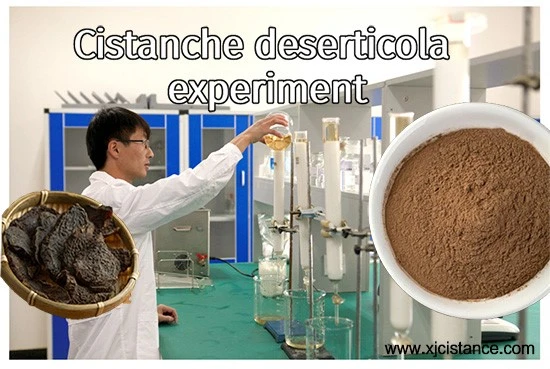
Cistanche tubulosa experiment
3. Pharmacokinetics and In Vivo Fate
3.1 Absorption and Bioavailability
Poor oral absorption is the most prominent pharmacokinetic limitation of PhGs. After oral administration of echinacoside at 100 mg/kg in rats, the time to maximum concentration was about fifteen minutes; the maximum concentration was 612.2 plus or minus 320.4 ng/mL, the half-life was approximately 74.4 minutes; the data fitted a one-compartment model; and absolute bioavailability was only about 0.83 percent. In middle cerebral artery occlusion rats given 50 mg/kg orally, plasma concentrations between five and one hundred twenty minutes ranged from 29.83 ng/mL down to below the limit of detection, indicating low overall exposure and rapid elimination. In a Parkinson model, oral administration of 20 mg/kg gave a half-life of 73.9 minutes and a maximum concentration of 403.6 plus or minus 52.3 ng/mL, compared with 121.6 minutes and 365.2 plus or minus 46.4 ng/mL in normal rats, indicating that the pathological state can alter pharmacokinetic behavior. At the cellular level, Caco-2 monolayers showed apparent permeability coefficients close to zero or on the order of ten to the minus seven cm/s, with uptake near zero at ninety minutes, implying very limited passive transcellular diffusion. One study reported that after healthy volunteers took echinacoside tablets manufactured from Echinacea extracts, unchanged echinacoside could not be identified in any plasma sample at any time point.
3.2 Metabolism by the Gut Microbiota
The gut microbiota is a key determinant of the in vivo fate of orally administered PhGs. After intragastric administration of total PhGs at 3 g/kg in rats, the relative content of echinacoside in the intestinal contents fell from 48 to 16 percent, with part of it converted to acteoside. Acteoside, decaffeoylacteoside, lugrandoside, and 3,4-dihydroxyphenylethanol were detected in feces, indicating deglycosylation and decaffeoylation as the principal metabolic routes. Because these metabolites are smaller and less polar, they are theoretically better absorbed, so that parent compound and metabolites together constitute the actual systemic exposure.
3.3 Tissue Distribution and the Prodrug Hypothesis
Review evidence suggests relatively high distribution of PhGs to liver and kidney, consistent with their roles in metabolism and excretion. More contentious is brain exposure: several studies observed clear central protective effects despite low exposure to the parent compound, producing an apparent paradox of low bioavailability with high efficacy. Three explanations are plausible: a small amount of parent compound reaching the brain may be sufficient to act on high-affinity targets; metabolites may contribute part of the systemic exposure and cross the blood-brain barrier; or indirect distal effects may arise through the gut microbiota-metabolite-immune or neural axis. No study has yet measured parent and major metabolite exposure, unbound brain concentration, and target occupancy simultaneously, so these explanations remain hypothetical and require isotope tracing and exposure-response modeling.

Cistanche tubulosa extract
Click here to view Cistanche Tubulosa Extract Natural Supplement Powder
【Ask for more】 Email:cindy.xue@wecistanche.com / WhatsApp: 0086 18599088692 / WeChat: 18599088692
3.4 Strategies to Improve Bioavailability
A rational approach is to improve stability and membrane transport rather than simply increasing the dose administered. Candidate strategies include nanoemulsions, solid lipid nanoparticles, liposomes, phospholipid complexes, cyclodextrin inclusion, aglycone or prodrug design, and enteric or colon-targeted delivery. It must be emphasized that a study that merely increases the peak area of a target compound in a chromatographic fingerprint, without measuring in vivo exposure, cannot claim to improve bioavailability; equally, demonstrating that a metabolite has antioxidant activity without in situ verification in the gut microbiota does not prove that the metabolite is the main driver of the overall effect.
Table 3. Minimum endpoints recommended for evaluating delivery strategies
|
Evaluation level |
Recommended minimum endpoints |
|
In vitro release and permeation |
Apparent permeability in Caco-2 monolayers, transepithelial electrical resistance, bidirectional transport ratio |
|
In vivo pharmacokinetics |
AUC0-t, Cmax, half-life, absolute bioavailability, brain-to-plasma concentration ratio |
|
Exposure-response |
Time-matched relationship between pharmacodynamic markers and the AUC of parent compound and major metabolites |
|
Safety |
Maximum tolerated dose, organ toxicity, hemolysis, immune and endocrine adverse events |
4. Pharmacological Activities and Mechanisms
4.1 Neuroprotection and Cognitive Improvement
4.1.1 Alzheimer disease models and the gut-brain axis
In a study published in 2025, six-month-old APP/PS1 double transgenic mice received total glycosides of C. tubulosa (GCT) orally at three doses, or donepezil as a positive control, for sixty days. Cognitive function was assessed with the Morris water maze, gut microbiota were profiled by 16S rRNA sequencing, and serum and brain metabolomes were analyzed by targeted metabolomics, allowing simultaneous quantification of 306 metabolites. The high-dose group (400 mg/kg per day) significantly shortened escape latency on day five and improved time in the target quadrant and platform crossings, while reducing soluble and insoluble amyloid beta 1-40 and 1-42 and pro-inflammatory factors in the hippocampus. Multi-omics analysis revealed that from day seven of intervention, GCT rapidly enriched beneficial taxa such as Akkermansia and suppressed the abnormal expansion of Firmicutes, leading to increased neuroprotective short-chain fatty acids such as beta-hydroxybutyrate and decreased pro-inflammatory long-chain fatty acids in both serum and brain. In vitro experiments further demonstrated that GCT directly promoted the proliferation of Akkermansia muciniphila.
The significance of this work lies in providing a testable route, the gut microbiota-fatty acid metabolism-neuroinflammation axis, through which poorly bioavailable phytochemicals may act. Its limitations are equally clear: a total glycoside fraction rather than single compounds was used, so the effect cannot be attributed to any one constituent; microbiota and metabolomic associations do not establish causal direction; six weeks of intervention cannot establish long-term disease modification; and pharmacokinetic data bridging animals to humans are lacking. Accordingly, translational effort should focus on testing causality using germ-free mice, antibiotic depletion, mono-colonization and metabolite intervention, rather than claiming that C. tubulosa can treat Alzheimer disease.
4.1.2 Parkinson disease models and neurotrophic factors
In a subacute MPTP mouse model, oral echinacoside at 30 mg/kg per day for fourteen days, started after the nigrostriatal system had already been damaged, restored nigral dopaminergic neurons, striatal fibers, dopamine content, and dopamine transporter to 134.24, 203.17, 147.25, and 154.72 percent of the values in MPTP-lesioned animals, respectively. Messenger RNA expression of glial cell line-derived neurotrophic factor (GDNF) and brain-derived neurotrophic factor (BDNF) increased 2.94- and 3.75-fold, and protein levels rose to 184.34 and 185.93 percent. Apoptosis and the increased Bax/Bcl-2 ratio were significantly prevented, and gait disorder improved markedly on days seven and fourteen. This work positioned echinacoside as an orally active, non-peptide inducer of neurotrophic factors and inhibitor of apoptosis.
Subsequent studies added anti-inflammatory and anti-pyroptotic mechanisms. In MPTP models, echinacoside inhibited microglial and astrocytic activation, downregulated IBA-1, cleaved caspase-3, and TNF-alpha, upregulated GDNF, and lowered serum TNF-alpha and interferon gamma. Another study reported protection of dopaminergic neurons through inhibition of the NLRP3/Caspase-1/IL-1beta signaling pathway. It should be noted that in some early studies the echinacoside used was obtained from other Cistanche species or the botanical source was not stated, so caution is needed when transferring those conclusions to C. tubulosa.

Chinese herb cistanche-Anti Parkinsons disease
4.1.3 Cerebral ischemia, vascular dementia and direct target identification
At the target level, a research group at Peking University used echinacoside as a molecular probe for target fishing and identified the catalytic alpha-prime subunit of casein kinase 2 (CK2 alpha-prime) as the direct target protein underlying its protection against ischemic neuronal injury. Mechanistically, echinacoside specifically modifies lysine 171 of CK2 alpha-prime, induces a conformational change, activates Wnt signaling, and promotes mitochondrial fusion in a manner independent of the conventional kinase activity of CK2, thereby attenuating cerebral ischemia-reperfusion injury. This work also provides a new target for drug discovery in ischemic stroke and vascular dementia.
In terms of translation, Congrong Zonggan capsules, whose principal active fraction is Cistanche PhGs, were approved in 2005 for mild to moderate vascular dementia, and echinacoside as a class 1 new drug received clinical trial approval in 2017 and has completed a phase I trial according to public reports. These developments indicate that C. tubulosa PhGs have moved from traditional crude drug toward modern drug development, although phase II and III evidence is still required to define their therapeutic positioning.
4.1.4 Antidepressant-like activity, learning and memory
Daily intragastric administration of Cistanche decoction for twenty-one days significantly reduced immobility time in the tail suspension test and improved spatial learning and memory in the Morris water maze in restraint-stressed mice, accompanied by downregulated brain monoamine oxidase activity, increased brain dopamine concentration, and reduced serum corticosterone. The same study quantified echinacoside and verbascoside in both the powders and the decoctions of C. tubulosa, providing basic data for dose-composition correspondence.

4.2 Anti-aging, Antioxidant and Mitochondrial Protection
In Caenorhabditis elegans, echinacoside extended the lifespan of wild-type worms and increased tolerance to heat shock and oxidative stress without affecting pharyngeal pumping rate or progeny production, indicating that the longevity effect is not a consequence of dietary restriction or reproductive suppression. Mechanistically, echinacoside increased daf-16 transcript levels and modulated the nuclear localization and transcriptional activity of daf-16, thereby fine-tuning the expression of its target genes. daf-16 is the nematode ortholog of the forkhead transcription factor FOXO, a downstream effector of the insulin/IGF-1 signaling pathway that is highly conserved from worms to mammals in the regulation of lifespan and stress responses.
In mammalian models, the antioxidant effects of PhGs are manifested mainly as increased superoxide dismutase and glutathione peroxidase activity together with reduced malondialdehyde and reactive oxygen species, with upstream regulation involving the Nrf2/HO-1 pathway. In ethanol-induced liver injury, echinacoside attenuated oxidative stress and hepatocyte apoptosis by enhancing Nrf2 activity. At the mitochondrial level, in addition to the CK2 alpha-prime/Wnt-mediated promotion of mitochondrial fusion described above, recent work suggests that echinacoside improves mitochondrial function and cellular homeostasis in aged oocytes through the GJA1/SIRT1 pathway. Overall, anti-aging evidence is relatively complete in model organisms but remains based on surrogate endpoints in mammals.

Benefits of Cistanche tubulosa: inhibits tyrosinase expression
4.3 Anti-osteoporotic Activity and Bone Formation
In vitro, echinacoside isolated from the stems of C. tubulosa enhanced bone regeneration in MC3T3-E1 osteoblastic cells. In vivo, ovariectomized rats received oral echinacoside at 30, 90, or 270 mg/kg per day for twelve weeks. All dose groups significantly reversed the ovariectomy-induced increase in body weight and serum hydroxyproline and the decrease in uterine wet weight and bone mineral density, and completely corrected the increased urinary excretion of calcium, inorganic phosphorus, and hydroxyproline. Micro-computed tomography of the distal femur showed notably improved bone quality, and total femoral bone mineral density and tibial biomechanical strength were significantly increased after twelve weeks. Histological findings indicated both promotion of bone formation and suppression of bone resorption, and immunohistochemistry showed enhanced uterine estrogen receptor expression. On this basis, echinacoside was proposed as a new class of phytoestrogen with potential for managing postmenopausal osteoporosis caused by estrogen deficiency. It should be noted that upregulated uterine estrogen receptor expression also warrants attention to potential long-term endometrial effects.
4.4 Regulation of Glucose and Lipid Metabolism
In a type 2 diabetes model induced by a high-fat, high-sucrose diet combined with streptozotocin at 30 mg/kg, total glycosides of C. tubulosa (TGCT) were given orally at 50, 100, or 200 mg/kg per day, or metformin at 200 mg/kg, for six weeks. At 200 mg/kg per day, TGCT reversed body weight loss by 11.1 percent and reduced fasting plasma glucose by 56.4 percent and glycated hemoglobin by 37.4 percent. Glycogen content increased by 40.8 percent in the liver and 52.6 percent in muscle, and oral glucose tolerance, the area under the glucose curve, and insulin sensitivity improved. Serum lipid profiles, antioxidant enzyme activities, and inflammatory markers improved in parallel, and pancreatic histology was better preserved. Mechanistically, changes in the phosphorylation of protein kinase B and glycogen synthase kinase 3 beta and in the activities of hexokinase and pyruvate kinase were detected, suggesting involvement of PI3K/Akt and GSK3 beta-related glycogen metabolism, with antioxidant and anti-inflammatory actions as a common basis.
Because TGCT contained 500.19 mg/g echinacoside, 141.82 mg/g isoacteoside, and 19.13 mg/g verbascoside, it is reasonable to regard the total glycosides as the main source of chemical exposure, but the entire effect cannot be attributed to echinacoside, and the contribution of isoacteoside should not be overlooked. Moreover, metabolic improvement in a diabetic model represents metabolic regulation rather than demonstrated clinical glucose-lowering efficacy.
4.5 Reproductive and Endocrine Modulation

Effects of cistanche-improve kidney function
In a mouse model of reproductive injury induced by hydrocortisone, phenylethanol glycosides of C. tubulosa (CPhGs) were given intragastrically at 72, 145, or 289 mg/kg for fourteen days, with testosterone propionate as a positive control. The low dose of 72 mg/kg produced no significant protection, whereas 145 mg/kg improved the impaired reproductive capacity and the decreased luteinizing hormone and testosterone levels. The high dose of 289 mg/kg was most effective: it improved body weight, shortened the incubation period of erection, capture, and ejaculation, increased the number of captures and ejaculations, increased the weights of the testis, epididymis, seminal vesicle, and penis, and upregulated serum luteinizing hormone and testosterone together with testicular steroidogenic acute regulatory protein (StAR), cholesterol side-chain cleavage enzyme (CYP11A1), and 3 beta-hydroxysteroid dehydrogenase (3 beta-HSD). These findings support the conclusion that CPhGs promote testicular steroidogenesis through the CYP450-3 beta-HSD pathway and thereby improve male reproductive function.
With respect to the growth hormone axis, echinacoside, tubuloside A and acteoside were detected in an aqueous extract of C. tubulosa and tested in rat pituitary cells. Echinacoside at concentrations above ten to the minus six molar significantly stimulated growth hormone secretion, with dose dependence observed over the range ten to the minus eight to ten to the minus five molar at both fifteen and thirty minutes. The effect was inhibited by [D-Arg1, D-Phe5, D-Trp7,9, Leu11]-substance P, an inverse agonist of the growth hormone secretagogue receptor GHS-R1a, and molecular docking indicated that all three PhGs could enter the GHS-R binding pocket, with echinacoside binding slightly more favorably. This provides a testable mechanistic starting point for traditional claims of anti-aging and physical strengthening, but the evidence remains at the cellular level: no data on GH or IGF-1 changes in intact animals or humans were provided, and the findings cannot be extrapolated to anti-fatigue effects or improved exercise performance.
4.6 Hepatoprotection
Echinacoside has shown protective effects in several chemical and drug-induced liver injury models. In ethanol-induced injury, oral doses of 10, 30, or 60 mg/kg per day for ten days alleviated oxidative stress and hepatocyte apoptosis by enhancing Nrf2 activity, and another report showed that at 50 or 100 micromolar in vitro and 100 mg/kg per day in vivo, it attenuated oxidative stress and hepatic steatosis by modulating the SREBP-1c/FASN pathway via PPAR-alpha. In acetaminophen hepatotoxicity, oral doses of 25, 50, or 100 mg/kg per day for seven days attenuated oxidative stress, suppressed pro-inflammatory cytokine expression, and reduced cytochrome P450 2E1 protein expression. In the D-galactosamine/lipopolysaccharide model, doses of 25 and 100 mg/kg lowered serum AST and ALT and reduced hepatocyte sensitivity to TNF-alpha. In addition, protection at 20 mg/kg per day for seven days was shown to depend on inhibition of the TLR4/NF-kappaB pathway.
In chronic liver disease, echinacoside blocked TGF-beta1/Smad signaling and inhibited hepatic stellate cell activation, indicating anti-fibrotic potential, and in hepatitis B transgenic mice, a dose of 50 mg/kg inhibited HBsAg and HBeAg expression and reduced serum HBV DNA without significantly affecting hepatic HBV DNA. It should be noted that most hepatoprotection studies used isolated echinacoside and some did not specify the plant source, so they are best regarded as supporting mechanistic evidence for C. tubulosa PhGs.
4.7 Nephroprotection
In db/db diabetic nephropathy mice, echinacoside improved hyperglycemia and 24-hour urinary protein, and attenuated collagen deposition, mesangial cell and matrix proliferation, basement membrane thickening, and podocyte loss. At the molecular level, it downregulated TGF-beta1/Smad, fibronectin, collagen IV, and alpha-smooth muscle actin while upregulating E-cadherin, indicating suppression of epithelial-mesenchymal transition. These findings support the candidate mechanism of echinacoside acting through TGF-beta1/Smad to limit EMT and fibrosis in diabetic nephropathy, but the available abstracts did not provide the dose, treatment duration, or precise magnitude of change in the protein markers, so the results cannot be placed on the same dosage footing as the total glycoside diabetes study described above. Future work should measure renal exposure to the parent compound and its metabolites under both single and repeated dosing to determine whether nephroprotection is mediated by the parent compound, by metabolites, or by both.
4.8 Anti-inflammatory and Immunomodulatory Effects

Desert ginseng-Improve immunity
In immunomodulation assays, total glycosides of C. tubulosa applied to RAW264.7 macrophages at 75, 100, or 125 g/L increased cell viability and the levels of nitric oxide, iNOS, TNF-alpha, and IL-6, with 100 g/L being optimal. In an animal experiment using tablets also containing Angelica sinensis and Astragalus, doses of 0.4 and 1.2 g/kg per day promoted lymphocyte proliferation, delayed-type hypersensitivity, antibody production, and carbon particle clearance. Several limitations should be recognized: in vitro concentrations expressed in g/L cannot be converted directly into mg/kg doses in animals; the tablets were a composite formulation, so the effects cannot be attributed solely to C. tubulosa total glycosides; and the animals were normal mice, so the results cannot be extrapolated to clinical immune recovery in immunocompromised patients.
With respect to inflammation, PhGs inhibited the activation of NF-kappaB and activator protein-1 and reduced inducible nitric oxide synthase expression. In a spinal cord injury model, echinacoside improved Basso-Beattie-Bresnahan locomotor scores, reduced neuronal loss, and improved tissue architecture, while markedly inhibiting NLRP3 inflammasome activation. In BV-2 microglia stimulated with lipopolysaccharide and ATP, it reduced reactive oxygen species, improved mitochondrial membrane potential, blocked NF-kappaB activation, and inhibited NLRP3 inflammasome signaling, effects that were partly governed by suppression of reactive oxygen species generation and NF-kappaB activation.
4.9 Laxative Effect and Gut Microbiota Regulation
Moistening the intestine to relieve constipation is a traditional indication of Cistanche, and modern studies have begun to provide mechanistic support. In a slow transit constipation rat model, an aqueous extract of Cistanche herb increased the protein and mRNA expression of c-kit in the colon, enhanced labeling of interstitial cells of Cajal (ICC), and regulated the level of stem cell factor, the ligand of c-kit, suggesting improved ICC function and enhanced colonic motility through a signaling pathway involving SCF, c-kit, and PI3K. In terms of microbiota, C. tubulosa extract increased Weissella and Bacteroides, decreased Ruminococcus and Deinococcus, and reversed disordered concentrations of acetic and caproic acid toward normal levels. Short-chain fatty acids, as important mediators of colonic motility and mucosal health, corroborate the metabolomic findings in the Alzheimer model described above.
It must be recognized that no human study has yet used C. tubulosa PhGs alone while simultaneously measuring intestinal transit time, stool characteristics, gut microbiota and short-chain fatty acids. The laxative indication therefore remains a traditional use record and a direction for formulation development, and cannot be listed as an established human indication.
4.10 Anti-fatigue Activity and Exercise Endurance
In a loaded swimming test, a C. tubulosa formula tea administered at 4.50 g/kg significantly prolonged the loaded swimming time of mice, increased hepatic glycogen reserves, and reduced post-exercise blood urea levels. The mechanism is presumed to involve increased glycogen reserves, accelerated clearance of metabolic products, and reduced oxidative stress, with possible participation of the growth hormone axis. Existing Chinese-language studies in this area have mostly used compound or formulated products, and dose-response data for single compounds and standardized total glycosides remain insufficient. As of the search date, no confirmable randomized, double-blind human trial of C. tubulosa extract alone for anti-fatigue has been identified.
Effects of cistanche-anti fatigue
4.11 Cardiovascular Protection, Antitumor Activity and Other Directions
In a rat myocardial infarction model induced by ligation of the left anterior descending coronary artery, oral echinacoside at 50 or 100 mg/kg per day for twenty-eight days reduced infarct size in a dose-responsive manner (15 percent in the high-dose group versus 38 percent in infarct controls, p less than 0.001) and improved left ventricular ejection fraction (64.7 percent versus 40.3 percent, p less than 0.05). Proteomic profiling identified 1105 differentially expressed proteins; echinacoside reversed the infarction-induced upregulation of collagen type I alpha 1 and alpha-smooth muscle actin, normalized macrophage polarization markers, and reduced TNF-alpha, IL-6, and other inflammatory factors, with effects correlated with suppression of PI3K/AKT phosphorylation and partly reversed by the PI3K agonist 740 YP. Molecular docking, molecular dynamics simulation, pull-down assays, and surface plasmon resonance confirmed direct binding of echinacoside to Mrc1.
In oncology, reviews have summarized evidence that echinacoside inhibits tumor cell proliferation, invasion, and metastasis through PI3K/AKT and TGF-beta1/Smad signaling, but the underlying studies are mainly cellular and animal experiments with a limited level of evidence. Scattered suggestive reports exist for protection against skin photoaging, but these are insufficient for quantitative conclusions.
Table 4. Summary of major pharmacological activities and mechanisms of Cistanche tubulosa PhGs
|
Activity |
Model |
Dose and duration |
Main findings |
Mechanism or key point |
|
Cognitive improvement |
APP/PS1 mice |
GCT orally for 60 days; high dose 400 mg/kg per day |
Improved water maze performance; reduced hippocampal amyloid beta 1-40 and 1-42 |
Gut microbiota-fatty acid metabolism-neuroinflammation axis |
|
Anti-Parkinson effect |
Subacute MPTP mice |
Echinacoside 30 mg/kg per day for 14 days |
Recovery of dopaminergic neurons, dopamine, and dopamine transporter; improved gait |
Upregulation of GDNF and BDNF; inhibition of apoptosis and neuroinflammation |
|
Anti-cerebral ischemia |
MCAO reperfusion model |
Target and mechanism study |
Improved neurological scores |
Modification of CK2 alpha-prime Lys171; Wnt activation; mitochondrial fusion |
|
Anti-aging |
Wild-type C. elegans |
Supplementation in culture medium |
Extended lifespan; increased heat and oxidative stress tolerance |
Regulation of daf-16/FOXO transcription and nuclear localization |
|
Anti-osteoporosis |
Ovariectomized rats |
30, 90, 270 mg/kg per day for 12 weeks |
Improved bone mineral density, microarchitecture and biomechanical strength |
Phytoestrogen-like action; increased formation and reduced resorption |
|
Glucose and lipid regulation |
Diet plus streptozotocin diabetic rats |
TGCT 50, 100, 200 mg/kg per day for 6 weeks |
Fasting glucose reduced by 56.4 percent; HbA1c by 37.4 percent; glycogen increased |
Antioxidant and anti-inflammatory; PI3K/Akt and GSK3 beta-related glycogen metabolism |
|
Reproductive improvement |
Hydrocortisone-treated mice |
CPhGs 72, 145, 289 mg/kg for 14 days |
Improved sexual behavior and accessory organ weights; increased testosterone |
Upregulation of StAR, CYP11A1 and 3 beta-HSD |
|
Growth hormone secretion |
Rat pituitary cells |
Echinacoside 10-8 to 10-5 molar |
Dose-dependent increase in GH secretion; effective from about 10-6 molar |
GHS-R1a receptor; blocked by an inverse agonist |
|
Hepatoprotection |
Ethanol, acetaminophen and other models |
10-100 mg/kg per day for 7-10 days |
Reduced ALT, AST and malondialdehyde; restored SOD and glutathione |
Nrf2/HO-1; TLR4/NF-kappaB; CYP2E1 suppression |
|
Nephroprotection |
db/db diabetic nephropathy mice |
Dose not clearly reported |
Reduced proteinuria and collagen deposition; podocyte protection |
Inhibition of TGF-beta1/Smad and epithelial-mesenchymal transition |
|
Anti-inflammatory and immune |
RAW264.7, BV-2, normal mice |
In vitro 75-125 g/L; in vivo 0.4 and 1.2 g/kg |
Macrophage activation; improved immune indices |
Inhibition of NLRP3 inflammasome and NF-kappaB |
|
Laxative effect |
Slow transit constipation rats |
Aqueous extract intragastrically |
Improved c-kit and ICC function; enhanced colonic motility |
SCF/c-kit/PI3K pathway |
|
Anti-fatigue |
Mouse loaded swimming test |
Formula tea 4.50 g/kg |
Prolonged swimming time; increased hepatic glycogen; reduced blood urea |
Glycogen reserves and metabolite clearance |
|
Cardiovascular protection |
Rat myocardial infarction model |
50, 100 mg/kg per day for 28 days |
Infarct size 15 versus 38 percent; ejection fraction 64.7 versus 40.3 percent |
Modulation of macrophage polarization and collagen deposition; PI3K/Akt involvement |
5. Toxicology and Safety
The most systematic safety data currently available come from the C. tubulosa extract product Memoregain. For genotoxicity, the Ames test showed no increase in revertant colonies up to 5 mg per plate using five strains of Salmonella typhimurium; no increase in chromosomal aberrations was seen in Chinese hamster ovary (CHO-K1) cells up to 2.5 mg/mL; and no increase in micronuclei was observed in the bone marrow of ICR mice up to 500 mg/kg. For repeated-dose toxicity, rats received oral doses of 0, 0.15, 0.3, and 0.5 g/kg per day for twenty-eight days, and no observable adverse effects were found, giving a no-observed-adverse-effect level greater than 500 mg/kg per day. Domestic studies have also reported that C. tubulosa PhG extracts at 0.5 to 2.0 g/kg showed no mutagenicity or genotoxicity.
Table 5. Toxicological evaluation of Cistanche tubulosa extracts
|
Test |
Conditions and results |
|
Ames test |
Five Salmonella typhimurium strains; no increase in mutagenicity up to 5 mg per plate |
|
CHO-K1 chromosomal aberration |
No increase in chromosomal aberrations up to 2.5 mg/mL |
|
Mouse bone marrow micronucleus |
No increase in micronuclei up to 500 mg/kg |
|
28-day repeated-dose toxicity |
0, 0.15, 0.3 and 0.5 g/kg per day in rats; no observable adverse effects |
|
Conclusion |
NOAEL greater than 500 mg/kg per day |
|
Supplementary domestic data |
PhG extracts at 0.5 to 2.0 g/kg showed no mutagenicity or genotoxicity |
These results provide a usable starting point for the safety of a specific extract under short-term repeated dosing, but they cannot be extrapolated to all C. tubulosa extracts. Different extraction processes and constituent ratios, different host plants, and the presence of heavy metals, pesticide residues, mycotoxins, or residual solvents may all alter the toxicological profile. For pregnant women, children, patients with autoimmune disease, individuals receiving hormonal or anticoagulant therapy, and people with hepatic or renal impairment, the above animal data cannot be used to waive risk. Data on long-term (ninety days or more) repeated-dose toxicity, reproductive and developmental toxicity, endocrine and immune adverse events, long-term disturbance of the gut microbiota, and drug-drug interactions are still lacking.
6. Quality Control and Analytical Standards
In terms of official standards, the Chinese Pharmacopoeia uses echinacoside and verbascoside as marker compounds for Cistanches Herba, determined by high-performance liquid chromatography with detection at 330 nm, with the number of theoretical plates calculated on the echinacoside peak required to be not fewer than 3000. Calculated on a dried basis, the combined content of the two compounds must be not less than 0.30 percent for C. deserticola and not less than 1.5 percent for C. tubulosa. This limit is a quality floor for excluding inferior or adulterated material, not a guide to the optimal therapeutic dose.
At the methodological level, HPLC-DAD is the routine tool for quantifying the major constituents, while UPLC-Q-TOF-MS and other high-resolution mass spectrometric methods are used for multi-component characterization and identification of unknown peaks. For example, a spectrum-effect relationship study used a Vanquish Horizon ultra-high-performance liquid chromatography system with an ACQUITY UPLC BEH C18 column, gradient elution with 0.1 percent phosphoric acid and acetonitrile at 0.3 mL/min, and detection at 238 nm to compare geniposidic acid, echinacoside, verbascoside, tubuloside A, and isoacteoside among crude drug, aqueous extract, and residue of C. tubulosa. Partial least squares regression, bivariate correlation analysis, and redundancy analysis were used to establish spectrum-effect relationships, and network pharmacology predicted 159 target genes shared by the active constituents and antioxidant-related diseases.
Table 6. Recommended tiers and methods for quality control
|
Objective |
Recommended method |
|
Major constituent content |
HPLC-DAD for echinacoside and verbascoside; UPLC-MS/MS where necessary |
|
Multi-component and unknown peaks |
LC-MS/MS and high-resolution mass spectrometry |
|
Botanical identification and adulteration |
DNA barcoding combined with morphological and chemical fingerprinting |
|
Batch-to-batch fingerprint consistency |
Principal component analysis, OPLS-DA and control of key peak ratios |
|
Safety-related impurities |
Heavy metals, pesticide residues, mycotoxins, residual solvents and oxidation products |
Quality control based only on echinacoside and verbascoside may miss tubuloside A, isoacteoside, 2-prime-acetylacteoside and processing-related degradation products, and cannot detect compositional shifts caused by different germplasm or by residue enrichment. For dose conversion, taking an extract containing 500 mg/g echinacoside as an example, a daily intake of 200 mg extract corresponds to approximately 100 mg echinacoside; if the product also contains other PhGs, 100 mg echinacoside cannot be equated with 200 mg of total glycosides.
7. Clinical Studies and Translational Development
The highest-quality human evidence currently available is a randomized, double-blind, placebo-controlled trial of a combined Cistanche tubulosa and Ginkgo biloba extract (CG). The trial enrolled 100 Chinese middle-aged and elderly participants for ninety days, with two tablets daily, each pair containing 72 mg echinacoside and 27 mg flavonol glycosides. In the CG group, Mini-Mental State Examination scores rose from 26.5 at baseline to 27.1 at day ninety, Montreal Cognitive Assessment scores from 23.4 to 25.3, and World Health Organization Quality of Life scores from 81.6 to 84.2, all with p less than 0.001 and all superior to placebo. The Cognitrax matrix test and the Wechsler Memory Scale-Revised showed improved memory functions, including long-term and delayed memory. Among blood biomarkers, total tau, pT181, pS199, pT231, pS396, and thyroid-stimulating hormone decreased significantly, while triiodothyronine and free triiodothyronine increased significantly. No treatment-related adverse events were reported, and routine blood and urine tests remained stable.
The significance of this trial is that it is the first randomized, double-blind study to suggest a cognitive benefit of C. tubulosa extract in humans. Its limitations are equally clear: the intervention was a combination containing Ginkgo biloba, so the effect cannot be attributed solely to C. tubulosa PhGs; the sample size and ninety-day duration are insufficient to judge long-term disease modification; and improvement on cognitive scales is still distant from clinical endpoints such as Alzheimer disease. In addition, as of the search date, no confirmable double-blind randomized trial of C. tubulosa extract alone for memory or fatigue has been identified.

Cistanche tubulosa extract
Table 7. Current status of human evidence and data still required
|
Evidence item |
Current conclusion |
Data still required |
|
RCT of C. tubulosa alone for memory |
No confirmable double-blind randomized trial identified |
Trial registration, sample size calculation, statistical analysis plan |
|
RCT of C. tubulosa alone for fatigue |
No confirmable double-blind randomized trial identified |
Exercise protocol; objective endpoints such as lactate and glycogen |
|
CG combination cognition trial |
100 participants, 90 days; significant MoCA and MMSE improvement |
Longer duration, independent replication, single-agent comparison |
|
Memoregain human trials |
No complete clinical report obtained |
Protocol, CONSORT flow diagram, adverse event data |
|
New drug development |
Congrong Zonggan capsules marketed; echinacoside completed phase I |
Phase II and III efficacy and safety data |
In terms of products and new drug development, Congrong Zonggan capsules, whose principal active fraction is Cistanche PhGs, were approved in 2005 for mild to moderate vascular dementia; echinacoside as a class 1 new drug received clinical trial approval in 2017 and has completed phase I studies; and dietary supplement products such as Memoregain are marketed outside mainland China. It should be emphasized that health foods, drugs, and dietary supplements fall under different regulatory frameworks, and function claims lacking verifiable records from national drug or health authorities or from clinical trial registries should not be treated as approved indications.
8. Conclusions and Perspectives
Taken together, the pharmacological research on C. tubulosa PhGs has formed a reasonably clear picture. Chemically, the dominance of echinacoside and the magnitude of content variation are now well established, but the conversion chain from crude drug to extract to dose to exposure has not yet been standardized. Pharmacodynamically, evidence is relatively substantial for cognitive improvement, protection against Parkinson-like injury, anti-cerebral ischemia, anti-aging, anti-osteoporosis, glucolipid metabolic regulation, reproductive improvement, hepatoprotection, and anti-inflammatory activity, whereas antitumor activity and protection against skin photoaging remain at the suggestive stage. Mechanistically, the Nrf2/HO-1, TGF-beta1/Smad, NLRP3 inflammasome, CK2 alpha-prime/Wnt mitochondrial fusion, daf-16/FOXO, GHS-R1a, StAR/CYP11A1/3 beta-HSD and gut microbiota-short-chain fatty acid axes have been investigated most thoroughly.
At the same time, three bottlenecks continue to limit the translation of these findings from demonstrable activity to approvable drugs and defensible claims. The first is unclear bioavailability and metabolic attribution: exposure to the parent compound is extremely low and gut microbial transformation is complex, so direct exposure-response evidence is lacking as to whether efficacy is mediated by the parent compound, by metabolites, or by remodeling of host metabolism. The second is a broken chemical-exposure-effect chain: constituent quantification, pharmacokinetic sampling, tissue distribution, and efficacy endpoints are often dispersed across separate studies, and inconsistent dose reporting makes comparison and pooling difficult. The third is insufficient human evidence: only one randomized controlled trial of a combination product exists, and long-term safety and risks in special populations remain undefined.
On this basis, five priorities are recommended for the next stage of research.
Establish a cross-laboratory comparable chemical and exposure database: cover samples from different hosts, production areas, harvest times, processing methods and batches, quantify echinacoside, verbascoside, isoacteoside and tubuloside A with harmonized HPLC-DAD/LC-MS/MS methods, and report limits of detection and quantification, recovery, relative standard deviation and content on a dry-weight basis.
Harmonize dose reporting: report doses simultaneously as mg total glycosides per kg and mg echinacoside per kg, with the batch chemical fingerprint attached, so that extract specification never substitutes for exposure.
Test the gut microbiota-metabolite-brain hypothesis with causal in vivo experiments: design studies using antibiotic depletion, mono-colonization or defined microbial communities, paired dosing of parent compound and major metabolites, and isotope tracing, combined with blood-brain barrier permeability and unbound brain concentration to build exposure-response models.
Link formulation research to clinically measurable endpoints: systematically compare nanoemulsions, solid lipid nanoparticles, phospholipid complexes, and other strategies in terms of physicochemical stability, Caco-2 permeation, gut microbial transformation, rat pharmacokinetics, brain exposure, immunotoxicity, and long-term repeated-dose toxicity.
Advance rigorous clinical studies and long-term safety evaluation: prioritize exploratory trials in people with impaired glucose tolerance and mild cognitive impairment, with primary endpoints driven by regulatory or clinical outcomes, and in parallel add ninety-day or longer repeated-dose toxicity, reproductive and developmental toxicity, endocrine and immune adverse events, and drug interaction studies.
In summary, the most translatable evidence for C. tubulosa PhGs centers on standardized total glycosides, the gut-brain axis in Alzheimer-related pathology, glucolipid metabolic regulation, reproductive steroidogenesis and hepatoprotection, and the pharmacological narrative has clearly run ahead of the human evidence. The appropriate goal at this stage is not to claim that these constituents can treat Alzheimer disease, diabetes, kidney disease, osteoporosis or sexual dysfunction, but rather to transform a traditional medicinal plant into a reproducible, dose-definable product candidate with an assessable benefit-risk profile, through strict botanical control, quantitative chemical fingerprints, a closed pharmacokinetic-metabolic loop, causal mechanistic validation and well-designed randomized controlled trials.
References
[1] Hou R, Song W, Nan Y, Gong Y, Liu J, Liu J. Cistanche tubulosa glycosides ameliorate cognitive decline in APP/PS1 mice via modulation of gut microbiota and fatty acid metabolism: insights from multi-omics and experimental validation. Frontiers in Pharmacology, 2025, 16: 1662336. DOI: 10.3389/fphar.2025.1662336.
[2] Zhao Q, Gao J, Li W, Cai D. Neurotrophic and neurorescue effects of echinacoside in the subacute MPTP mouse model of Parkinson disease. Brain Research, 2010. PMID: 20478277.
[3] Zeng K, Wang J, Wang L, et al. Small molecule induces mitochondrial fusion for neuroprotection via targeting CK2 without affecting its conventional kinase activity. Signal Transduction and Targeted Therapy, 2021. DOI: 10.1038/s41392-020-00447-6.
[4] Zhu K, Meng Z, Tian Y, et al. Hypoglycemic and hypolipidemic effects of total glycosides of Cistanche tubulosa in diet/streptozotocin-induced diabetic rats. Journal of Ethnopharmacology, 2021.
[5] Wang Q, Dong J, Lu W, et al. Phenylethanol glycosides from Cistanche tubulosa improved reproductive dysfunction by regulating testicular steroids through the CYP450-3beta-HSD pathway. Journal of Ethnopharmacology, 2020.
[6] Li F, et al. Antiosteoporotic activity of echinacoside in ovariectomized rats. Phytomedicine, 2013. PMID: 23428402.
[7] Wu C J, Chien M Y, Lin N H, et al. Echinacoside isolated from Cistanche tubulosa putatively stimulates growth hormone secretion via activation of the ghrelin receptor. Molecules, 2019, 24(4): 720. DOI: 10.3390/molecules24040720.
[8] Wang X, Zhang J, Lu L, Zhou L. The longevity effect of echinacoside in Caenorhabditis elegans mediated through daf-16. Bioscience, Biotechnology, and Biochemistry, 2015. DOI: 10.1080/09168451.2015.1046364.
[9] Liao P L, Li C H, Tse L S, Kang J J, Cheng Y W. Safety assessment of the Cistanche tubulosa health food product Memoregain: genotoxicity and 28-day repeated dose toxicity test. Food and Chemical Toxicology, 2019.
[10] Liu J, Yang L, Dong Y, Zhang B, Ma X. Echinacoside, an inestimable natural product in treatment of neurological and other disorders. Molecules, 2018, 23(5): 1213. DOI: 10.3390/molecules23051213.
[11] Wang W, Jiang S, Zhao Y, Zhu G. Echinacoside: a promising active natural product and pharmacological agent. Pharmacological Research, 2023, 197: 106951. DOI: 10.1016/j.phrs.2023.106951.
[12] Liu X T. A novel strategy for screening active components in Cistanche tubulosa based on spectrum-effect relationship analysis and network pharmacology. 2023. DOI: 10.1155/2023/9030015.
[13] Wang D, Wang H, Gu L. The antidepressant and cognitive improvement activities of the traditional Chinese herb Cistanche. Evidence-Based Complementary and Alternative Medicine, 2017, 2017: 3925903. DOI: 10.1155/2017/3925903.
[14] Chen et al. A randomized, double-blind, placebo-controlled study of Cistanche tubulosa and Ginkgo biloba extracts for the improvement of cognitive function in middle-aged and elderly people. Phytotherapy Research, 2024. DOI: 10.1002/ptr.8275. PMID: 38972848.
[15] Ameliorative effects of echinacoside against spinal cord injury via inhibiting NLRP3 inflammasome signaling pathway. Life Sciences, 2019, 116978. DOI: 10.1016/j.lfs.2019.116978.
[16] Echinacoside protects dopaminergic neurons by inhibiting the NLRP3/Caspase-1/IL-1beta signaling pathway in an MPTP-induced Parkinson disease model. Brain Research Bulletin, 2020, 164: 55-64. DOI: 10.1016/j.brainresbull.2020.08.015.
[17] Echinacoside attenuates post-infarction cardiac remodeling by regulating macrophage polarization and collagen deposition. Phytomedicine, 2025.
[18] Chinese Pharmacopoeia Commission. Pharmacopoeia of the People's Republic of China, Volume 1, 2020 edition. Beijing: China Medical Science Press, 2020.
[19] Jiang X, Feng C, Wang L, et al. Advances in the extraction, isolation, chemical structures, and pharmacological activities of phenylethanoid glycosides in Cistanche. Modern Chinese Medicine, 2026. DOI: 10.13313/j.issn.1673-4890.20260107001.
[20] Study on the medicinal component contents and single-plant dry weight of Cistanche tubulosa germplasm. Journal of China Agricultural University, 2017. (in Chinese)
[21] Luo Z, et al. Immunomodulatory effects of total glycosides from Cistanche tubulosa on RAW264.7 cells and in normal mice. Science and Technology of Food Industry. DOI: 10.13386/j.issn1002-0306.2019110203. (in Chinese)
[22] Extraction technology and anti-fatigue activity of Cistanche tubulosa formula tea. (in Chinese)
[23] Roles of Chinese medicine and gut microbiota in chronic constipation. Evidence-Based Complementary and Alternative Medicine, 2019. PMCID: PMC6556327.