Progress in Study Of Oxidative Stress And Kidney - Tonifying Chinese Herbs in Parkinson's Disease
Mar 13, 2023
XU Yihui 1 ,HUANG Lufen2 ,CAI Jing 1
( 1. Academy of Integrative Medicine,Fujian University of Traditional Chinese Medicine,Fuzhou 350122,Fujian,China;
2. College of Integrative Medicine,Fujian University of Traditional Chinese Medicine,Fuzhou 350122,Fujian,China)
Abstract: Parkinson's disease ( PD) is a movement disorder and most common in elderly people,and the main pathological changes are in the substantia nigra. The studies have indicated that degeneration and lost of dopaminergic neurons of the substantia nigra are associated with many mechanisms,such as oxidative stress,cell apoptosis. In recent years, the kidney - tonifying Chinese herbs have made certain progress in the clinical treatment of Parkinson's disease. In this review,the role of oxidative stress and the kidney - tonifying Chinese herbs in PD is summarized briefly.
Key words: oxidative stress; Parkinson's disease; kidney - tonifying; Chinese herbs

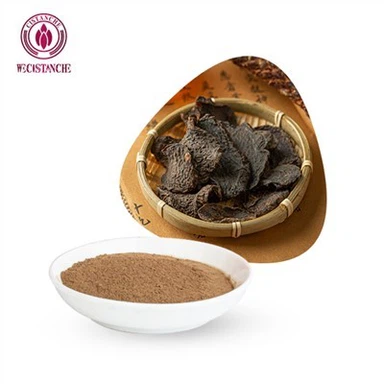
Cistanche powder health benefits
Parkinson's disease (PD), also known as "primary tremor paralysis", is Parkinson's disease. This disease is a degenerative disease of the nervous system common in the elderly. The clinical manifestations of Parkinson's disease are static tremors, muscle rigidity, motor retardation, abnormal posture and gait, and other symptoms. The main lesions are in the substantia nigra and striatum [1-2]. Its main pathological features are the progressive loss of dopaminergic neurons in the substantia nigra of the midbrain and the formation of intracellular inclusion bodies called Lewy bodies [3]. Up to now, the cause of degeneration and necrosis of substantia nigra cells is unknown.
1. Oxidative stress and Parkinson's disease
The etiology and pathogenesis of Parkinson's disease have not yet been clarified. Some people believe that the progressive loss of dopaminergic neurons in the substantia nigra is related to oxidative stress, excitotoxicity, mitochondrial dysfunction, and other mechanisms. Studies have shown that the enhanced oxidative stress response is one of the main factors leading to the apoptosis of dopaminergic neurons, and a large number of oxygen free radicals (ROS) cause oxidative damage [4]. The study found that the molecular mechanisms of neuronal damage include: ① calcium overload, a large amount of calcium influx; ② Large release of excitatory amino acids; ③ The direct effect of free radicals on nerve cells. These three aspects interact with each other. The injury of nerve cells causes apoptosis, which is related to oxidative stress. The excessive free radicals in cells cause apoptosis through intracellular signal transduction [5].
Oxygen free radicals produced by human metabolism can be eliminated by the enzyme system, thus reducing oxidative damage. The enzyme system mainly includes antioxidant enzymes such as superoxide dismutase (SOD), catalase (CAT), glutathione peroxidase (GPx-1), and antioxidant non-enzyme small molecule glutathione (GSH). In PD patients, the function of the antioxidation system and free radical scavenging system in the brain is low, the content of CAT, GSH-PX, and SOD in the substantia nigra is reduced to varying degrees, the production of free radicals is increased, and the damage of neurons is aggravated [6].
H2O2 is a component of free radicals, which is easy to release oxygen ions to form free radicals. It is used to establish an in vitro injury model of target cells, and the in vitro model is used to observe the inhibition effect of drugs on free radicals. The experimental drugs can be added in the following three forms: ① After the target cells are treated with the experimental drugs, add H2O2 culture solution; ② The experimental drug and the culture solution containing different concentrations of H2O2 were added at the same time; ③ The culture solution containing different concentrations of H2O2 is treated before adding experimental drugs. The first method is mainly to observe the preventive effect of drugs on free radical damage, and the second two methods are to observe the repair and treatment effect of experimental drugs on free radical damage [5]. Determination of concentration parameters when H2O2 injures nerve cells. Various nerve cells derived from different tissues and different generations have different sensitivities to H2O2. Therefore, the concentration of each nerve cell used in the experimental modeling is different. The MTT method is used to determine the concentration parameters of H2O2 modeling. Measure the value of OD490 with an enzyme marker and observe the activity of cells. When the value of OD490 is within 50%, it is the concentration parameter of H2O2 modeling [5].
Zhang Fang et al. [7] used hydrogen peroxide (H2O2) as the injury factor to detect the protective effect of 2,3-indolequinone (ISA) on dopaminergic cells and its mechanism. The results showed that ISA could alleviate the DA-energy MES23.5 cell injury induced by H2O2, and its mechanism was related to the reduction of [Ca2+] level.
Xu Shengli et al. [8] studied that oxidative stress-induced nuclear translocation of the C-terminal segment of a-synaptophysin in dopaminergic MES23.5 cells and treated dopaminergic neurons with 200umol/LH2O2 as a cell model of oxidative stress. Immunofluorescence, sulfur S histochemical staining, and immunoblotting were used to detect the expression status and subcellular localization of a-Synuclein in the oxidative stress response of cells. The results showed that oxidative stress could induce the translocation of about 10 kD fragments at the C-terminal of a-synaptophysin in dopaminergic MES23.5 neurons.

Chinese herb cistanche—Tonifying kidney
2. Protective effect of kidney tonifying herbs on nervous system diseases
According to the theory of integral regulation of traditional Chinese medicine, the "kidney stores essence, dominates bone and generates marrow", and the "brain is the sea of marrow". The rise and fall of the essence of the kidney affect the profit and loss of the brain marrow and the normal functioning of the brain. Therefore, tonifying the kidney and filling the marrow is an important therapeutic principle for treating central nervous system diseases.
Lu Zhengyu et al. [1] studied the effect of the prescription for tonifying the kidney, nourishing the liver, and suppressing the wind on the antioxidant enzymes and cell apoptosis in the striatum of mice with Parkinson's disease, and found that the prescription for tonifying the kidney, nourishing the liver and suppressing the wind can increase the levels of CAT, GSH-PX, and SOD in the striatum, reduce the apoptosis of neurons in the striatum, and improve the symptoms of Parkinson's disease.
Cai Jing et al. [9] started with estrogen receptors and studied the possible mechanism of the effect of Epimedium on the nervous system at the molecular level, and found that the kidney tonifying herb might affect the expression of estrogen receptor, regulate the transcription or expression of some key factors of estrogen receptor-positive neurons, thus regulating the moral growth and regeneration of neurons, and reduce the damage of neurons caused by various losses such as ischemia, hypoxia, and peroxidation. In modern research, there are many studies on the protective mechanism of kidney-tonifying herbs on the nervous system.
2.1 Epimedium
The effective ingredient of Epimedium to delay aging is Epimedium polysaccharide (Epimedium polysaccharide contains mannose, rhamnose, galacturonic acid, etc.) [10]. Icariin (ICA) is its characteristic component. At present, it has been reported that it has an estrogen-like effect and can also improve learning and memory impairment induced by aluminum poisoning in rats [11].
Xu Ruixia et al. [12] studied the prevention and treatment effect of ICA on vascular dementia and found that ICA can improve the learning and memory ability of VD rats induced by the 2-VO method. Its mechanism may be related to increasing SOD activity, reducing MDA production, and increasing the expression of ChAT and AchE.
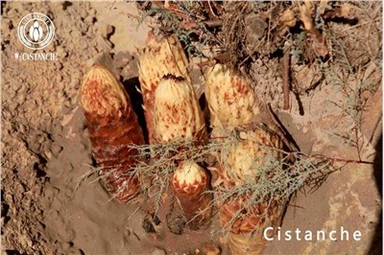
2.2 Cistanche deserticola
Traditional Chinese medicine believes that "desert ginseng" Cistanche deserticola ma has the effect of tonifying kidney yang and benefiting blood essence. It mainly treats male impotence, female infertility, blood dry constipation, and other symptoms, and has the reputation of "desert ginseng". Modern pharmacological research shows that Cistanche deserticola can inhibit the activity of monoamine oxidase B and significantly increase the content of dopamine.

Benefits of cistanche tubulosa—Treatment of Parkinson's disease
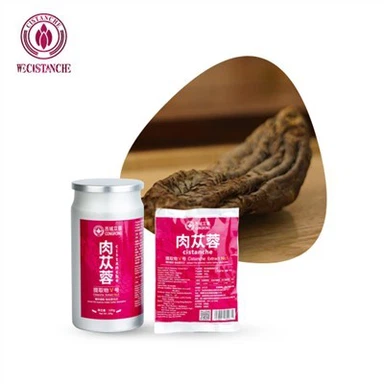
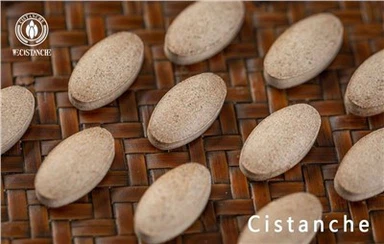
Click here to view Cistanche powder products
【Ask for more】 Email: xue122522@foxmail.com / Whats App: 0086 18599088692 / Wechat: 18599088692
Wang Hu et al. [13] studied the protective effect of Cistanche deserticola extract on the cell damage model of Parkinson's disease and observed the effects of Cistanche deserticola extract at different concentrations on the cell productivity, growth inhibition, and DNA damage-induced gene 153 and its protein expression of the model. The results showed that Cistanche extract powder had a protective effect on MPP+mediated cell damage, and its mechanism of action might be related to the expression of GADD153 mRNA and protein level. Research by TianXF et al. [14] showed that Cistanche deserticola can increase the content of various central neurotransmitters, has a strong antioxidant effect, and can also resist aging and apoptosis.

Cistanche extract powder—Tonifying kidney
2.3 Cuscuta chinensis
Cuscuta chinensis is sweet and warm. It can enter into the liver, kidney, and spleen meridians, nourish the liver and kidney, and also nourish the spleen. Its pharmacological effects include sex hormone action, anti-aging, anti-cerebral ischemia, etc.
Wang Zhijun et al. [15] studied the effect of the alcohol extract of Cuscuta chinensis on oxidative damage and complex enzyme activity of liver mitochondria in aging model mice. The results showed that the alcohol extract of Cuscuta chinensis could increase the activity of Mn-SOD and the ability to scavenge free radicals in liver mitochondria of aging model mice, reduce the content of free radical metabolites, and increase the activity of mitochondrial enzyme complex, and its effect was more significant with the prolongation of administration time. Sun Jie et al. [16] studied the antioxidant effect of the alcohol extract of Cuscuta chinensis on the brain tissue of D-galactose-induced aging rats. The rats were injected with D-galactose laterally into the abdomen. After 6 weeks, they were continuously fed with the alcohol extract of Cuscuta chinensis for 30 days. The activities of superoxide dismutase (SOD) and glutathione peroxidase (GSH-Px) in the brain tissue of rats were detected respectively; The content of malondialdehyde (MDA) in nerve cells of the cerebral cortex. The results suggested that the alcohol extract of Cuscuta chinensis could increase the activity of antioxidant enzymes in nerve cells of aging rats, reduce the content of free radical metabolites, and have a certain anti-aging effect.
2.4 Prepared Polygonum multiflorum Thunb
The prepared Polygonum multiflorum has the effects of modifying the liver and kidney, benefiting blood essence, and black hair, and strengthening muscles and bones.
Miao Mingsan et al. [17] observed the antioxidant effect of Polygonum multiflorum polysaccharides. The mouse aging model was reproduced with D-galactose. The results showed that Polygonum multiflorum polysaccharide could significantly increase the activity of SOD, CAT, and GSH-Px in the blood of D-galactose aging model mice, and reduce the level of LPO in plasma, brain homogenate, and liver homogenate. Thus, it is suggested that the polysaccharide from Polygonum multiflorum Thunb has an antioxidant effect.
Yang Xiaoyan [18] studied the effect of Polygonum multiflorum polysaccharides on learning and memory ability and brain enzyme activity in dementia model mice. The mouse dementia model was made with D2 galactose, and the polysaccharide extract of Polygonum multiflorum was given by gavage, and vitamin E, Naofuxin, and estradiol were used as positive control drugs respectively. The results showed that for the dementia model mice, the preparation of polygonum multiflorum polysaccharide could significantly improve their learning and memory ability, reduce the content of lipofuscin and the activity of monoamine oxidase in the brain, and increase the activity of superoxide dismutase and catalase in the brain and the activity of nitric oxide synthase in the hippocampus. It is suggested that the prepared polysaccharide of Polygonum multiflorum Thunb has an anti-experimental dementia effect.
2.5 Grilled tortoiseshell
Chinese herbal medicine for tonifying the kidney is salty, sweet, and smooth. It can enter into the kidney meridian, nourish yin, nourish the kidney and latent yang, nourish the kidney and bones, nourish the blood, and nourish the heart. According to traditional Chinese medicine, the kidney governs development. Kidney yin is the root of human yin fluid, which plays a role in moistening and nourishing the viscera and tissues.
Tang Xiangjiang et al. [19] observed the clinical efficacy and safety of Ziyin Xifeng Granule (composed of grilled tortoiseshell, antler cream, Cornus officinalis, Chinese yam, eucommia ulmoides olive, etc.) in the early stage of Parkinson's disease (PD). Sixty patients with early PD were randomly divided into two groups. 30 cases in the treatment group were treated with Ziyin Xifeng Granule; 30 patients in the control group were treated with media. 2 months was the first course of treatment in both groups. The results showed that the clinical efficacy of Ziyin Xifeng Granule in the treatment of early PD was equivalent to that of Medopa, and it was safe and effective.
Li Yiwei et al. [20] explored the effect of tortoiseshell, a kidney tonic medicine, on the behavior and brain dopamine level of rats with Parkinson's disease. The Parkinson's disease model was prepared by intracerebral injection of 6-hydroxydopamine. The tortoiseshell, traditional Chinese medicine for tonifying the kidney, has potential clinical application value for Parkinson's disease in rats.
2.6 Morinda officinalis
Morinda Officinalis, spicy and sweet; Mild temperature. Return to kidney, and liver channel. Nourishing the kidney and Yang, dispelling wind and dampness, strengthening tendons and bones. Fu Jia et al. [21] studied the effect of Morinda officinalis on the antioxidant system of aging mice induced by D-galactose. The experiment showed that both large and small doses of Morinda officinalis decoction could significantly increase the activity of serum SOD and GSH-Px and reduce the content of serum MDA. It suggests that Morinda officinalis can eliminate free radicals, inhibit lipid peroxidation damage and delay aging by supplementing exogenous antioxidant substances or promoting the production of endogenous antioxidant substances in the body.
Guo Chongyi et al. [22] studied the effects of Morinda officinalis with different processing methods on antioxidant and cellular immune functions in mice. The contents of SOD, MDA, and GSH-Px in the plasma of mice, lymphocyte transformation, and NK cell activity were measured respectively. The results showed that the Morinda officinalis (suntanned) group and Morinda officinalis (salted) group could increase the level of plasma superoxide dismutase (SOD) and glutathione peroxidase (GSH-Px), reduce the content of lipid peroxide (MDA), and significantly improve the lymphocyte transformation and NK cell activity compared with the control group (P<0.05~0.01). It is suggested that Morinda officinalis has antioxidant and immune functions.
3. Prospect and prospect

Superman herbs cistanche—Tonifying kidney
To sum up, Parkinson's disease is a common neurodegenerative disease. Although the cause of substantia nigra cell damage is unknown, a large number of studies suggest that oxidative stress is its possible mechanism. Many studies have shown that kidney-tonifying herbs are used to delay aging and treat nervous system diseases through anti-oxidation. Although some achievements have been made in the treatment of Parkinson's disease with kidney-tonifying herbs in recent years, the mechanism research has not been carried out in depth. We should combine the traditional Chinese medicine theory with the modern molecular biology level to further explore the mechanism of kidney tonifying Chinese medicine in treating nervous system diseases. We believe that through systematic research, with the solution to these problems and the clarification of the mechanism of action, the Chinese medicine for tonifying the kidney will make a breakthrough in the treatment of Parkinson's disease.
【Ask for more】 Email: xue122522@foxmail.com / Whats App: 0086 18599088692 / Wechat: 18599088692