Reduce Coagulation Of Hemoperfusion Device And Help HP Treatment Guide
Apr 15, 2024
Coagulation is a possible problem during hemoperfusion. The occurrence of coagulation can affect the effectiveness of treatment and even adversely affect the patient's health. Understanding the causes of coagulation and countermeasures is crucial to ensuring smooth hemoperfusion.

Click to Cistanche for kidney disease
Common causes of HP clotting
Coagulation occurs during blood perfusion, which may be caused by the following reasons:
1. Insufficient dosage of heparin: The dosage of heparin may need to be adjusted.
2. Insufficient blood flow: Ensure adequate blood flow to prevent blood from stagnating in the perfusion device.
3. The pipe is not smooth: Check whether the pipe is twisted, blocked or has bubbles.
4. Individual differences: Some patients may be more susceptible to clotting. Such as blood hypercoagulability: If the patient has blood hypercoagulability, the risk of coagulation may increase.
5. Low temperature: Too low ambient temperature may affect blood circulation and cause coagulation.
6. Increased blood viscosity: may be caused by certain diseases or physiological conditions.
7. Perfusion device material: Some perfusion device materials may increase interaction with blood and cause coagulation.
8. Improper use of anticoagulant drugs: such as incorrect dosage or incorrect administration method.
9. Patient agitation: Agitation may lead to unstable blood flow and increase the possibility of coagulation.
10. Poor blood vessel 71 conditions: such as vessel wall damage, vessel stenosis, etc.
11. Blood perfusion time is too long: Long-term perfusion may increase the chance of coagulation.
My HP is clotting, what should I do?
If hemoperfusion coagulation occurs, the following measures can be taken:
1. Stop perfusion immediately to avoid further aggravation of coagulation.
2. Notify the doctor: Let an experienced doctor conduct evaluation and treatment.
3. Monitor vital signs: closely observe blood pressure, heart rate, etc. to ensure the patient is stable.
4. Assess coagulation: Determine the extent and impact of coagulation.
5. Adjust the anticoagulation plan: such as increasing the dose of anticoagulant drugs or changing the anticoagulation method.
6. Check the tubing and perfusion device: to eliminate blockages or other problems.
7. Replace the perfusion device if necessary: ensure smooth perfusion.
8. Closely observe changes in the patient's condition: deal with possible complications in a timely manner.
9. Calm the patient's emotions: Reduce the patient's tension and anxiety.
10. Record relevant information: including the time when coagulation occurs, treatment measures, etc., to provide reference for subsequent treatment.

When dealing with hemoperfusion coagulation, be sure to strictly follow the doctor's instructions to ensure patient safety and therapeutic effects.
diluted after HP+HF
How to identify HP coagulation?
To determine whether hemoperfusion coagulation has occurred, the following methods can usually be used:
1. Observe the perfusion device: Check whether the color, transparency, etc. of the perfusion device change.
2. Monitor pressure: observe the pressure changes before and after the perfusion device.
3. Check blood color: Pay attention to whether the blood color becomes darker or blood clots appear.
4. Watch blood flow: Slowing blood flow may indicate clotting.
5. Dialysis machine indication: Determine whether there are signs of coagulation based on the parameters displayed by the instrument.
6. Check the pipeline: Check whether there is thrombosis in the pipeline.
7. Observe the patient's condition: Abnormal symptoms may be related to coagulation.
8. Listen to the sound of the blood pump: The source of abnormal sound is mainly because the pressure behind the blood pump is too high due to blood coagulation in the perfusion device. When squeezing the pump tube, it makes a "pricking" sound. Be careful of the perfusion device coagulation.
When determining whether hemoperfusion coagulation occurs, it is necessary to comprehensively consider the above aspects and take corresponding measures in a timely manner to ensure patient safety and therapeutic effect. During the entire process, the patient's vital signs and coagulation conditions are monitored and problems are discovered and dealt with in a timely manner. If clotting is suspected, a doctor or nurse should be notified immediately for treatment.

Summarize
The treatment of coagulation problems during hemoperfusion requires comprehensive consideration of multiple factors, including heparin dosage, blood flow, and tube patency. It is important to identify coagulation early and take appropriate measures as soon as possible after discovery, such as increasing the heparin dose, checking pipelines, adjusting operating parameters, etc., which can effectively reduce the occurrence of coagulation and ensure the smooth progress of hemoperfusion and patient safety. If perfusion device coagulation occurs frequently, medical device adverse event reports should be made in a timely manner.
How Does Cistanche Treat Kidney Disease?
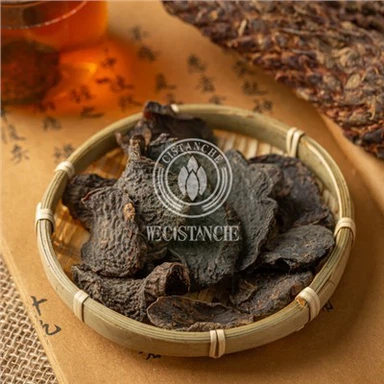
Cistanche is a traditional Chinese herbal medicine used for centuries to treat various health conditions, including kidney disease. It is derived from the dried stems of Cistanche deserticola, a plant native to the deserts of China and Mongolia. The main active components of cistanche are phenylethanoid glycosides, echinacoside, and acteoside, which have been found to have beneficial effects on kidney health.
Kidney disease, also known as renal disease, refers to a condition in which the kidneys are not functioning properly. This can result in a buildup of waste products and toxins in the body, leading to various symptoms and complications. Cistanche may help treat kidney disease ase through several mechanisms.
Firstly, cistanche has been found to have diuretic properties, meaning it can increase urine production and help eliminate waste products from the body. This can help relieve the burden on the kidneys and prevent the buildup of toxins. By promoting diuresis, cistanche may also help Reduce high blood pressure, a common complication of kidney disease.
Moreover, cistanche has been shown to have antioxidant effects. Oxidative stress, caused by an imbalance between the production of free radicals and the body's antioxidant defenses, plays a key role in the progression of kidney disease. ies help neutralize free radicals and reduce Oxidative stress, thereby protecting the kidneys from damage. The phenylethanoid glycosides found in cistanche have been particularly effective in scavenging free radicals and inhibiting lipid peroxidation.
Additionally, cistanche has been found to have anti-inflammatory effects. Inflammation is another key factor in the development and progression of kidney disease. Cistanche's anti-inflammatory properties help reduce the production of pro-inflammatory cytokines and inhibit the activation of inflammation mandatory pathways, thus alleviating inflammation in the kidneys.
Furthermore, cistanche has been shown to have immunomodulatory effects. In kidney disease, the immune system can be dysregulated, leading to excessive inflammation and tissue damage. Cistanche helps regulate the immune response by modulating the production and activity of immune cells, such as T cells and macrophages. This immune regulation helps reduce inflammation and prevent further damage to the kidneys.

Moreover, cistanche has been found to improve renal function by promoting the regeneration of renal tubes with cells. Renal tubular epithelial cells play a crucial role in the filtration and reabsorption of waste products and electrolytes. In kidney disease, these cells can be damaged, leading to damaged renal function. Cistanche's ability to promote the regeneration of these cells helps restore proper renal function and improve overall kidney health.
In addition to these direct effects on the kidneys, cistanche has been found to have beneficial effects on other organs and systems in the body. This holistic approach to health is particularly important in kidney disease, as the condition often affects multiple organs and systems. che has been shown to have protective effects on the liver, heart, and blood vessels, which are commonly affected by kidney disease. By promoting the health of these organs, cistanche helps improve overall kidney function and prevent further complications.
In conclusion, cistanche is a traditional Chinese herbal medicine used for centuries to treat kidney disease. Its active components have diuretic, antioxidant, anti-inflammatory, immunomodulatory, and regenerative effects, which help improve renal function and protect the kidneys from further damage. , cistanche has beneficial effects on other organs and systems, making it a holistic approach to treating kidney disease.