Repairing The Damage: How Cistanche Tubulosa Supports Detoxification And Tissue Recovery For Smokers And Ex-Smokers
Sep 22, 2026
Smoking is the single largest preventable cause of disease and death worldwide. It is responsible for over 8 million deaths annually, including 1.3 million from second-hand smoke exposure. The list of smoking-related diseases is long and grim: lung cancer, chronic obstructive pulmonary disease, cardiovascular disease, stroke, and cancers of the mouth, throat, esophagus, bladder, and kidneys. What makes smoking particularly insidious is that the damage accumulates silently over decades. By the time symptoms appear-shortness of breath, chronic cough, chest pain-significant and sometimes irreversible damage has already occurred. For the 1.3 billion smokers worldwide, and for the millions who have quit, the question is not just how to stop but how to support the body's recovery from the toxic legacy of tobacco. Cistanche tubulosa, through its active ingredients echinacoside and acteoside, is being studied for its ability to support detoxification, protect organs from oxidative damage, and promote tissue repair in those exposed to cigarette smoke.
The Systemic Toxicity of Cigarette Smoke
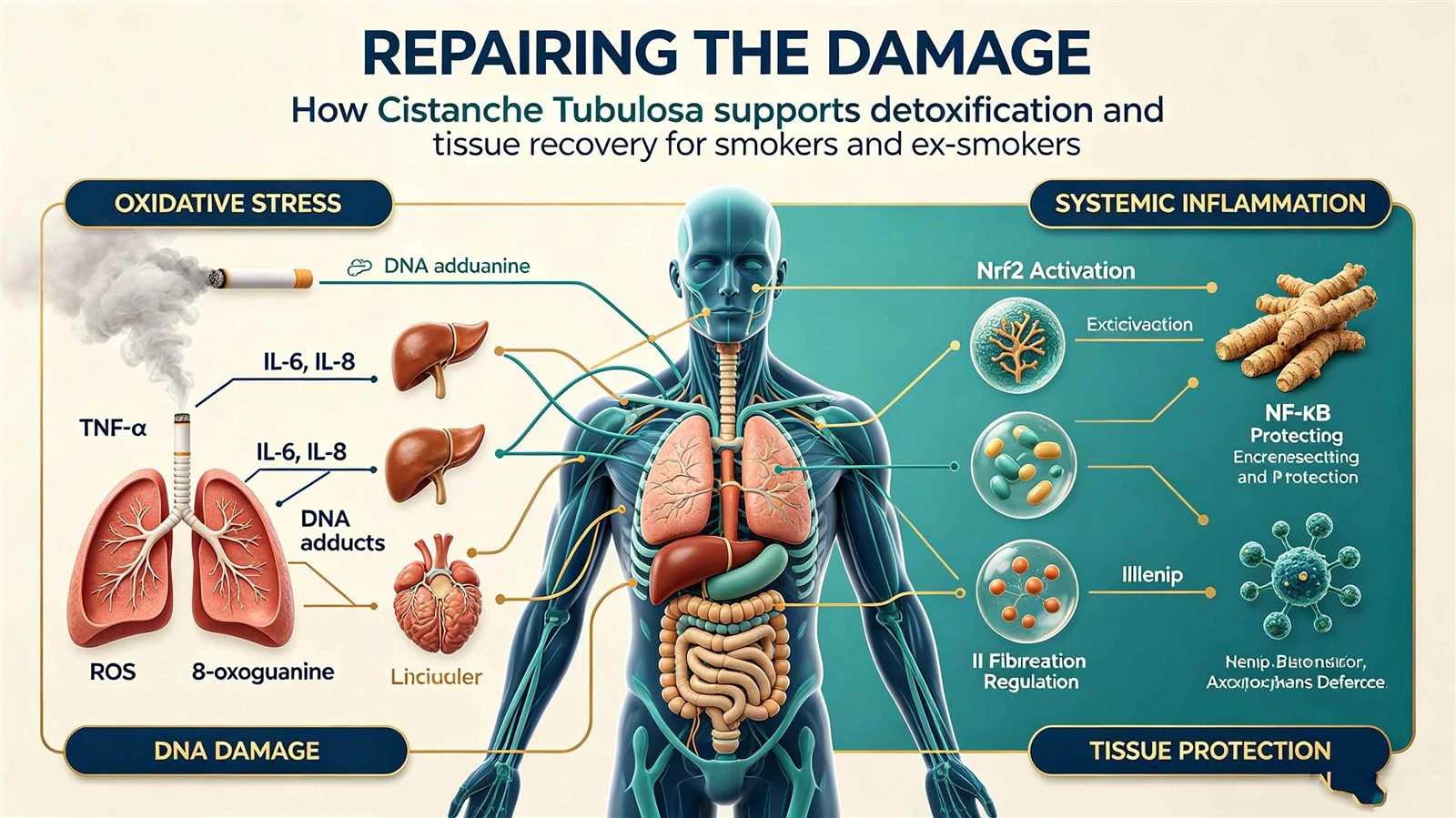
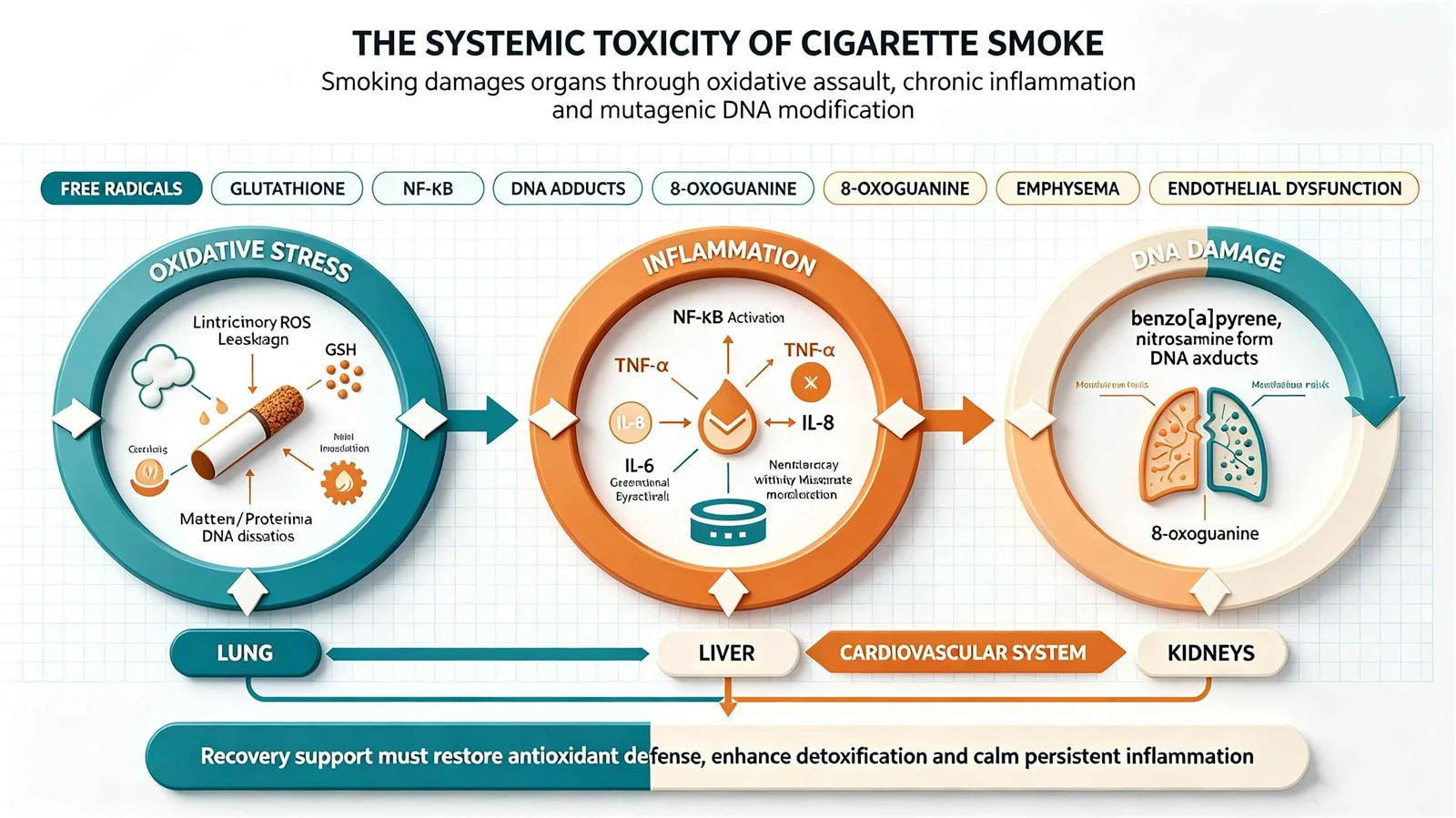
Cigarette smoke contains over 7,000 chemicals, including at least 70 known carcinogens. Each puff delivers a complex mixture of toxicants directly into the lungs and, through the bloodstream, to every organ in the body. The primary mechanisms of damage are oxidative stress, inflammation, and DNA damage.
Oxidative stress is the unifying mechanism. Cigarette smoke contains enormous quantities of free radicals-both in the gas phase and the tar phase-and also stimulates the endogenous production of reactive oxygen species through the activation of inflammatory cells and the uncoupling of mitochondrial respiration. This oxidative assault depletes the body's antioxidant reserves, particularly glutathione, and damages lipids, proteins, and DNA throughout the body.
Inflammation is both a consequence and a driver of smoke-induced damage. Smoke particles activate NF-κB in lung epithelial cells and macrophages, triggering the release of TNF-α, IL-6, and IL-8. This inflammatory response recruits neutrophils and macrophages to the lungs, where they release proteases that degrade lung tissue-the mechanism of emphysema. The inflammation is systemic: smokers have elevated circulating inflammatory markers, which contribute to cardiovascular disease and other systemic conditions.
DNA damage is the basis of smoking-related cancer. Cigarette smoke contains direct carcinogens like benzo[a]pyrene and nitrosamines that form DNA adducts-bulky chemical modifications that cause mutations when DNA replicates. It also generates oxidative DNA damage, including 8-oxoguanine, which is mutagenic. The body's DNA repair systems are overwhelmed by the sheer volume of damage in chronic smokers.
The liver is also significantly affected by smoking. It processes the toxins absorbed from the lungs, generating reactive metabolites and depleting glutathione. The kidneys filter the metabolic waste products, and the cardiovascular system is damaged by the oxidative stress and inflammation that smoking generates. An ideal intervention would address all these dimensions: enhancing detoxification, boosting antioxidant defenses, reducing inflammation, and protecting organs from smoke-induced damage.
How Cistanche Tubulosa Supports Recovery from Smoking
1. Activating Nrf2 to Restore the Body's Antioxidant Defenses
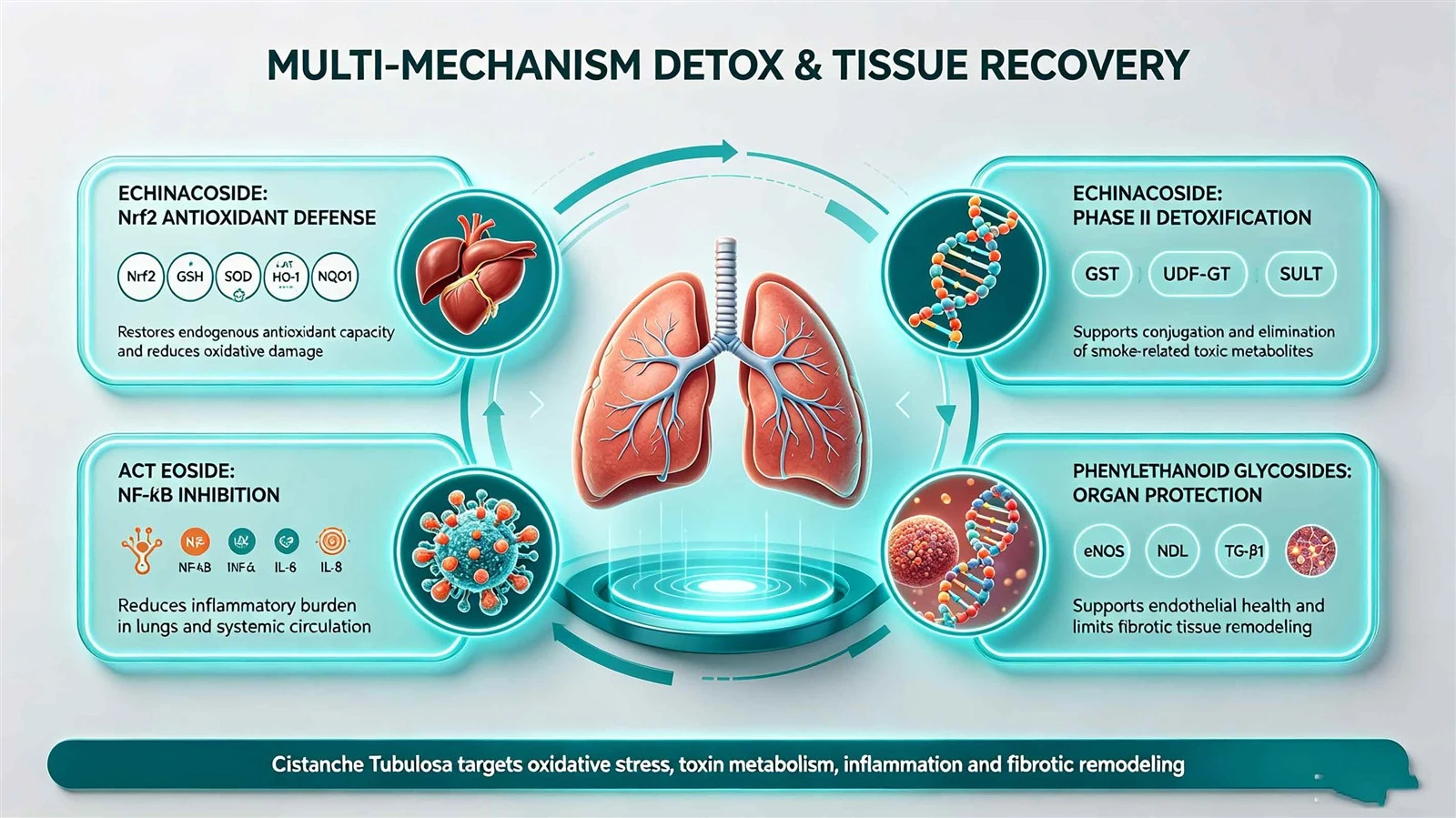
Chronic smoking depletes the body's endogenous antioxidant systems, particularly glutathione. Echinacoside, through potent Nrf2 activation, upregulates the entire endogenous antioxidant defense program-glutathione synthesis enzymes, superoxide dismutase, catalase, heme oxygenase-1, and NAD(P)H quinone oxidoreductase 1. This comprehensive restoration of antioxidant capacity helps neutralize the oxidative assault of cigarette smoke and protect cells from the DNA, protein, and lipid damage that drives smoking-related disease.
In animal models of cigarette smoke exposure, echinacoside treatment significantly reduced markers of oxidative stress in the lungs, liver, and blood, while restoring depleted glutathione levels. The treated animals showed less lipid peroxidation in lung tissue and reduced DNA damage in circulating lymphocytes.
2. Enhancing Phase II Detoxification in the Liver
The liver is the body's primary detoxification organ, and it bears a heavy burden in smokers. Echinacoside's Nrf2 activation upregulates the Phase II conjugation enzymes-glutathione S-transferase, UDP-glucuronosyltransferases, and sulfotransferases-that conjugate carcinogens and toxins for excretion. This enhanced detoxification capacity helps the liver process and eliminate the toxic metabolites of cigarette smoke more efficiently, reducing the time that carcinogens spend in circulation and the damage they inflict on other organs.
3. Suppressing NF-κB to Calm Systemic Inflammation
Acteoside, through its potent NF-κB inhibition, suppresses the production of the inflammatory cytokines that drive smoking-related lung damage and systemic inflammation. By reducing the recruitment of neutrophils and macrophages to the lungs, it may help slow the progression of emphysema. By reducing systemic inflammation, it may help protect the cardiovascular system and other organs from the inflammatory consequences of smoking. In animal models of smoke-induced lung inflammation, acteoside treatment reduced inflammatory cell infiltration, lowered cytokine levels in bronchoalveolar lavage fluid, and reduced lung tissue damage.
4. Protecting the Cardiovascular System
Smoking is a major risk factor for cardiovascular disease, and the mechanisms involve oxidative stress, inflammation, and endothelial dysfunction. Cistanche's phenylethanoid glycosides support endothelial nitric oxide synthase activity, protecting the endothelium from smoke-induced dysfunction. They also protect LDL from oxidation-a critical step in atherosclerosis that is accelerated by smoking. By addressing the cardiovascular mechanisms of smoking damage, Cistanche may help reduce the risk of heart attack and stroke in smokers and ex-smokers.
5. Supporting Lung Tissue Repair
The lungs have a limited capacity for repair, but certain interventions can support the regeneration of damaged tissue. Acteoside has been shown to inhibit the TGF-β1-driven fibrosis that follows chronic lung injury, potentially slowing the progression to chronic obstructive pulmonary disease. Echinacoside's antioxidant protection reduces the oxidative damage that impairs alveolar epithelial cell function, supporting the maintenance of healthy lung architecture. While no intervention can reverse established emphysema, supporting the repair processes that remain may help preserve lung function.
A comprehensive 2022 review in Frontiers in Pharmacology catalogs the hepatoprotective, antioxidant, anti-inflammatory, and cardioprotective properties of Cistanche tubulosa, confirming its multi-mechanism protection against chemical and toxin-induced organ damage. (Frontiers in Pharmacology review)
The Active Ingredients for Detox and Recovery
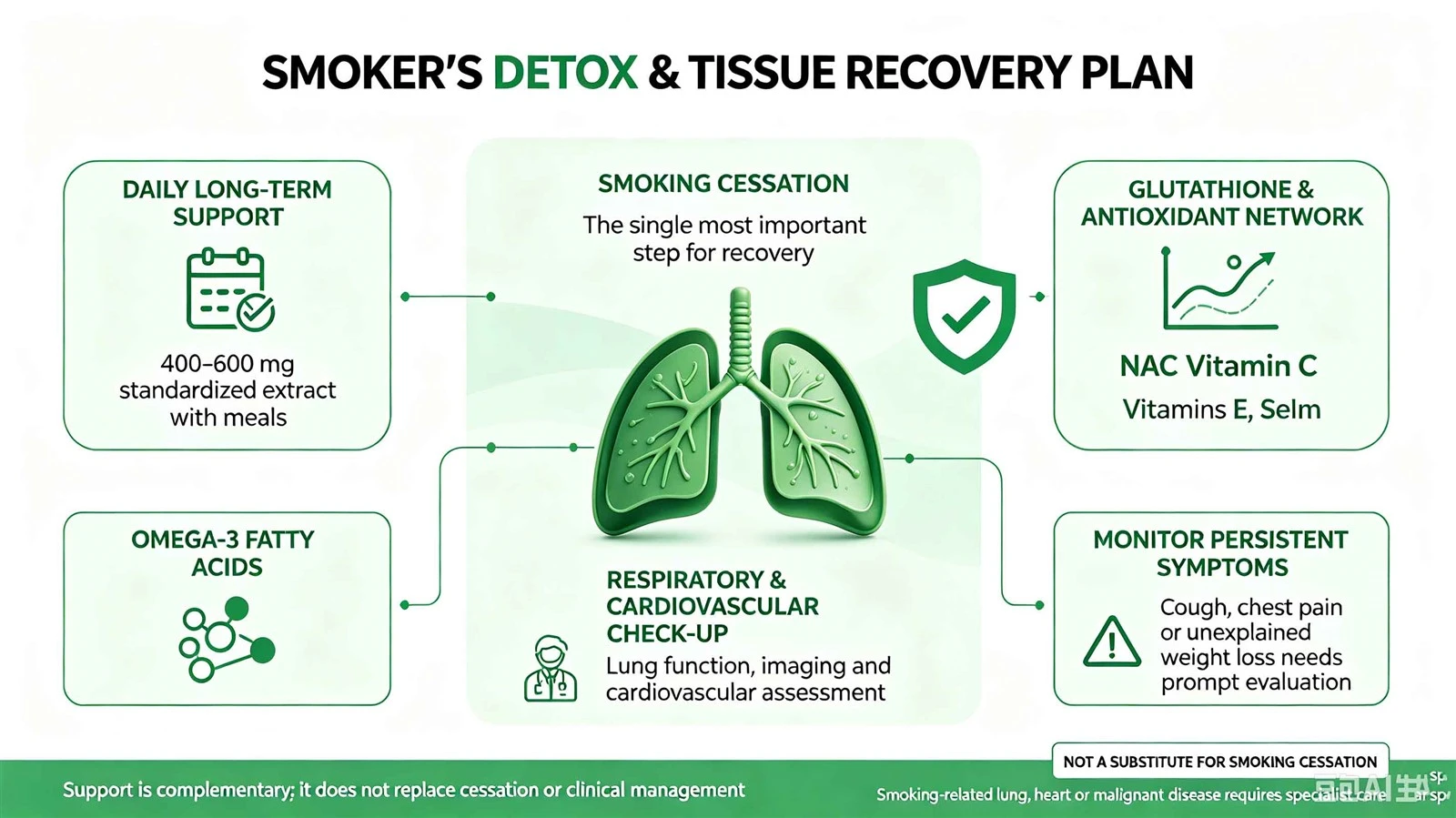
The recovery-supporting effects are driven by echinacoside and acteoside. Echinacoside is the primary Nrf2 activator, detoxification enhancer, and antioxidant. Acteoside is the primary NF-κB inhibitor and anti-inflammatory agent. Together, they address the oxidative, inflammatory, and toxic dimensions of smoking-related damage. A standardized extract containing 20–40% total phenylethanoid glycosides is essential. The evidence-informed dose is 400–600 mg daily.
Integrating Cistanche for Smoker's Health
For smokers and ex-smokers, Cistanche offers a supportive, detoxification-enhancing strategy. It should be taken consistently-daily, with a meal-as a long-term support. It pairs well with other protective nutrients: N-acetylcysteine provides the cysteine building block for glutathione synthesis; vitamin C, vitamin E, and selenium support the antioxidant network; and omega-3 fatty acids reduce inflammation. The most important intervention, of course, is smoking cessation. Cistanche can support the body's recovery after quitting, helping restore antioxidant defenses and reduce the inflammatory burden that persists for years after the last cigarette. It is not a substitute for smoking cessation, but a complementary support for those who are taking that critical step.
For those seeking reliable, research-grade detox and recovery support, we offer Cistanche tubulosa extract products with verified active ingredient content.
Safety and Medical Context
Cistanche tubulosa is well tolerated with a centuries-long safety record. However, smoking-related diseases-lung cancer, COPD, cardiovascular disease-require medical evaluation and treatment. Anyone with persistent respiratory symptoms, chest pain, or unexplained weight loss should consult a physician. This botanical is a supportive, preventive tool for detoxification and tissue protection, not a substitute for smoking cessation or medical treatment of smoking-related disease.