Late‑Night Burnout: TCM Insights Into Harm Of Staying Up Late & Natural Body‑Restoration Strategies
Sep 20, 2026
Working overtime, all‑night gaming, binge‑watching shows and endless smartphone scrolling have made late‑night staying‑up a widespread modern‑day habit. Many people are "forced" to stay up late for various reasons and struggle to break this cycle.
Most people understand chronic late nights harm physical health, yet few fully grasp exactly what damage sleep deprivation brings to organs. This article explains bodily depletion caused by staying up late from Traditional Chinese Medicine (TCM) wellness perspectives. It shares practical recovery routines and sleep‑support food therapies. Meanwhile, it introduces pre‑clinical research background for natural botanical raw material Cistanche Tubulosa, highlighting its reference value for liver‑support dietary supplement formulation development.
Why Is Staying‑Up Late Discouraged in TCM
Huangdi Neijing (The Yellow Emperor's Internal Classic) states: "One falls asleep when Yang‑Qi exhausts; one wakes up when Yin‑Qi exhausts."
TCM follows the philosophy of "human and nature as an integrated whole". When night falls, Yang‑Qi (vital life force) contracts and stores inward inside the human body. At sunrise, Yang‑Qi rises and activates, waking the human organism. Sleep and wakefulness are outcomes of cyclic alternation between Yin‑Qi and Yang‑Qi. Staying awake late disrupts this natural rhythm and triggers Yin‑Yang imbalance within the body.
TCM highly values "Zi‑Wu Sleep", a core wellness principle. The Zi‑Hour runs from 23:00 to 01:00 midnight, during which people are supposed to reach deep sleep. Going to bed later than 23:00 counts as staying‑up late in TCM theory.
At Zi‑Hour, Yin‑Qi reaches its peak and nascent Yang‑Qi begins to germinate. Deep sleep nurtures this newly‑born vital force. Remaining awake during Zi‑Hour depletes both Yin‑Qi and Yang‑Qi simultaneously. Besides, Zi‑Hour is when the Gallbladder Meridian is most active. Classic TCM theories note "all eleven internal organs rely on gallbladder" and "gallbladder governs decision‑making". Qi‑blood circulation of all organs hinges on the healthy initiation from the gallbladder. Sleep loss in Zi‑Hour consumes Qi‑blood and indirectly impairs every visceral organ.

What Organs Suffer From Chronic Sleep Deprivation
Liver and Gallbladder Damage
Between 23:00 and 03:00, the liver executes its core TCM functions: storing blood and conducting metabolic detoxification. Late‑night wakefulness continuously consumes liver blood and causes disordered liver‑Qi dispersion. With insufficient blood supply during sleep deprivation, damaged liver cells struggle to repair themselves and hepatic detox capacity declines. Consequences may include rough skin, persistent fatigue, bitter dry mouth, irritability and frequent internal heat flare‑ups. Modern research also links sleep disturbance with higher risks of chronic liver conditions.
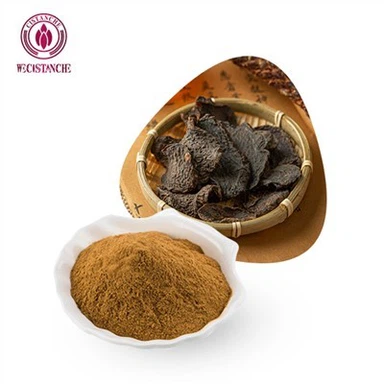
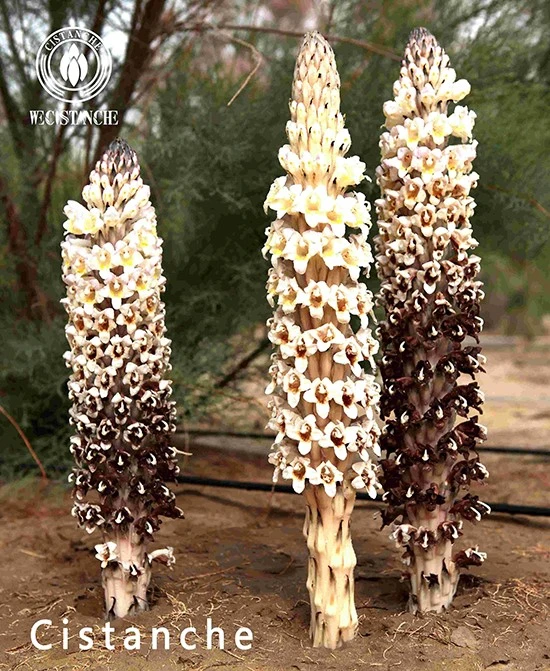
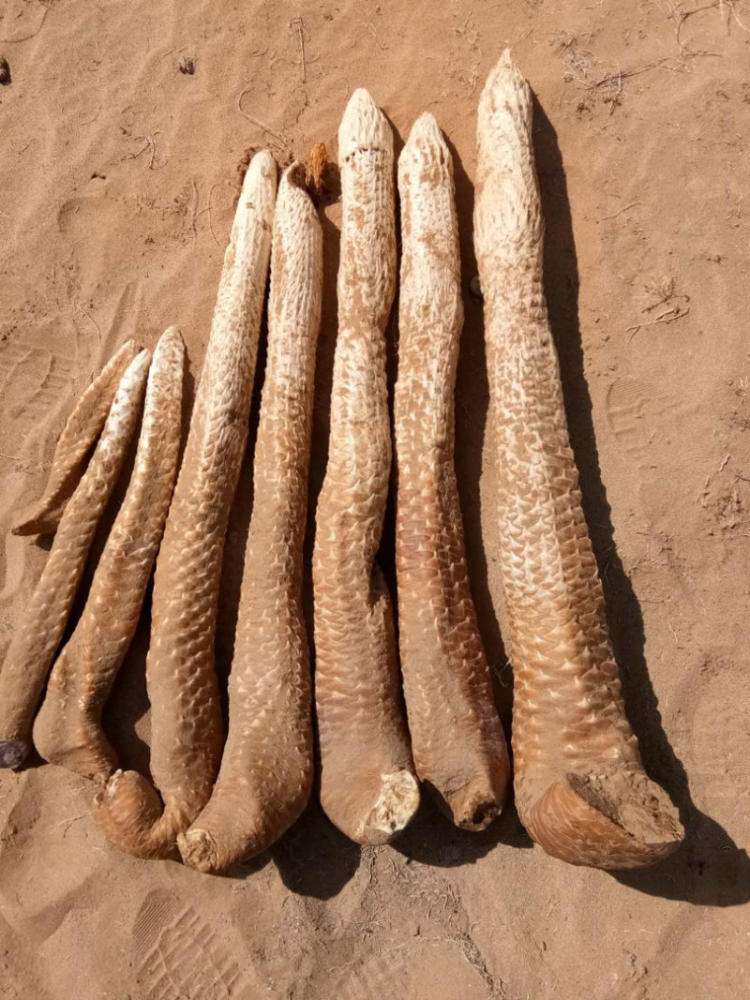
From the perspective of supplement formulation: Pre‑clinical researches exploring Cistanche benefits for liver protection reveal that phenylethanoid glycosides (echinacoside and acteoside), signature bioactive compounds within Cistanche Tubulosa extract, deliver hepatoprotective potential by easing hepatic oxidative stress and supporting hepatocyte health, making it a promising botanical raw material for liver‑care supplement formulas. As a source manufacturer, our Cistanche Tubulosa extract contains higher concentrations of active phenylethanoid glycosides compared with other Cistanche species, well‑suited for standardized dietary‑supplement production. For manufacturing and quality‑control information, please visit our About‑Us page.

Deteriorated Spleen‑Stomach Function
Depleted liver‑blood and stagnated liver‑Qi can disturb stomach function, weakening the digestive transportation of spleen‑stomach and triggering gastric upset or nausea. People who stay up late often eat midnight snacks, further causing liver‑stomach disharmony, poor digestion and reduced appetite.
Consumed Heart‑Qi
In TCM framework, "the heart governs spirit‑mind" and acts as the monarch organ responsible for mental and cognitive activities. After heavy mental workload throughout daytime, the heart needs nourishment from Yin‑blood during night‑time rest. Persistent late‑night wakefulness keeps mental faculties over‑active without adequate restoration, gradually draining heart‑Qi.
Other System‑Wide Negative Impacts
Chronic sleep deprivation may also lower immune defence, impair memory, raise obesity risk, and increase susceptibility to neurodegenerative and mood‑related mental health concerns.

Practical Ways To Reduce Damage After Staying‑Up Late
Get Up At A Reasonable Hour
TCM warns: late sleep plus oversleeping creates "double depletion of Yang‑Qi". Waking too late suppresses Yang‑Qi ascending, leaving you groggy all day long. Try to get up on schedule even after staying up late. The Stomach Meridian peaks from 7:00‑9:00 in the morning; eat a complete nourishing breakfast before catching up on sleep if possible.
Take Mid‑day Nap for Zi‑Wu Sleep
Zi‑Wu Sleep covers both Zi‑Hour (23:00‑01:00) and Wu‑Hour (11:00‑13:00 noon). A short midday nap nourishes both Yin and Yang‑Qi and helps restore mental energy.
Scalp Massage for Circulation
When you feel dizzy and heavy‑headed after sleep loss, comb hair with wooden combs or massage scalp with fingertips. This stimulates head blood circulation, improves cerebral blood supply and relieves brain fog.

Dietary Adjustments for Qi‑Blood Restoration
Nourish Qi‑blood: Pseudostellaria root, mulberry fruit, goji berry.
Prioritize spleen‑strengthening food for poor digestion: Chinese yam, millet, coix seed.
Increase food rich in vitamin A to ease visual fatigue caused by late‑screen exposure.
Simple Acupressure for Liver Wellness
The liver governs blood storage and Qi dispersion. Two accessible acupoints for daily self‑care:
Taichong Point: Located on dorsal foot, in the depression anterior to the junction of 1st and 2nd metatarsal bones.
Sanyinjiao Point: On inner lower leg, 3‑cun above medial malleolus, behind medial edge of tibia. Practice: rotate‑press each point on left and right sides for 15 times, three times per day.
Seven TCM Food‑Herbs for People Suffering Insomnia‑driven Forced Late Nights
For audiences forced to stay awake due to insomnia, these traditional food‑herbs support calm sleep:
Jujube (Chinese date): Tonifies spleen‑Qi, nourishes blood and calms mind; suitable for insomnia originating from heart‑spleen deficiency.
Tremella fuciformis (silver ear mushroom): Nourishes Yin, generates body fluid, tonifies Qi‑blood, benefits lung and brain. Recommended stew together with lily bulb and rock sugar for Yin‑fire‑excess insomnia.
Ganoderma lucidum (reishi mushroom): Nourishes heart and kidney, replenishes essence, delivers mild sedative effects for multiple insomnia patterns.
Supportive Service Of Wecistanche-For more details about cooperation
Email:Lijianlin@wecistanche.com
Lilium brownii (lily bulb): Clears heart heat and soothes spirit, ideal for neurasthenia, restless sleep and frequent night‑time awakening. Recipe: steam 60‑90g fresh lily bulb mixed with 1‑2 spoons honey, consume before bedtime.
Lotus seed plumule: Clears excessive heart‑fire, relieves restlessness‑driven insomnia. Brew 1.5g lotus seed plumule with hot‑water as herbal tea.
Mulberry fruit: Tonifies liver‑kidney, nourishes Yin‑blood. Decoct 50‑100g fresh mulberry fruit in water for intake.
Semen Ziziphi Spinosae (spine date seed): Nourishes liver, calms heart‑mind for vexing insomnia caused by Yin deficiency. Can be used for soup, herbal tea or millet porridge cooking.
Formulator note: When designing compound dietary supplements targeting sleep‑liver wellness, R&D teams may evaluate Cistanche Tubulosa benefits for liver protection and sleep support. Ancient TCM literature records Cistanche Tubulosa as a tonic for internal organs. Pre‑clinical studies indicate its bio‑actives mitigate oxidative burden and help maintain visceral homeostasis, making it suitable for compound formulas combined with sleep‑supporting herbs. Our high‑activity standardized Cistanche Tubulosa extract can be directly integrated into finished‑product formulations. Further details are available at https://www.xjcistanche.com/about‑us.
All the above‑mentioned remedies only mitigate harms brought by staying‑up late. Establishing regular sleep rhythm and avoiding chronic late nights remains the most fundamental principle for body wellness.

Disclaimer These statements have not been evaluated by the Food and Drug Administration. Cistanche Tubulosa extract is a dietary‑supplement raw material, and is not intended to diagnose, treat, cure or prevent any disease. Most supportive research findings derive from in‑vitro and animal pre‑clinical experiments, and large‑scale human clinical data remains limited. Please consult professional pharmaceutical R&D specialists for formula development and product application.