Research Progress Of Lactulose in Bowel Preparation in Patients With Chronic ConstipationⅠ
Aug 23, 2023
【Abstract】 Colonoscopy is an important means of detecting intestinal diseases, but some studies have shown that constipation will affect the quality of bowel preparation, and insufficient bowel preparation will seriously reduce the detection rate of microscopic diseases. Lactulose has achieved good results as an osmotic laxative in the treatment of constipation. In recent years, more and more attention has been paid to intestinal cleansing in patients with constipation. In this paper, by retrieving domestic and foreign literature, this paper makes a report on the treatment of chronic constipation by lactulose in different populations, the status of polyethylene glycol in bowel preparation, and the research status of lactulose combined with polyethylene glycol in bowel preparation in patients with chronic constipation. review.

Click to immediate constipation relief adults
【Key words】 Lactulose; Polyethylene glycol; Constipation; Bowel preparation; Colonoscopy
Polyp detection largely depends on bowel preparation, and studies have shown that bowel preparation is considered adequate if polyps > 5 mm can be detected [1-2]. Chronic constipation is an independent risk factor for poor bowel preparation, which will reduce the success rate and accuracy of colonoscopy and greatly reduce the safety of endoscopic treatment [3].
According to current literature, the prevalence of chronic constipation in adults worldwide is 0.7% to 79% (median 16%) [4]. The prevalence of constipation in the general population of adults in my country is 3. 19% to 17. 6% [5-7]. Chronic constipation significantly affects the quality of life and physical and mental health of patients [8], 12% to 19% of the American population is deeply troubled, and the total annual direct cost of each patient with chronic constipation is estimated to be between MYM1912 and MYM7522, wasting a lot of productivity and medical resources, resulting in a heavy economic burden [9].
Domestic guidelines [10] recommend that for patients with chronic constipation, pre-administration of laxatives or combined use of gastrointestinal motility drugs can improve the cleaning effect. This article reviews the research progress of lactulose in patients with chronic constipation.
01 Mechanism of lactulose intestinal cleansing
Lactulose is a "disaccharide" consisting of galactose and fructose, produced by the isomerization of lactose. It is a prebiotic carbohydrate. Lactulose is not hydrolyzed in the small intestine and is decomposed into simple sugars by normal bacteria after entering the colon. It stimulates the growth of beneficial bacteria such as bifidobacteria and lactic acid bacteria in the intestine, and at the same time inhibits pathogenic bacteria such as salmonella. The growth of germs. It is further decomposed into organic acids such as lactic acid and acetic acid, lowering the pH value of the intestinal tract is conducive to the establishment and growth of normal intestinal flora, and regulates the structure of intestinal flora. Lower intestinal pH can promote intestinal peristalsis, shorten the transit time of the colon, and promote defecation. Lactulose also has the osmotic activity of disaccharides, retains water and electrolytes in the intestinal cavity to produce hyperosmotic effects, increases stool volume, softens stools, and achieves the purpose of laxatives [11-12].

02 Lactulose treatment of chronic constipation research
According to the Rome Ⅳ standard [13], chronic constipation is divided into functional constipation and organic constipation. According to the different pathophysiological mechanisms of functional constipation, it can be divided into slow transit constipation, normal transit constipation, defecation disorder constipation, and mixed constipation. For the treatment of constipation, the expert consensus [14] believes that the diet and lifestyle should be adjusted first, such as increasing dietary fiber intake, increasing water intake, and strengthening exercise; secondly, drug treatment, such as using lactulose or polyethylene glycol (polyethylene glycol) Glycol, PEG) and other osmotic laxatives, if the symptoms still do not improve, it is recommended to take stimulant laxatives such as senna for unresponsive patients.
In a recent Japanese randomized, double-blind study [15], the safety and effectiveness of different doses of lactulose in the treatment of chronic constipation were discussed. In this study, the subjects were divided into 4 groups, namely lactulose 13 g / d group, 26 g / d group, 39 g / d group, and placebo group, the treatment period lasted for 2 weeks, and the primary endpoint of the observation index was the frequency of spontaneous defecation from the baseline in the first week.
The results showed that the frequency of spontaneous defecation in the 26 g / d group and the 39 g / d group was significantly improved compared with the placebo group, which were 3. 77 times/week, 5. 05 times/week, 2. 05 times/week, and this increase was dose-dependent between the 26 g / d group and the 39 g / d group. Adverse reactions are mainly gastrointestinal reactions, such as diarrhea, abdominal pain, abdominal distension, and abnormal gastrointestinal sounds. The number and incidence of adverse reactions in each group were 2 cases (3.2%), 4 cases (6.3%), 13 cases (21.0%), and 6 cases (9.7%). In the 39 g / d group, 13 patients (21.0%) were associated with the adverse drug reactions mentioned above, especially diarrhea in 6 patients (9.7%). Therefore, this study believes that oral administration of 26 g/d is the optimal dose for the treatment of chronic constipation.
2. 1 Research on the effect of lactulose on chronic constipation in infants and children
Lactulose is currently one of the most commonly used osmotic laxatives for constipated children, and based on the available evidence, Dutch guidelines recommend lactulose as the first-choice treatment for children under 1 year of age. For children under 1 year of age, either lactulose or PEG with or without added electrolytes can be the first choice of treatment. A study [16] explored the efficacy and safety of lactulose in the treatment of chronic constipation in Chinese children. In this study, 100 children aged 2 to 6 were randomly divided into a treatment group and a placebo group. The patients in the treatment group took 5 mL per day of Lactulose (3. 3 g) for 6 weeks. Subjects in the placebo group also received placebo treatment for a total of 6 weeks. After 6 weeks of treatment, the daily stool frequency and stool consistency in the treatment group were significantly improved compared with those in the control group (both P < 0.01). No serious adverse reactions were found in the lactulose group, and the safety of the two groups was similar, which is consistent with the research results of Lei Yanwei et al. [17].
2. 2. Research on the effects of lactulose on chronic constipation in the elderly
The overall prevalence of chronic constipation in women is almost twice that of men, and the prevalence increases with age [18-19]. The prevalence of chronic constipation is about 16% in adults and can reach 33% in adults over 60 years of age [20].

A meta-analysis in my country[21] included 5 parallel randomized controlled studies, a total of 682 cases, 392 males and 290 females, aged 60-93 years, compared the clinical effective rate and total effective rate of the lactulose group and the control group. efficiency. The results of the Meta-analysis showed that if the elderly patients were treated with lactulose compared with the control group, the marked rate and total effective rate increased more significantly [OR were 2. 95 ( 95% CI 1. 32 ~ 6. 59 ) and 5. 76 (95% CI 3. 50-9. 45)], Lactulose Oral Liquid has a definite curative effect in the treatment of functional constipation, has no intestinal irritation, and has mild adverse reactions, especially suitable for elderly patients. Wang Peng et al. [22] also suggested that lactulose can effectively increase the frequency of defecation in elderly patients, and it is not easy to cause deformed stools.
2. 3. Research on the effects of lactulose on chronic constipation in pregnant and postpartum women
A multicenter, randomized, double-blind, placebo-controlled clinical study [23] observed a total of 63 pregnant women with constipation. In the last week of treatment, the average stool properties of the lactulose group were significantly improved, and the effective rate of the lactulose group was significantly improved during the same period. Also higher than the placebo group (61. 3% vs 46. 9%). At the end of treatment, more subjects in the lactulose group had significantly improved or improved (64.6% vs 50.5%). The vital signs, physical examination, and pregnancy outcomes (newborn weight, height, Apgar score) of the subjects in both groups were normal. A domestic multi-center, large-sample survey on the effectiveness and safety of lactulose in postpartum constipation [24] showed that after intervention with lactulose, the stool consistency, daily defecation frequency, defecation time, and defecation difficulty all had significant changes. Significantly improved, and still maintained a good therapeutic effect after drug withdrawal. Abnormal rates of blood, urine, and stool indicators showed a downward trend. This is consistent with the research results of Zhang Long et al. [25]. Lactulose can effectively improve chronic constipation in pregnant and postpartum women.
2. 4. Research on lactulose on chronic constipation in diabetic patients
Constipation is a common symptom of diabetic patients. For diabetic patients, lactulose is an effective osmotic laxative for treating constipation. At the same time, it helps to improve the intestinal flora imbalance of diabetic patients and may have a positive effect on their blood sugar control [26]. Studies in recent years have shown that a single dose of 10 g and 20 g of crystalline or liquid lactulose can keep blood sugar levels in healthy subjects unchanged, suggesting that patients with impaired glucose tolerance can safely use it [27].
Natural Herbal Medicine For Relieving Constipation-Cistanche
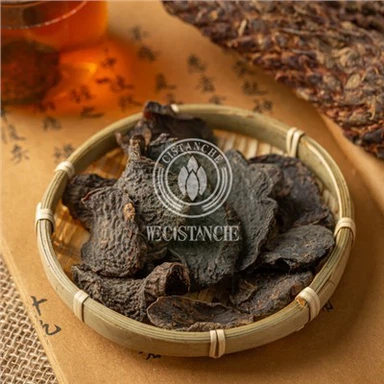
Cistanche is a genus of parasitic plants that belongs to the family Orobanchaceae. These plants are known for their medicinal properties and have been used in Traditional Chinese Medicine (TCM) for centuries. Cistanche species are predominantly found in arid and desert regions of China, Mongolia, and other parts of Central Asia. Cistanche plants are characterized by their fleshy, yellowish stems and are highly valued for their potential health benefits. In TCM, Cistanche is believed to have tonic properties and is commonly used to nourish the kidney, enhance vitality, and support sexual function. It is also used to address issues related to aging, fatigue, and overall well-being. While Cistanche has a long history of use in traditional medicine, scientific research on its efficacy and safety is ongoing and limited. However, it is known to contain various bioactive compounds such as phenylethanoid glycosides, iridoids, lignans, and polysaccharides, which may contribute to its medicinal effects.

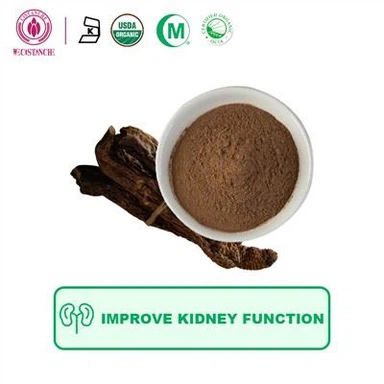
Wecistanche's cistanche powder, cistanche tablets, cistanche capsules, and other products are developed using desert cistanche as raw materials, all of which have a good effect on relieving constipation. The specific mechanism is as follows: Cistanche is believed to have potential benefits for relieving constipation based on its traditional use and certain compounds it contains. While scientific research specifically on Cistanche's effect on constipation is limited, it is thought to have multiple mechanisms that may contribute to its potential to relieve constipation. Laxative Effect: Cistanche has long been used in Traditional Chinese Medicine as a remedy for constipation. It is believed to have a mild laxative effect, which can help promote bowel movements and induce constipation. This effect may be attributed to various compounds found in Cistanche, such as phenylethanoid glycosides and polysaccharides. Moistening the Intestines: Based on traditional use, Cistanche is considered to have moisturizing properties, specifically targeting the Intestines. By promoting hydration and lubrication of the Intestines, it may help soften tools and facilitate easier passage, thereby relieving constipation. Anti-inflammatory Effect: Constipation can sometimes be associated with inflammation in the digestive tract. Cistanche contains certain compounds, including phenylethanoid glycosides and lignans, that are believed to have anti-inflammatory properties. By reducing inflammation in the intestines, it may help improve bowel movement regularity and relieve constipation.