Research Progress Of TCM Regulation Of Wnt/β-catenin Signaling Pathway in Treatment Of SNOFH And Kidney Deficiency
Sep 27, 2022
[Abstract]: Steroid-induced necrosis of the femoral head (SNOFH) is a common orthopedic disease, which is difficult to cure and has a poor clinical prognosis. The number of SNOFH patients in China is still increasing year by year, which seriously threatens human health. Long-term non-standard or short-term extensive use of hormone (GC) is an important reason for the occurrence of this disease. At present, SNOFH is mostly treated by surgical methods such as hip replacement, which has limitations of great harm to patients and high cost. In recent years, with the continuous deepening and innovation of traditional Chinese medicine research, the use of traditional Chinese medicine to treat SNOFH has been widely used in clinical practice. The main TCM pathogenesis of SNOFH is kidney deficiency and blood stasis. Therefore, traditional Chinese medicine monomer and compound compounds of tonifying kidneys and promoting blood circulation are used to treat SNOFH. And traditional Chinese medicine has obvious therapeutic effect, small side effects, less cost and other advantages. Glycoprotein/beta chain protein secretion (Wnt/beta-catenin) signaling pathway as a classic signaling pathway is closely related to the bone, between its by promoting bone marrow mesenchymal stem cell update, enhance the activity of osteoblast and suppress the apoptosis, which adjusts the metabolic balance of bone tissue, increase bone density, will play an important role in the process of bone formation. In recent years, the use of traditional Chinese medicine monomers and compounds to regulate the Wnt/β-catenin signaling pathway to accelerate bone marrow mesenchymal stem cells, promote their transformation into osteoblasts and maintain bone metabolic balance mechanism to treat SNOFH has become a new research hotspot. This article reviews the research progress of traditional Chinese medicine in the prevention and treatment of SNOFH by regulating Wnt/βcatenin signaling pathway, in order to provide a reference for the application of traditional Chinese medicine in the treatment of SNOFH.
[Keywords]: steroid-induced femur head necrosis; Wnt/β-catenin signaling pathway; traditional Chinese medicine; research progress,cistanche
Glucocorticoids (GCs) are widely used in clinical practice and are commonly used drugs for the treatment of autoimmune diseases. Although the effect is obvious, the side effects are serious. Steroid-induced necrosis of the femoral head (SNOFH) is a pathological process in which long-term irregular use or short-term extensive use of GC leads to structural changes, collapse, and joint dysfunction of the femoral head. It has become the most common cause of non-traumatic femoral head necrosis [2]. Epidemiological studies have shown that SNOFH is more common in women aged 40-50, accounting for approximately 56% of women with necrosis of the femoral head (NOFH) [3].
The number of new SNOFH cases in China is about 50,000 to 100,000 every year, and the trend is increasing year by year [4]. The incidence of bilateral SNOFH is high. If not treated in time, 70% of patients will experience femoral head collapse, and about 80% - 90% of patients will eventually need 2 or even multiple hip replacements, which not only increases the physical and mental pain of patients, and seriously affect the quality of life of patients, and cause great economic pressure [5].
In recent years, with the development of traditional Chinese medicine, the prevention and treatment of SNOFH with traditional Chinese medicine has become the focus of research in today's society. The use of traditional Chinese medicine to treat SNOFH not only has the advantages of less trauma, obvious curative effect, less toxic and side effects, and low price, but also enables patients to Hip-preserving treatment without the pain of surgery not only greatly reduces the economic burden on society and patients, but also improves the quality of life of patients. In this paper, we will analyze and sort out the articles on the regulation of secretory glycoprotein/β-catenin (Wnt/β-catenin) signaling pathway by traditional Chinese medicine to prevent and treat SNOFH, and clarify the relationship between traditional Chinese medicine treatment of SNOFH and Wnt/β-catenin signaling pathway. In order to provide reference for the application of traditional Chinese medicine in the treatment of SNOFH.
1. Wnt/β-catenin signaling pathway
Activation of Wnt signaling pathway plays an important role in many processes of bone development, osteocyte growth and differentiation, etc. [6]. The Wnt/βcatenin signaling pathway plays a crucial role in the process of bone formation. By enhancing the activity of osteoblasts (OB) and reducing the apoptosis of OB, the pathway increases bone density and maintains the metabolic process of bone tissue. Equilibrium state [7]. The Wnt/β-catenin signaling pathway is mainly composed of Wnt2, β-catenin, glycogen synthase kinase-3β (GSK-3β), low-density lipoprotein-related protein (LRP) 5, RP6, nuclear transcription factor T-cell factor/lymphoid enhancer factor (T-cell factor/lymphoidenhancer factor, TCF/LEF) to form together.
The formation of the Wnt/β-catenin signaling pathway is firstly caused by the binding of Wnt protein to the membrane Frizzled, LRP5, and LRP6 receptors, and then guides it into the nucleus after destroying the activity of β-catenin in the cell membrane. In the nucleus, β-catenin and TCF/LEF work together to synthesize and then combine with growth-related transcription factor-2, B-cell lymphoma/leukemia-2 gene, C-MYC and other genes to activate downstream signals, thereby preventing bone cells. apoptosis and stimulate its development [8, 9]. Gsk-3β is an antagonist of the Wnt/β-catenin signaling pathway and a key enzyme in the phosphorylation and degradation of β-catenin. By inhibiting its activity, the expression of β-catenin can be stabilized, and the expression level of β-catenin determines the canonical Wnt pathway. activation and deactivation. LRP5 is a key factor regulating bone remodeling, and when the LRP5 gene is lost, the activity of the Wnt/βcatenin signaling pathway is also reduced [10, 11]. When Wnt binds to its receptor and LRP5/6, it induces phosphorylation of LRP5/6 and activates LRP5, phosphorylates GSK-3β Ser9, reduces the activity of GSK-3β, and reduces the degradation of β-catenin, which activates Wnt/βcatenin signal path. Studies have confirmed [12, 13] that the survival, differentiation and proliferation of cells are achieved by the continuous accumulation of β-catenin in the cytoplasm and then transfer to the nucleus to combine with TCF and LEF to promote the transcription and translation of target genes.
2. Wnt/β-catenin signaling pathway and SNOFH
The study found that OB, as one of the important factors of bone formation, played a key role in the occurrence of SNOFH. The Wnt signaling pathway, OPG/RANKL signaling pathway and ER signaling pathway can jointly affect the growth and development of OB.
It is mainly manifested in the process of changing the bone matrix. The abnormal activation of Wnt/β-catenin signaling pathway is closely related to the pathological changes of SNOFH [15, 16], and regulating the Wnt/β-catenin signaling pathway has become a new target for the treatment of SNOFH [17]. Wnt/β-catenin signaling pathway plays a key role in bone formation, and its main role is to promote bone mass, and this role is to promote bone marrow mesenchymal stem cells (MSCs) renewal, and osteogenesis It is achieved under the premise of cell proliferation, induction of osteoblast formation, and inhibition of osteoblast apoptosis [18]. Meanwhile, the Wnt/βcatenin signaling pathway is a key factor regulating the expression of myeloid stromal cells [19]. As mentioned above, the occurrence of femoral head necrosis is caused by many factors affecting the normal differentiation of BMSCs. Growth-related transcription factors 2, peroxisome proliferator-activated receptor gamma and DKK-secreted protein 1 (DKK-1) play the most important roles in the differentiation of BMSCs. However, the differentiation of BMSCs can be inhibited by the Wnt/β-catenin signaling pathway through its downstream signaling peroxisome proliferator-activated receptor γ [20].
Peroxisome growth-activated receptor gamma is a major regulator of adipogenesis, and the widespread use of glucocorticoids can increase its expression, induce adipocyte differentiation, and accelerate the transfer of BMSCs to adipocyte lineages, thereby enabling interosteogenic differentiation of mesenchymal cells creates a barrier, resulting in a low osteogenic survival rate of osteoblasts. At this time, a large number of bone adipocytes are generated, and the steady state of BMSCS to osteogenic and adipogenic differentiation changes significantly, resulting in increased intraosseous pressure and femoral cells. Bone ischemia [21, 22]. On the other hand, studies have shown [23] that β-catenin present in the cytoplasm can be phosphorylated under the action of GSK-3β complex, which leads to rapid degradation of β-catenin, while β-catenin dispersed in the cytoplasm can be phosphorylated by GSK-3β complex. The number of OB decreased sharply, and then the role of a β-catenin signaling pathway in bone metabolism was also terminated, that is, the normal growth and development of OB was weakened. The normal function of this signaling pathway will accommodate changes in GC dose. The pathway of β-catenin entering the nucleus will be interrupted with high doses of GC in the human body [24], and the Wnt/β-catenin signaling pathway will also lose its effect with the decrease in the amount of β-catenin, resulting in pathological changes in NOFH. , symptoms aggravated.
3. TCM's understanding of SNOFH-kidney deficiency
There is no record of hormone-induced necrosis of the femoral head in many ancient books of traditional Chinese medicine, and it is often attributed to the categories of "bone paralysis" and "bone erosion" in traditional Chinese medicine. Modern physicians generally believe that the occurrence and development of SNOFH is caused by the dysfunction of the body's viscera, which is closely related to "deficiency, phlegm and blood stasis". , blood stasis is not only its pathological product, but also its main pathogenic factor [25, 26]. The kidney is the foundation of the innate and is the foundation of human development and growth. A deficiency of the kidney will affect the normal development of the human body. There are a large number of trace elements in the human body, and kidney deficiency will cause changes in the metabolism of these trace elements, resulting in abnormalities in the structure and function of human bones and system organization [27].
Therefore, patients with kidney deficiency syndrome generally have abnormal metabolism of calcium, phosphorus and other trace elements, and their bone mineral density is generally lower than that of normal people [28]. The reason for the disorder of local regulators of bone metabolism is also caused by the disorder of endocrine function and hypothalamic-pituitary-target gland axis function caused by kidney deficiency.
In addition, kidney deficiency can also regulate the expression of SNOFH-related genes, resulting in abnormal bone metabolism [29]. Glucocorticoids are a kind of evil of drugs. Over time, they will accumulate in the muscles, veins and bones, resulting in poor circulation of qi, blood and body fluids, degenerative changes of muscles and bones, and even pain in the bones and joints, resulting in bone paralysis.
Western medicine found that dyslipidemia should belong to the cognitive scope of "invisible phlegm" in traditional Chinese medicine through biochemical research, which coincides with the theory of "all diseases are phlegm" in traditional Chinese medicine, and is related to hormone-induced femoral head necrosis "stagnation of phlegm and dampness". The pathogenesis is the same [30], so the important cause of SNOFH may be the accumulation of phlegm-dampness. Western medicine
Because glucocorticoids can directly cause intraosseous hypertension, abnormal blood rheology, coagulation disorders, and thrombosis, which is equivalent to the improvement of "blood stasis" syndrome in traditional Chinese medicine.
Kidney deficiency and blood stasis often coexist and interact, the formation of blood stasis hinders the formation of new blood, and the physical weakness is even worse. Therefore, kidney deficiency leads to
Blood stasis, blood stasis in turn can lead to aggravation of kidney deficiency. Therefore, blood stasis is an important pathogenic factor and pathological product leading to the occurrence of SNOFH.
In general, SNOFH syndrome belongs to the deficiency of the essence and the excess, and is closely related to "kidney deficiency, phlegm-dampness, and blood stasis".
Dystrophy leads to deficiency, which is caused by accumulation of phlegm-dampness, blood stasis, and mutual accumulation of phlegm and stasis. Therefore, the treatment principle of traditional Chinese medicine for SNOFH is mainly to invigorate the kidney and activate blood.
In clinical practice, traditional Chinese medicines for tonifying kidney and activating blood circulation and compound prescriptions are used for the prevention and treatment of SNOFH.
Click here to get a free Sample of Cistanche
for treating kidney deficiency and SNOFH
4. Chinese medicine regulates Wnt/β-catenin signaling pathway in the treatment of SNOFH
4.1 Single Chinese medicines Because the occurrence of SNOFH is mainly based on kidney deficiency, blood stasis is the standard, and the deficiency is the standard, so the traditional Chinese medicines of invigorating the kidney and strengthening bones and promoting blood circulation and removing blood stasis have achieved good therapeutic effects in clinical treatment. Epimedium is pungent, sweet, and warm in nature. It belongs to the kidney and liver meridians.
Studies have shown that under the intervention of low-dose icariin, the Wnt/β-catenin signaling pathway can be activated, and the proliferation of BMSCs is also enhanced [32]. Icariin can also promote bone formation. Under the intervention of icariin, the Wnt signaling pathway is up-regulated, BMSCs are stimulated to differentiate into OB, and bone resorption activity and osteoclast (OC) are also affected by icariin. weakened by the effect of [33, 34].
Numerous studies have confirmed that ERα-Wnt/β-catenin is a key pathway for icariin to promote the proliferation and osteogenic differentiation of BMSCs [32, 35, 36]. In addition, some studies have shown that under the intervention of icariin, the osteogenic differentiation of rats is promoted, the proliferation of adipose-derived stem cells is also enhanced, and the differentiation of BMSCs into adipocytes is prevented [37-39] ]. Icariin in chondrocytes can arouse cathepsin K to resist dexamethasone-induced bone damage while helping the production of cartilage proteoglycans and the cartilage differentiation marker type II collagen [40, 41].
SHI et al. [42] found that icariin had a protective effect on early hormone-induced ONFH in rabbits, reduced osteocyte apoptosis, improved bone microstructure, and prevented the development of ONFH. The experiments of WEI et al. [43] showed that the expression of osteogenic genes and Wnt/β-catenin pathway-related proteins were significantly up-regulated under the action of a specific concentration of icariin, and the proliferation of BMSCs was also greatly enhanced. LIU et al[44] established a mouse overload injury model, and found that the proliferation of mouse osteoblasts in the overload state was increased under the intervention of icariin, and Runt related transcription factor 2 (Runt related transcription factor2) was up-regulated. , RUNX2) gene and βcatenin expression, and promote the differentiation of mouse embryonic osteoblast precursor cells MC3T3-E1. The experiments of Wang et al. [45] also showed that the inhibition of osteoblasts by titanium particles was reduced after icariin activated the Wnt/β-catenin signaling pathway. In conclusion, icariin can promote the proliferation of osteoblasts and improve SNOFH by activating the Wnt/β-catenin signaling pathway.
Notoginseng is sweet, slightly bitter, warm in nature, and belongs to the liver and stomach meridians. It has the effect of promoting blood circulation and removing blood stasis, reducing swelling and relieving pain. Han Jie et al[46] and other studies showed that Panax notoginseng saponins have a certain therapeutic effect on SANFH, and have a positive effect on the mRNA expression level of vascular endothelial growth factor (VEGF) in SNOFH model rabbits, and promote the formation of new bone blood vessels. form. In addition, the osteogenic and chondrocyte differentiation of BMSCs can be promoted by increasing the expression of bone morphogenetic protein (BMP) 2 mRNA, an osteogenic-inducing factor. A rat ONFH model experiment has shown that the level of OC differentiation factor and OC activity will be reduced under the action of total saponins of Panax notoginseng, and the level of osteoprotegerin (OPG) and osteogenesis will be enhanced under the action, so that The purpose of reducing the appearance of cavities in bone tissue to prevent the occurrence of femoral head necrosis in rats [47]. The study of Chen Jie et al. [48] showed that Panax notoginseng saponins have a delaying effect on the occurrence of SNOFH in rabbits, which may be due to the fact that Panax notoginseng saponins activate the Wnt/β-catenin pathway and reduce the inflammatory response and blood lipid levels.
Because it was found in the experiment that the protein expression levels of LRP5, β-catenin and Wnt3a were significantly increased under the intervention of Panax notoginseng saponins. Therefore, Panax notoginseng saponins can improve SNOFH and play a certain therapeutic effect on it.
Drynaria has a bitter taste, warm in nature, and belongs to the liver and kidney meridians. It has the functions of invigorating the kidney, strengthening bones, continuing injury and promoting blood circulation. A SANFH rabbit model study has shown that total flavonoids of Drynaria can enhance the proliferation of OB, weaken the activity of OC, significantly reduce the rate of cavity bone lacunae and blood phosphorus levels after osteonecrosis, and greatly increase blood calcium content. Rabbit SNOFH plays a therapeutic role [49]. Li Jinyu et al.[50]'s in vitro research experiments showed that the expression of LRP5, β-catenin and Runx2 was significantly up-regulated, while the expression of GSK-3β was decreased after the intervention of total flavonoids of Rhizoma Drynariae. Therefore, the total flavonoids of Rhizoma Drynariae can promote bone healing by activating the Wnt/β-catenin signaling pathway, which can play a role in resisting SNOFH and has a certain therapeutic effect on SNOFH.
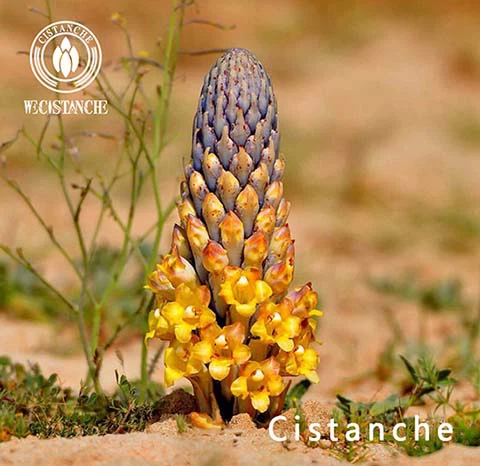
Cistanche deserticola extract can increase alkaline phosphatase (alkaline phosphatase) in osteoporosis model rats. phosphatase, ALP), bone morphogenetic protein-2 (bone morphogenetic protein, BMP-2), osteopontin mRNA and precipitation of bone salt [167], also has a good therapeutic effect on osteoporosis [168]. The medicated serum of Cistanche deserticola can differentiate bone mesenchymal stem cells (BMSCs) into osteoblasts169. Echinacoside can significantly enhance the bone mineral density, bone mechanical properties, bone fiber structure, bone tissue morphology and other indicators of osteoporosis model rats by removing ovaries170, and can also significantly promote cell proliferation and increase the activity of ALP. and collagen content, increase the mineralization level of osteocalcin and osteocytes, and increase the proportion of osteoprotegerin (OPG) and osteoclast differentiation factor kB171. The above shows that echinacoside has a good effect on promoting bone regeneration.

The research on the chemical constituents of Cistanche began in the early 1980s, and Japanese scholars have done a lot of work on it. At that time, in order to solve the problem of aging, Japan began to excavate and develop effective drugs for senile diseases, especially Alzheimer's disease. Because Cistanche deserticola has long been used in clinical practice as a Kidney Supplements, yang-enhancing, and essence-strengthening drug, it has become an in-depth object of research. In the late 1980s, Chinese scholars began to pay attention to the chemical composition of domestic Cistanche deserticola, and there were many research reports.
Studies have shown that resveratrol glucoside, a bioactive compound extracted from the root of Polygonum cuspidatum, can play anti-inflammatory and anti-tumor pharmacological effects [51]. New experimental studies have found that it also has a certain effect on bone metabolism [52]. An in vitro culture study of BMSCs showed that resveratrol glucoside could upregulate the expression of osteogenic genes and promote the maturation of osteoblasts by activating the BMP2-Wnt/β-catenin signaling pathway [53], thereby promoting the formation of BMSCs cultured in vitro. Bone differentiation, accelerated bone formation, this result indicates that resveratrol glucoside has great potential for clinical treatment of SNOFH.
Cordycepin is the main active ingredient extracted from the traditional Chinese herbal medicine Cordyceps sinensis. A study by Wang et al. [54] showed that treatment with cordycepin in BMSCs ameliorated the osteogenic inhibition caused by oxidative stress and enhanced osteogenic differentiation by activating the Wnt/β-catenin signaling pathway [55] , 56].
Recent studies have also confirmed that the Wnt signaling pathway plays a key role in the process of osteogenic differentiation and bone formation [57, 58]. Another study once again showed that cordycepin can reactivate the inhibited Wnt/β-catenin signaling pathway, thereby restoring the osteogenic differentiation of BMSCs in the femoral head [59]. Therefore, cordycepin can improve osteogenic differentiation by activating the Wnt/β-catenin signaling pathway, improve bone formation and play an anti-SNOFH effect.
Cnidium is acrid, bitter in taste, warm in nature, and belongs to the kidney meridian. It has the effects of killing insects and relieving itching, drying dampness and dispelling wind, warming kidney and strengthening yang. Modern pharmacological experiments have shown that osthole can significantly increase the bone density of rats, significantly increase bone quality and improve bone tissue structure. Studies have confirmed [60] that osthole can increase the expression of BMP-2 in rats by activating the Wnt/β-catenin signaling pathway, thereby enhancing the activity of osteoblasts, promoting their proliferation, differentiation and activity, and promoting osteogenesis. , increase bone density and increase bone content. In addition, Zheng Suyang[61] showed that under the intervention of medium, high and high concentrations of osthole, the expression level of Wnt1 protein was significantly up-regulated, and the expression of β-catenin was also enhanced. The promoting effect of sclerostin on osteogenesis is achieved by activating the Wnt/β-catenin signaling pathway and increasing the expression level of Runx2. In vitro experiments by Li Linghui et al. [62] showed that osthole may promote osteogenesis and bone formation by regulating the Wnt/β-catenin pathway or inhibiting the activity of osteoclasts.
Eucommia ulmoides is sweet and warm in nature, and belongs to the two channels of liver and kidney. It has the functions of nourishing the liver and kidney, strengthening the bones and muscles, and strengthening the body. A study [63] showed that the expression of Wnt inhibitory factor was inhibited under the intervention effect of Eucommia alcohol extract, while the expression of β-catenin and Wnt receptor Frizzled (Fzd) 2 and Fzd3 were significantly increased. It can be seen that the promotion of the osteogenic differentiation of BMSCs by eucommia alcohol extract may be achieved by activating the Wnt/β-catenin signaling pathway.
Psoraleae is bitter, pungent, warm in nature, and belongs to the kidney and spleen meridians. It has the effect of invigorating kidney and strengthening yang, consolidating essence and reducing urine. In vitro experiments by Weng et al. [64] showed that psoralen may promote the differentiation of human primary osteoblasts by up-regulating the Wnt/β-catenin signaling pathway, because the experimental results showed that with the increase of psoralen dose , the expression levels of osteocyte Wnt pathway-related proteins β-catenin, LRP5 and Wnt3a were up-regulated.
On and off, warm in nature, pungent and bitter in taste, and belong to the liver and kidney meridians. It has the functions of invigorating the kidney and strengthening the bones, activating the blood vessels, solidifying the chong and soothing the miscarriage. Otakusaponin VI is the main active ingredient extracted from the traditional Chinese medicine Otaku. Li et al[65] confirmed by experiments that the osteogenic differentiation of BMSCs may be achieved by interrupting the Wnt/β-catenin signaling pathway by interrupting saponin VI. As a blocker of Wnt signaling pathway, DKK-1 can significantly block the expression of BMP-2, Runx2, β-catenin and osteocalcin (OCN) genes. The expression of these osteogenic genes was significantly increased under the intervention of BMSCs, and the cell activity and osteogenic differentiation and mineralization of BMSCs were also significantly enhanced. It can be seen that interrupted saponin VI can promote the osteogenic differentiation of BMSCs.
Pueraria is cool in nature, pungent and sweet, and returns to the three meridians of the spleen, lung and stomach. It has the functions of relieving muscle rash, promoting body fluid, raising yang and stopping diarrhea, activating collaterals and dredging meridians, and detoxification. Puerarin is its main active ingredient. Zhang Zhanyong[66] observed the regulation effect of puerarin on hormone-induced adipogenic differentiation of BMSCs, and showed that under the intervention of puerarin, hormone-induced adipogenic differentiation of BMSCs was significantly reduced, and this result may be because puerarin can activate Wnt /β-catenin signaling pathway. This suggests that puerarin can play an anti-SNOFH role.
Morinda officinalis is pungent, sweet, slightly warm in nature, and belongs to the kidney meridian. It has the functions of invigorating the kidney and helping yang, dispelling wind and removing dampness. You Mingcan[67] found that Morinda officinalis may promote the proliferation of osteoblasts and inhibit their apoptosis by regulating the Wnt/β-catenin signaling pathway in a rabbit model of traumatic femoral head necrosis, thereby delaying the femoral head. The role of bone necrosis.
4.2 Traditional Chinese Medicine Compounds On the basis of the thought of syndrome differentiation and treatment, the traditional Chinese medicine compound prescriptions follow the principle of compatibility of the monarch, ministers, assistants and envoys to optimize the combination of traditional Chinese medicines of different natures, flavors and meridians, so that they can exert their respective maximum effects and produce the best therapeutic effect on diseases. Clinical research on the use of traditional Chinese medicine in the treatment of SNOFH has made great progress. ZHANG et al. [68] found through experimental research that the SNOFH rabbits treated with Youguiyin were observed from the perspective of local bone tissue morphology, and the thinned bone tissue Or fractured trabecular bone was significantly improved, while the destruction of pyknotic nuclei surrounded by bone marrow cells and the empty bone lacunae of osteocytes were greatly reduced. After the detection of related proteins and cell staining results, it was confirmed that Youguiyin reversed the inhibitory effect of GC on Wnt signaling, increased the protein expression of β-catenin and GSK-3β activity inhibitors, and increased the level of OCN in necrotic femoral head bone tissue. , changed the ratio of OB and OC, reduced bone damage, enhanced bone bearing capacity and achieved the purpose of repairing femoral head necrosis. Invigorating the kidney and activating blood, invigorating Qi and relieving pain are the main treatment principles of Bushen Huoxue recipe. effect [69]. Xerox et al. [70] found that Bushen Huoxue Recipe could increase the expression of VEGF and promote angiogenesis in tissues around ONFH. The study also showed that Bushen Huoxue Recipe could significantly increase Wnt10b, β-catenin signaling pathway by activating the Wnt/β-catenin signaling pathway. The expression level of catenin and other proteins can enhance the mineralization activity of osteoblasts and has obvious anti-ONFH effect. Zhang Xiang et al. [71] intended to use Bushen Huoxue Recipe to intervene in the rabbit SNOFH model in order to clarify the mechanism of action of Bushen Huoxue Recipe on SNOFH in rabbits. Adiponectin (APN) can inhibit the expression of osteoclasts in tissues and promote the formation of osteoblasts [72].
After the detection of APN, tumor necrosis factor-α, osteoprotegerin and other levels, it was found that Bushen Huoxue Recipe significantly increased the level of APN in rabbit SNOFH model. Therefore, Bushen Huoxue Recipe has the effect of invigorating the kidney and activating blood, reducing the inflammatory response, and can play a role in delaying the process of SNOFH in rabbits.
Xie Lei et al. [73] used the combination of Qianggu capsule and guided bone regeneration to repair femoral head bone defects and found that this method significantly up-regulated the mRNA expression of BMP2, VEGF, Runx2, bone tissue alkaline phosphatase and other genes in the bone defect. Therefore, it can be confirmed that the bone cells with repairing ability are more likely to enter the bone defect cavity for bone repair through the combination of Bushen Huoxue formula and bone regeneration technology. Therefore, the traditional Chinese medicine compound of tonifying kidney and activating blood can achieve the effect of improving SNOFH by reversing the inhibition of hormone on Wnt/β-catenin signaling pathway and up-regulating the expression level of downstream target genes.
The study by Urisana et al[74] showed that Huoxue Tongluo Capsules can significantly inhibit the apoptosis of osteocytes induced by methylprednisolone, increase the expression of β-catenin and OPG in serum, improve the structure of trabecular bone, and have a positive effect on SNOFH. significant intervention. Previous in vitro studies [75] indicated that Huoxue Tongluo Capsules may promote the osteogenic differentiation of BMSCs and delay the progression of femoral head necrosis through this pathway. In addition, Wu Zhongshu et al. [76] also confirmed that Huoxue Tongluo Capsule may delay the process of SNOFH by promoting the osteogenesis of BMSCs by up-regulating the ERα-Wnt/β-catenin signaling pathway.
Su Lianglei's research [77] showed that Shenggu Zaizao Pills can inhibit the expression of DKK1 and activate the expression of β-catenin, Wnt1 protein and gene, and promote the osteogenic differentiation of BMSCs by activating the Wnt/β-catenin signaling pathway. can improve SNOFH.
If you have any question, please send us Email: wallencesuen@wecistanche.com