Research Progress On Immune Nephritis In 2023 Ⅱ
Jan 29, 2024
Membranous nephropathy (MN)
(1) MN neoantigens
In May 2023, "Kidney International" published the Mayo Clinic's consensus report on MN, proposing a two-step classification of MN. At least 14 MN target antigens have been discovered, accounting for 80% to 90% of MN cases. Many MNs associated with these novel target antigens have unique clinical and pathological phenotypes, which challenge traditional classification methods of primary and secondary MNs. It is not generally feasible to detect all target antigens at this stage, but the meeting agreed that a new era of antigen-based MN classification has entered. In the first step, where possible, the target antigen is determined by staining renal biopsy tissue and/or mass spectrometry in combination with serology, immunofluorescence, or immunohistochemistry. The second step is to look for underlying diseases. The top three target antigens of MN are antiphospholipase A2 receptor (PLA2R) (55%), NELL1 (10%), and EXT1/2 (7%). Therefore, the consensus recommends that patients with MN should be tested for PLA2R and NELL1 first, and if negative, other target antigens should be further tested. Finally, combined with the patient's pathology (kidney pathological characteristics, target antigens identified through immunofluorescence, immunohistochemistry or mass spectrometry), serology (MN autoantibodies, serological changes in other autoimmune diseases, serological changes in infection), and demographic data and medication history, clinical manifestations (comorbidities, imaging manifestations), to determine the final diagnosis and classification of MN.

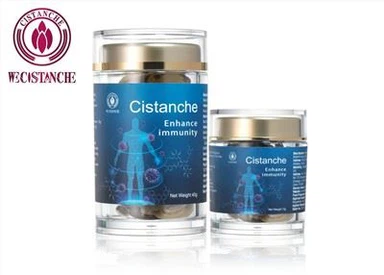
Click to Cistanche for kidney disease
In May 2023, "Kidney International" published the research results of Casa et al. The team found 7 immune complexes deposited in the glomeruli of PLA2R, THSD7A, exostosin, and NELL1-negative MN patients and patients with SLE membranous lesions. Several putative neoantigens include FCN3, CD206, EEA1, SEZ6L2, NPR3, MST1 and VASN. The above seven antigens are all expressed by podocytes. A review article in the same period pointed out that although the discovery of some new antigens did not find corresponding antibodies in the circulation, and the correlation between antigen specificity and clinical phenotypes is difficult to summarize in a few cases, the research method is worthy of clinical promotion.
In August 2023, "Kidney International" published a study by Sethi and others, which found that proprotein convertase subtilisin 6 protein (PCSK6) may be the target antigen of nonsteroidal anti-inflammatory drugs (NSAIDs)-related MN. Researchers performed glomerular laser microdissection and mass spectrometry analysis on 250 PLA2R-negative MN patients. PCSK6 was detected in 5 patients, and 8 PCSK6-positive cases were found in the validation cohort. All 13 patients were negative for other known MN antigens. IgG elution and Western Blot analysis of eluates from frozen biopsy tissue verified the presence of anti-PSCK6 antibodies in the serum. Immunohistochemistry further revealed granular deposition of PCSK6 protein along GBM, and subepithelial electron-dense deposition was seen under electron microscopy. Ten of the 13 patients had a history of heavy NSAID use. Therefore, the researchers believe that PCSK6 may be a new antigen target related to the use of NSAIDs in MN. If PCSK6 is detected in immunohistochemistry, immunofluorescence, or mass spectrometry studies of MN, it is necessary to fully consider the relationship between MN and NSAIDs. correlation.
(2) Novel anti-CD20 monoclonal antibody for the treatment of primary MN (PMN)
In September 2023, the American Journal of Nephrology published a retrospective study to evaluate whether ofatumumab can be used to treat MN patients who are resistant or intolerant to rituximab. Ofatumumab is a fully human second-generation anti-CD20 antibody. In this study, 7 patients who were intolerant to rituximab all showed complete or partial clinical remission, while 10 patients were resistant to rituximab. Three of the drug-resistant patients showed complete or partial clinical remission. All patients with PLA2R-associated MN had reduced antibody levels. Studies have shown that ofatumumab can significantly reduce proteinuria and increase serum albumin and IgG levels in MN patients. Ofatumumab may be a promising option for MN patients who are intolerant to rituximab.

MIL62 is a new glycoengineered type II anti-CD20 antibody and the first domestic third-generation CD20 antibody. Compared with the first-generation anti-CD20 antibody rituximab, it shows stronger ADCC activity and clearance in the body Abnormal ability to activate B cells. In June 2023, the phase II clinical data of MIL62 in the treatment of MN was announced in the form of an oral report during the 60th European Kidney Association Congress. A total of 86 MN patients with proteinuria ≥3.5 g/d were included in the study, and 60 patients received at least 12 weeks of follow-up, 24/40 (60%) patients in the MIL62 group and 7/20 (35%) patients in the cyclosporine group achieved complete or partial response; 26 patients received at least 24 weeks of follow-up. Among them, 11/18 patients (61.1%) in the MIL62 group and 2/8 (25%) patients in the cyclosporine group achieved partial response. The study believes that MIL62 has a faster onset of action than rituximab, with 62.9% (22/35) of patients achieving complete or partial remission at 24 weeks, while the 6-month response to rituximab reported in the Mentor study The rate is 35% (23/65). The incidence rates of treatment-related adverse events in the MIL62 600 mg group, MIL62 1000 mg group, and cyclosporine group were 73.3%, 77.1%, and 88.5% respectively, and no treatment-related death occurred. Data show that MIL62 has obvious clinical advantages over the first-generation CD20 antibody rituximab and calcineurin inhibitors in terms of safety, efficacy, protection of renal function, and compliance.
(3) Anti-CD38 monoclonal antibody (Felzartamab, Felzartamab) for the treatment of PMN
In November 2023, the results of the M-PLACE study were announced in an oral report at the American Society of Nephrology Annual Meeting. This is a Phase Ib/IIa proof-of-concept, open-label, multinational study designed to evaluate the safety and efficacy of felzartamab in adult patients with PLA2R antibody (aPLA2R)-positive PMN. This study included two groups of aPLA2R-positive PMN patients, namely newly diagnosed or relapsed patients (C1, 18 cases) and refractory patients (C2, 13 cases). The patients received nine infusions of Felzartamab over 5 months, with a total observation period of 12 months. The study results showed that among 31 patients, 23 (74%) achieved an immune response that reduced aPLA2R by more than 50%, and 8 (26%) of them achieved a complete immune response. Within 12 months, 47% of patients in the C1 arm and 18% of patients in the C2 arm achieved partial remission of proteinuria, but no patients achieved complete remission. Infusion reactions (29.0%) were the most common drug-related adverse events.

How Does Cistanche Treat Kidney Disease?
Cistanche is a traditional Chinese herbal medicine used for centuries to treat various health conditions, including kidney disease. It is derived from the dried stems of Cistanche deserticola, a plant native to the deserts of China and Mongolia. The main active components of cistanche are phenylethanoid glycosides, echinacoside, and acteoside, which have been found to have beneficial effects on kidney health.
Kidney disease, also known as renal disease, refers to a condition in which the kidneys are not functioning properly. This can result in a buildup of waste products and toxins in the body, leading to various symptoms and complications. Cistanche may help treat kidney disease ase through several mechanisms.
Firstly, cistanche has been found to have diuretic properties, meaning it can increase urine production and help eliminate waste products from the body. This can help relieve the burden on the kidneys and prevent the buildup of toxins. By promoting diuresis, cistanche may also help Reduce high blood pressure, a common complication of kidney disease.
Moreover, cistanche has been shown to have antioxidant effects. Oxidative stress, caused by an imbalance between the production of free radicals and the body's antioxidant defenses, plays a key role in the progression of kidney disease. ies help neutralize free radicals and reduce Oxidative stress, thereby protecting the kidneys from damage. The phenylethanoid glycosides found in cistanche have been particularly effective in scavenging free radicals and inhibiting lipid peroxidation.
Additionally, cistanche has been found to have anti-inflammatory effects. Inflammation is another key factor in the development and progression of kidney disease. Cistanche's anti-inflammatory properties help reduce the production of pro-inflammatory cytokines and inhibit the activation of inflammation mandatory pathways, thus alleviating inflammation in the kidneys.
Furthermore, cistanche has been shown to have immunomodulatory effects. In kidney disease, the immune system can be dysregulated, leading to excessive inflammation and tissue damage. Cistanche helps regulate the immune response by modulating the production and activity of immune cells, such as T cells and macrophages. This immune regulation helps reduce inflammation and prevent further damage to the kidneys.
Moreover, cistanche has been found to improve renal function by promoting the regeneration of renal tubes with cells. Renal tubular epithelial cells play a crucial role in the filtration and reabsorption of waste products and electrolytes. In kidney disease, these cells can be damaged, leading to damaged renal function. Cistanche's ability to promote the regeneration of these cells helps restore proper renal function and improve overall kidney health.

In addition to these direct effects on the kidneys, cistanche has been found to have beneficial effects on other organs and systems in the body. This holistic approach to health is particularly important in kidney disease, as the condition often affects multiple organs and systems. che has been shown to have protective effects on the liver, heart, and blood vessels, which are commonly affected by kidney disease. By promoting the health of these organs, cistanche helps improve overall kidney function and prevent further complications.
In conclusion, cistanche is a traditional Chinese herbal medicine used for centuries to treat kidney disease. Its active components have diuretic, antioxidant, anti-inflammatory, immunomodulatory, and regenerative effects, which help improve renal function and protect the kidneys from further damage. , cistanche has beneficial effects on other organs and systems, making it a holistic approach to treating kidney disease.