Research Progress On Immune Nephritis In 2023 Ⅲ
Jan 29, 2024
Lupus nephritis (LN)·
(1) European League of Rheumatology Associations (EULAR) updates systemic lupus erythematosus (SLE) management recommendations in 2023
EULAR updates SLE treatment recommendations based on new evidence. The world's leading experts in the field of SLE from four continents formed a working group and conducted a systematic literature review. The working group agreed on five overarching principles and reduced the recommendations to 13.

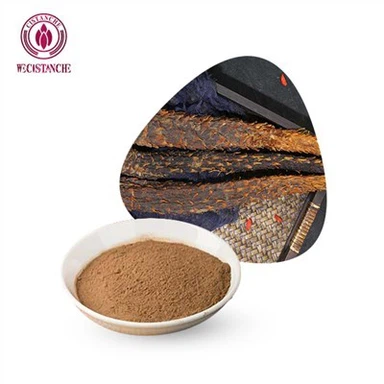
Click to Cistanche for kidney disease
To develop a general framework for the treatment of patients with SLE and the role of doctor-patient interaction, the group agreed on 5 principles, such that SLE requires multidisciplinary, individualized management, patient education, and shared decision-making, taking into account the cost to patients and society should be considered at every Assess SLE disease activity at presentation (frequency depends on physician discretion) and assess organ damage using validated tools (at least once per year). The working group reached 13 recommendations in the areas of optimal use of commonly used medications (1-4), organ manifestations (5-12), and other treatments and comorbidities.
Recommended highlights include:
●Hydroxychloroquine should be given to all SLE patients at a target dose of 5 mg/(kg·d), and the individual risk of erythema and retinal toxicity should be considered.
●Corticosteroids should be used as "bridging therapy" during disease activity and should be minimized and discontinued for maintenance therapy when possible.
●Consider cyclophosphamide and rituximab respectively for severe and refractory disease.
●Different patient characteristics should be considered in the treatment of LN, using belimumab or calcineurin inhibitors.
●Provide a holistic approach to care for SLE patients who require immunosuppressive treatment and those who require complementary treatment.
●Conduct quality control in tabular form as a checklist of how medical and nursing care is performed.
(2) NLRP12 serves as an innate immune checkpoint that inhibits interferon (IFN) signaling and slows down the progression of LN
In February 2023, J Clin Invest published a new mechanism of regulation of the key cytokine IFN in SLE. NLRP12 is a Pyrin-containing NLR protein that is a negative regulator of innate immune activation and type I IFN (IFN-I) production. In February 2023, Szu-Ting Chen et al. found that the expression level of NLRP12 in peripheral blood mononuclear cells of SLE patients was low and was negatively correlated with IFNA expression levels and disease activity. Under IFN-I treatment, NLRP12 expression is suppressed by Runt-related transcription factor 1-dependent epigenetic regulation, which enhances the negative feedback loop between low NLRP12 expression and IFN-I production. Reduced NLRP12 protein levels in SLE monocytes correlate with spontaneous activation of innate immune signaling and hyperresponsiveness to nucleic acid stimulation. Pristane-treated Nlrp12-/- mice exhibit enhanced inflammation and immune responses. In NLRP12-deficient SLE-susceptible mice, marked lymphoid tissue hypertrophy is characterized. In addition, there is increased production of autoantibodies, enhanced glomerular IgG deposition, monocyte recruitment, and worsening of renal function. These are all expressed in a characteristic IFN-I-dependent manner in mouse models. The study revealed a significant link between low NLRP12 expression and SLE progression, suggesting the impact of NLRP12 on homeostasis and immune tolerance.

(3) New DDX58 pathogenic variants cause overactivation of RIG-I and lead to LN
In February 2023, the Journal of the American Society of Nephrology published the results of the pathogenic gene variant DDX58 identified by whole-exome sequencing in a Chinese LN patient cohort. The study discovered a new DDX58 pathogenic variant R109C in five unrelated LN families. The DDX58 R109C mutant is a gain-of-function mutation that reduces its inhibitory function, leading to RIG-I hyperactivation, increased RIG-I K63 ubiquitination, recruitment of MAVS, and enhanced IFN-I signaling. Transcriptome analysis found increased IFN signaling specifically in the patient's monocytes. JAK inhibitor treatment (baricitinib 2 mg/d) can effectively suppress IFN signal in 1 patient. Results indicate that a novel LN-causing DDX58 R109C variant links IFN disease to LN, suggesting future targeted therapies based on the pathogenic etiology.
(4) The mechanism of sodium-glucose cotransporter 2 (SGLT2) inhibitors in the treatment of LN
In October 2023, the Annals of Rheumatism published experimental evidence that SGLT2 inhibitors may have played a positive protective role in LN. This study showed through animal experiments that empagliflozin can significantly reduce blood dsDNA, blood creatinine, and urine protein levels in SLE mice, and can significantly alleviate renal tissue damage. Studies have found that SGLT2 is highly expressed in podocytes of LN patients and mice and may be related to podocyte damage. SGLT2 inhibitors can protect podocytes by reducing the level of NLRP3 inflammasome, inhibiting mTORC1 activity, and promoting autophagy. At the same time, the study retrospectively analyzed 9 LN patients who received SGLT2 inhibitor treatment and found that after 2 months of follow-up, the patient's proteinuria level decreased by 29.6% to 96.3%, and during the SGLT2 inhibitor treatment period, the patient's renal function improved. keep it steady. The results provide a new theoretical basis for non-immunosuppressive treatment of LN.
(5) Daratumumab in the treatment of refractory LN
In August 2023, "Nature Medicine" published the results of daratumumab (an anti-CD38 monoclonal antibody targeting plasma cells) in the treatment of 6 patients with refractory LN. After one year of monoclonal antibody treatment, only one patient did not improve. After 3 months, 3 of the remaining 5 patients achieved complete renal remission, and 2 achieved partial renal remission. At 12 months, the mean serum creatinine level in this group fell from 2.3 mg/dl to 1.5 mg/dl, and total proteinuria fell from a mean of 5.6 g/d to 0.8 g/d. During treatment, gamma-IFN levels decreased, interleukin-10 levels increased, B-cell maturation factor levels decreased, and no circulating CD38 cells were detected. This study suggests that targeting B cell systems other than CD20-expressing cells may be a therapeutic direction for this type of patient.

(6) Subgroup analysis data of belimumab in the treatment of LN
In March 2023, the American Journal of Kidney Diseases published the results of the subgroup analysis of the East Asian population in the BLISS-LN phase III clinical trial. The study enrolled 142 LN patients from mainland China, Hong Kong, South Korea, and Taiwan, who received belimumab (n=74) or placebo (n=68) plus standard treatment. Patients received intravenous belimumab 10 mg/kg or placebo, plus standard treatment (oral corticosteroids and cyclophosphamide induction, followed by azathioprine maintenance, or MMF induction and maintenance), and the total observation period was 104 weeks. At the discretion of the investigator, 1 to 3 intravenous pulses of methylprednisolone, 500 to 1000 mg each time, can be given during the induction period. The primary endpoint was the primary efficacy renal response at week 104 [PERR, that is, UPCR ≤ 0.7 g/g, eGFR reduction not exceeding 20% or ≥ 60 ml/(min·1.73m2), and no treatment failure]. Key secondary endpoints include complete renal response (CRR, urine protein to creatinine ratio <0.5 g/g, eGFR reduction not more than 10% or ≥90 ml/(min·1.73m2), and no treatment failure) at week 104; PERR at 52 weeks; time to kidney-related events or death and safety. The study results showed that at week 104, compared with the placebo, the belimumab group had PERR [53% vs 37%; OR, 1.76 (95% CI, 0.88-3.51)] and CRR [35% vs 25%; OR, 1.73 (95%CI, 0.80~3.74)] higher. At week 52, the belimumab group was more likely to achieve PERR [62% vs 37%; OR, 2.74 (95% CI, 1.33-5.64)]. Compared with placebo, belimumab reduced the risk of kidney-related events or death at any time [HR, 0.37 (95% CI, 0.15 to 0.91)]. Safety was similar across treatment groups.
(7) Safety and effectiveness of Voclosporin in treating LN
In July 2023, Arthritis & Rheumatology published results from the AURORA 2 trial, which evaluated voclosporin compared with placebo in patients with LN who received an additional two years of treatment after completing the one-year AURORA 1 study. long-term safety, tolerability, and efficacy. Enrolled patients continued to receive double-blind treatment with voclosporin or placebo as randomized in AURORA 1, combined with MMF and low-dose corticosteroids. The primary endpoints were safety, assessed by adverse events, and biochemical and hematological assessments, and efficacy, assessed by renal response. A total of 216 patients participated in AURORA 2. The treatment was well tolerated, with 86.1% of patients completing the study, and there were no unexpected safety signals. Adverse events occurred in 86% of patients in the voclosporin group and 80% of patients in the control group, respectively. The adverse event profile was similar to that in AURORA 1, but the frequency was reduced. The researchers reported that the adverse events of reduced eGFR and hypertension occurred more frequently in the voclosporin group than in the control group (10.3% vs 5.0% and 8.6% vs 7.0%, respectively). Mean corrected eGFR was within the normal range and stable in both treatment groups. The eGFR slope over two years in the voclosporin group was -0.2 ml/(min·1.73m2) (95% CI, -3.0 to 2.7), compared with -5.4 ml/(min·1.73m2) (95% CI, -3.0 to 2.7) in the control group. CI, -8.4~2.3). Proteinuria continued to improve during 3 years of treatment, and the renal response was higher in the voclosporin group (50.9% vs 39.0%; OR, 1.74; 95% CI, 1.00-3.03). After 3 years of follow-up, data demonstrate the safety and efficacy of long-term cyclosporine treatment in patients with LN.
How Does Cistanche Treat Kidney Disease?
Cistanche is a traditional Chinese herbal medicine used for centuries to treat various health conditions, including kidney disease. It is derived from the dried stems of Cistanche deserticola, a plant native to the deserts of China and Mongolia. The main active components of cistanche are phenylethanoid glycosides, echinacoside, and acteoside, which have been found to have beneficial effects on kidney health.
Kidney disease, also known as renal disease, refers to a condition in which the kidneys are not functioning properly. This can result in a buildup of waste products and toxins in the body, leading to various symptoms and complications. Cistanche may help treat kidney disease ase through several mechanisms.
Firstly, cistanche has been found to have diuretic properties, meaning it can increase urine production and help eliminate waste products from the body. This can help relieve the burden on the kidneys and prevent the buildup of toxins. By promoting diuresis, cistanche may also help Reduce high blood pressure, a common complication of kidney disease.
Moreover, cistanche has been shown to have antioxidant effects. Oxidative stress, caused by an imbalance between the production of free radicals and the body's antioxidant defenses, plays a key role in the progression of kidney disease. ies help neutralize free radicals and reduce Oxidative stress, thereby protecting the kidneys from damage. The phenylethanoid glycosides found in cistanche have been particularly effective in scavenging free radicals and inhibiting lipid peroxidation.
Additionally, cistanche has been found to have anti-inflammatory effects. Inflammation is another key factor in the development and progression of kidney disease. Cistanche's anti-inflammatory properties help reduce the production of pro-inflammatory cytokines and inhibit the activation of inflammation mandatory pathways, thus alleviating inflammation in the kidneys.
Furthermore, cistanche has been shown to have immunomodulatory effects. In kidney disease, the immune system can be dysregulated, leading to excessive inflammation and tissue damage. Cistanche helps regulate the immune response by modulating the production and activity of immune cells, such as T cells and macrophages. This immune regulation helps reduce inflammation and prevent further damage to the kidneys.

Moreover, cistanche has been found to improve renal function by promoting the regeneration of renal tubes with cells. Renal tubular epithelial cells play a crucial role in the filtration and reabsorption of waste products and electrolytes. In kidney disease, these cells can be damaged, leading to damaged renal function. Cistanche's ability to promote the regeneration of these cells helps restore proper renal function and improve overall kidney health.
In addition to these direct effects on the kidneys, cistanche has been found to have beneficial effects on other organs and systems in the body. This holistic approach to health is particularly important in kidney disease, as the condition often affects multiple organs and systems. che has been shown to have protective effects on the liver, heart, and blood vessels, which are commonly affected by kidney disease. By promoting the health of these organs, cistanche helps improve overall kidney function and prevent further complications.
In conclusion, cistanche is a traditional Chinese herbal medicine used for centuries to treat kidney disease. Its active components have diuretic, antioxidant, anti-inflammatory, immunomodulatory, and regenerative effects, which help improve renal function and protect the kidneys from further damage. , cistanche has beneficial effects on other organs and systems, making it a holistic approach to treating kidney disease.