Research Progress On Immune Nephritis In 2023Ⅴ
Jan 29, 2024
Membranoproliferative glomerulonephritis (MPGN)
(1) HLA-DR17 may be a predictive factor for end-stage renal disease caused by MPGN
The team of Professor Halimat Afolabi from Stanford University School of Medicine in California published a study on human leukocyte antigen (HLA) serotypes in MPGN in Am J Kidney Dis. Among the 58 HLA serotypes tested, 18 were related to end-stage disease caused by MPGN. Kidney disease is associated, and HLA-DR17 has the strongest correlation in both black and white patients. As a subtype of MPGN, no HLA serotype is statistically significantly associated with the end-stage renal disease caused by the dense deposit disease group (DDD), suggesting that the underlying pathogenesis of MPGN and DDD may be different. Adam P. Levine et al. conducted a GWAS on MPGN in 2020 and concluded that the HLA genotype is associated with MPGN, but few studies have proven the accuracy of this analysis since then. This study is the largest study to date on the association of MPGN with DDD and HLA, but the rarity of the disease limits the study sample size, especially when stratified by specified race. Therefore, this study may not have sufficient power to verify the HLA correlation.

Click to Cistanche for kidney disease
(2) The presence of rare variants in complement genes is associated with poor renal prognosis in MPGN
In November 2023, Sophie Chauvet and others published a study on the correlation between complement genetic factors and MPGN prognosis in the Journal of the American Society of Clinical Nephrology. Epidemiological, clinical, and immunological data and renal outcomes were retrospectively collected through screening of 3 complement genes: CFH, CFI, and C3 in 296 cases of C3 nephropathy (C3G) and 102 cases of immune complex-mediated MPGN. Fifty-three different rare variants were identified in 66/398 (17%) patients, including 30 (57%), 13 (24%), 10 (19%), and 38 species (72%) variants that were classified as pathogenic. The clinical and histological characteristics of the 3 variant groups were similar, and renal outcomes were poor regardless of age at onset and treatment received. 65% (43/66) of patients with rare variants achieved renal failure after a median of 41 (19-104) months, while 28% (55/195) of the non-variant group achieved renal failure at a median of 34 (12-143) months. failure, whereby the presence of rare variants in complement genes is thought to be associated with poor renal survival.
(3) Complement inhibitors for the treatment of MPGN
Marina Noris and Giuseppe Remuzzi review the current standards of treatment for MPGN in the August 2023 issue of Nephrol Dial Transplant, discussing the pathophysiology, diagnosis, prognostic prediction, and treatment of C3G and immune complex-associated MPGN (IG-MPGN). new developments. In addition to basic angiotensin-converting enzyme inhibitors/angiotensin II receptor blockers, patients with nephrotic syndrome or progressive renal function deterioration can try MMF and oral prednisone, but optimal treatment continues Timing and long-term benefits are uncertain.
Although there are treatments such as hormones, immunosuppressants, and anti-C5 monoclonal antibodies, there is still a lack of a unified consensus treatment plan for MPGN. MPGN is a group of heterogeneous diseases. Taking C3G as an example, complement gene abnormalities are only found in 13% to 25% of patients. The presence rate of complement autoantibodies varies greatly among the population, although eculizumab is available It may be an option as an option in patients with a disease that is refractory to other treatments or has progressive disease, but to date, no complement inhibitors have been approved for treatment. Increased formation and activity of the complement alternative pathway C3 convertase is thought to underlie the pathogenesis of C3G, and this pathway has also become a target for the development of new therapies.

Two phase II studies (NCT03369236, NCT03459443) evaluated the pharmacokinetics/pharmacodynamics, efficacy, and safety of Danicopan in patients with C3G and patients with C3G or IG-MPGN, respectively. In both studies, C3 and sC5b-9 levels did not reach the normal range, a finding that confirms that Danicopan plasma concentrations are suboptimal in sustaining the inhibition of alternative pathway activity. Therefore, limited clinical responses were observed in both studies: biopsy composite index and activity index scores slightly improved from baseline, but the mean chronic index did not improve or worsen, and glomerular C3 staining did not change from baseline. In both Danicopan studies, baseline FD concentration was inversely associated with eGFR.
This finding is consistent with the fact that FD is filtered through the glomerulus and catabolized in the proximal tubule, such that patients with renal impairment have higher than normal FD levels. Furthermore, the extent of alternative pathway inhibition and clinical response to FD inhibition exhibit large interindividual variability.
Iptacopan specifically inhibits the enzymatic activity of C3 convertase, blocking C3 cleavage and activation of the amplification loop without affecting the classical/lectin pathway. In preclinical studies, Iptacopan blocked complement activation in the serum of C3G patients and inhibited the activity of C3 convertase stabilized by C3NeFs. In an open-label phase II study (NCT03832114), treatment with Iptacopan for 12 weeks was associated with a significant (45%) reduction in proteinuria in patients with C3G in the native kidney (Cohort A) and a significant reduction in C3 deposition post-transplantation in renal allografts of patients with recurrent C3G (cohort B).
Preliminary results at 12 months for 26 patients entering the long-term extension study (NCT03955445) show that 53% of patients in Cohort A achieved the composite endpoint of stable/improved eGFR, a ≥50% decrease in UPCR from baseline, and a ≥50% increase in serum C3 %. In patients in group B, eGFR was stable and C3 levels increased by 96%. A multicenter, double-blind, placebo-controlled Phase III study (APPEAR-C3, NCT04817618) is ongoing in adolescent and adult patients with C3G, randomized to iptacopan or placebo for 6 months, followed by iptacopan for 6 months. Open-label treatment. Its primary objective was to evaluate the efficacy of Iptacopan versus placebo in reducing proteinuria.
Pegcetacoplan is a synthetic cyclic peptide that can inhibit C3 activation through three pathways. Pegcetacoplan also binds to C3b, preventing the activity of the alternative pathway C3 and C5 convertases. The safety and efficacy of Pegcetacoplan have been studied in a phase II open-label study (DISCOVERY, NCT03453619), which enrolled 21 patients with different glomerular lesions. Results from 7 C3G patients who completed 48 weeks of treatment showed a 6-fold increase in serum C3 and a 57.3% decrease in plasma sC5b-9 levels, indicating that Pegcetacoplan can counteract complement hyperactivity at C3 and C5 levels. During treatment, proteinuria decreased by 50.9% and serum albumin increased. A Phase III placebo-controlled, double-blind study is currently underway in adults and adolescents with C3G or IG-MPGN [NCT05067127, VALIANT (Phase III study to evaluate the efficacy of Pegcetacoplan in patients with C3 glomerulopathy or IG-MPGN) and security)].
The primary endpoint was the proportion of subjects with at least a 50% reduction in UPCR from baseline at week 26.

Phase II studies are planned in other renal patients with C3G and other complement inhibitors, including bifunctional KP104, a monoclonal anti-C5 antibody linked to the FH regulatory domain that inhibits both the common terminal pathway and alternative pathway C3 convertase (NCT05517980), and the anti-Bb humanized monoclonal antibody NM8074 (NCT05647811). New complement-targeted drugs are entering the clinic, expanding the therapeutic potential of C3G and IG-MPGN.
How Does Cistanche Treat Kidney Disease?
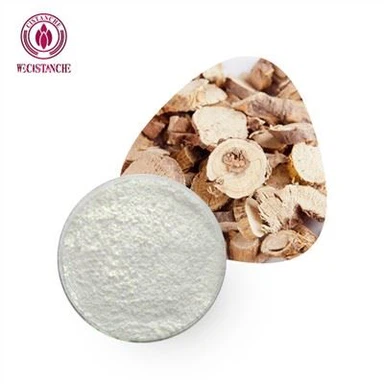
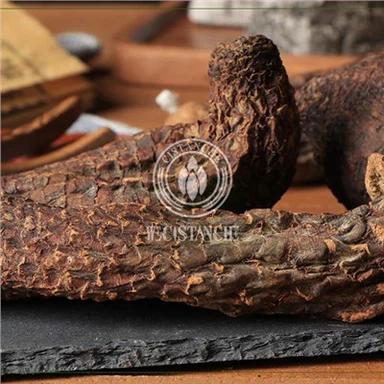
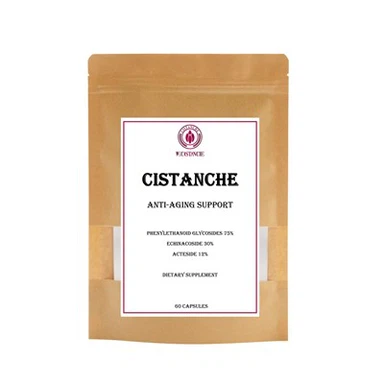
Cistanche is a traditional Chinese herbal medicine used for centuries to treat various health conditions, including kidney disease. It is derived from the dried stems of Cistanche deserticola, a plant native to the deserts of China and Mongolia. The main active components of cistanche are phenylethanoid glycosides, echinacoside, and acteoside, which have been found to have beneficial effects on kidney health.
Kidney disease, also known as renal disease, refers to a condition in which the kidneys are not functioning properly. This can result in a buildup of waste products and toxins in the body, leading to various symptoms and complications. Cistanche may help treat kidney disease ase through several mechanisms.
Firstly, cistanche has been found to have diuretic properties, meaning it can increase urine production and help eliminate waste products from the body. This can help relieve the burden on the kidneys and prevent the buildup of toxins. By promoting diuresis, cistanche may also help Reduce high blood pressure, a common complication of kidney disease.
Moreover, cistanche has been shown to have antioxidant effects. Oxidative stress, caused by an imbalance between the production of free radicals and the body's antioxidant defenses, plays a key role in the progression of kidney disease. ies help neutralize free radicals and reduce Oxidative stress, thereby protecting the kidneys from damage. The phenylethanoid glycosides found in cistanche have been particularly effective in scavenging free radicals and inhibiting lipid peroxidation.
Additionally, cistanche has been found to have anti-inflammatory effects. Inflammation is another key factor in the development and progression of kidney disease. Cistanche's anti-inflammatory properties help reduce the production of pro-inflammatory cytokines and inhibit the activation of inflammation mandatory pathways, thus alleviating inflammation in the kidneys.
Furthermore, cistanche has been shown to have immunomodulatory effects. In kidney disease, the immune system can be dysregulated, leading to excessive inflammation and tissue damage. Cistanche helps regulate the immune response by modulating the production and activity of immune cells, such as T cells and macrophages. This immune regulation helps reduce inflammation and prevent further damage to the kidneys.

Moreover, cistanche has been found to improve renal function by promoting the regeneration of renal tubes with cells. Renal tubular epithelial cells play a crucial role in the filtration and reabsorption of waste products and electrolytes. In kidney disease, these cells can be damaged, leading to damaged renal function. Cistanche's ability to promote the regeneration of these cells helps restore proper renal function and improve overall kidney health.
In addition to these direct effects on the kidneys, cistanche has been found to have beneficial effects on other organs and systems in the body. This holistic approach to health is particularly important in kidney disease, as the condition often affects multiple organs and systems. che has been shown to have protective effects on the liver, heart, and blood vessels, which are commonly affected by kidney disease. By promoting the health of these organs, cistanche helps improve overall kidney function and prevent further complications.
In conclusion, cistanche is a traditional Chinese herbal medicine used for centuries to treat kidney disease. Its active components have diuretic, antioxidant, anti-inflammatory, immunomodulatory, and regenerative effects, which help improve renal function and protect the kidneys from further damage. , cistanche has beneficial effects on other organs and systems, making it a holistic approach to treating kidney disease.