Research Progress On The Efficacy Of Fecal Microbiota Transplantation in The Treatment Of Chronic Functional Constipation
Sep 14, 2023
Chronic functional constipation (CFC) is a disease characterized by difficulty in defecation, reduced defecation frequency, and a feeling of incomplete defecation as the main symptoms, and does not meet the diagnostic criteria of irritable bowel syndrome. A systematic review by Barberio et al showed that the global prevalence of functional constipation is 10.1%. The prevalence of functional constipation in my country is 8.5%. In the past, the main methods for treating CFC were to use laxatives and adjust living and dietary habits. However, some patients' symptoms do not improve significantly after treatment and may even worsen, or complications may occur. Patients with poor results from conservative treatment may consider surgical treatment. Existing treatment methods cannot solve the pain of CFC patients, and there is an urgent need to find reliable and effective treatments.

Fecal microbiota transplantation is an emerging special organ transplantation, which transplants fecal flora from healthy people into the intestines of CFC patients to reconstruct the intestinal flora structure and adjust the metabolic processes, products, and signaling pathways in the body. , thereby improving constipation symptoms. Research on the application of fecal microbiota transplantation to CFC patients has been carried out in some areas. The results show that fecal microbiota transplantation can improve the clinical symptoms of CFC patients in the short term and has fewer serious adverse reactions. However, some patients have poor efficacy and the long-term effects of fecal microbiota transplantation are The effectiveness needs to be verified. This article reviews the research progress on the efficacy of fecal microbiota transplantation in the treatment of CFC to provide a reference for further optimizing its clinical application.
1. CFC patients
Intestinal flora characteristics
Studies have found that intestinal flora imbalance plays an important role in the pathogenesis of CFC, which is mainly manifested by a decrease in the diversity of intestinal flora and a decrease in obligate anaerobes, while potentially pathogenic bacteria and fungi increase, among which the proportion of Bacteroidetes increases significantly. Bifidobacteria and Lactobacilli were reduced, while Kim et al found that CFC patients had reduced Bacteroidetes levels. This difference may be caused by age, environment, and diet. It can be seen that changes in intestinal flora are an important step in the occurrence of CFC, and regulating intestinal flora to restore it to its original level may be the key to alleviating patient symptoms.
2. Fecal microbiota transplantation treatment
The efficacy of CFCs
Fecal bacterial transplantation was first used to treat constipation in 1989. Borody et al. performed fecal bacterial transplantation through colonoscopy and the cure rate was 36%. Several randomized controlled trials (RCTs) in my country have shown that fecal bacterial transplantation is more effective in treating CFC than traditional cathartics, with an effective rate of 94.23%. According to the constipation-related scale scores, patients' subjective symptoms have been significantly improved. Overall, the short-term efficacy of fecal bacterial transplantation in patients with CFC is considerable. However, due to its short implementation time, the long-term efficacy needs to be verified, and most RCTs are small sample studies. Large-scale, multi-center studies are needed in the future.

3. Factors affecting the efficacy of fecal transplantation
1. Donor:
The effectiveness of fecal microbiota transplantation treatment largely depends on the donor. my country's expert consensus on standardized methodology for microbiota transplantation recommends a person with no positive signs in physical examination, an age of 18 to 30 years old, and a body mass index of 18.5 to 23.9 kg/m2. Standard donors who have tested negative for pathogenic microorganisms and have no previous disease history. There are still different opinions on the age and relevance of donors. The European consensus recommends that donors should be selected from people <60 years old. Bibbò et al. believe that the optimal age of donors should be <50 years old. This is inconsistent with the Bacteroidetes and Proteus phylum in people over 70 years old. Bacteria increased. In terms of donor relatedness, the Chinese consensus recommends selecting unrelated standardized donors; while Cao et al. believe that the clinical remission rate of the unrelated donor group is slightly higher, at 36.95%. In short, standard donors should be preferred for fecal bacterial transplantation, which can avoid infection with pathogens to the greatest extent and improve the success rate and safety of transplantation. The age of the donor is controversial, and cohort studies and long-term follow-up can be conducted stratified by age group to refine the optimal age.
2. dose:
The dose of fecal microbiota transplantation (30~100 g) has a key impact on the clinical improvement rate. In 2017, Tian et al. used a single transplant dose of 100 g, and ultimately 53.3% of patients' symptoms improved. El-Salhy et al. found that the improvement rate of abdominal symptoms in patients with a transplant dose of 60 g was significantly higher than that in patients with a transplant dose of 30 g (47.3% vs. 35.2%), and the intestinal flora imbalance was better than that in patients with a transplant dose of 30 g (39% vs. 50 g). %). Both my country's expert consensus on standardized methodology and the European consensus recommend a transplant dose of ≥30 g. Increasing the transplant dose can help relieve patient symptoms, but the optimal dose has not yet been unified. Large doses may prolong the maintenance time of bacterial flora, but whether large and complex bacterial species can cause secondary infections such as bacterial enteritis and septic shock? Further exploration is needed.
3. frequency:
At present, most studies use a single fecal bacterial transplant. For patients with recurrence or poor efficacy of a single fecal bacterial transplant, multiple fecal bacterial transplants can be considered. Research by Zhang Xuelei and others found that after multiple fecal bacterial transplants, the patient's quality of life was significantly improved, and the spontaneous defecation rate was also increased. Multiple fecal bacterial transplants can effectively improve the patient's quality of life and remission rate, and it is recommended to use multiple fecal bacterial transplants routinely. At present, most studies only focus on the dose or frequency of fecal microbiota transplantation, and there are few joint studies on dose and frequency. The optimal dose of single fecal microbiota transplantation and multiple fecal microbiota transplantations can both help relieve symptoms. Combining the two to explore the best total transplant dose can be the direction of future efforts. On this basis, it is equally important to explore the total treatment course and interval. Blinded large-sample RCT can provide a reliable basis.

4. Infusion route:
①Upper gastrointestinal tract route. Currently, gastroscopy, gastrostomy, or nasojejunal tube are commonly used in the upper gastrointestinal tract. This approach is easy to operate, requires less fecal bacterial fluid, and is relatively safe. However, it is difficult to ensure that the fecal bacterial fluid is distributed throughout the entire intestine, which affects the efficacy. A retrospective study showed that for patients with slow-transit constipation, transnasointestinal tube fecal bacterial transplantation has a higher clinical improvement rate than colonoscopy (74.2% vs. 53.3%) and a lower incidence of adverse reactions (39.2% vs. 76.7 %). Tian Hongliang and others found that oral administration of live bacteria dry powder capsules resulted in better clinical improvement and lower incidence of adverse reactions in patients with slow transit constipation, but the therapeutic effect declined over time. Fecal bacteria capsules are easy to store, but their effectiveness and stability need to be verified through long-term follow-up of bowel movements and laboratory indicators (such as fecal flora composition and gastrointestinal hormone levels). In addition, extracting bacteria that have a positive impact on improving constipation and preparing fecal bacteria capsules may improve the clinical remission rate of patients.
② Mid-digestive tract approach: The mid-digestive tract approach is a new approach proposed by Professor Zhang Fangfa. It mainly refers to endoscopic intestinal tube grafting, which uses titanium clips to fix the tube in the intestine under direct endoscopic vision. This endoscopic technology can achieve whole-intestinal drug delivery, with a patient satisfaction rate of 98.1%. If multiple fecal bacterial transplants are required, endoscopic intestinal tube grafting can be considered, but it is currently rarely used and is mostly used in patients with inflammatory bowel disease and is relatively rarely used in patients with CFC. Therefore, RCTs with large samples and strict inclusion and exclusion criteria are still needed to explore the effectiveness of fecal microbiota transplantation through the mid-GI tract in CFC and its advantages in patient compliance.
③ Lower gastrointestinal tract route: Fecal bacterial transplantation is performed through colonoscopy, sigmoidoscopy, enema, etc. The overall efficacy is reliable, but the incidence of adverse reactions is high. At present, retention enema is the most acceptable method for patients, but the location where fecal bacteria solution can reach is limited, and it is difficult to be effective for intestinal segments above the sigmoid colon. Colonoscopy can effectively spray fecal bacteria liquid, but it is poorly accepted by patients and carries the risk of perforation. At the same time, it is difficult for fecal bacteria liquid to be retained in the intestine for a long time. Tian Hongliang and others found that the effective rate of fecal bacterial transplantation through colonoscopy was 53.3%, and the incidence of adverse reactions was 76.7%. At present, the best approach for fecal microbiota transplantation has not yet been determined. It needs to be determined based on the characteristics of the disease and the patient's condition. There are few studies on its application in CFC. More cohort studies or RCTs with large sample sizes are needed in the future to confirm the results. Different fecal bacterial transplantation routes have their advantages. Combining multiple methods for transplantation may become a focus of future research. For example, the combination of nasojejunal tube and colonoscopy can achieve whole-intestinal administration and increase the content of fecal bacterial fluid as much as possible, but it can Operability needs to be specifically evaluated.
5. Comprehensive Treatment:
Previous studies have shown that fecal bacterial transplantation alone is safe and effective in treating CFC, and some scholars have combined it with traditional laxatives. Research by Liu Qiaoyun and others showed that the clinical cure rate and improvement rate of fecal bacterial transplantation combined with polyethylene glycol were 37.1% and 77.1% respectively, and the patient's mental state and quality of life were significantly improved. Zhang et al. conducted a 1-year follow-up on patients who combined fecal bacterial transplantation and pectin and found that the combined treatment effect was better (clinical remission and improvement rates were 69.0% and 75.9%, respectively), but the efficacy was poor at the end of the follow-up. dropped. It can be seen that fecal bacterial transplantation combined with traditional laxatives is reliable in the short term, but the long-term effect needs to be confirmed by large sample data with follow-ups of 3 to 5 years or more. At the same time, stratified analysis, Cox regression, and other methods can be used. Adjustments for confounding factors were made to improve the confidence of the results.
Studies have shown that fecal microbiota transplantation combined with biofeedback treatment is more effective, and antibiotics and traditional Chinese medicine have a positive effect in alleviating the symptoms of CFC patients. Combining them with fecal microbiota transplantation may help patients recover. Yang et al. found that fecal microbiota transplantation combined with biofeedback treatment for CFC can increase the frequency of defecation, improve patients' quality of life, and improve the diversity of microorganisms in the patient's intestines. Rifaximin, vancomycin, and other antibiotics can inhibit the overgrowth of Enterococcus faecalis and Escherichia coli and reconstruct the intestinal microecology, which provides a new idea for the comprehensive treatment of fecal bacterial transplantation. The relationship between traditional Chinese medicine and chronic constipation has been widely studied. Some traditional Chinese medicine can increase gastrointestinal hormones in patients and have obvious laxative effects. For example, fecal bacterial transplantation combined with a Liuwei Nengxiao capsule can improve the constipation symptoms of CFC patients, suggesting that fecal bacterial transplantation Combined with traditional Chinese medicine seems to be a new treatment method for CFC. However, due to the small sample size and the existence of selection bias in this study, the adaptability of comprehensive treatment still needs further study. It should also be done by increasing the sample size and strictly formulating inclusion and exclusion. Standard, application of propensity matching and other methods to reduce the impact of confounding factors on the results.
4. Fecal microbiota transplantation
treatment mechanism
1. Change the composition of intestinal flora:
After treatment with fecal microbiota transplantation, the diversity of microorganisms in the patient's body increased significantly, competing with harmful bacteria to grow, inhibiting their reproduction and producing toxins, and at the same time inducing the expression of the transcription factor aryl hydrocarbon receptor to enhance colonic motility. After fecal transplantation, the number of Bifidobacteria and Lactobacilli in the intestinal tract of patients increases, and the number of Bacteroidetes and Firmicutes decreases. Bifidobacteria and Lactobacilli can activate the chromogranin A/α2A adrenergic receptor cascade signaling and modulate the transient receptor potential/tryptophan hydroxylase-olfactory receptor pathway to promote 5-hydroxytryptamine secretion. In addition, the yeast content in the patient's intestines decreased, which may be related to the relief of constipation symptoms.
2. Adjust gastrointestinal hormone levels:
After fecal microbiota transplantation treatment, the patient's serum levels of 5-hydroxytryptamine, acetylcholine, motilin, and substance P were significantly increased. The binding of serotonin to its receptor activates serotonin 4-positive enteric neurons, thereby promoting intestinal motility. Increased release of acetylcholine, substance P, and motilin can promote gastrointestinal smooth muscle contraction and intestinal motility, thereby improving constipation symptoms.
3. Regulates metabolic processes and products:
Butyrate production in patients treated with fecal microbiota transplantation is significantly increased. Butyrate is not only the main energy substance of intestinal epithelial cells but also can increase colonic transit. Xie et al. found that metabolites of protein digestion and absorption in patients (such as phenylalanine, indoleacrylic acid, N-acetyl-L-glutamic acid, etc.) were significantly increased. Therefore, it is speculated that fecal bacterial transplantation may regulate protein digestion and Absorption to improve constipation symptoms.
5. Issues that need to be studied in the future
Fecal microbiota transplantation requires strict and standardized operations, and patients' conditions are different, making it difficult to formulate a unified implementation plan. An individual fecal microbiota transplantation plan needs to be formulated according to the patient's condition, and long-term follow-up is required to evaluate the long-term efficacy. The composition of fecal bacterial liquid extracted directly from feces is complex, and the bacterial strains are not completely clear. How to extract bacterial flora effective for CFC treatment from feces and its composition ratio is the goal of future research. Formulated flora transplantation and fecal artificial flora The proposed treatments point to directions for future research. In addition, compared with simple fecal bacterial transplantation, combined treatment of CFC with traditional laxatives, antibiotics, biofeedback treatment, traditional Chinese medicine, etc. is also the direction of future efforts.
Natural Herbal Medicine For Relieving Constipation-Cistanche
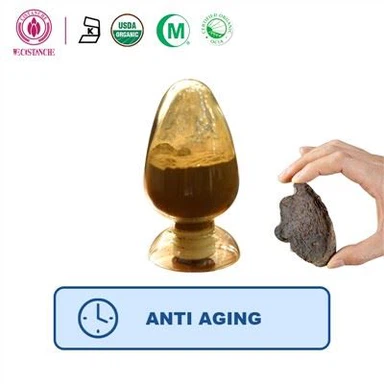
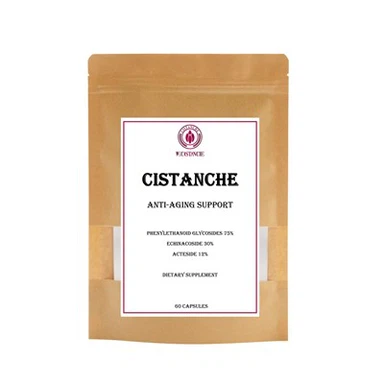
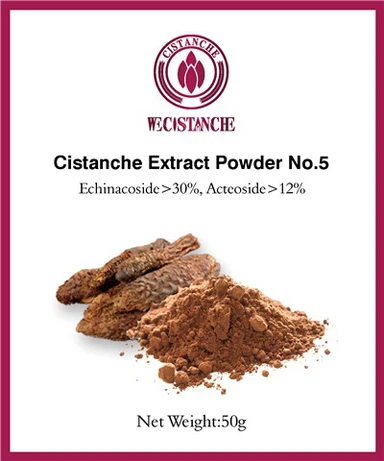
Cistanche is a genus of parasitic plants that belongs to the family Orobanchaceae. These plants are known for their medicinal properties and have been used in Traditional Chinese Medicine (TCM) for centuries. Cistanche species are predominantly found in arid and desert regions of China, Mongolia, and other parts of Central Asia. Cistanche plants are characterized by their fleshy, yellowish stems and are highly valued for their potential health benefits. In TCM, Cistanche is believed to have tonic properties and is commonly used to nourish the kidney, enhance vitality, and support sexual function. It is also used to address issues related to aging, fatigue, and overall well-being. While Cistanche has a long history of use in traditional medicine, scientific research on its efficacy and safety is ongoing and limited. However, it is known to contain various bioactive compounds such as phenylethanoid glycosides, iridoids, lignans, and polysaccharides, which may contribute to its medicinal effects.

Wecistanche's cistanche powder, cistanche tablets, cistanche capsules, and other products are developed using desert cistanche as raw materials, all of which have a good effect on relieving constipation. The specific mechanism is as follows: Cistanche is believed to have potential benefits for relieving constipation based on its traditional use and certain compounds it contains. While scientific research specifically on Cistanche's effect on constipation is limited, it is thought to have multiple mechanisms that may contribute to its potential to relieve constipation. Laxative Effect: Cistanche has long been used in Traditional Chinese Medicine as a remedy for constipation. It is believed to have a mild laxative effect, which can help promote bowel movements and induce constipation. This effect may be attributed to various compounds found in Cistanche, such as phenylethanoid glycosides and polysaccharides. Moistening the Intestines: Based on traditional use, Cistanche is considered to have moisturizing properties, specifically targeting the Intestines. Promoting hydration and lubrication of the Intestines may help soften tools and facilitate easier passage, thereby relieving constipation. Anti-inflammatory Effect: Constipation can sometimes be associated with inflammation in the digestive tract. Cistanche contains certain compounds, including phenylethanoid glycosides and lignans, that are believed to have anti-inflammatory properties. By reducing inflammation in the intestines, it may help improve bowel movement regularity and relieve constipation.