Bifidobacterium Longum Has A Positive Effect On Improving Chronic Constipation in The Elderly
Sep 14, 2023
Chronic constipation is one of the major obstacles to a healthy and long life in the world's aging society. Meta-analyses indicate that the global prevalence of chronic constipation is 10.1% when using the Rome IV criteria and that the incidence increases with age.

At this stage, the prognosis of patients with chronic constipation is poor, and stimulant laxatives are common drugs to treat constipation. However, if used for a long time, they can produce a variety of side effects, including abdominal pain, diarrhea, etc.
In recent years, reports using next-generation sequencing have shown that the number of bifidobacteria in the feces of the elderly is reduced, and the relationship between chronic constipation and intestinal microbiota has attracted attention.
In a randomized double-blind, placebo-controlled, parallel-group superiority trial [1] conducted in Japan, 80 elderly people diagnosed with chronic constipation were randomly assigned (1:1) to receive once-daily probiotics (long-term Bifidobacterium BB536, 5×10^10 CFU, n=39) or placebo (n=41), up to 4 weeks of the experiment.
The study used a constipation scoring system to assess the severity of constipation. A total of 79 patients completed the study, including 38 patients in the BB536 group and 41 patients in the placebo group.
The results showed that there were significant differences and trends in the changes from baseline in the stool frequency (P=0.008) and defecation failure (P=0.051) subscales between the two groups at 4 weeks. Bifidobacterium longum BB536 supplementation was shown to be safe and partially effective in improving chronic constipation in the elderly, significantly improving defecation autonomy.
What is Bifidobacterium longum?
Bifidobacterium Longum
Bifidobacterium longum is a Gram-positive bacterium with one end enlarged, tadpole-shaped, no flagella, no spores, and white and shiny colonies. It is the dominant bacterial species colonizing the human intestine and has been approved to be added to the daily diet.
A large amount of evidence shows that Bifidobacterium longum has good acid resistance, bile resistance, and adhesion to human intestinal cells. It can adhere to intestinal epithelial cells and form a dominant ecological niche, thereby preventing pathogenic bacteria (such as Helicobacter pylori) Colonization and invasion, in addition to laxative effects, can further improve intestinal disease, tumorigenesis, immune system, and aging.

1. Reduce colitis
Research published by Professor Chen Wei, President of Jiangnan University and Academician of the Chinese Academy of Engineering, and his team in 2019 found that Bifidobacterium longum YS108R can alleviate DSS (dextrose glucuronide) by regulating inflammation-related cytokines, maintaining normal mucosal barriers, and restoring changes in intestinal flora. Glucose sulfate sodium salt)-induced colitis [2].
A study published in Food Science and Human Wellness in 2023 showed that [3]: Bifidobacterium longum NSP001 intervention can improve acute colitis caused by DSS in both traditional mice and human mice. NSP001, however, improved abnormal thymus index, colonic ZO-1, and iNOS levels only in colitis mice colonized with humanized intestinal flora.
On March 27, 2023, Mao Zhengwei and Wang Weilin of Zhejiang University and Chen Xiaoyuan of the National University of Singapore jointly published a research paper [4] published online in Nature Nanotechnology (IF=41), reporting that artificial enzyme-modified Bifidobacterium longum probiotics A healthy immune system for inflammatory bowel disease.
Probiotics can promote the targeting and retention of biocompatible artificial enzymes, continuously remove elevated reactive oxygen species, and alleviate inflammatory factors. The therapeutic efficacy was confirmed in mouse and canine models and showed superior results to traditional clinical drugs.
A review paper [5] written by Professor Meng Xiangchen’s team at the Key Laboratory of Dairy Science of the Ministry of Education/School of Food at Northeast Agricultural University mentioned that Amiriani and other teams used a randomized, double-blind clinical trial method to treat 60 patients with mild to moderate ulcerative colitis (UC). The patients were divided into two groups and randomly given a compound probiotic preparation containing bifidobacteria or a placebo for 8 weeks of treatment. The results showed that the clinical colitis activity index (SCCAI) of the probiotic group was significantly reduced, and the therapeutic effect of the probiotic group was It is more significant in patients with more than 5 years of illness.
Experimental results on Japanese patients with mild to moderately active UC showed that Bifidobacterium longum 536 was not only well tolerated in the intestines but also significantly reduced the disease activity index (DAI) and Colon Rachmilewitz endoscopic index (EI).
In addition, the combination of bifidobacteria and drugs for treating UC has a synergistic effect. Research by di Pierro et al. has shown that Bifidobacterium longum W11 can be used as an auxiliary agent for antibiotic treatment, doubling the therapeutic effect of rifampicin alone.
2. Relieve irritable bowel syndrome
Research discovered in 2006 [6]: That bifidobacterium longum 35624 has been clinically proven to have an ideal alleviation effect on abdominal discomfort, abdominal cramps, bloating, and other symptoms in patients with irritable bowel syndrome (IBS) and other gastrointestinal discomforts.
3. Relieve high cholesterol
At this year’s 11th International Annual Conference on Food Science in 2023, Jiang Jinchi’s team from the School of Food and Light Industry of Nanjing University of Technology reported: that SD rats were continuously gavaged with different Bifidobacterium longum for 28 days, and the results showed that among them Bifidobacterium CCFM 1077 has the strongest effect in regulating cholesterol metabolism, followed by Bifidobacterium longum I3 and Bifidobacterium longum B3, while Bifidobacterium longum J3 has no significant effect on regulating cholesterol metabolism. Through metagenomic analysis, the relative abundance of beneficial genera increased in the B. longum CCFM 1077 treatment group.
In summary, Bifidobacterium longum exhibits strain-specific effects in alleviating hypercholesterolemia, mainly due to the biological characteristics of the strain, bile salt dissociation ability, cholesterol assimilation ability, expression of key genes for cholesterol metabolism, and intestinal changes in the microbiota.
4. Relieve stress and depression and improve sleep
Clinical studies of Bifidobacterium longum 1714 in healthy people have shown that it can reduce cortisol secretion under acute stress, thereby weakening the psychological and physiological response to stress. Clinical results show improved adaptability to stressful situations and increased ability to cope with negative emotions.

Another study found that taking Bifidobacterium longum improved sleep quality and duration.
In May 2022, a study published by Wang Gang's team in the Journal of Advanced Research [7] showed that in addition to Bifidobacterium breve CCFM1025, Bifidobacterium longum CCFM687 and Pediococcus acidilactici CCFM6432 can also treat and alleviate the mental illness of patients with depression. symptoms and comorbid gastrointestinal symptoms, while a key mechanism by which probiotics benefit the brain and gut is the modulation of the serotonergic system.
5. Improve sperm quality and activity
Published animal experiments have proven that beneficial intestinal flora and the reproductive axis are closely related. By increasing the content of beneficial intestinal flora, the fecundity of animals can be improved [8].
A study [9] published in Beneficial Microbes screened 9 men with asthenospermia who did not receive any medication under similar dietary conditions and consumed two selected antioxidant probiotic strains (Lactobacillus rhamnosus CECT8361 and Bifidobacterium longum subsp. longum CECT7347) and analyzed its effect on sperm quality parameters after three and six weeks.
The results showed that sperm motility was significantly improved after intervention (approximately 6-fold change). This study provides preliminary evidence that probiotics can be ingested to improve sperm motility and reduce DNA fragmentation and ROS (reactive oxygen species) levels in men with asthenozoospermia problems.
6. Help fracture repair
On January 27, 2023, scientists from the Plastic Surgery Department of Emory University School of Medicine in the United States published a study in the scientific journal Aging Cell [10], proposing that supplementing a single probiotic Bifidobacterium longum can improve the health of elderly (18-month-old) female mice. fracture repair process.
7. Anti-tumor
A research team led by Professor Marlies Meisel from the University of Pittsburgh published an article in Cell (IF=66.85) [11] to discuss whether commonly used probiotics affect the tumor growth of preclinical melanoma.
Researchers used a preclinical melanoma model (C57BL/6 mice) to test the antitumor activity of four commonly used probiotics, including Bifidobacterium longum (Bl), Lactobacillus reuteri (Lr), and Lactobacillus johnsonii (Lj) ) and Escherichia coli (Ec). Daily oral administration of Bifidobacterium longum (Bl), Lactobacillus reuteri (Lr), and Escherichia coli (Ec) starting 1 day after cell implantation effectively inhibited melanoma growth and improved survival rate.
SUMMARY
Research on different subspecies of Bifidobacterium longum is constantly advancing, and more and more efficacies have been discovered and confirmed in the growth and development of infants and the health of adults and the elderly. It is expected that the advancement of science and technology will lead to a deeper understanding of probiotics and the targeted use of different subspecies strains for nutritional intervention, disease treatment, and prevention.
Natural Herbal Medicine For Relieving Constipation-Cistanche
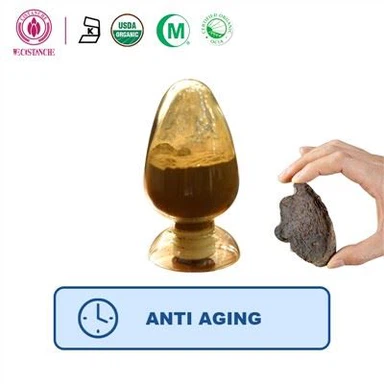
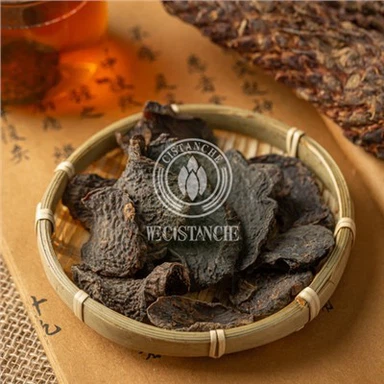
Cistanche is a genus of parasitic plants that belongs to the family Orobanchaceae. These plants are known for their medicinal properties and have been used in Traditional Chinese Medicine (TCM) for centuries. Cistanche species are predominantly found in arid and desert regions of China, Mongolia, and other parts of Central Asia. Cistanche plants are characterized by their fleshy, yellowish stems and are highly valued for their potential health benefits. In TCM, Cistanche is believed to have tonic properties and is commonly used to nourish the kidney, enhance vitality, and support sexual function. It is also used to address issues related to aging, fatigue, and overall well-being. While Cistanche has a long history of use in traditional medicine, scientific research on its efficacy and safety is ongoing and limited. However, it is known to contain various bioactive compounds such as phenylethanoid glycosides, iridoids, lignans, and polysaccharides, which may contribute to its medicinal effects.

Wecistanche's cistanche powder, cistanche tablets, cistanche capsules, and other products are developed using desert cistanche as raw materials, all of which have a good effect on relieving constipation. The specific mechanism is as follows: Cistanche is believed to have potential benefits for relieving constipation based on its traditional use and certain compounds it contains. While scientific research specifically on Cistanche's effect on constipation is limited, it is thought to have multiple mechanisms that may contribute to its potential to relieve constipation. Laxative Effect: Cistanche has long been used in Traditional Chinese Medicine as a remedy for constipation. It is believed to have a mild laxative effect, which can help promote bowel movements and induce constipation. This effect may be attributed to various compounds found in Cistanche, such as phenylethanoid glycosides and polysaccharides. Moistening the Intestines: Based on traditional use, Cistanche is considered to have moisturizing properties, specifically targeting the Intestines. Promoting hydration and lubrication of the Intestines, it may help soften tools and facilitate easier passage, thereby relieving constipation. Anti-inflammatory Effect: Constipation can sometimes be associated with inflammation in the digestive tract. Cistanche contains certain compounds, including phenylethanoid glycosides and lignans, that are believed to have anti-inflammatory properties. By reducing inflammation in the intestines, it may help improve bowel movement regularity and relieve constipation.