For People With Long-Term Constipation, This Gentle “Bowel-Moving Tea” Is Worth Trying
Aug 11, 2026
Constipation is a long-standing problem for many people. First, the discomfort of "not being able to go" feels awful. Second, poor bowel movements can have a real impact on overall health. As Wecistanche often emphasizes, Traditional Chinese Medicine (TCM) has four classic markers for evaluating basic health: can you eat, can you eliminate (bowel movements), can you sleep, and can you feel cheerful. Regular elimination is a key indicator.
Today, instead of discussing complex prescriptions, Wecistanche would like to share a simple tea-based approach for constipation-called Bowel-Moving Tea.
Bowel-Moving Tea (Tongbian Tea) Formula
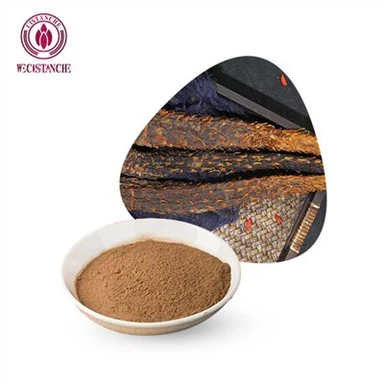
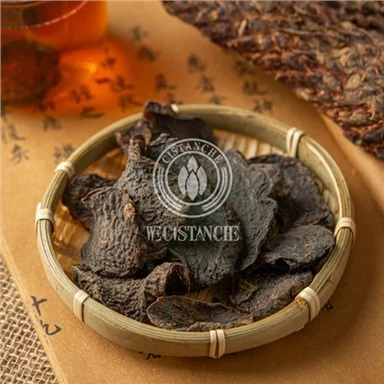
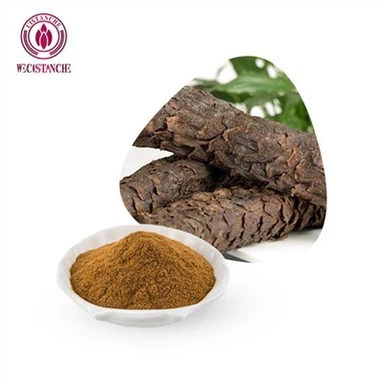
Cistanche 3 g
Astragalus (Huangqi) 3 g
Rose buds/flowers 2 g
Hemp seed (Huo Ma Ren) 3 g
This tea formula is quite straightforward, and so is the underlying logic. In TCM terms, constipation often reflects a state of stagnation, meaning the body's normal "ascending and descending" movement is disrupted. The goal here is to help restore a smoother intestinal "up-and-down" flow.
If you're looking for a convenient Cistanche-based option, you can refer to this Cistanche product here (often used by customers for daily preparation):

Why These Herbs Are Used (TCM Rationale)
1) Astragalus (Huangqi) - "Qi" support to promote movement
When there is stagnation, you need "qi" to help push things along. That's why Astragalus is included to gently tonify qi. TCM also teaches that the Lung and Large Intestine are internally–externally related, so strengthening lung qi can indirectly support large intestine function.
Some people don't have especially dry or hard stool, yet bowel movements still feel very difficult-and they may feel exhausted afterward. In TCM, this is often linked to qi deficiency, where intestinal transport lacks sufficient动力 (driving force). Astragalus replenishes qi gradually, supporting easier elimination when the issue is "weak pushing power."
2) Cistanche - warm yet gentle moistening support
Cistanche is sometimes called "desert ginseng." It is valued for being warming but not drying, and moistening but not overly cold. It can be especially suitable for older adults, because many cases of elderly constipation are associated with intestinal dryness and insufficient fluids.
Cistanche nourishes and moistens the intestines in a gentler way, different from harsh stimulant laxatives (e.g., strongly purgative herbs) that force a quick purge. It tends to fit patterns where constipation is related to fluid deficiency and intestinal dryness ("deficiency-type constipation").
Additionally, Cistanche also supports yang, so it may also be considered in yang-deficiency constipation patterns in TCM.

3) Rose - the "finishing touch" to free constrained qi
For many modern individuals, long-term stress and emotional constraint can lead to liver qi stagnation in TCM terms. When qi movement becomes blocked, the distribution of qi, blood, and fluids is disrupted, and bowel movements may become difficult.
Rose helps soothe the liver and regulate qi, easing constraint and "opening the pathway," which can support smoother downward movement.
How to Use
This tea is mainly for gradual constitutional support, not an instant, fast-acting laxative. Don't expect to drink it once and immediately have a bowel movement.

If you sit for long periods, feel chronically stressed, tend toward cold/weak digestion, or often experience "weak" bowel movements over time, this tea may be worth trying. No decoction is required-just steep/infuse in hot water.
Introduced by: Wecistanche (Company profile: https://www.xjcistanche.com/about-us)